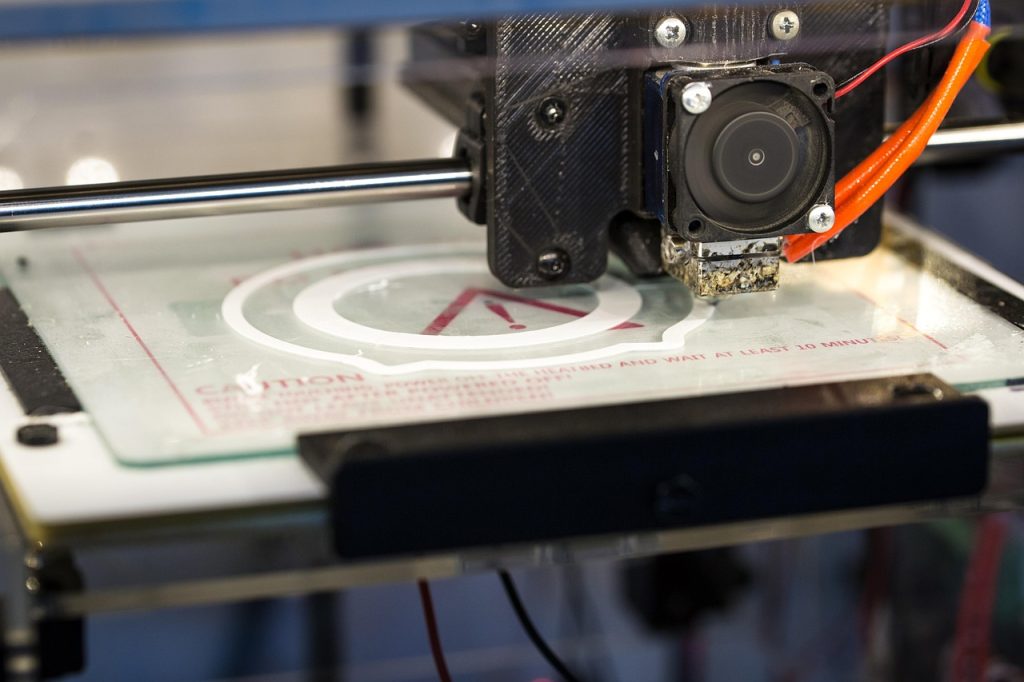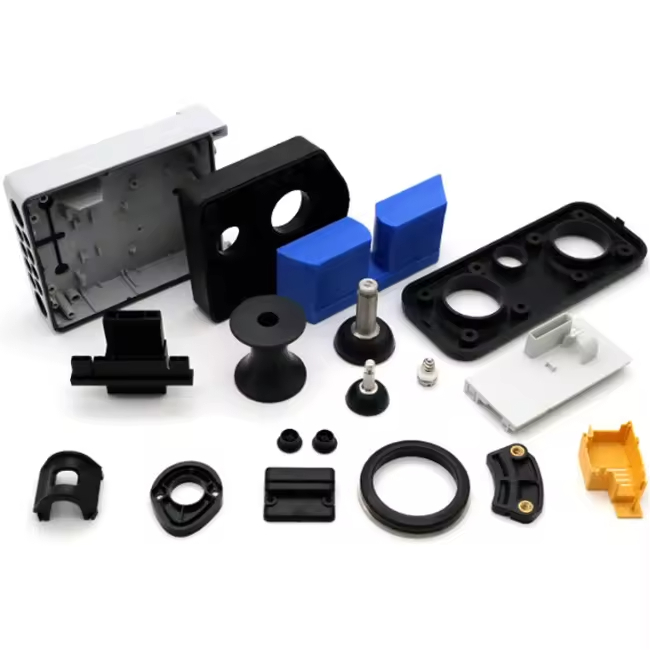
Finding the perfect printing temperature for nylon filaments can be the difference between a failed print and a production-ready part. In this comprehensive guide, we’ll walk you through everything you need to know about PA6 and PA66 printing temperatures.
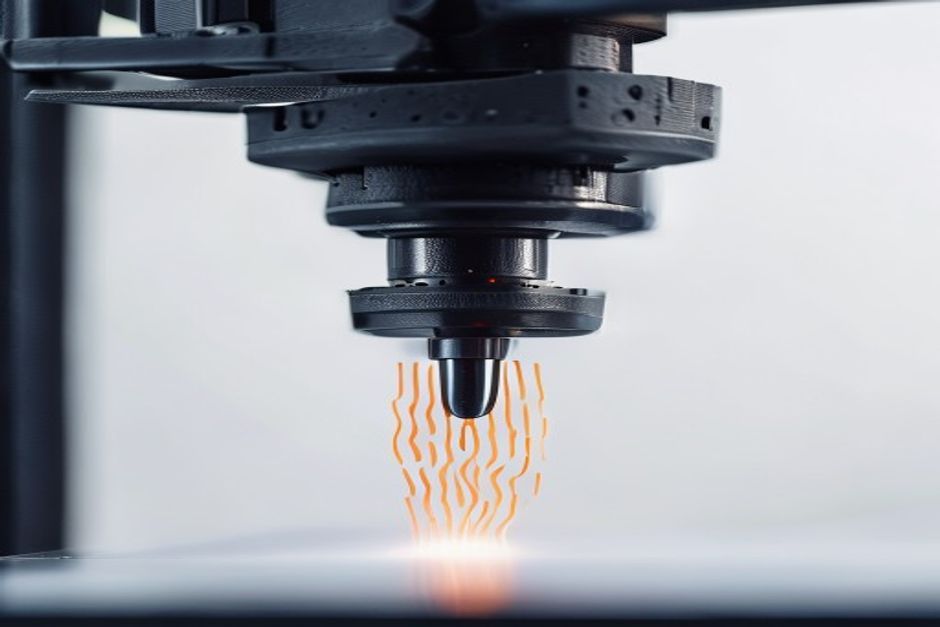
Understanding Nylon Thermal Properties
Nylon (polyamide) is a semi-crystalline thermoplastic that requires specific temperature control during printing. Unlike PLA or PETG, nylon has a narrow processing window where optimal layer adhesion and dimensional accuracy coincide.
The crystalline structure of nylon means it has a distinct melting point rather than a glass transition. PA6 melts around 220°C, while PA66 has a higher melting point at approximately 260°C. This difference significantly impacts your printing parameters.
Hotend Temperature Settings
PA6 (Nylon 6) Temperature Range
For standard PA6 filaments, we recommend:
- Minimum: 240°C (for slow, detailed prints)
- Optimal: 250-260°C (balanced speed and quality)
- Maximum: 270°C (for high-speed printing)
The key indicator you’ve found the right temperature is when the filament extrudes smoothly with a slight sheen, forming consistent layers without stringing.
PA66 (Nylon 66) Temperature Range
PA66 requires higher temperatures due to its higher melting point:
- Minimum: 260°C
- Optimal: 270-280°C
- Maximum: 290°C
Read our detailed PA6 vs PA66 comparison to understand which material suits your application.
Bed Temperature and Adhesion
Nylon is notorious for bed adhesion challenges. Here are proven solutions:
Recommended Bed Temperatures
| Material | Bed Temp | Surface |
|---|---|---|
| PA6 | 60-80°C | PEI or Garolite |
| PA66 | 80-100°C | Garolite preferred |
| PA6-GF | 70-90°C | PEI with glue |
Adhesion Solutions
1. Garolite (FR4) bed surface — The gold standard for nylon
2. PEI sheet with PVA glue — Works well for most users
3. ABS slurry — Creates excellent bonding
4. Magigoo PA — Dedicated nylon adhesive
Chamber Temperature and Enclosure
For dimensionally accurate nylon prints, enclosure temperature matters significantly. An ambient chamber temperature of 40-50°C reduces warping and improves layer adhesion.
If your printer lacks an enclosure, consider whether your project warrants production-grade equipment.
Temperature Tower Calibration
A temperature tower is essential for dialing in your specific filament. Here’s how to create one:
1. Download a temperature tower model (we recommend the 5-stage tower)
2. Set temperature changes at 10mm intervals
3. Print at your estimated optimal temperature
4. Evaluate layer bonding, stringing, and surface quality
5. Select the temperature with best overall results
Remember: nylon must be dry before temperature testing!
Troubleshooting Common Issues
Under-extrusion at Temperature
If you experience under-extrusion even at high temperatures:
- Check for nozzle clogs (especially with glass-filled nylon)
- Verify your hotend can handle 290°C
- Consider a hardened steel nozzle for abrasive variants
Warping Despite Correct Temperature
Warping often relates to bed adhesion, not hotend temperature:
- Increase bed temperature by 5-10°C
- Apply additional adhesive
- Ensure enclosure maintains consistent temperature
Poor Layer Adhesion
If layers separate easily:
- Increase hotend temperature by 5°C
- Reduce cooling (minimum or off for nylon)
- Check for moisture contamination
Special Considerations
Glass-Filled Nylon
PA6-GF and PA66-GF require slightly higher temperatures and slower speeds. The glass fibers increase abrasiveness and reduce flow.
Carbon Fiber Nylon
Carbon fiber nylon behaves similarly to glass-filled but offers superior stiffness.
Nylon Blends
Various nylon blends (PA6/PA66, nylon copolymers) have intermediate temperature requirements. Always start with manufacturer recommendations.
Frequently Asked Questions
What is the typical lead time for custom orders?
Standard lead times range from 3-15 business days depending on order complexity and quantity. Rush orders can often be accommodated with 24-hour turnaround for prototypes.
What quality certifications do you have?
Our manufacturing facility is ISO 9001 certified, and we maintain rigorous quality control processes throughout production. Material certifications and test reports are available upon request.
What is your minimum order quantity (MOQ)?
We offer flexible MOQ starting from just 1 piece for prototypes, scaling up to millions of pieces for mass production. This allows you to validate designs before committing to larger orders.
Can you provide material certification and test reports?
Yes, we provide full material traceability and certification documentation including COA (Certificate of Analysis), physical property test reports, and RoHS/REACH compliance documentation as required.