
Finding the perfect printing temperature for nylon filaments can be the difference between a failed print and a production-ready part. In this comprehensive guide, we’ll walk you through everything you need to know about PA6 and PA66 printing temperatures.
Understanding Nylon Thermal Properties
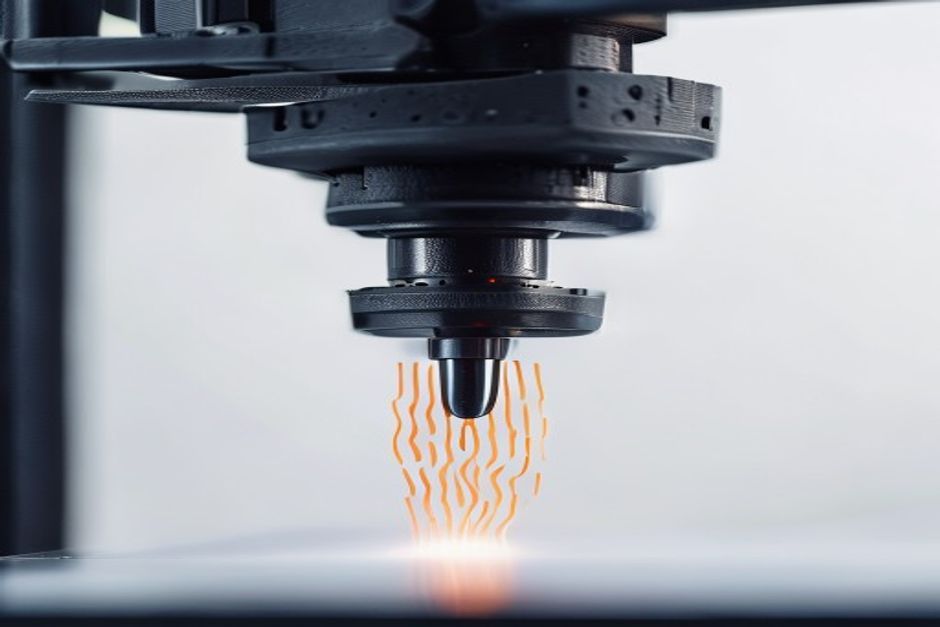
Nylon (polyamide) is a semi-crystalline thermoplastic that requires specific temperature control during printing. Unlike PLA or PETG, nylon has a narrow processing window where optimal layer adhesion and dimensional accuracy coincide.
The crystalline structure of nylon means it has a distinct melting point rather than a glass transition. PA6 melts around 220°C, while PA66 has a higher melting point at approximately 260°C. This difference significantly impacts your printing parameters.
Hotend Temperature Settings
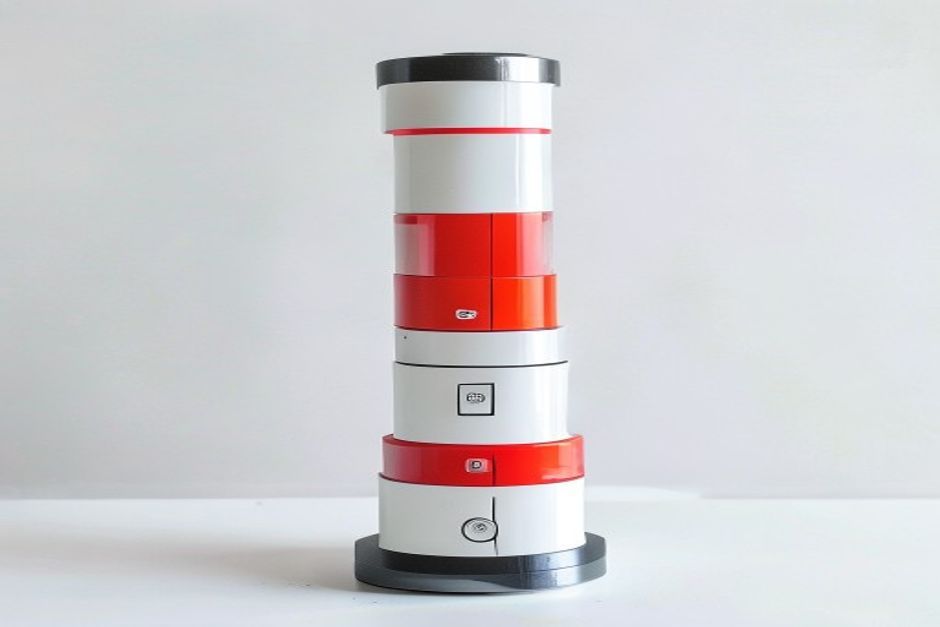
PA6 (Nylon 6) Temperature Range
For standard PA6 filaments, we recommend:
- Minimum: 240°C (for slow, detailed prints)
- Optimal: 250-260°C (balanced speed and quality)
- Maximum: 270°C (for high-speed printing)
The key indicator you’ve found the right temperature is when the filament extrudes smoothly with a slight sheen, forming consistent layers without stringing.
PA66 (Nylon 66) Temperature Range
PA66 requires higher temperatures due to its higher melting point:
- Minimum: 260°C
- Optimal: 270-280°C
- Maximum: 290°C
Read our detailed PA6 vs PA66 comparison to understand which material suits your application.
Bed Temperature and Adhesion
Nylon is notorious for bed adhesion challenges. Here are proven solutions:
Recommended Bed Temperatures
| Chất liệu | Bed Temp | Surface |
|---|---|---|
| PA6 | 60-80°C | PEI or Garolite |
| PA66 | 80-100°C | Garolite preferred |
| PA6-GF | 70-90°C | PEI with glue |
Adhesion Solutions
1. Garolite (FR4) bed surface — The gold standard for nylon
2. PEI sheet with PVA glue — Works well for most users
3. ABS slurry — Creates excellent bonding
4. Magigoo PA — Dedicated nylon adhesive
Chamber Temperature and Enclosure
For dimensionally accurate nylon prints, enclosure temperature matters significantly. An ambient chamber temperature of 40-50°C reduces warping and improves layer adhesion.
If your printer lacks an enclosure, consider whether your project warrants production-grade equipment.
Temperature Tower Calibration
A temperature tower is essential for dialing in your specific filament. Here’s how to create one:
1. Download a temperature tower model (we recommend the 5-stage tower)
2. Set temperature changes at 10mm intervals
3. Print at your estimated optimal temperature
4. Evaluate layer bonding, stringing, and surface quality
5. Select the temperature with best overall results
Remember: nylon must be dry before temperature testing!
Troubleshooting Common Issues
Under-extrusion at Temperature
If you experience under-extrusion even at high temperatures:
- Check for nozzle clogs (especially with glass-filled nylon)
- Verify your hotend can handle 290°C
- Consider a hardened steel nozzle for abrasive variants
Warping Despite Correct Temperature
Warping often relates to bed adhesion, not hotend temperature:
- Increase bed temperature by 5-10°C
- Apply additional adhesive
- Ensure enclosure maintains consistent temperature
Poor Layer Adhesion
If layers separate easily:
- Increase hotend temperature by 5°C
- Reduce cooling (minimum or off for nylon)
- Check for moisture contamination
Special Considerations
Glass-Filled Nylon
PA6-GF and PA66-GF require slightly higher temperatures and slower speeds. The glass fibers increase abrasiveness and reduce flow.
Carbon Fiber Nylon
Carbon fiber nylon behaves similarly to glass-filled but offers superior stiffness.
Nylon Blends
Various nylon blends (PA6/PA66, nylon copolymers) have intermediate temperature requirements. Always start with manufacturer recommendations.
Câu hỏi thường gặp
Thời gian giao hàng thông thường cho các đơn hàng đặt làm theo yêu cầu là bao lâu?
Thời gian giao hàng tiêu chuẩn dao động từ 3 đến 15 ngày làm việc, tùy thuộc vào độ phức tạp và số lượng đơn hàng. Đối với các đơn hàng gấp, chúng tôi thường có thể đáp ứng với thời gian hoàn thành trong vòng 24 giờ đối với các mẫu thử.
Quý công ty có những chứng nhận chất lượng nào?
Nhà máy sản xuất của chúng tôi đã được chứng nhận ISO 9001, và chúng tôi luôn duy trì các quy trình kiểm soát chất lượng nghiêm ngặt trong suốt quá trình sản xuất. Các chứng nhận vật liệu và báo cáo thử nghiệm sẽ được cung cấp theo yêu cầu.
Số lượng đặt hàng tối thiểu (MOQ) của quý công ty là bao nhiêu?
Chúng tôi cung cấp số lượng đặt hàng tối thiểu (MOQ) linh hoạt, bắt đầu từ chỉ 1 chiếc cho các mẫu thử nghiệm và có thể mở rộng lên đến hàng triệu chiếc cho sản xuất hàng loạt. Điều này giúp quý khách có thể kiểm chứng thiết kế trước khi quyết định đặt hàng với số lượng lớn.
Quý vị có thể cung cấp chứng nhận vật liệu và báo cáo thử nghiệm không?
Vâng, chúng tôi cung cấp khả năng truy xuất nguồn gốc nguyên liệu đầy đủ cùng các tài liệu chứng nhận, bao gồm COA (Giấy chứng nhận phân tích), báo cáo thử nghiệm tính chất vật lý và các tài liệu chứng nhận tuân thủ RoHS/REACH theo yêu cầu.
 English
 Dutch
Dutch German
 French
 Korean
 Russian
 Japanese
 Spanish
 Vietnamese
 Chinese
 Portuguese
 Arabic