
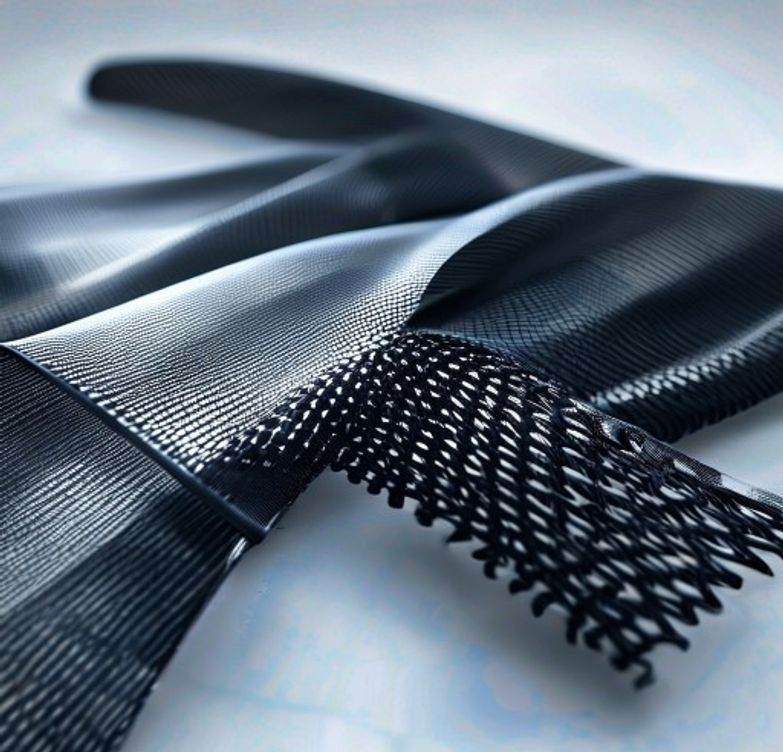
玻璃纖維與碳纖維強化尼龍的技術比較 - 強度、剛性、熱、成本與應用指引。.
為何要強化尼龍?性能差距
未填充的尼龍是一種優異的通用工程塑膠,但其模量 (2.8-3.0 GPa) 與耐熱性 (1.82 MPa 時 HDT 65°C)卻無法滿足結構與高溫應用的需求。強化填料 - 玻璃纖維與碳纖維 - 可大幅縮小此差距。.
在精密工程中,選擇玻璃纖維或碳纖維補強是最重要的材料決定之一。它決定了剛度、強度、尺寸穩定性、重量、成本和加工特性。本指南提供工程師所需的完整比較。.
材料成分與成本比較
Typical Compositions:
| 材質 | Reinforcement | 拉伸強度 | Tensile Modulus | Specific Strength |
|---|---|---|---|---|
| 未填寫的 PA66 | 無 | 82 MPa | 3.0 GPa | 28 |
| PA66-GF30 | 30% 玻璃纖維 | 185 MPa | 10.0 GPa | 76 |
| PA66-CF30 | 30% 碳纖維 | 220 MPa | 17.0 GPa | 118 |
| PA6-GF30 | 30% 玻璃纖維 | 170 MPa | 9.0 GPa | 70 |
| PA6-CF30 | 30% 碳纖維 | 200 MPa | 15.5 GPa | 108 |
* 特定強度 = 強度重量比 (MPa / g/cm³)
Cost Analysis (approximate, USD/kg):
| 材質 | 價格範圍 | 注意事項 |
|---|---|---|
| - | - | 未填寫的 PA66 |
| $3-5 | 基線 | PA6-GF30 |
| $4-7 | ~40% 溢價 | PA66-GF30 |
| $4.5-8 | 最常見的強化尼龍 | PA6-CF30 |
| $18-30 | 高級碳纖維 | PA66-CF30 |
| $20-35 | Premium specialty | 鋁 6061 |
| $5-8 | 金屬比較 |
Key insight: Carbon fiber nylon costs 4-7× more than glass fiber nylon but provides only 20-30% higher strength and 50-70% higher stiffness. The premium is justified primarily when weight reduction, ESD properties, or reduced warpage are critical requirements.
機械特性:強度、剛性和韌性
Strength and Stiffness: Carbon fiber reinforced nylon outperforms glass fiber in every mechanical property, but the margin varies:
- Tensile strength: CF30 is 20-30% stronger than GF30
- Tensile modulus (stiffness): CF30 is 55-70% stiffer than GF30
- Flexural strength: CF30 is 15-25% higher than GF30
- Flexural modulus: CF30 is 50-65% higher than GF30
剛性優勢尤其顯著 - CF30 的剛性可達 17 GPa,接近鋁 (69 GPa),而 GF30 則只有 10 GPa。對於需要取代金屬的剛性關鍵應用,CF30 可能是唯一可行的塑膠選擇。.
Impact and Toughness: Both reinforced materials have lower impact resistance than unfilled nylon (fiber reinforcement reduces ductility):
| 財產 | 未填寫的 PA66 | PA66-GF30 | PA66-CF30 |
|---|---|---|---|
| 缺口 Izod (J/m) | 45 | 105 | 70 |
| Unnotched Izod (J/m) | No break | 700 | 450 |
| 斷裂伸長率 (%) | 60 | 3 | 2 |
GF30 比 CF30 能維持更好的耐衝擊性,因為玻璃纖維能透過脫粘吸收更多的衝擊能量。CF30 較硬但較脆。.
Glass vs Carbon Fiber Nylon CNC Machining Nylon Tips 食品級塑膠指南 PEEK Plastic Guide Engineering Plastics Buying Guide
尺寸穩定性和翹曲控制
這是碳纖維最能展現其決定性優勢的地方。.
Thermal Expansion:
| 材質 | 熱膨脹 (×10-⁵/°C) | vs. Aluminum 6061 |
|---|---|---|
| 未填寫的 PA66 | 8–10 | 4–5× higher |
| PA66-GF30 | 2–3 | 1–1.5× |
| PA66-CF30 | 0.5–1.5 | 0.25–0.75× |
| 鋁 6061 | 2.3 | 基線 |
CF30 的熱膨脹係數接近鋁和鋼。這意味著 CF30 製成的零件在溫度變化下的尺寸變化較小 - 這對於使用金屬嵌件的精密零件和組裝非常重要。.
Warpage and Shrinkage Anisotropy: Glass fiber causes differential shrinkage: parts shrink less in the flow direction (where fibers are oriented) than perpendicular to flow. This creates warpage, especially in flat parts with uneven cooling or asymmetrical gating.
碳纖維造成的各向異性較小,因為碳纖維較小且分散更均勻。CF30 零件的翹曲程度比同等的 GF30 零件低 40-60%。.
For flat panels, large structural components, and precision-machined parts: CF30 is significantly easier to mold to tolerance without post-machining.
電氣和特殊屬性
Electrical Conductivity / ESD: This is the unique advantage of carbon fiber reinforcement:
| 財產 | 未填寫的 PA66 | PA66-GF30 | PA66-CF30 |
|---|---|---|---|
| 體積電阻率 | 10^15 Ω-cm | 10^14 Ω-cm | 10^2-10^4 Ω-cm |
| Surface Resistivity | 10^13 Ω | 10^12 Ω | 10^3-10^5 Ω |
| ESD 類別 | 絕緣器 | 絕緣器 | 靜電耗散 |
30% 負載的碳纖維可在尼龍基材中形成導電網絡。零件會變成靜電消散型 (SDS,10^5-10^11 Ω),消除吸附灰塵、損壞電子產品或在易燃環境中產生火花的靜電積聚。.
ESD Applications for CF Nylon: – Electronics component trays and carriers – Fuel system components (prevents static spark ignition) – Cleanroom equipment (prevents contamination from static attraction) – Conveyor guides and rollers in printing/packaging
nylonplastic.com’s CF Nylon (PA6-CF and PA12-CF) is specifically formulated for ESD applications, with consistent resistivity across the part surface and after moisture conditioning.
加工和應用建議
Injection Molding Guidelines:
| 參數 | PA66-GF30 | PA66-CF30 |
|---|---|---|
| 熔融溫度 (°C) | 275–295 | 270–290 |
| 模具溫度 (°C) | 80–100 | 80–100 |
| 射出壓力 | 高 | 高 |
| 背壓 | 中度 | 中度 |
| 螺桿壓縮比 | 2.0–2.5 | 1.8–2.2 |
| Nozzle Requirement | Standard | Hardened (CF abrasive) |
| 閘門尺寸 | 大於未填充 | 大於 GF |
Machining: CF30 is significantly harder to machine than GF30 — carbide or diamond tooling required. Glass fiber is abrasive but manageable with solid carbide. Carbon fiber tends to delaminate and fray at machined edges.
Design Recommendations by Application:
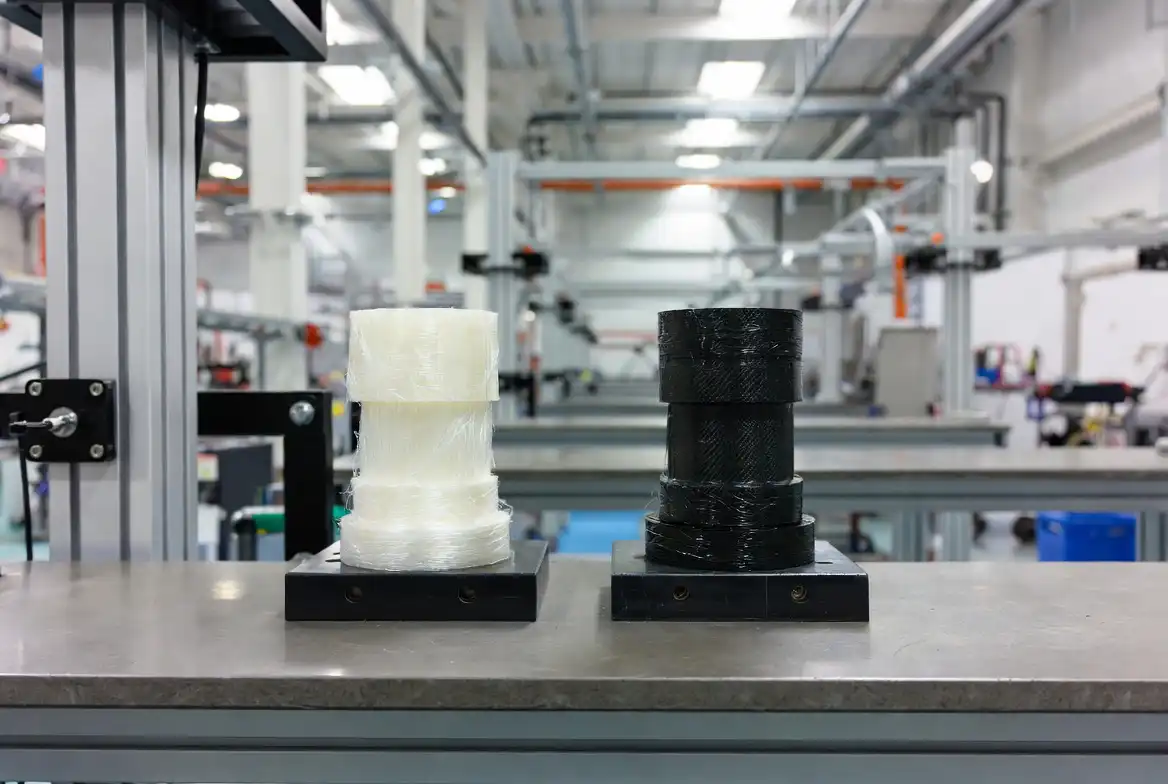
Choose GF30 when: – Budget is constrained – Standard structural stiffness is sufficient (10 GPa) – Impact resistance is important – Large-part injection molding with complex geometry
Choose CF30 when: – Metal-replacement stiffness is required (17 GPa approaches aluminum) – Dimensional stability across temperature is critical – ESD/conductivity is required – Weight reduction is a priority (CF is 30% lighter than glass fiber at equal stiffness) – Low warpage in large flat parts
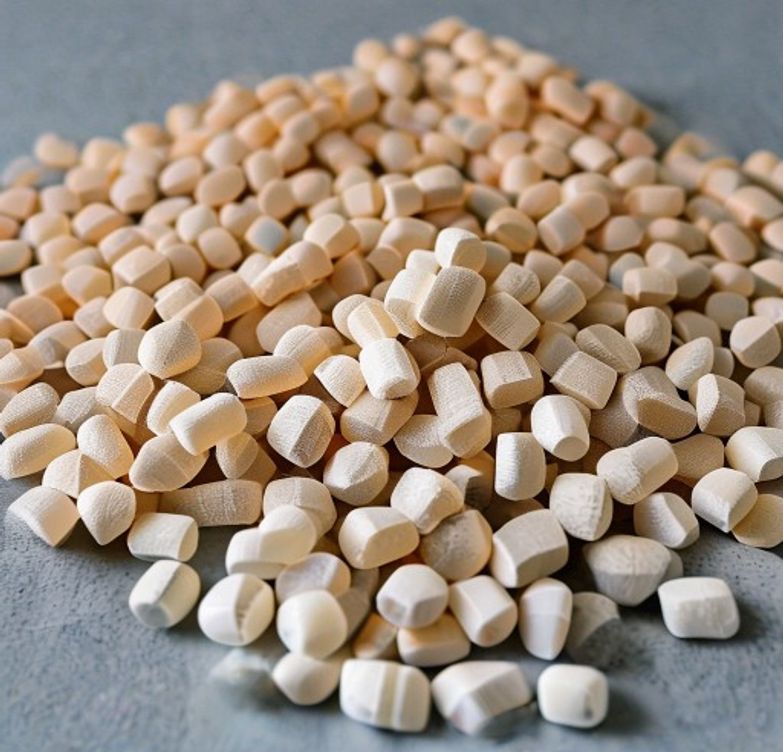
Engineering-grade nylon raw materials for injection molding
ESD properties + 5x stiffness — specialty line
常見問題
How do you know whether Glass Fiber vs. Carbon Fiber Reinforced Nylon: Performance Guide fits a part?
Glass Fiber vs. Carbon Fiber Reinforced Nylon: Performance Guide fits a part when its load capacity, temperature range, moisture exposure, wear behavior, and processing method match the real service conditions.
What properties should be checked for Glass Fiber vs. Carbon Fiber Reinforced Nylon: Performance Guide?
Check strength, stiffness, impact resistance, heat resistance, moisture absorption, dimensional stability, friction, wear, and chemical compatibility.
What is the biggest selection risk for Glass Fiber vs. Carbon Fiber Reinforced Nylon: Performance Guide?
The biggest risk is choosing from a datasheet value without considering actual environment, processing method, part geometry, and long-term use.
When should Glass Fiber vs. Carbon Fiber Reinforced Nylon: Performance Guide be tested before production?
Testing is recommended when the part faces load, heat, chemicals, moisture, tight tolerances, regulatory requirements, or a new operating environment.


 English
  Dutch
Dutch  German
  French
  Korean
  Russian
  Japanese
  Spanish
  Vietnamese
  Chinese
  Portuguese
  Arabic