
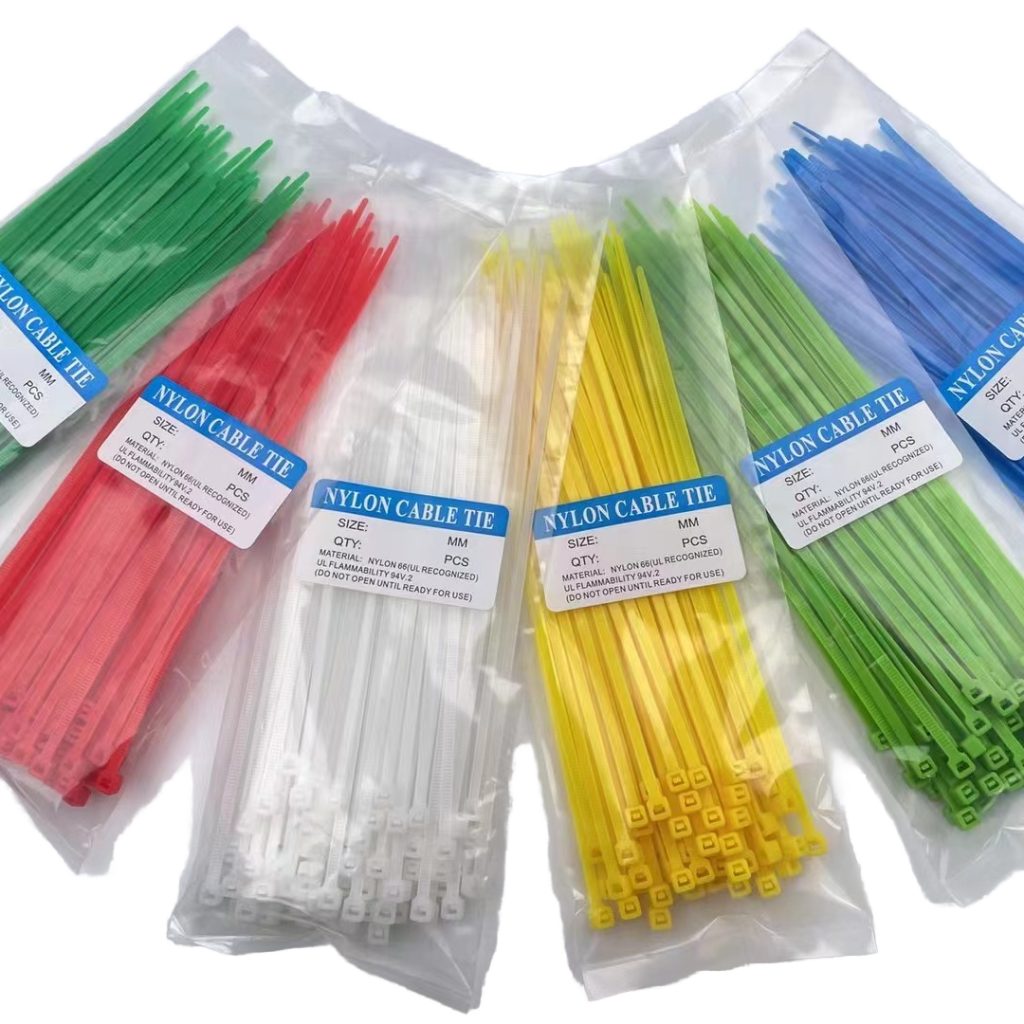
A 尼龍扎線帶 (also known as a zip tie or wire tie) is a simple, versatile, and indispensable fastening tool used across countless industries for bundling cables, securing components, and organizing wiring. Recognizable by its serrated strap and self-locking mechanism, this one-piece fastener is renowned for its high tensile strength, excellent chemical resistance, and ability to withstand a wide range of temperatures. It has become an essential product for professionals in electrical engineering, automotive manufacturing, telecommunications, aerospace, and everyday consumer applications. At 尼龍塑膠 , we recognize the critical role that high-quality fasteners play in reliable product assembly and cable management systems.
What is a Nylon Cable Tie?
A 尼龍扎線帶 is an integral molded product, most commonly manufactured from nylon 66 (polyamide 6.6), chosen for its impact strength and resistance to abrasion and chemicals. The tie consists of a flexible strap with a series of teeth (or serrations) and a head containing a locking pawl. When the tail of the tie is pulled through the head, the pawl engages with the teeth, creating a secure, non-releasable lock that tightens but does not loosen. This ingenious self-locking mechanism ensures a secure and consistent hold, making it an efficient solution for a wide array of fastening tasks.
These versatile fasteners are available in a broad range of lengths, widths, and tensile strengths to accommodate various needs, from lightweight consumer electronics to heavy-duty industrial wiring. For high-performance or challenging environments, specialized variants with UV resistance, high-temperature tolerance, or flame-retardant properties are available.
The Superior Material: Why Nylon 66?
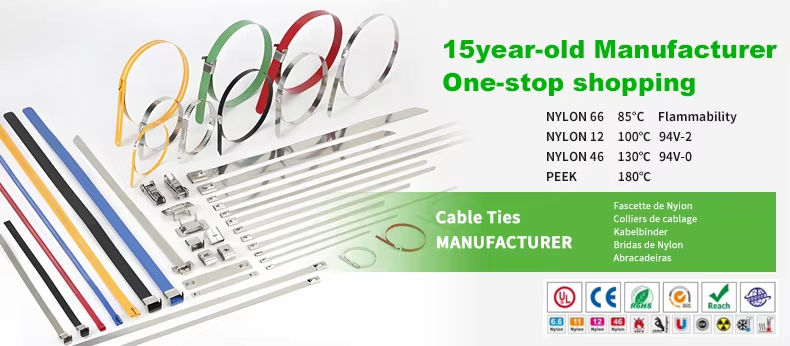
The performance of a cable tie is directly tied to its material. Nylon 66 offers a unique combination of properties that make it ideal for this application.
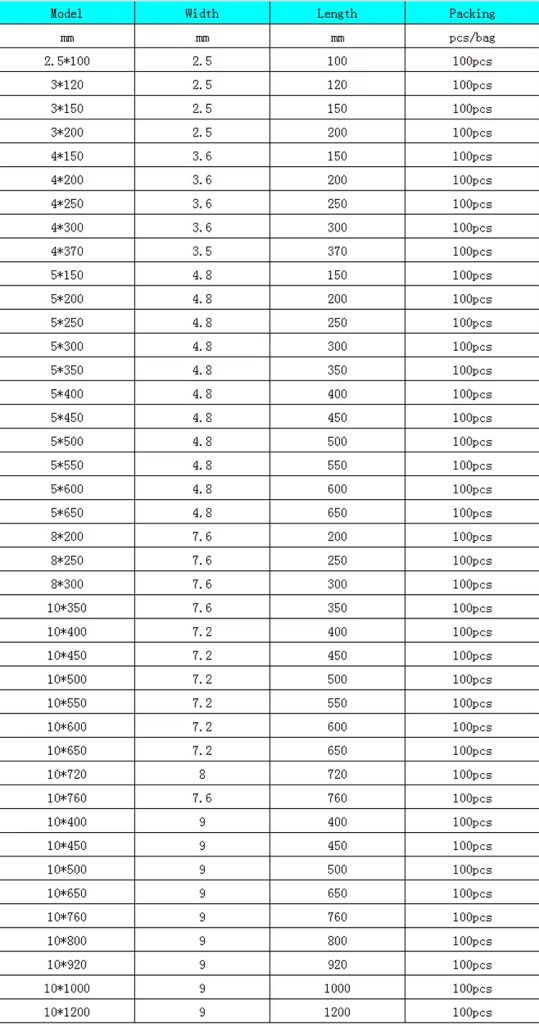
Key Specifications and Sizes
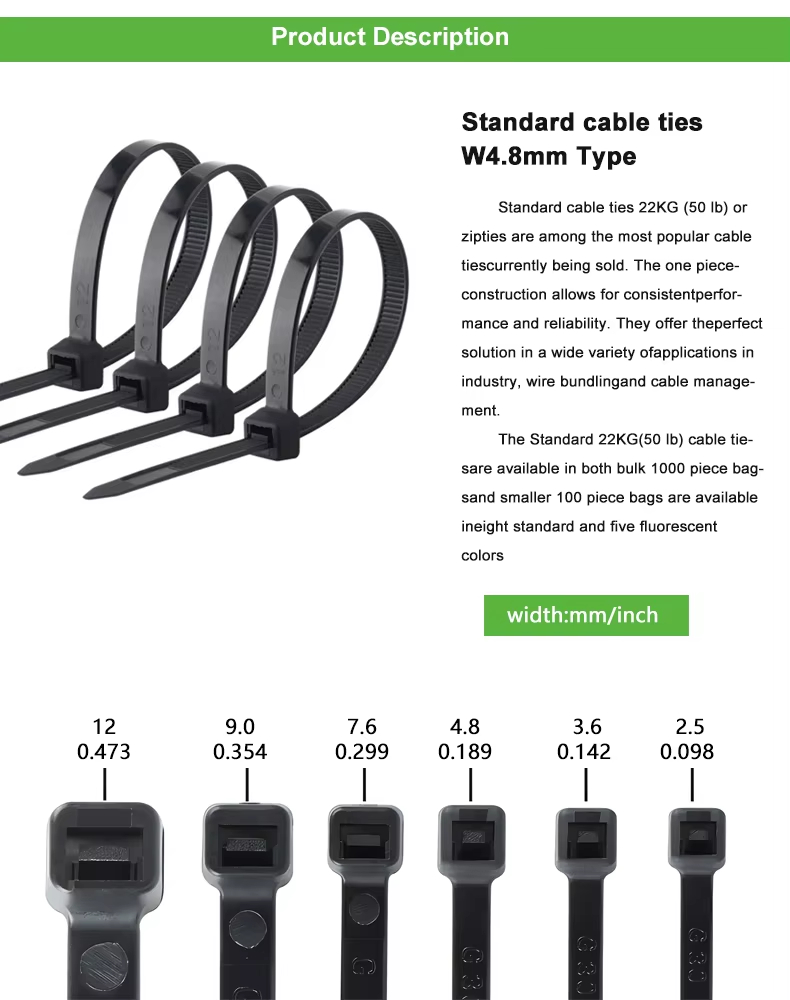
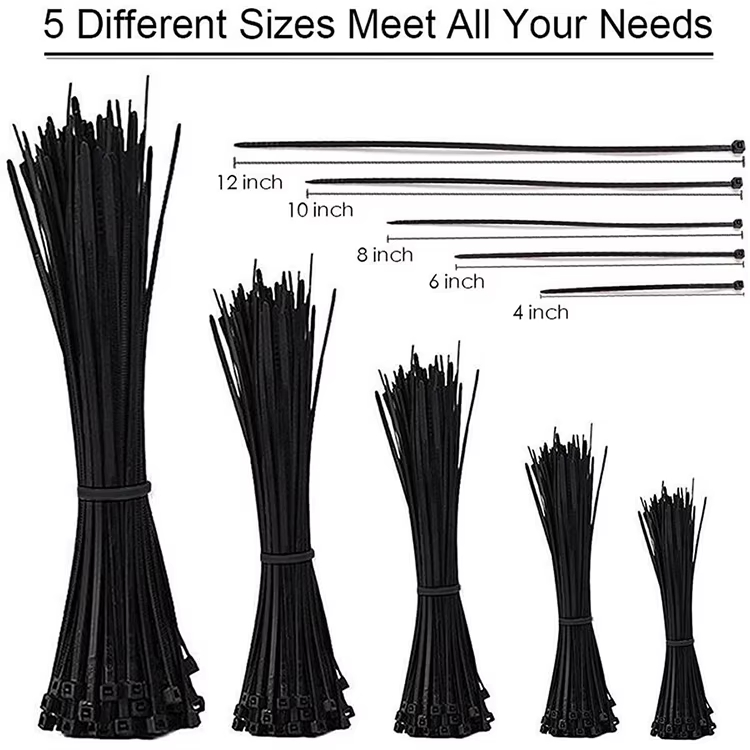
Nylon cable ties are available in a wide variety of sizes to suit any bundling task. The key dimensions are length, width, and the resulting loop tensile strength. Choosing the right size ensures a secure and lasting hold.
The Self-Locking Mechanism
The defining feature of a standard nylon cable tie is its simple yet highly effective self-locking mechanism. This mechanism ensures a secure hold with minimal effort.
- Insertion: The pointed tail of the tie is inserted into the locking head until the teeth on the strap engage with the internal pawl.
- Tightening: The tail is pulled, drawing the tie tight around the bundle. The locking pawl allows the teeth to pass in one direction only, preventing the tie from loosening.
- Securing: Once the desired tension is reached, the tie is locked in place. The serrated side of the tie should face inward toward the bundle to ensure proper engagement of the locking mechanism.
- Trimming: The excess tail of the tie can be trimmed flush with the head using a pair of scissors or a specialized cable tie gun for a clean, professional finish.
For applications requiring adjustability or reuse, specialized releasable cable ties are available, which can be unlocked by inserting a small tool (like a pin or screwdriver) to release the pawl.
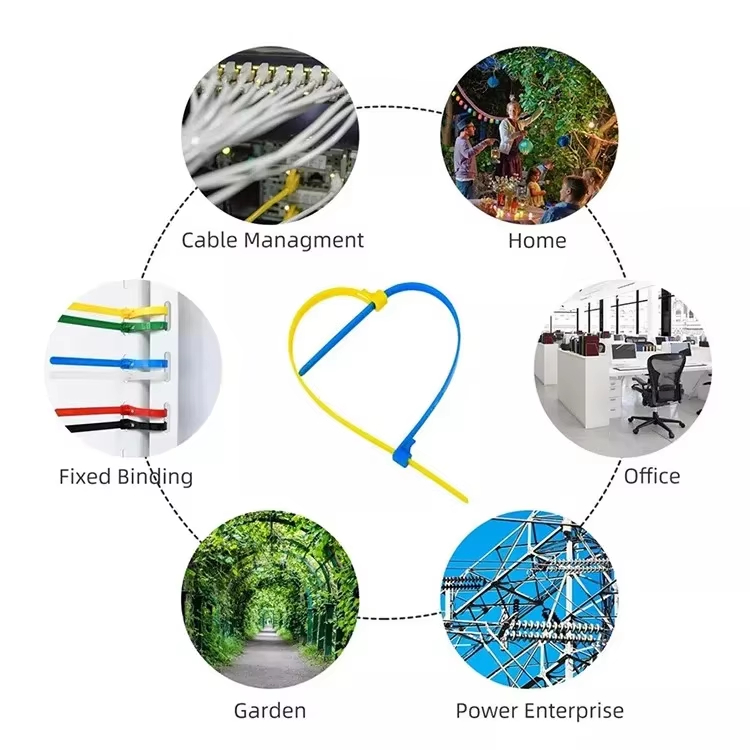
Key Applications Across Industries
The versatility of the 尼龍扎線帶 has made it a standard component in numerous sectors.
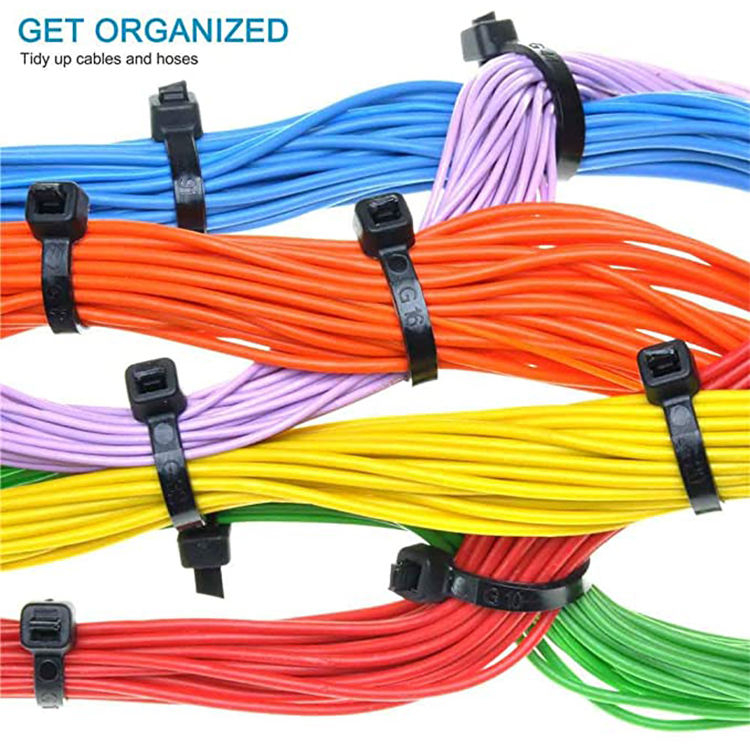
- Electrical and Electronic Servicing: The most common application is bundling and organizing wires in electrical panels, servers, and home entertainment systems. Color-coded ties are often used for identifying different circuits.
- Automotive and Aerospace: Secures wiring harnesses, hoses, and cables under the hood and throughout the vehicle or aircraft interior, where vibration resistance is critical.
- Industrial Machinery: Used to bundle cables and hoses in switchgear, solar PV arrays, and other heavy-duty machinery, often requiring UV-stabilized ties for outdoor exposure.
- Construction and Telecommunications: Secures cables along cable trays and within building infrastructures, and organizes fiber optic or communication lines in telecom cabinets.
- Food and Pharmaceutical Industries: Special detectable cable ties, designed with metal additives, are used in these industries to comply with HACCP food safety protocols, ensuring that any broken piece can be easily detected.
- Consumer and DIY: From organizing computer cables to securing a garden hose or winterizing pipes, the uses for zip ties in everyday settings are virtually limitless.
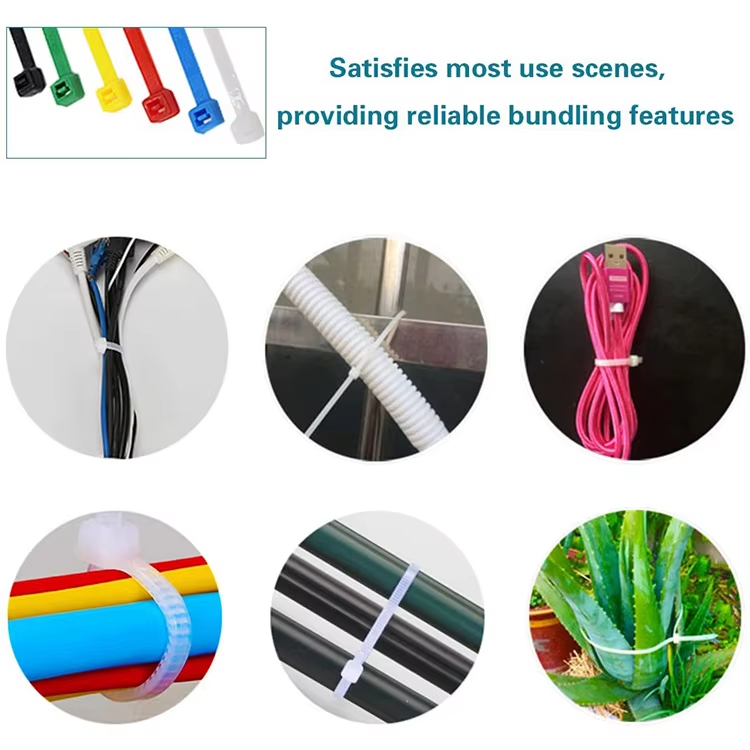
Outdoor and UV-Resistant Variants
While standard nylon ties are suitable for indoor applications, exposure to sunlight will cause standard nylon to degrade over time. For outdoor use, it is essential to select UV-resistant (often black) nylon cable ties. These ties are manufactured with special stabilizers that block ultraviolet radiation, preventing the material from becoming brittle and losing its tensile strength. Many UV-resistant ties are also rated for higher continuous operating temperatures (up to +105°C), making them ideal for demanding outdoor applications in industries like telecommunications, solar energy, and marine engineering.
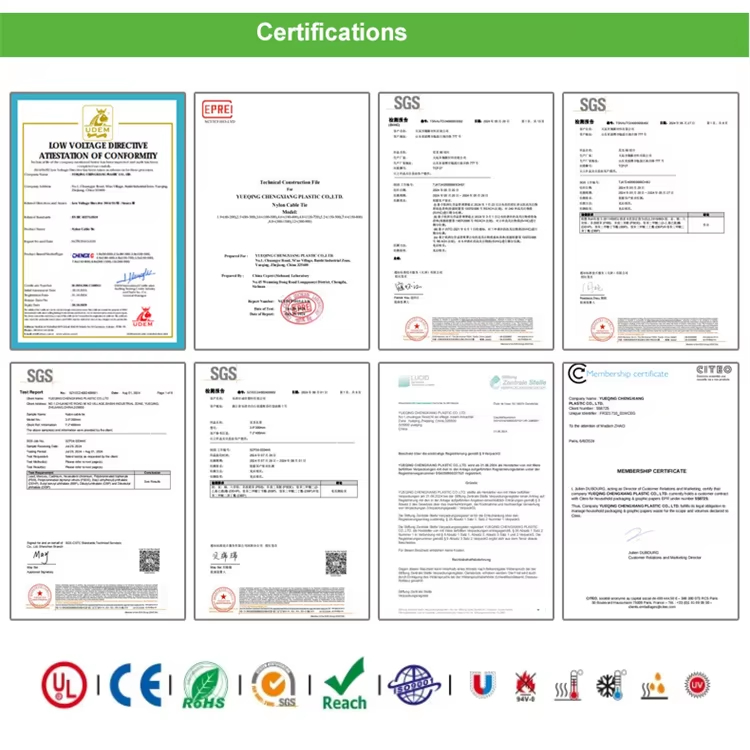
Quality, Standards, and Certifications
When sourcing nylon cable ties, quality assurance is paramount. Reputable manufacturers ensure their products meet rigorous international standards.
- UL (Underwriters Laboratories): Look for UL approval, which signifies that the nylon 66 material meets strict safety and performance standards, including UL 94V-2 flame resistance.
- CE Marking: Indicates conformity with health, safety, and environmental protection standards for products sold within the European Economic Area. The reference product is CE certified.
- RoHS (Restriction of Hazardous Substances): RoHS compliance ensures that the cable ties are free from hazardous materials like lead and mercury, making them safe for use in electronic equipment. The reference product is RoHS certified.
- Tensile Strength Testing: High-quality ties are subjected to rigorous loop tensile strength tests to guarantee they will meet or exceed the specified holding force (e.g., 8kg, 18kg, 22kg).
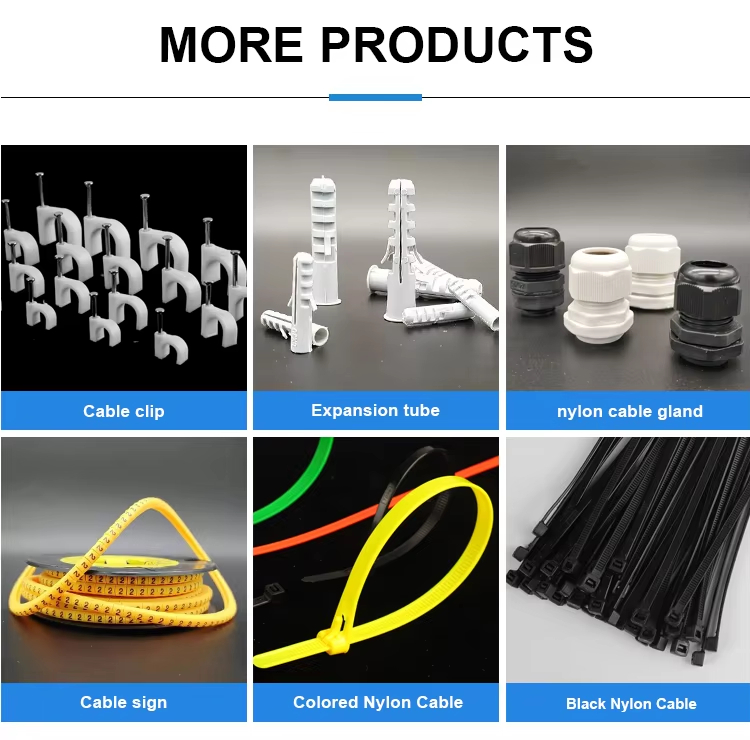
客製化選項
Beyond standard sizes and colors, nylon cable ties can be highly customized to meet specific branding, identification, or functional requirements.
| 自訂類型 | 說明 | 應用 |
|---|---|---|
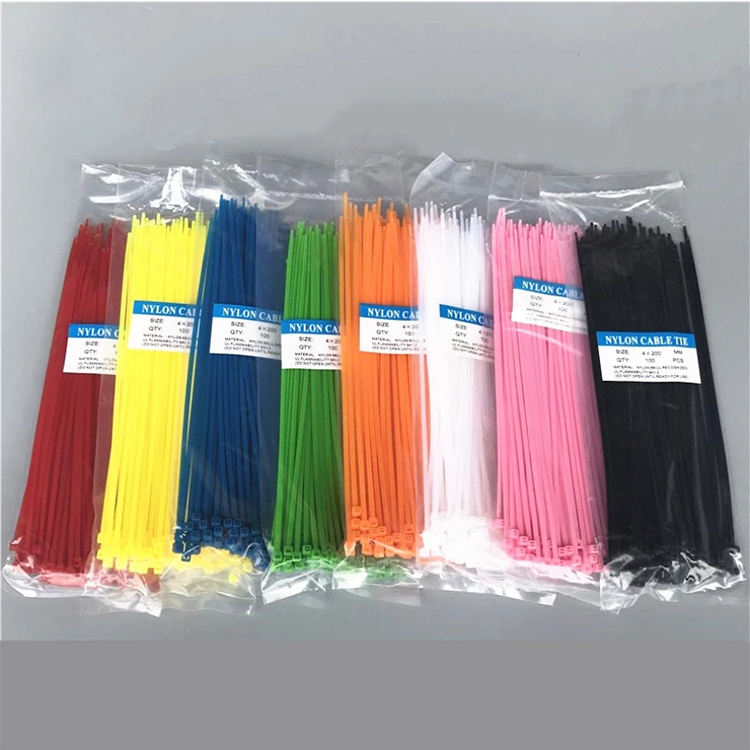
| Color Coding | Ties can be produced in a wide array of RAL or custom colors for identification purposes. | Color-coding different electrical circuits, identifying production lines, or brand matching. |
| Custom Logo Printing | Companies can have their logo or part number printed directly onto the cable tie head. | Brand recognition, OEM identification, and part traceability in large projects. |
| Special Materials | For demanding environments, choose from UV-resistant nylon, high-heat nylon, or even metal detectable nylon for food processing applications. | Outdoor solar installations, high-temp engine compartments, and food/pharmaceutical safety. |
| 自訂包裝 | Cable ties can be packed in specific quantities (e.g., 100, 500, or 1000 pieces per bag) or with custom-designed retail packaging. | Wholesale distribution, inventory management, and retail shelf presentation. |
Manufacturing Process: Injection Molding
Nylon cable ties are manufactured efficiently and economically through a high-speed 注塑 process. High-quality nylon 66 pellets are melted and injected under high pressure into a precision-machined mold cavity that defines the shape of the head, the strap, and the teeth. Once cooled and solidified, the finished tie is ejected from the mold. This process is highly automated, allowing for the rapid, consistent, and cost-effective production of millions of ties, ensuring uniform quality across each batch.
FAQ: Nylon Cable Tie
Q1: What is the difference between a standard nylon tie and a UV-resistant one?
A: Standard nylon ties are for indoor use. UV-resistant ties are specially formulated to withstand prolonged sunlight exposure, making them essential for outdoor applications to prevent cracking and failure.
Q2: Can nylon cable ties be reused?
A: Standard ties are designed for single use. However, releasable cable ties with a special locking mechanism are available and can be unlocked and reused multiple times with a small tool.
Q3: How do I choose the right size cable tie?
A: First, measure the diameter of the bundle you need to secure. Then, select a tie with a maximum bundle diameter that is larger than your measurement. Finally, ensure the tie’s width and tensile strength are appropriate for the weight and securing force required.
Q4: Are nylon cable ties heat resistant?
A: Yes. Standard nylon cable ties typically operate in temperatures ranging from -40°C to +85°C. Special high-temperature variants are available that can withstand continuous exposure up to +105°C or higher.
Q5: Can I get cable ties in colors other than black or natural?
A: Yes. Many manufacturers offer custom color options, including standard RAL colors, for color-coding purposes. Custom colors can be matched for brand identity or specific application needs.
Q6: What does the UL 94V-2 rating mean?
A: UL 94V-2 is a standard for flammability. A V-2 rating means the material is self-extinguishing and will stop burning within 30 seconds, preventing the spread of fire in electrical applications.
Q7: Are your nylon cable ties RoHS compliant?
A: Yes, our nylon cable ties are RoHS compliant, ensuring they are free from hazardous substances like lead and mercury, making them safe for use in a wide range of electronic and electrical equipment.
總結
的 尼龍扎線帶 is a testament to simple, effective engineering. Its strength, durability, and versatility make it an irreplaceable tool for professionals and hobbyists alike. By understanding the material properties, available sizes, and critical quality certifications, you can select the perfect tie for your next project.
Ready to source high-quality nylon cable ties for your business? Contact our team today for competitive pricing and custom solutions. For information on our other manufacturing capabilities, visit our 注塑 和 材料選擇中心 pages.
常見問題
How do you know whether Nylon Cable Tie: The Reliable Fastener for Cable Management and More fits a part?
Nylon Cable Tie: The Reliable Fastener for Cable Management and More fits a part when its load capacity, temperature range, moisture exposure, wear behavior, and processing method match the real service conditions.
What properties should be checked for Nylon Cable Tie: The Reliable Fastener for Cable Management and More?
Check strength, stiffness, impact resistance, heat resistance, moisture absorption, dimensional stability, friction, wear, and chemical compatibility.
What is the biggest selection risk for Nylon Cable Tie: The Reliable Fastener for Cable Management and More?
The biggest risk is choosing from a datasheet value without considering actual environment, processing method, part geometry, and long-term use.
When should Nylon Cable Tie: The Reliable Fastener for Cable Management and More be tested before production?
Testing is recommended when the part faces load, heat, chemicals, moisture, tight tolerances, regulatory requirements, or a new operating environment.


 English
 Dutch
Dutch German
 French
 Korean
 Russian
 Japanese
 Spanish
 Vietnamese
 Chinese
 Portuguese
 Arabic