Glass Fiber vs Carbon Fiber vs Steel — Which Material Is Right for Your Structural Application?

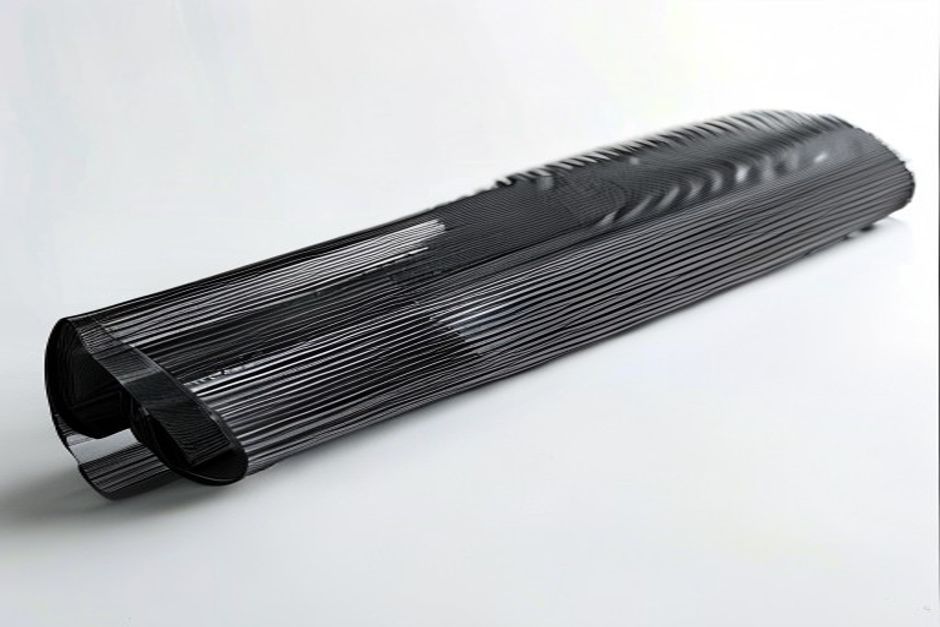
Carbon fiber vs glass fiber composites lightweight engineering - Nylonplastic composite materials

Glass Fiber vs Carbon Fiber vs Steel — Which Material Is Right for You

Material Comparison Overview

Selecting structural materials requires balancing strength, weight, cost, and manufacturing considerations.

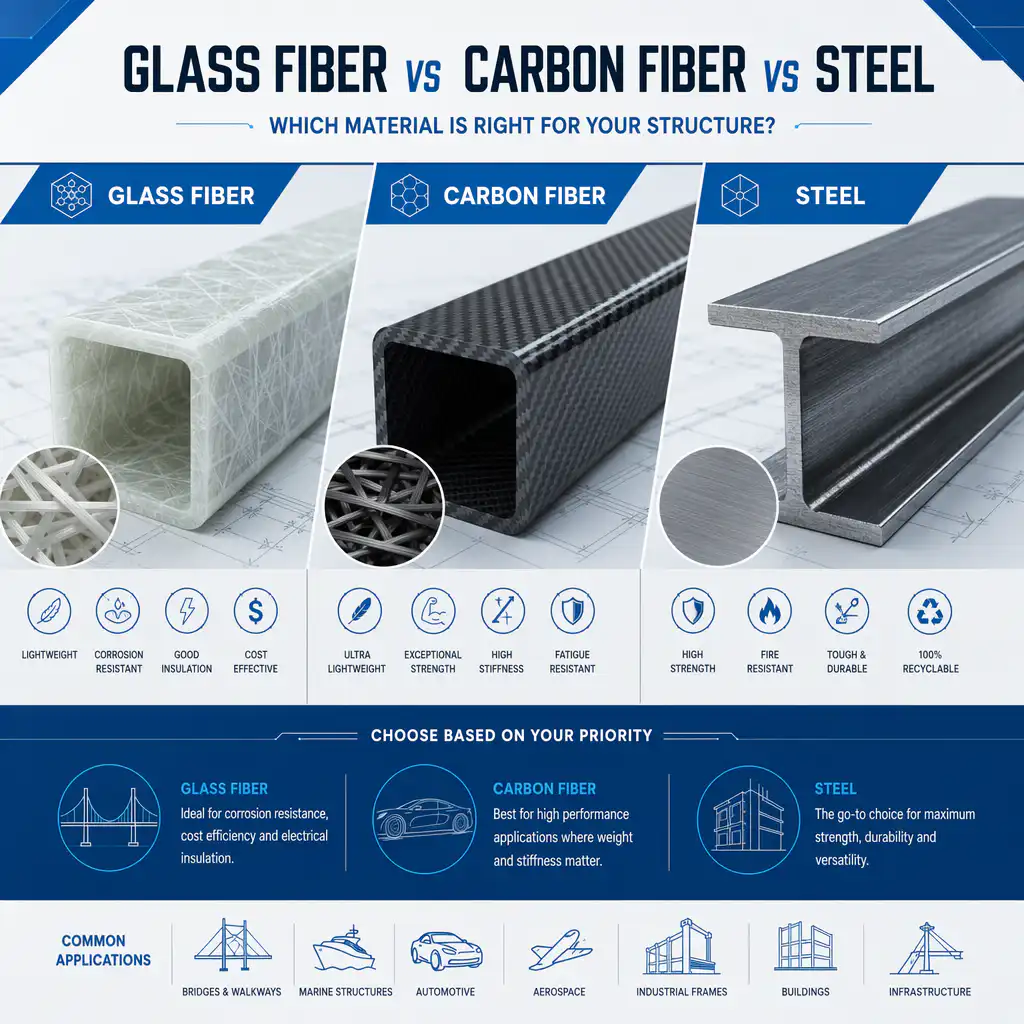
Glass Fiber Reinforced Plastics

  • Cost: Lowest of reinforced plastics
  • Strength: Good tensile and compressive strength
  • Weight: ~40% lighter than steel
  • Best for: Cost-sensitive structural parts

Carbon Fiber Reinforced Plastics

  • Cost: Higher than glass fiber
  • Strength: Superior strength-to-weight ratio
  • Weight: ~60% lighter than steel
  • Best for: High-performance lightweight applications

Thép

  • Cost: Low material cost, higher processing cost
  • Strength: High absolute strength
  • Weight: Heavier than composites
  • Best for: High-load applications, cost-sensitive projects

Selection Matrix

Consider: load requirements, budget, weight limits, production volume, and manufacturing method.

Câu hỏi thường gặp

How should buyers evaluate Glass Fiber vs Carbon Fiber vs Steel — Which Material Is Right for Your Structural Application??

Glass Fiber vs Carbon Fiber vs Steel — Which Material Is Right for Your Structural Application? should be evaluated by matching strength, corrosion resistance, heat exposure, machinability, finishing requirements, and certification needs to the operating environment.

What properties matter most for Glass Fiber vs Carbon Fiber vs Steel — Which Material Is Right for Your Structural Application??

Các tính chất quan trọng nhất thường bao gồm độ bền, độ cứng, độ dẻo, khả năng chống ăn mòn, tính chất nhiệt, khả năng gia công và khả năng tương thích với các phương pháp xử lý bề mặt.

Những thông tin nào giúp lựa chọn loại kim loại phù hợp?

Tải trọng ứng dụng, môi trường, nhiệt độ, vật liệu tiếp xúc, yêu cầu về bề mặt, quy trình sản xuất và các tiêu chuẩn áp dụng đều góp phần thu hẹp phạm vi lựa chọn loại thép.

What is a common mistake when choosing Glass Fiber vs Carbon Fiber vs Steel — Which Material Is Right for Your Structural Application??

Một sai lầm thường gặp là chỉ dựa vào độ bền để lựa chọn mà bỏ qua các yếu tố như ăn mòn, gia công dập, gia công cơ khí, hàn, hoàn thiện bề mặt hoặc điều kiện sử dụng lâu dài.

Hãy cùng chúng tôi tạo ra giải pháp tùy chỉnh dành riêng cho bạn.

Trường này là bắt buộc.

Để lại bình luận

Email của bạn sẽ không được hiển thị công khai. Các trường bắt buộc được đánh dấu *

Cuộn lên đầu trang