Glass Fiber vs Carbon Fiber vs Steel — Which Material Is Right for Your Structural Application?

Carbon fiber vs glass fiber composites lightweight engineering - Nylonplastic composite materials

Glass Fiber vs Carbon Fiber vs Steel — Which Material Is Right for You

Material Comparison Overview

Selecting structural materials requires balancing strength, weight, cost, and manufacturing considerations.

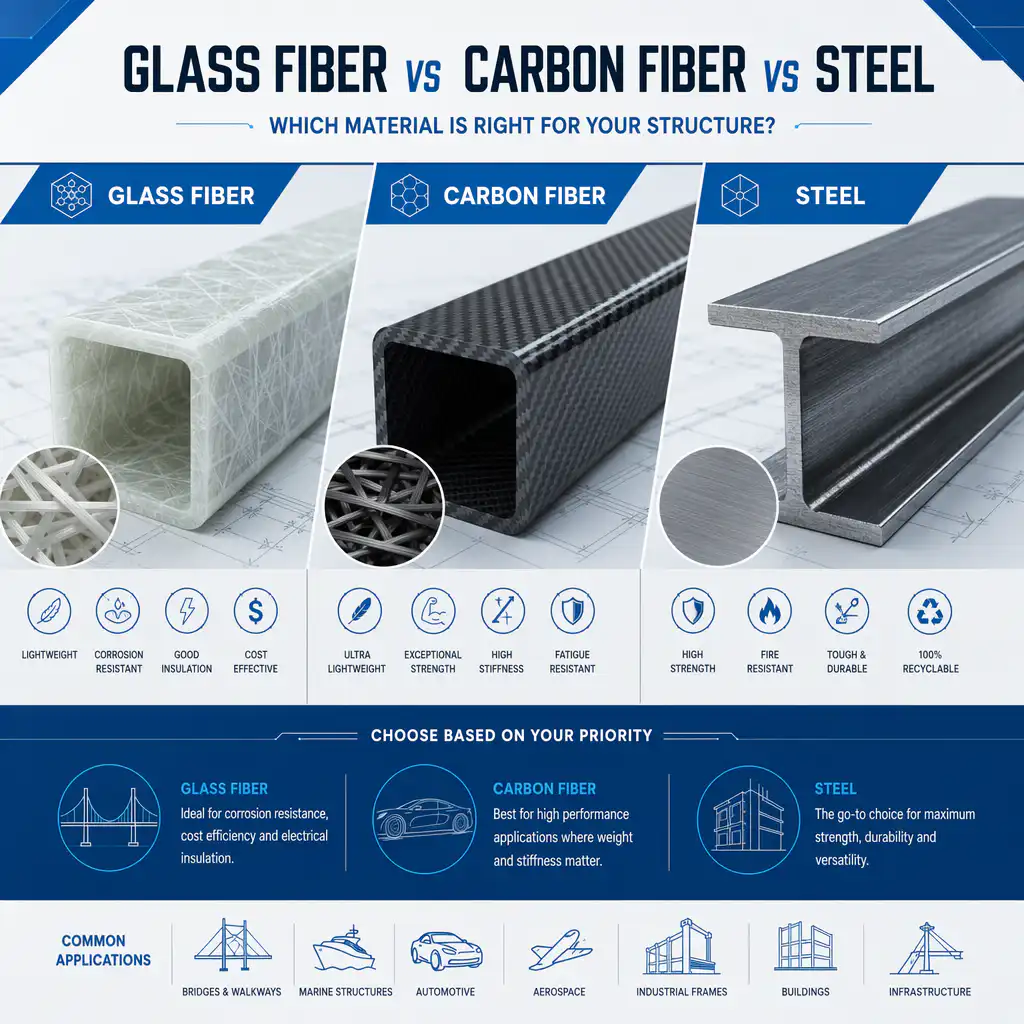
Glass Fiber Reinforced Plastics

  • Cost: Lowest of reinforced plastics
  • Strength: Good tensile and compressive strength
  • Weight: ~40% lighter than steel
  • Best for: Cost-sensitive structural parts

Carbon Fiber Reinforced Plastics

  • Cost: Higher than glass fiber
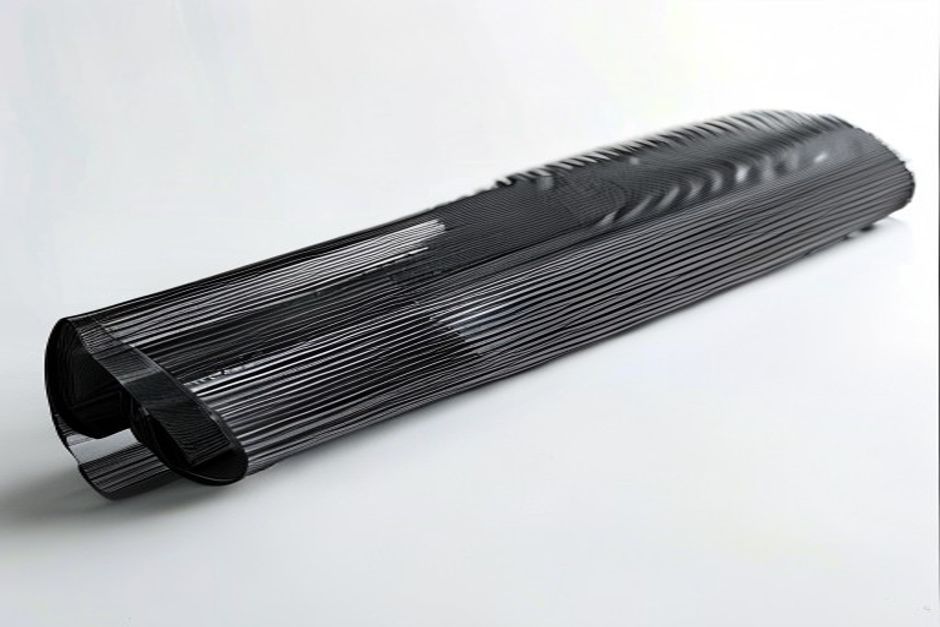
  • Strength: Superior strength-to-weight ratio
  • Weight: ~60% lighter than steel
  • Best for: High-performance lightweight applications

Aço

  • Cost: Low material cost, higher processing cost
  • Strength: High absolute strength
  • Weight: Heavier than composites
  • Best for: High-load applications, cost-sensitive projects

Selection Matrix

Consider: load requirements, budget, weight limits, production volume, and manufacturing method.

FAQ

How should buyers evaluate Glass Fiber vs Carbon Fiber vs Steel — Which Material Is Right for Your Structural Application??

Glass Fiber vs Carbon Fiber vs Steel — Which Material Is Right for Your Structural Application? should be evaluated by matching strength, corrosion resistance, heat exposure, machinability, finishing requirements, and certification needs to the operating environment.

What properties matter most for Glass Fiber vs Carbon Fiber vs Steel — Which Material Is Right for Your Structural Application??

As propriedades mais importantes incluem normalmente a resistência, a dureza, a ductilidade, a resistência à corrosão, o comportamento térmico, a maquinabilidade e a compatibilidade do tratamento de superfície.

Que informações ajudam a selecionar o tipo de metal adequado?

A carga de aplicação, o ambiente, a temperatura, os materiais de contacto, o acabamento necessário, o processo de produção e as normas aplicáveis ajudam a restringir a escolha da qualidade.

What is a common mistake when choosing Glass Fiber vs Carbon Fiber vs Steel — Which Material Is Right for Your Structural Application??

Um erro comum é escolher apenas pela resistência, ignorando a corrosão, a conformação, a maquinagem, a soldadura, o acabamento ou as condições de serviço a longo prazo.

Vamos criar a sua solução personalizada

Este campo é obrigatório.

Deixar um comentário

O seu endereço de email não será publicado. Campos obrigatórios marcados com *

Deslocar para o topo