
What is Insert Molding?
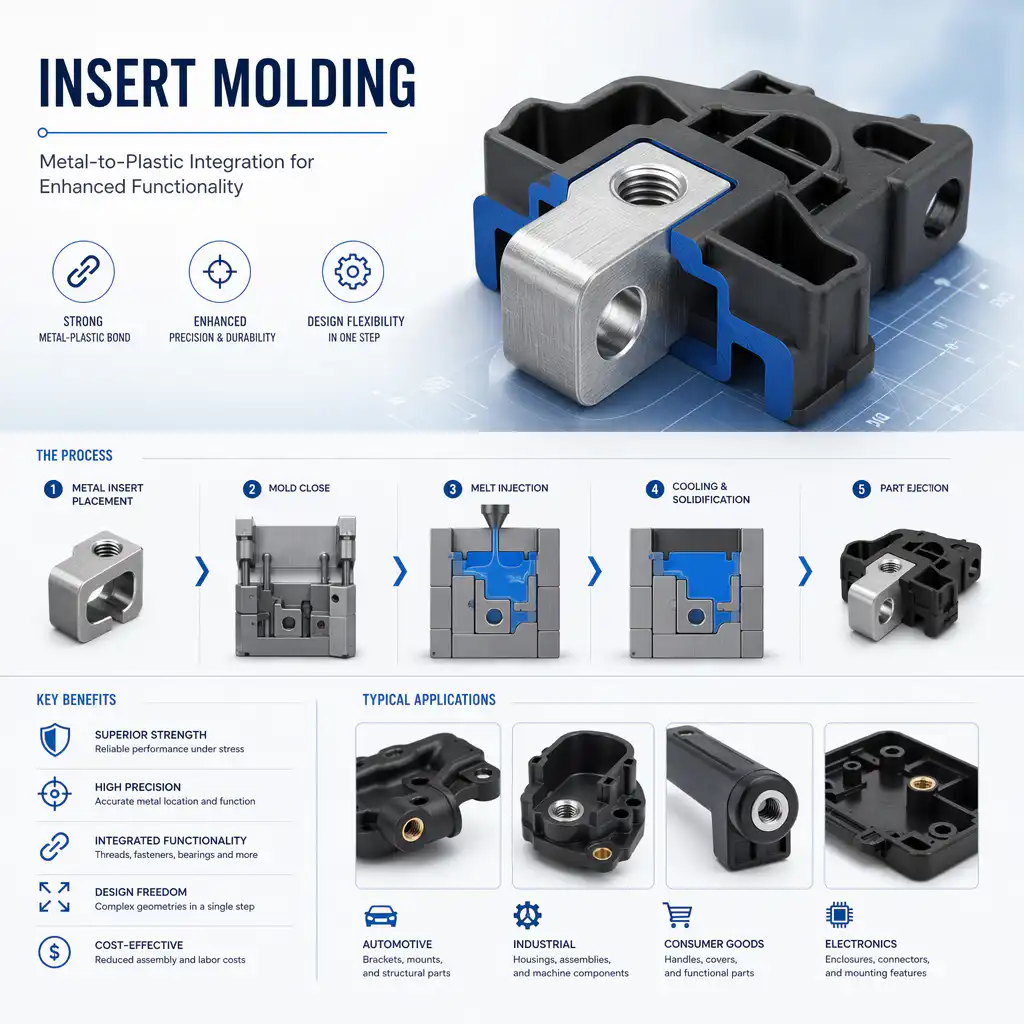
Insert molding is a process where pre-formed components (typically metal inserts) are placed into a mold before injection. The molten plastic surrounds the insert, creating a single integrated part.
常見應用
- Electrical connectors: Metal terminals encapsulated in plastic housings
- Threaded inserts: Metal nuts and bolts molded into plastic parts
- Medical devices: Metal components in disposable surgical tools
- 汽車: Electrical connectors, sensor housings
- Consumer products: Knobs, handles with metal reinforcement
Types of Inserts
Threaded Inserts
- Helical coil inserts
- Ultrasonic inserts (post-molded)
- Molded-in threaded inserts
Electrical Contacts
- Pin connectors
- Socket contacts
- Terminal blocks
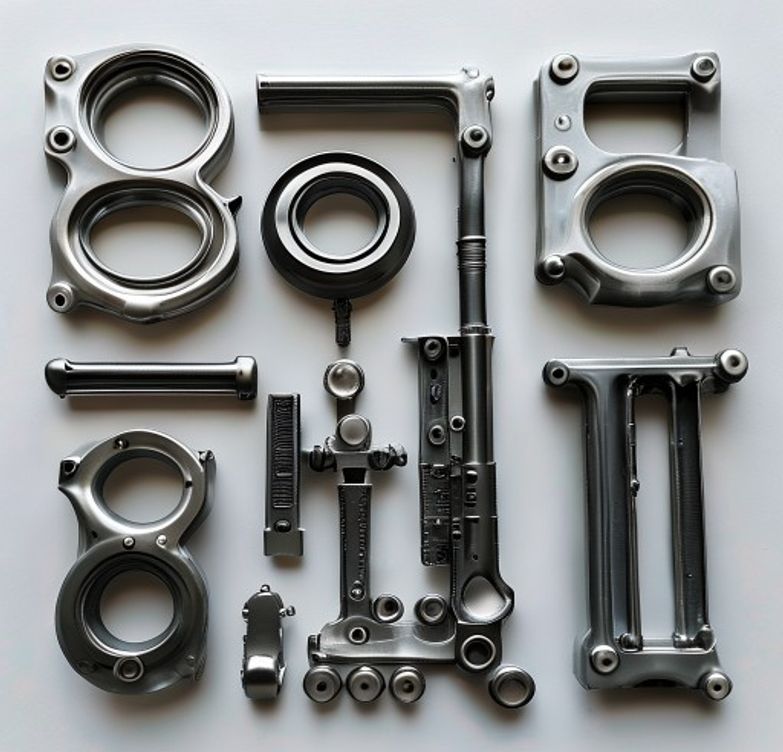
Structural Components
- Metal brackets
- Reinforcement plates
- Bushings and bearings
Design Guidelines
Process Considerations
Insert Loading
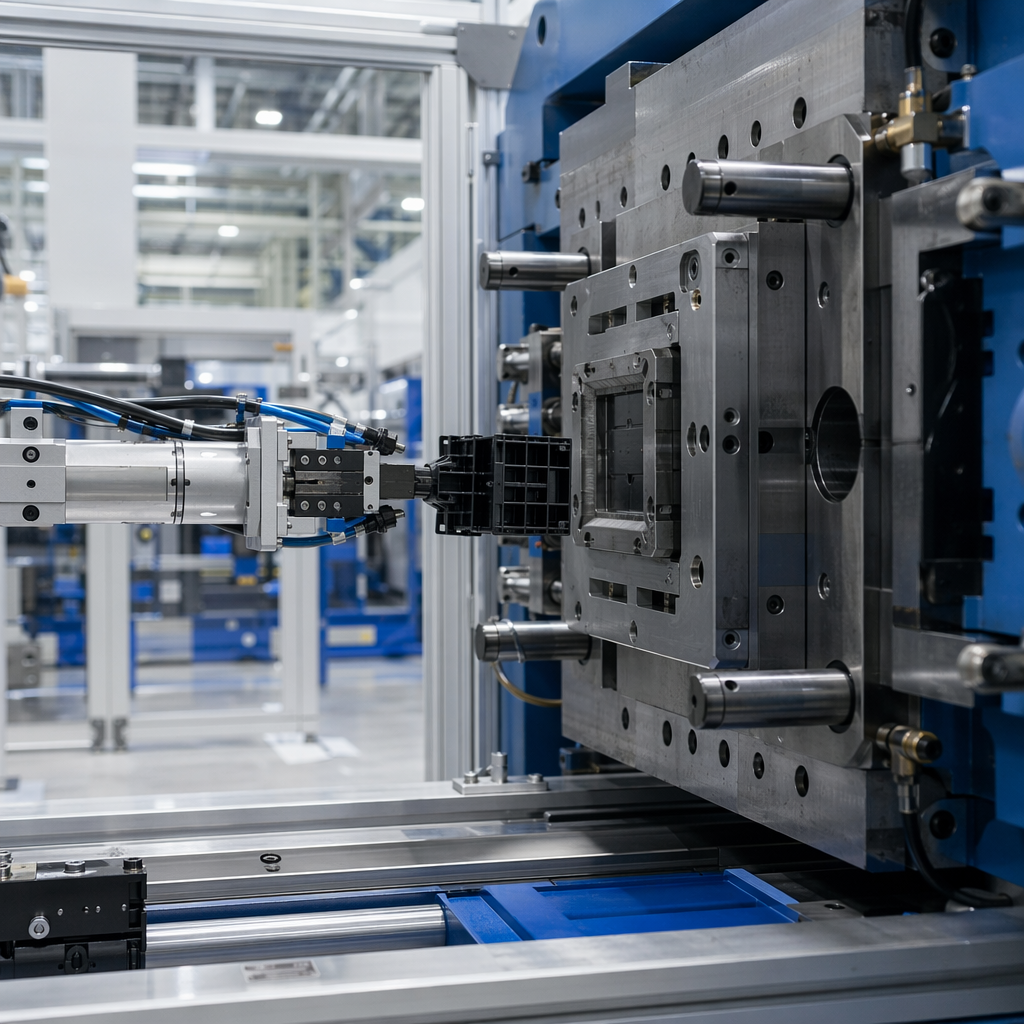
- Manual: Operator places inserts — lower cost, flexible
- Automated: Robot or feeder — higher consistency, faster cycle
Insert Temperature
- Pre-heating inserts improves bonding
- Reduces thermal shock and stress
- Typical pre-heat: 80-120°C depending on material
Holding and Positioning
- Inserts must be held firmly during injection
- Pressure can displace loosely held inserts
- Design proper retention features
Quality Considerations
- Verify insert position after molding
- Check for plastic flash on insert surfaces
- Test pull-out strength for threaded inserts
- Inspect for cracking around inserts
Advantages of Insert Molding
- Eliminates secondary assembly operations
- Creates permanent metal-to-plastic bond
- Improves part strength and durability
- Enables complex multi-material functionality
- Reduces total part count and assembly cost
總結
Insert molding combines the benefits of metal and plastic in a single integrated component. Proper design of inserts, mold, and process ensures reliable, high-quality results.
相關資源
常見問題
When does Insert Molding — Metal-to-Plastic Integration for Enhanced Functionality make sense?
Insert Molding — Metal-to-Plastic Integration for Enhanced Functionality makes sense when the part volume, material choice, geometry, and repeatability needs justify mold design and tooling investment.
What design factors matter most for Insert Molding — Metal-to-Plastic Integration for Enhanced Functionality?
Wall thickness, ribs, bosses, draft angle, gate location, shrinkage, parting line, and ejection all affect molded part quality.
What information is needed before mold production?
The supplier should confirm the 3D model, material, expected annual volume, appearance requirements, tolerance needs, and any assembly or functional testing requirements.
What is the biggest risk in Insert Molding — Metal-to-Plastic Integration for Enhanced Functionality?
The biggest risk is approving tooling before material behavior, shrinkage, flow, and part function are fully checked against the real application.

 English
 Dutch
Dutch German
 French
 Korean
 Russian
 Japanese
 Spanish
 Vietnamese
 Chinese
 Portuguese
 Arabic