Choosing between nylon, POM, polycarbonate, and PEEK can be challenging. Each of these engineering plastics offers a unique combination of properties, costs, and processing characteristics.
The Four Major Engineering Plastics at a Glance
| Eigentum | Nylon (PA6) | POM (Acetal) | PC | PEEK |
|---|---|---|---|---|
| Strength (MPa) | 70-85 | 60-70 | 55-75 | 90-100 |
| Max Use Temp (°C) | 100 | 100 | 120 | 250 |
| Chemische Beständigkeit | Gut | Ausgezeichnet | Poor | Outstanding |
| Feuchtigkeitsabsorption | Hoch | Sehr niedrig | Sehr niedrig | Sehr niedrig |
| Relative Kosten | $$ | $$$ | $$$ | $$$$$$$$$ |
Nylon: The All-Round Workhorse
Best For: General engineering applications, parts requiring toughness and fatigue resistance, oil/hydrocarbon exposure, cost-sensitive projects.
Watch Out For: Moisture absorption causing dimensional changes, property variation with humidity, acid exposure.
POM (Acetal): The Precision Specialist
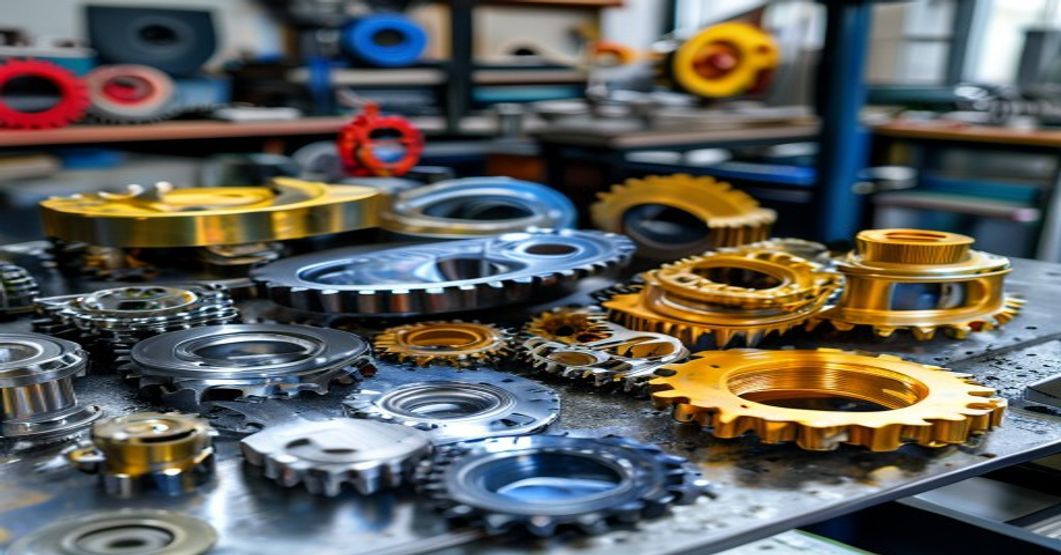
Best For: Precision mechanical components (gears, bearings), dimensional stability in varying humidity, low-friction sliding components.
Watch Out For: Limited impact resistance, formaldehyde degradation if overheated, poor adhesion.
Polycarbonate: The Impact Champion
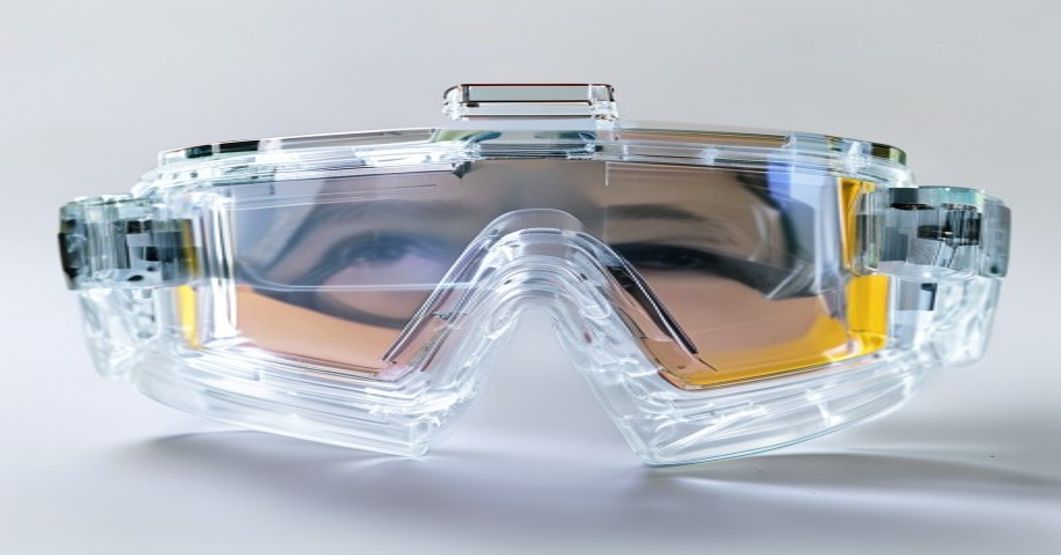
Best For: Optical clarity applications, exceptional impact resistance, electrical enclosures, safety equipment.
Watch Out For: Very poor chemical resistance, environmental stress cracking, UV degradation without stabilizers.
PEEK: The High-Performance Specialist
Best For: Extreme temperatures (up to 250°C), aggressive chemical environments, aerospace and medical implants.
Watch Out For: Extremely high cost (10-20x nylon), high processing temperatures (350-400°C), requires specialized equipment.
Decision Matrix
| If Your Priority Is… | Best Choice | Second Choice |
|---|---|---|
| Lowest Cost | Nylon | PC |
| Highest Strength | PEEK | Nylon GF30 |
| Chemische Beständigkeit | PEEK | POM |
| Wear Resistance | POM | Nylon |
| Schlagzähigkeit | PC | Nylon |
| Dimensionsstabilität | POM | PEEK |
Unser Leistungsvermögen
Mit über 300 CNC-Maschinen, produzieren wir mehr als 10.000 Stück täglich mit so engen Toleranzen wie ±0,005 mm. Wir akzeptieren MOQ ab 1 Stück, mit Lieferzeiten von 24 Stunden bis 15 Tage. We work with all four engineering plastics. Erhalten Sie innerhalb von 24 Stunden ein Angebot.
FAQ
When is Engineering Plastics Selection Guide: Nylon, POM, PC, and PEEK Applications Compared a good option?
Engineering Plastics Selection Guide: Nylon, POM, PC, and PEEK Applications Compared is a good option when fast iteration, complex geometry, low tooling cost, or low-volume production is more important than molded-part unit cost.
What should be checked before choosing Engineering Plastics Selection Guide: Nylon, POM, PC, and PEEK Applications Compared?
Prüfen Sie die Größe des Teils, die Materialeigenschaften, die Oberflächenbeschaffenheit, die Maßtoleranz, die Wärmeeinwirkung, die Belastungsrichtung und ob eine Nachbearbeitung erforderlich ist.
How does Engineering Plastics Selection Guide: Nylon, POM, PC, and PEEK Applications Compared compare with CNC machining?
Mit dem 3D-Druck lassen sich komplexe Formen schnell erstellen, während die CNC-Bearbeitung für präzise Oberflächen, engere Toleranzen und serienreife Materialien oft besser geeignet ist.
What affects the cost of Engineering Plastics Selection Guide: Nylon, POM, PC, and PEEK Applications Compared?
Die Kosten hängen vom Material, dem Bauvolumen, der Druckzeit, der Schichthöhe, der Entfernung von Stützen, der Endbearbeitung, der Prüfung und der Anzahl der Teile im Bau ab.