Choosing between nylon, POM, polycarbonate, and PEEK can be challenging. Each of these engineering plastics offers a unique combination of properties, costs, and processing characteristics.
The Four Major Engineering Plastics at a Glance
| Propriété | Nylon (PA6) | POM (acétal) | PC | PEEK |
|---|---|---|---|---|
| Strength (MPa) | 70-85 | 60-70 | 55-75 | 90-100 |
| Max Use Temp (°C) | 100 | 100 | 120 | 250 |
| Résistance chimique | Bon | Excellent | Pauvre | Outstanding |
| Absorption de l'humidité | Haut | Très faible | Très faible | Très faible |
| Coût relatif | $$ | $$$ | $$$ | $$$$$$$$$ |
Nylon: The All-Round Workhorse
Best For: General engineering applications, parts requiring toughness and fatigue resistance, oil/hydrocarbon exposure, cost-sensitive projects.
Watch Out For: Moisture absorption causing dimensional changes, property variation with humidity, acid exposure.
POM (Acetal): The Precision Specialist
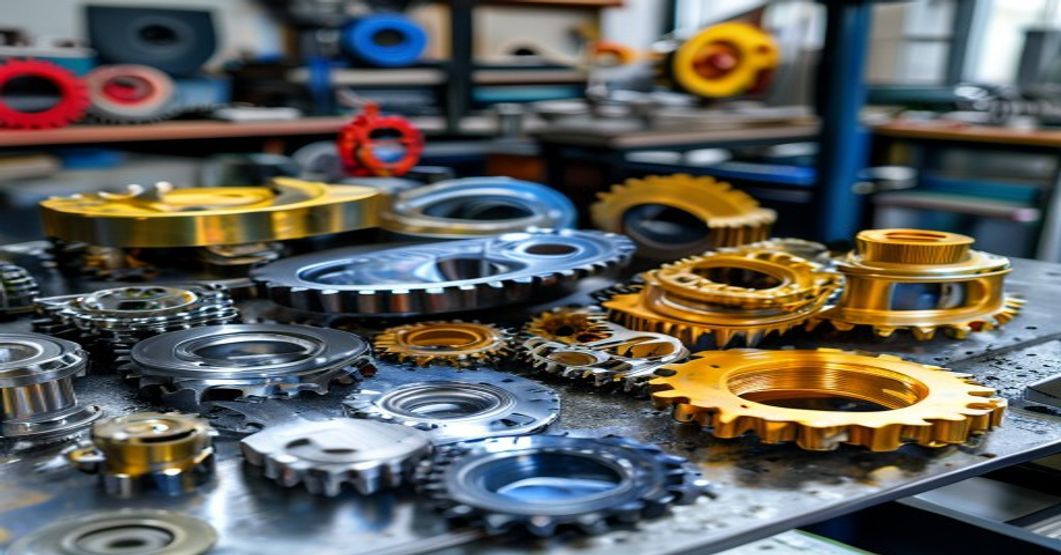
Best For: Precision mechanical components (gears, bearings), dimensional stability in varying humidity, low-friction sliding components.
Watch Out For: Limited impact resistance, formaldehyde degradation if overheated, poor adhesion.
Polycarbonate: The Impact Champion
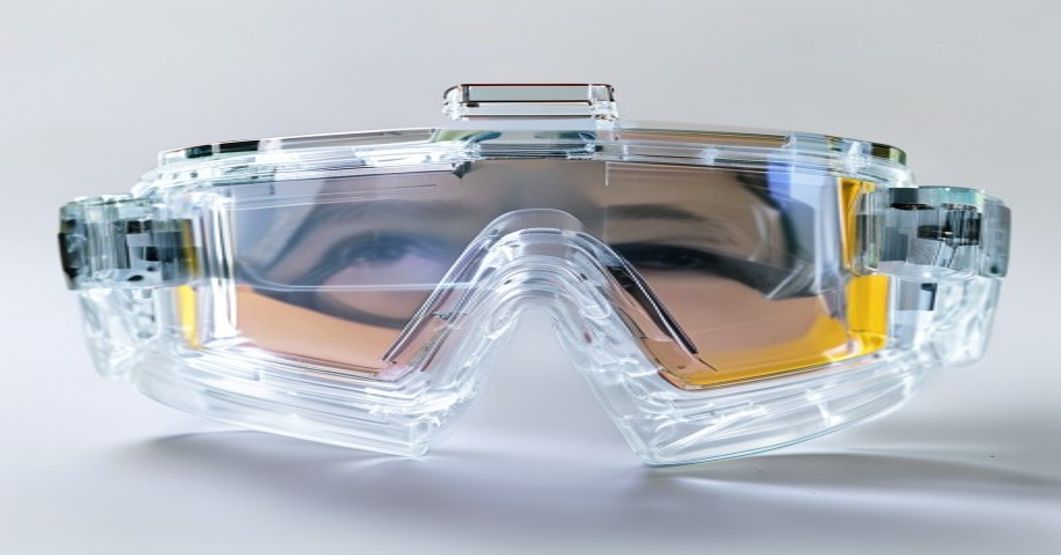
Best For: Optical clarity applications, exceptional impact resistance, electrical enclosures, safety equipment.
Watch Out For: Very poor chemical resistance, environmental stress cracking, UV degradation without stabilizers.
PEEK: The High-Performance Specialist
Best For: Extreme temperatures (up to 250°C), aggressive chemical environments, aerospace and medical implants.
Watch Out For: Extremely high cost (10-20x nylon), high processing temperatures (350-400°C), requires specialized equipment.
Decision Matrix
| If Your Priority Is… | Best Choice | Second Choice |
|---|---|---|
| Lowest Cost | Nylon | PC |
| Highest Strength | PEEK | Nylon GF30 |
| Résistance chimique | PEEK | POM |
| Wear Resistance | POM | Nylon |
| Résistance aux chocs | PC | Nylon |
| Stabilité dimensionnelle | POM | PEEK |
Our Capabilities
With over 300 CNC machines, we produce more than 10,000 pieces daily with tolerances as tight as ±0.005mm. We accept MOQ from 1 piece, with delivery times ranging from 24 hours to 15 days. We work with all four engineering plastics. Get a quote within 24 hours.
FAQ
When is Engineering Plastics Selection Guide: Nylon, POM, PC, and PEEK Applications Compared a good option?
Engineering Plastics Selection Guide: Nylon, POM, PC, and PEEK Applications Compared is a good option when fast iteration, complex geometry, low tooling cost, or low-volume production is more important than molded-part unit cost.
What should be checked before choosing Engineering Plastics Selection Guide: Nylon, POM, PC, and PEEK Applications Compared?
Vérifier la taille de la pièce, les propriétés du matériau, l'état de surface, la tolérance dimensionnelle, l'exposition à la chaleur, la direction de la charge et la nécessité d'un post-traitement.
How does Engineering Plastics Selection Guide: Nylon, POM, PC, and PEEK Applications Compared compare with CNC machining?
L'impression 3D permet de créer rapidement des formes complexes, tandis que l'usinage CNC est souvent plus performant pour les surfaces précises, les tolérances plus étroites et les matériaux de qualité.
What affects the cost of Engineering Plastics Selection Guide: Nylon, POM, PC, and PEEK Applications Compared?
Le coût dépend du matériau, du volume de construction, du temps d'impression, de la hauteur des couches, de l'enlèvement du support, de la finition, de l'inspection et du nombre de pièces dans la construction.