Choosing between nylon, POM, polycarbonate, and PEEK can be challenging. Each of these engineering plastics offers a unique combination of properties, costs, and processing characteristics.
The Four Major Engineering Plastics at a Glance
| Property | Nylon (PA6) | POM (Acetal) | PC | PEEK |
|---|---|---|---|---|
| Strength (MPa) | 70-85 | 60-70 | 55-75 | 90-100 |
| Max Use Temp (°C) | 100 | 100 | 120 | 250 |
| Chemical Resistance | Good | Excellent | Poor | Outstanding |
| Moisture Absorption | High | Very Low | Very Low | Very Low |
| Relative Cost | $$ | $$$ | $$$ | $$$$$$$$$ |
Nylon: The All-Round Workhorse
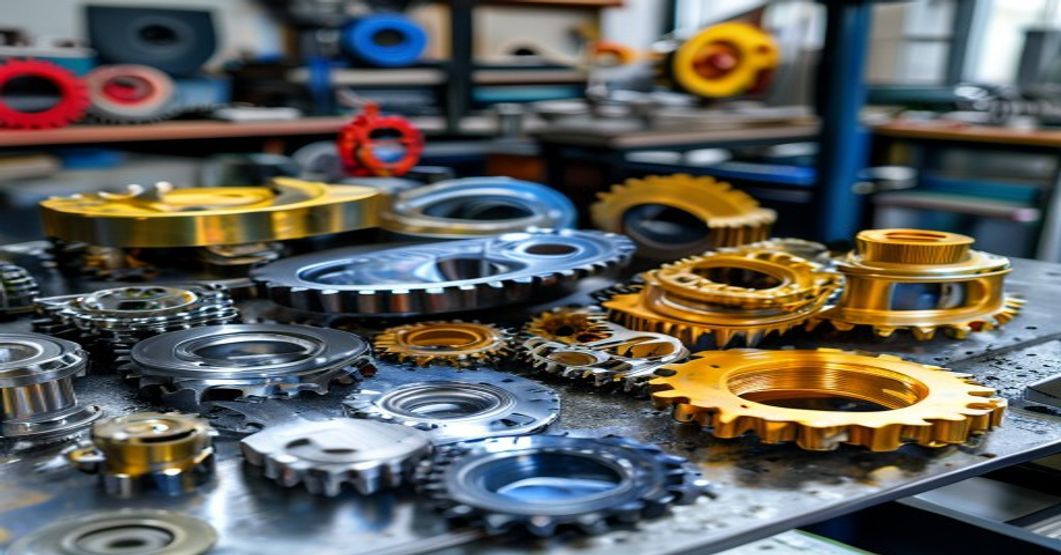
Best For: General engineering applications, parts requiring toughness and fatigue resistance, oil/hydrocarbon exposure, cost-sensitive projects.
Watch Out For: Moisture absorption causing dimensional changes, property variation with humidity, acid exposure.
POM (Acetal): The Precision Specialist
Best For: Precision mechanical components (gears, bearings), dimensional stability in varying humidity, low-friction sliding components.
Watch Out For: Limited impact resistance, formaldehyde degradation if overheated, poor adhesion.
Polycarbonate: The Impact Champion
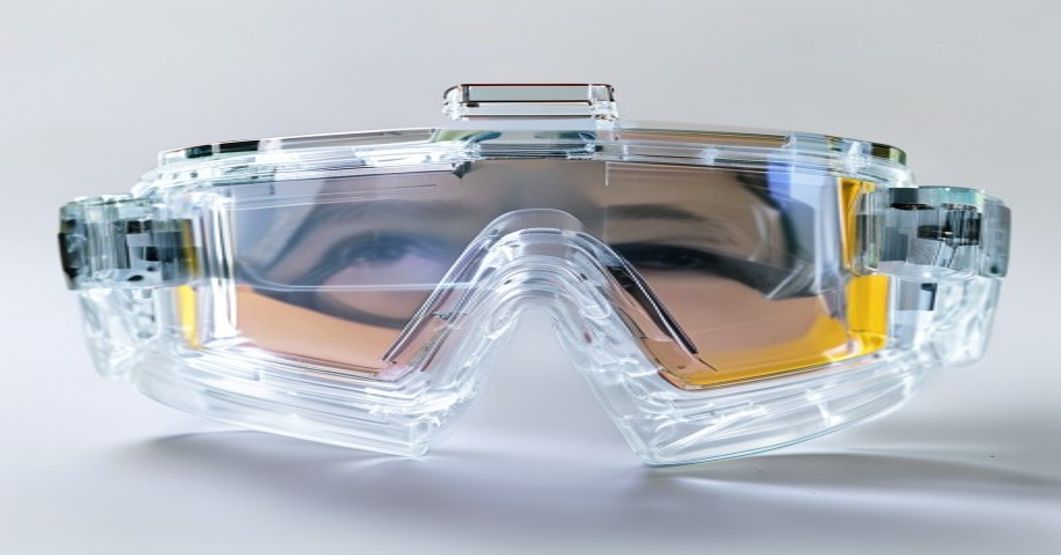
Best For: Optical clarity applications, exceptional impact resistance, electrical enclosures, safety equipment.
Watch Out For: Very poor chemical resistance, environmental stress cracking, UV degradation without stabilizers.
PEEK: The High-Performance Specialist
Best For: Extreme temperatures (up to 250°C), aggressive chemical environments, aerospace and medical implants.
Watch Out For: Extremely high cost (10-20x nylon), high processing temperatures (350-400°C), requires specialized equipment.
Decision Matrix
| If Your Priority Is… | Best Choice | Second Choice |
|---|---|---|
| Lowest Cost | Nylon | PC |
| Highest Strength | PEEK | Nylon GF30 |
| Chemical Resistance | PEEK | POM |
| Wear Resistance | POM | Nylon |
| Impact Resistance | PC | Nylon |
| Dimensional Stability | POM | PEEK |
Our Capabilities
With over 300 CNC machines, we produce more than 10,000 pieces daily with tolerances as tight as ±0.005mm. We accept MOQ from 1 piece, with delivery times ranging from 24 hours to 15 days. We work with all four engineering plastics. Get a quote within 24 hours.
FAQ
When is Engineering Plastics Selection Guide: Nylon, POM, PC, and PEEK Applications Compared a good option?
Engineering Plastics Selection Guide: Nylon, POM, PC, and PEEK Applications Compared is a good option when fast iteration, complex geometry, low tooling cost, or low-volume production is more important than molded-part unit cost.
What should be checked before choosing Engineering Plastics Selection Guide: Nylon, POM, PC, and PEEK Applications Compared?
Check part size, material properties, surface finish, dimensional tolerance, heat exposure, load direction, and whether post-processing is required.
How does Engineering Plastics Selection Guide: Nylon, POM, PC, and PEEK Applications Compared compare with CNC machining?
3D printing can create complex shapes quickly, while CNC machining is often stronger for precise surfaces, tighter tolerances, and production-grade materials.
What affects the cost of Engineering Plastics Selection Guide: Nylon, POM, PC, and PEEK Applications Compared?
Cost depends on material, build volume, print time, layer height, support removal, finishing, inspection, and the number of parts in the build.