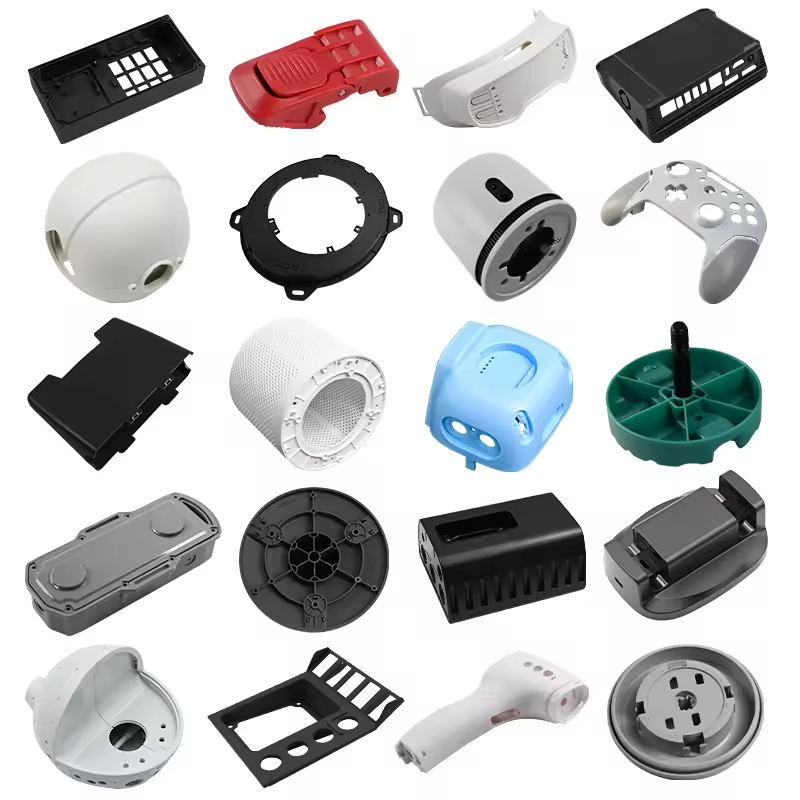

Nylon is one of the most widely injection molded engineering thermoplastics, but its unique processing characteristics—moisture sensitivity, narrow melting range, and rapid crystallization—require specific knowledge to achieve consistent quality.
Material Preparation: Drying is Critical
| Grade | Drying Temp | Time | Target Moisture |
|---|---|---|---|
| PA6 | 80°C | 4-8 hrs | < 0.10% |
| PA66 | 80°C | 4-8 hrs | < 0.10% |
| PA6 GF30 | 80°C | 4-6 hrs | < 0.05% |
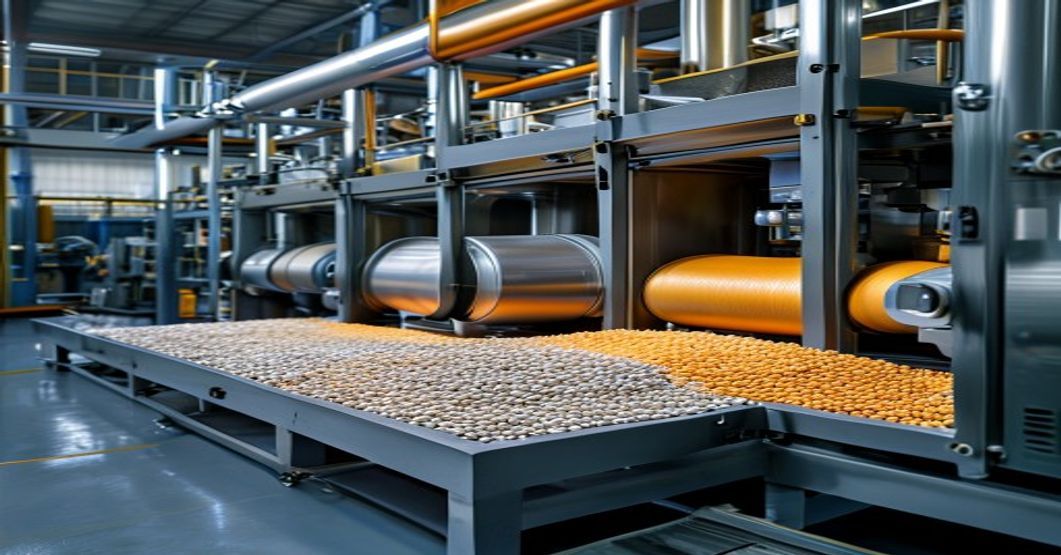
Processing Parameters
| Parameter | PA6 | PA66 | PA6 GF30 |
|---|---|---|---|
| Melt Temperature | 240-270°C | 270-300°C | 250-280°C |
| Mold Temperature | 60-90°C | 80-100°C | 80-100°C |
| Injection Pressure | 70-120 MPa | 80-140 MPa | 80-150 MPa |

Mold Design for Nylon
Gate Design
Gate size should be 50-75% of wall thickness. Position gates to ensure uniform flow and minimize fiber orientation issues in glass-filled grades.
Venting
Proper venting is essential—nylon’s low viscosity means it fills quickly and can trap air. Vent depth of 0.01-0.03mm is typical.
Common Defects and Solutions
| Defect | Cause | Solution |
|---|---|---|
| Splay/Silver Streaks | Moisture | Dry material properly |
| Brittle Parts | Overheating | Reduce melt temp; verify drying |
| Warpage | Uneven cooling | Adjust mold temp; optimize gate |
| Flash | Low viscosity | Reduce injection speed |

Post-Molding Handling
Moisture Conditioning
Nylon parts are at their most brittle straight out of the mold. Accelerated conditioning in 50-80°C water for 1-4 hours improves impact resistance and toughness.
Our Capabilities
With over 300 CNC machines, we produce more than 10,000 pieces daily with tolerances as tight as ±0.005mm. We accept MOQ from 1 piece, with delivery times ranging from 24 hours to 15 days. Our injection molding expertise covers all nylon grades with rigorous quality control. Get a quote within 24 hours.
This nylon injection molding guide focuses on pellet drying, process stability, mold design, reinforced grades and inspection evidence.
Process Checks Before Nylon Molding Parameters Are Approved
- Drying temperature is copied from a generic nylon chart without checking the exact grade, pellet moisture, dew point, or residence time.
- Melt and mold temperatures are changed together, so the team cannot identify whether moisture, shear, filling, or cooling caused the defect.
- A parameter window is recorded without tying it to cavity fill, packing, cycle time, warpage, and conditioned dimensions.
- The material choice is made after the mold design even though unfilled PA, PA-GF20, and PA-CF30 can change flow, shrinkage, wear, and fiber orientation.
How Nylon Plastic Supports the Project
Nylon Plastic has worked across custom compounding, injection molding, CNC machining, and 3D printing since 2005. A useful molding review connects pellet condition, mold design, process settings, sampling, and inspection rather than treating a parameter table as a production guarantee.
- Review the drawing, material, quantity, critical features, and service environment before quotation.
- Connect samples, dimensional reports, material documents, traceability, and acceptance criteria to the same revision.
- Use custom compounding, injection molding, CNC machining, or 3D printing when the application requires a different route.
Related Reading
- Nylon Injection Molding Services
- Nylon Material Selection for Injection Molding
- Splay Troubleshooting Guide
- Injection Molding Wall Thickness
Frequently Asked Questions
How dry should nylon pellets be before injection molding?
Use the exact grade supplier’s moisture specification, drying temperature, time, and dew point. Verify moisture at the machine because a generic drying setting is not a substitute for grade-specific control.
Which nylon molding parameters matter most?
Pellet moisture, melt temperature, mold temperature, injection speed, pressure, packing, cooling, screw recovery, and cycle time all interact. Change one controlled variable at a time and link the result to part inspection.
How do glass-filled or carbon-filled nylon grades change molding?
Reinforced grades can change flow, shrinkage, fiber orientation, surface appearance, weld-line strength, tool wear, and warpage. Review the exact grade and geometry before freezing gates and process settings.
What should be included in a nylon molding process review?
Send the CAD, drawing, grade or candidates, annual volume, appearance zones, critical dimensions, defect history, mold details, target cycle, inspection condition, and required material documents.
Request a Nylon Injection Molding Process Review
Send the part files, grade, volume, defect history, and critical dimensions for a drying, DFM, process-window, and inspection review.