

Injection Molding Parts are the backbone of modern manufacturing, enabling the high-volume production of complex, precise, and repeatable plastic components that power industries from automotive and electronics to medical devices and consumer goods. This versatile process transforms engineering thermoplastics into durable, functional parts with exceptional accuracy and consistency. This guide explores the complete lifecycle of injection molded parts—from initial design and rapid prototyping through mold engineering to high-volume production—and how partnering with an experienced manufacturer ensures quality, efficiency, and scalability.
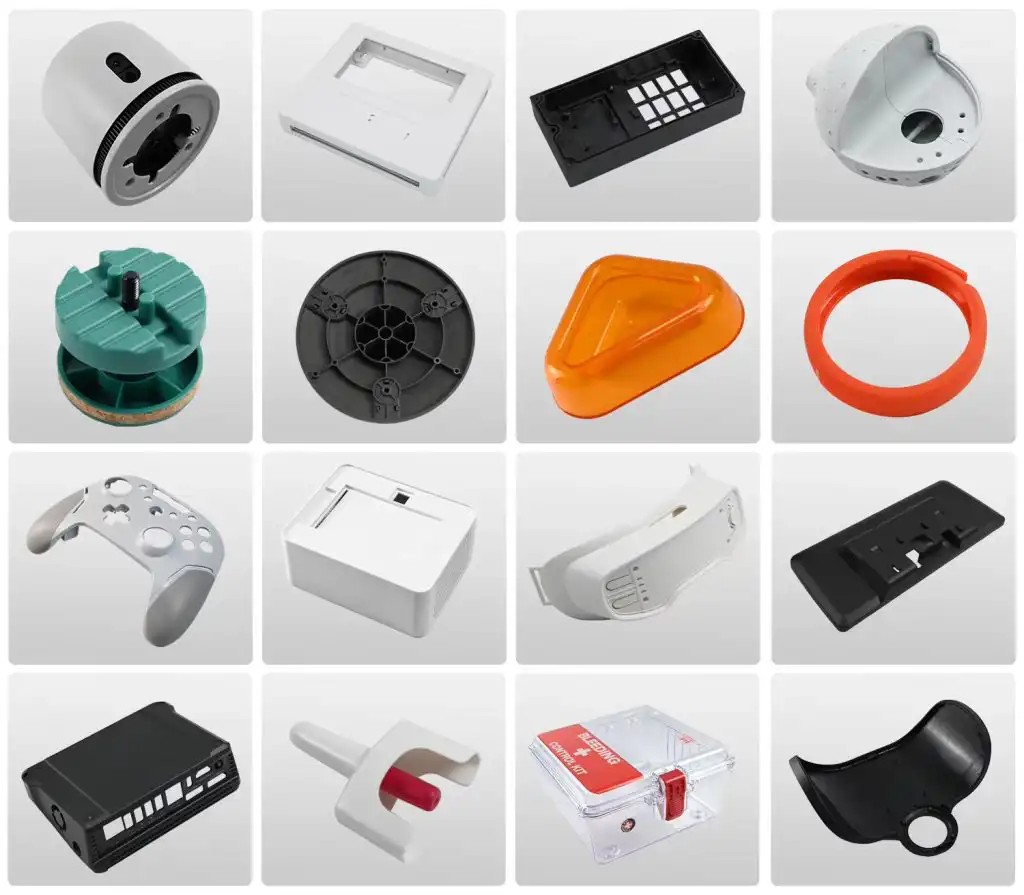
The Injection Molding Advantage: Scalability, Precision, and Versatility
Injection molding is the preferred manufacturing process for plastic parts due to its unique combination of capabilities that other methods cannot match.
- High-Volume Production Efficiency: Once the mold is created, injection molding machines can produce thousands or even millions of identical parts with remarkable speed. Cycle times can be as short as seconds, making it the most cost-effective method for large production runs .
- Exceptional Precision and Repeatability: Modern injection molding machines, combined with precision-machined molds, hold tight tolerances part after part. This ensures that every component in a production run is identical to the first, critical for industries like automotive and medical devices where interchangeability and reliability are paramount .
- Design Flexibility and Complexity: Injection molding can produce parts with intricate geometries, complex internal features, thin walls, and fine details that would be impossible or prohibitively expensive with other manufacturing methods . This design freedom allows engineers to consolidate multiple parts into single components, reducing assembly costs.
- Broad Material Selection: The process supports a vast range of thermoplastics and thermosets, from commodity resins to high-performance engineering materials. This allows designers to select materials with precisely the right mechanical, thermal, electrical, and aesthetic properties for their application .
- Low Per-Unit Cost at Scale: While the initial investment in mold tooling is significant, the per-part cost decreases dramatically with volume. For large production runs, injection molding offers the lowest cost per part of any plastic manufacturing process .

The Complete Injection Molding Parts Process
Creating high-quality injection molded parts is a multi-stage journey requiring expertise at every step. A reliable manufacturer acts as a one-stop solution provider, guiding projects from concept to delivery .
| Stage | Core Process & Technology | Quality & Performance Outcome |
|---|---|---|
| 1. Part Design & Engineering | – Collaborative design based on customer specifications, including size, shape, and color . – Engineers assess prototypes and samples to develop unique product designs that meet all requirements . |
A digital part design optimized for functionality and manufacturability, aligned with customer needs. |
| 2. Design for Manufacturability (DFM) Analysis | – Experts conduct a thorough DFM analysis report on the part design . – The analysis optimizes the design for the injection molding process, ensuring precision and conformance to specifications . |
Identification and resolution of potential manufacturing issues before tooling begins, reducing risk and cost. |
| 3. Rapid Prototyping | – State-of-the-art 3D printing machines create high-definition prototypes directly from design files . – This allows for physical verification of the design and immediate corrections if needed . |
Fast, cost-effective prototypes for form, fit, and function testing, accelerating development cycles. |
| 4. Precision Mold Design & Fabrication | – Experienced engineers design the mold to perfectly replicate the prototype . – Molds are fabricated using quality steel (e.g., P20, 718, NAK80, S136) and advanced CNC machining . – Mold design is cross-checked for flaws and optimized for production. |
A durable, high-precision tool capable of producing thousands to millions of high-quality parts. |
| 5. Injection Molding Production | – Precision molds are installed in injection molding machines. – Production-grade plastic is melted and injected under high pressure into the mold cavity. – Processes are monitored to ensure consistency and quality. |
High-volume production of identical, functional plastic parts with excellent repeatability. |
| 6. Assembly & Finishing | – Molded parts may be assembled into more complex products. – Secondary operations like polishing, surface texturing, or custom packaging are performed as required . |
Complete, finished components ready for integration into final products or direct shipment. |
| 7. Quality Assurance & Inspection | – Rigorous inspections at multiple stages, from design through production . – Strict quality policies are implemented throughout manufacturing . |
Guaranteed part quality, dimensional accuracy, and compliance with all specifications. |
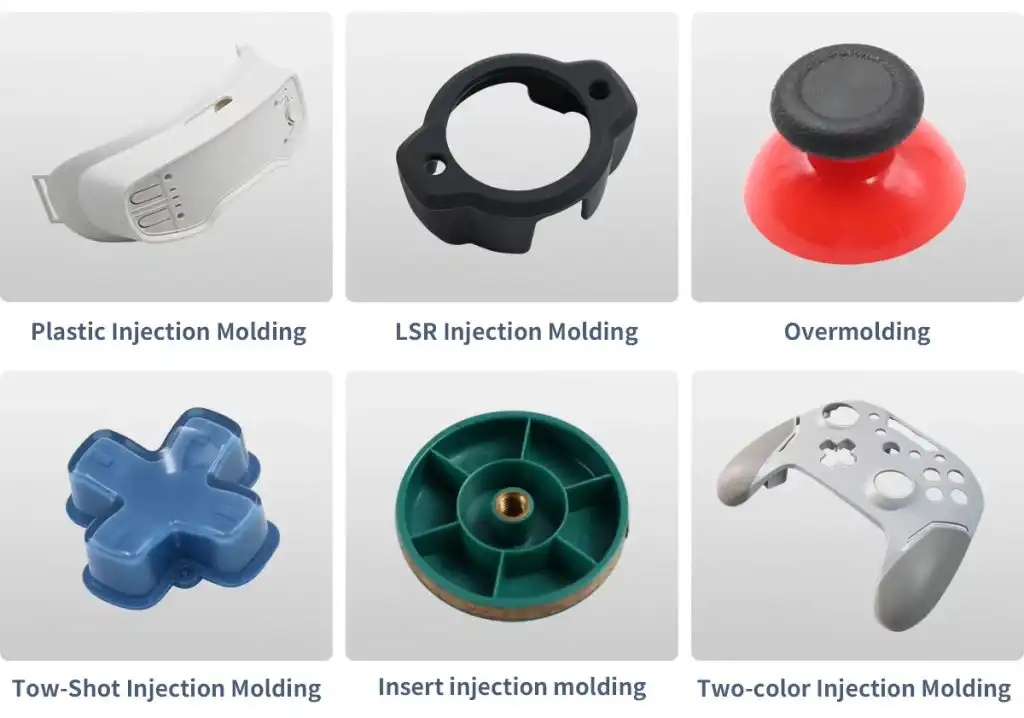
Advanced Molding Capabilities: Beyond Standard Parts
Experienced manufacturers offer specialized techniques to address complex product requirements, expanding the possibilities of injection molded parts.
| Capability | Description | Key Benefit |
|---|---|---|
| Insert Molding | Plastic is molded around pre-placed metal or other material inserts (e.g., threaded inserts, electronic components). | Creates strong, permanent bonds between materials, eliminating secondary assembly operations. |
| Overmolding | A soft-touch or second material (like TPE) is molded over a rigid plastic substrate (like ABS or PC). | Provides ergonomic grips, improved aesthetics, and multi-material functionality in a single part. |
| Multi-Cavity Molds | Molds designed with multiple identical cavities produce several parts per cycle. | Dramatically increases production output and reduces per-part cost for high volumes. |
| Family Molds | Molds with different cavities produce multiple, different parts in a single cycle (e.g., all components for a small assembly). | Simplifies production and inventory management for assemblies with several plastic parts. |
| Hot Runner Systems | The runner system within the mold is kept hot, eliminating the need to re-solidify and eject runners with each cycle. | Reduces material waste, shortens cycle times, and improves part quality. |
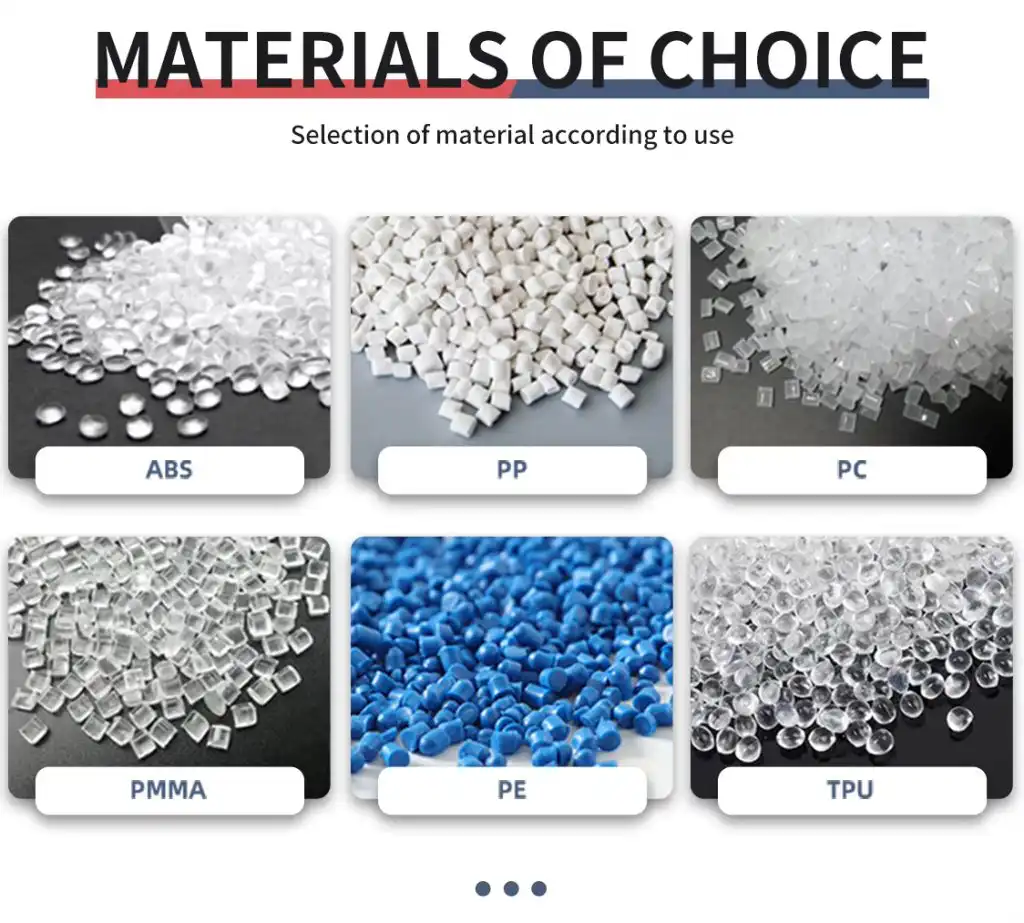
Material Selection for Injection Molding Parts
Choosing the right material is critical to part performance. The table below summarizes common material categories and their applications.
| Material Category | Common Grades | Key Properties | Typical Applications |
|---|---|---|---|
| Commodity Thermoplastics | ABS, PP, PE, PS | Good strength, impact resistance, cost-effective, easy to process | Consumer goods, housings, toys, packaging, automotive interior parts |
| Engineering Thermoplastics | PC, PA6/66, POM, PBT | Higher strength, heat resistance, stiffness, dimensional stability | Automotive components, electrical connectors, gears, mechanical parts |
| High-Performance Polymers | PEEK, PPS, LCP | Exceptional thermal stability, chemical resistance, mechanical strength | Aerospace, medical implants, high-temperature applications |
| Elastomers | TPE, TPU | Flexibility, rubber-like feel, impact absorption | Overmolded grips, seals, gaskets, flexible components |
| Glass-Reinforced Grades | PA6-GF30, PC-GF20, PBT-GF30 | Significantly increased stiffness, strength, and heat deflection temperature | Structural components, under-hood automotive parts, industrial housings |
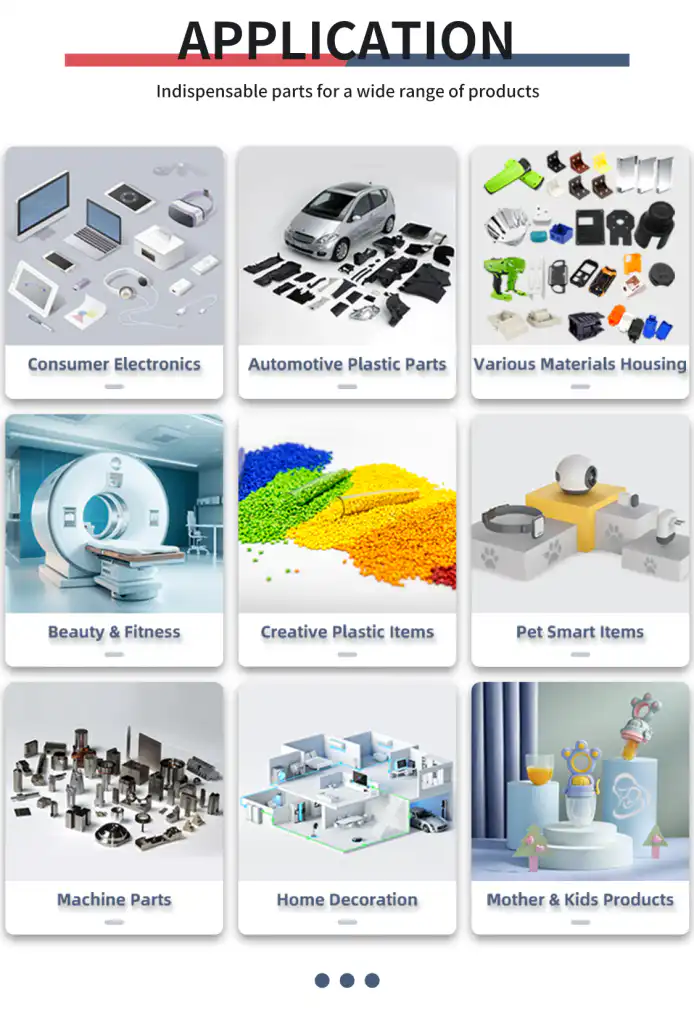
Industries Served by Injection Molded Parts
The versatility of injection molding makes it indispensable across virtually every industrial sector .
| Industry | Applications | Critical Requirements |
|---|---|---|
| Automotive | Interior trim, dashboard components, connectors, under-hood parts, lighting housings, structural elements | Durability, heat resistance, precision, compliance with automotive standards |
| Electronics | Connectors, enclosures, switches, circuit breaker components, LED housings, device casings | Precision, electrical insulation properties, flame retardancy |
| Home Appliances | Housings for vacuum cleaners, kitchen appliances, washing machine components, air conditioner parts | Aesthetics, durability, thermal stability, cost-effectiveness |
| Medical & Healthcare | Housings for diagnostic equipment, surgical instrument handles, disposable components, device enclosures | Biocompatibility, precision, cleanability, regulatory compliance |
| Industrial Machinery | Gears, bearings, housings, custom components, conveyor parts, tool handles | Wear resistance, strength, dimensional stability |
| Consumer Goods | Toys, kitchenware, storage containers, sporting goods, personal care product housings | Aesthetics, safety, cost-effectiveness, design flexibility |
| Furniture & Baby Products | Chair components, storage solutions, baby product parts, safety items | Durability, safety standards, design appeal |

FAQ: Injection Molding Parts
Q1: What is the typical lead time for injection molded parts?
A: Lead times vary based on complexity. Mold fabrication typically takes 4-8 weeks. With rapid prototyping (using 3D printing) and DFM analysis, initial samples can be produced faster. Once the mold is approved, production runs of parts are typically completed in 2-4 weeks, depending on volume .
Q2: How much does it cost to produce injection molded parts?
A: Costs are project-specific and depend on: part complexity and size, material selection, mold complexity (including number of cavities, slides, hot runners), and annual volume. The mold is a significant upfront investment, but the per-part cost decreases substantially with higher volumes. Requesting a quote with detailed part specifications is the best way to get accurate pricing .
Q3: What is the minimum order quantity (MOQ) for injection molded parts?
A: MOQs are flexible and depend on the project. For prototyping and pilot runs, lower quantities are possible. For full production, MOQs are typically set to make the mold investment economically viable, often ranging from 1,000 to 10,000+ parts, depending on part size and material.
Q4: How do I ensure my part design is optimized for injection molding?
A: Engaging with your manufacturing partner early is key. A professional manufacturer will provide Design for Manufacturability (DFM) analysis . This review identifies potential issues (like sharp corners, non-uniform wall thickness, or difficult-to-machine features) and suggests design modifications that maintain functionality while improving manufacturability, reducing cost, and ensuring quality.
Q5: What quality control measures are in place during production?
A: Reputable manufacturers implement rigorous quality systems, often certified to ISO 9001, IATF 16949, or ISO 13485 . Controls include incoming material inspection, in-process monitoring, first article inspection (FAI), and final inspection using tools like CMMs (Coordinate Measuring Machines) and visual checks to ensure every batch meets specifications .
Q6: Can you produce injection molded parts for specialized applications like automotive or medical devices?
A: Yes. Experienced manufacturers serve a wide range of industries, including automotive, electronics, medical, and appliances . They understand the specific requirements of each sector, such as material certifications, testing protocols, and regulatory compliance. Contact our engineering team to discuss your industry-specific needs.
Q7: What file formats are needed to get a quote?
A: To provide an accurate quote and feedback, manufacturers typically need 3D CAD files in common formats such as STEP (.stp), IGES (.igs), Parasolid (.x_t), SolidWorks (.sldprt), or Autodesk Inventor (.ipt) . These files contain the complete geometric information needed for DFM analysis and mold design .
Conclusion: Your Partner for Precision Plastic Components
Injection Molding Parts are fundamental to countless products we use every day. Achieving the perfect balance of design, material, cost, and quality requires a manufacturing partner with deep expertise, advanced technology, and a commitment to collaboration. From initial concept and DFM analysis through precision mold making and high-volume production, the right partner ensures your custom plastic components are delivered on time, to specification, and ready to perform.
Ready to bring your plastic part design to life? Nylon Plastic offers comprehensive injection molding services backed by decades of material science expertise and precision manufacturing experience. Let us help you navigate the journey from concept to finished component.
Request a Quote | Contact Our Engineering Team
FAQ
When does injection molding make sense for a plastic part?
Injection Molding Parts: Precision Manufacturing for Custom Plastic Components makes sense when the part volume, material choice, geometry, and repeatability needs justify mold design and tooling investment.
What design factors matter most for injection molded parts?
Wall thickness, ribs, bosses, draft angle, gate location, shrinkage, parting line, and ejection all affect molded part quality.
What information should be ready before mold production starts?
The supplier should confirm the 3D model, material, expected annual volume, appearance requirements, tolerance needs, and any assembly or functional testing requirements.
What is the biggest risk in an injection molding program?
The biggest risk is approving tooling before material behavior, shrinkage, flow, and part function are fully checked against the real application.

