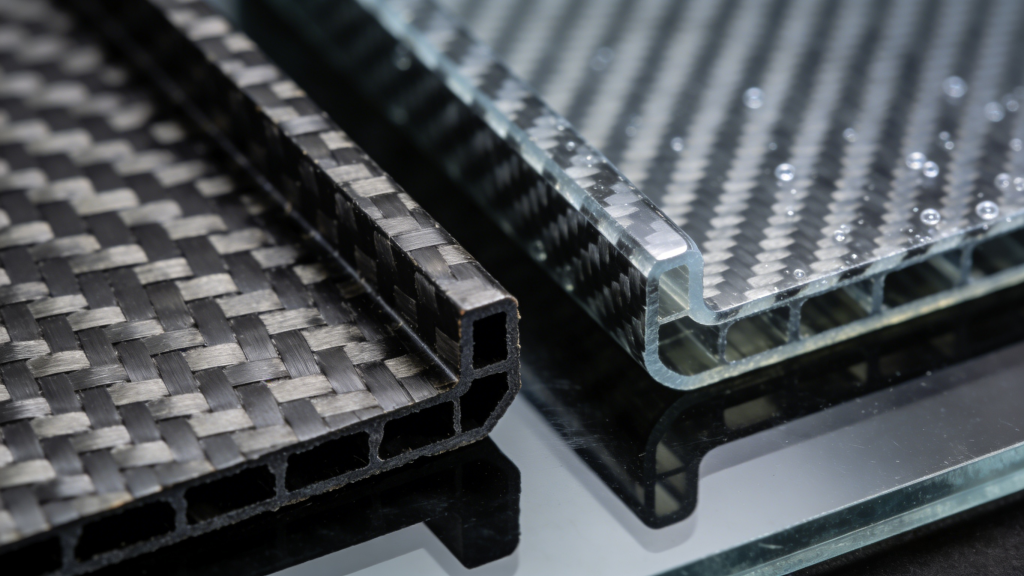

Tacos de billar de fibra de carbono representan el pináculo de la ingeniería de equipos de billar, transformando una herramienta tradicional de madera en un instrumento de alta tecnología de consistencia y control. Mediante la utilización de la construcción avanzada de compuesto de fibra de carbono en la flecha, estos tacos ofrecen una combinación sin precedentes de deflexión ultrabaja, rigidez excepcional y consistencia perfecta que las varillas tradicionales de arce no pueden igualar. Esta guía explora la tecnología detrás de estos tacos de alto rendimiento, detallando por qué la fibra de carbono está revolucionando el juego y cómo la fabricación de precisión crea la extensión definitiva de la intención de un jugador.
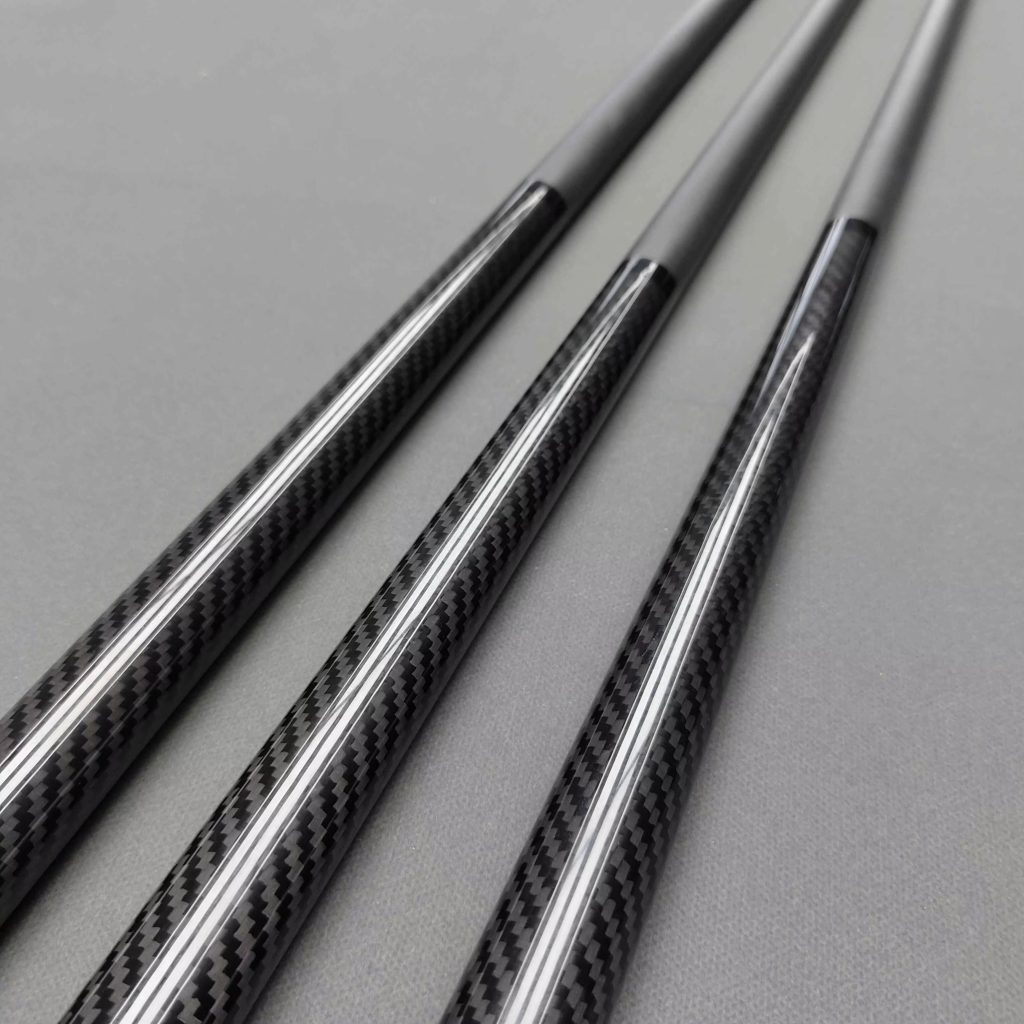
La ventaja de la fibra de carbono: Precisión, potencia y consistencia
La integración de la tecnología de fibra de carbono responde directamente a las principales demandas de los jugadores serios: comportamiento predecible de la bola blanca y repetibilidad impecable.
- Desviación ultrabaja para una precisión superior: La principal ventaja de un taco de billar de fibra de carbono es su drástica reducción desviación de la bola blanca (o “squirt”). La gran rigidez y ligereza de la fibra de carbono minimizan el movimiento lateral de la varilla al impactar con un golpe descentrado, lo que permite apuntar con más precisión cuando se utiliza la inglesa (efecto lateral), especialmente en golpes largos o potentes.
- Rigidez excepcional y golpe sólido: La fibra de carbono proporciona una estructura increíblemente rígida que se flexiona mínimamente. Esto se traduce en una sensación de golpe más sólida, directa y consistente, maximizando la transferencia de energía a la bola blanca para mejorar la potencia y el control. Los jugadores experimentan menos “látigo” o vibración.
- Consistencia perfecta e inmunidad medioambiental: A diferencia de la madera, que puede deformarse, cambiar de densidad y absorber la humedad del aire, un eje de fibra de carbono es dimensionalmente estable e impermeable a la humedad. Su rendimiento y tacto permanecen idénticos día tras día, en cualquier clima, eliminando una variable importante del juego.
- Bajo mantenimiento y durabilidad: Una varilla de fibra de carbono no requiere sellado, cepillado ni lijado frecuente. Su superficie lisa, a menudo recubierta, resiste las abolladuras, conserva su deslizamiento para un puente suave y es increíblemente duradera contra los impactos y las deformaciones, ofreciendo toda una vida de juego consistente.
Evolución de los materiales: Por qué la fibra de carbono es el nuevo estándar
El paso de los materiales naturales a los compuestos avanzados supone una mejora fundamental en el rendimiento de los tacos. En la tabla siguiente se destacan las principales diferencias.
| Material | Desviación (Squirt) | Sensación de golpe y rigidez | Coherencia en el tiempo | Mantenimiento y durabilidad |
|---|---|---|---|---|
| Eje compuesto de fibra de carbono | Muy bajo (Flexión del eje minimizada) | Muy rígido, sólido, directo | Perfecto (No se ve afectado por la humedad/temperatura) | Muy bajo (Se limpia con un paño, no se deforma) |
| Arce de alta calidad y baja reflexión | Baja (núcleo cónico/hueco de ingeniería) | Rígido, con cierta retroalimentación/vibración | Variable (Puede deformarse, sensible al clima) | Alta (Puede necesitar sellado, lijado, puede alabearse) |
| Varilla tradicional de arce macizo | Alta | Más blando, más flexión y vibración | Variable (Propenso al alabeo y al desgaste) | Alta (Requiere mantenimiento frecuente) |
Análisis: Aunque las varillas de madera avanzadas de baja deflexión son excelentes, una flecha de billar de fibra de carbono proporciona la lo último en consistencia mecánica y estabilidad medioambiental. Elimina la variabilidad inherente a la madera, ofreciendo un instrumento de golpeo científicamente repetible. El desarrollo de estas varillas aprovecha la experiencia en compuestos avanzados, incluyendo PA-CF (Poliamida Fibra de Carbono) para optimizar la amortiguación de las vibraciones y el tacto.
Dentro del eje: Tecnología de laminación y fabricación
La construcción de una flecha de fibra de carbono de alto rendimiento es un proceso preciso que determina sus características de juego.
| Escenario | Tecnología y procesos básicos | Resultados |
|---|---|---|
| 1. Diseño e ingeniería | - Determinación de la rigidez objetivo, la conicidad (pro, cónica) y la estructura interna (sólida, hueca o núcleo de espuma). - Creación de un programa detallado de colocación de láminas preimpregnadas de fibra de carbono para controlar la flexión y las vibraciones. |
Un plano digital de una varilla con propiedades específicas de deflexión, sensación y equilibrio general. |
| 2. Preparación del mandril y colocación | - Envolver o tejer láminas de fibra de carbono preimpregnadas alrededor de un mandril de precisión que define el diámetro interno y la conicidad del eje. - Incorporación de materiales de núcleo o capas propias para el tacto. |
El conjunto de eje “verde” en el mandril, donde la orientación de la fibra dicta el rendimiento final. |
| 3. Curado y consolidación | - El conjunto se cura bajo calor y presión controlados, a menudo utilizando una cinta retráctil o un molde, para compactar las capas y endurecer la matriz de resina. | Un tubo monolítico de fibra de carbono sin costuras con una resistencia, rigidez e integridad estructural excepcionales. |
| 4. Acabado y mecanizado de precisión | - El eje curado se lija con precisión y se mecaniza hasta su diámetro exterior y conicidad finales. - Para la superficie de juego se aplica un revestimiento ultrasuave de baja fricción (como un epoxi o poliuretano especializado). - La junta (por ejemplo, radial, Uni-Loc) se mecaniza con tolerancias exactas. |
Una varilla acabada con una conicidad impecable y consistente, un ajuste perfecto de la unión y una superficie de juego resbaladiza y duradera, lista para una virola y una punta. |
FAQ: Tacos de billar de fibra de carbono
P1: ¿Los tacos de fibra de carbono son sólo para jugadores profesionales?
A: En absoluto. Mientras que los profesionales se benefician enormemente, cualquier jugador que busque más regularidad y menos ajustes de puntería pueden beneficiarse. Son especialmente útiles para los jugadores de nivel intermedio que buscan mejorar su juego inglés (efecto), ya que la desviación reducida hace que el efecto lateral sea más intuitivo de aplicar.
P2: ¿Cómo es la “sensación de golpe” de la fibra de carbono en comparación con una buena varilla de madera?
A: El tacto es claramente diferente. La fibra de carbono ofrece una golpe más firme, directo y silencioso con menos vibración de retroalimentación. Algunos lo describen como más “sólido” o “puro”. Los jugadores que prefieren una respuesta viva y vibrante de la madera pueden necesitar un periodo de adaptación, pero la mayoría aprecia la consistencia.
P3: ¿Puedo poner cualquier punta en un eje de fibra de carbono?
A: Sí, puede utilizar cualquier punta de taco de billar estándar (cuero, fenólica, etc.). La espiga de la flecha está diseñada para virolas estándar. La elección de la punta adecuada (blanda, media, dura) le permite afinar aún más la sensación y el agarre de la bola blanca según sus preferencias.
P4: ¿De verdad no se deforman nunca?
A: Una fabricación adecuada flecha de billar de fibra de carbono es impermeable a los cambios de humedad y temperatura que provocan el alabeo de la madera. Su estabilidad dimensional es una de sus principales ventajas tecnológicas. Permanecerá recto en condiciones normales de uso y almacenamiento.
P5: ¿Pueden fabricar componentes de taco a medida o desarrollar nuevas fórmulas de compuestos?
R: Por supuesto. Para los fabricantes de tacos que superan los límites del rendimiento, nos especializamos en el ingeniería y creación de prototipos de estructuras y materiales compuestos avanzados. Esto incluye el desarrollo de capas de fibra de carbono personalizadas para perfiles de flexión específicos, la creación de collares o casquillos de unión duraderos a partir de polímeros de ingeniería y la innovación de la próxima generación de tecnología de tacos compuestos. Contacte con nuestro equipo de ingenieros para explorar el desarrollo colaborativo de su línea de productos estrella.
Conclusiones: Redefinir la coherencia en el fieltro
Tacos de billar de fibra de carbono son más que una tendencia en equipamiento; son un cambio fundamental hacia la consistencia de ingeniería en un deporte que se mide en milímetros. Proporcionan el rendimiento fiable y repetible que los jugadores serios exigen para perfeccionar su juego.
¿Listo para explorar cómo los compuestos avanzados pueden definir su próxima serie de tacos? Para fabricantes dedicados a la innovación en equipos de billar, Nylon Plástico proporciona la colaboración esencial en ciencia de materiales, ingeniería de compuestos y fabricación de precisión para lanzar al mercado el taco de alto rendimiento definitivo.
PREGUNTAS FRECUENTES
When is Carbon Fiber Pool Cues: Precision Engineered for the Modern Player a good option?
Carbon Fiber Pool Cues: Precision Engineered for the Modern Player is a good option when fast iteration, complex geometry, low tooling cost, or low-volume production is more important than molded-part unit cost.
What should be checked before choosing Carbon Fiber Pool Cues: Precision Engineered for the Modern Player?
Compruebe el tamaño de la pieza, las propiedades del material, el acabado superficial, la tolerancia dimensional, la exposición al calor, la dirección de la carga y si es necesario un tratamiento posterior.
How does Carbon Fiber Pool Cues: Precision Engineered for the Modern Player compare with CNC machining?
La impresión 3D puede crear formas complejas con rapidez, mientras que el mecanizado CNC suele ser más potente para superficies precisas, tolerancias más ajustadas y materiales de calidad de producción.
What affects the cost of Carbon Fiber Pool Cues: Precision Engineered for the Modern Player?
El coste depende del material, el volumen de fabricación, el tiempo de impresión, la altura de capa, la eliminación de soportes, el acabado, la inspección y el número de piezas de la fabricación.