
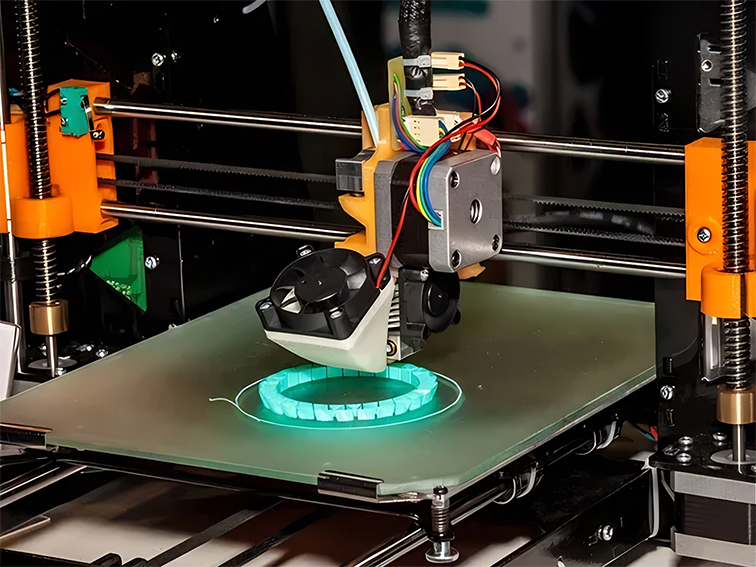

Aerospace Components Project Review
For an aerospace bracket, cover or insulating component, identify the installation location, load case, temperature and fluid exposure. Mark the drawing revision and critical interfaces.
List the qualification, traceability and inspection records required by the program; availability and responsibility need confirmation for the quoted scope.
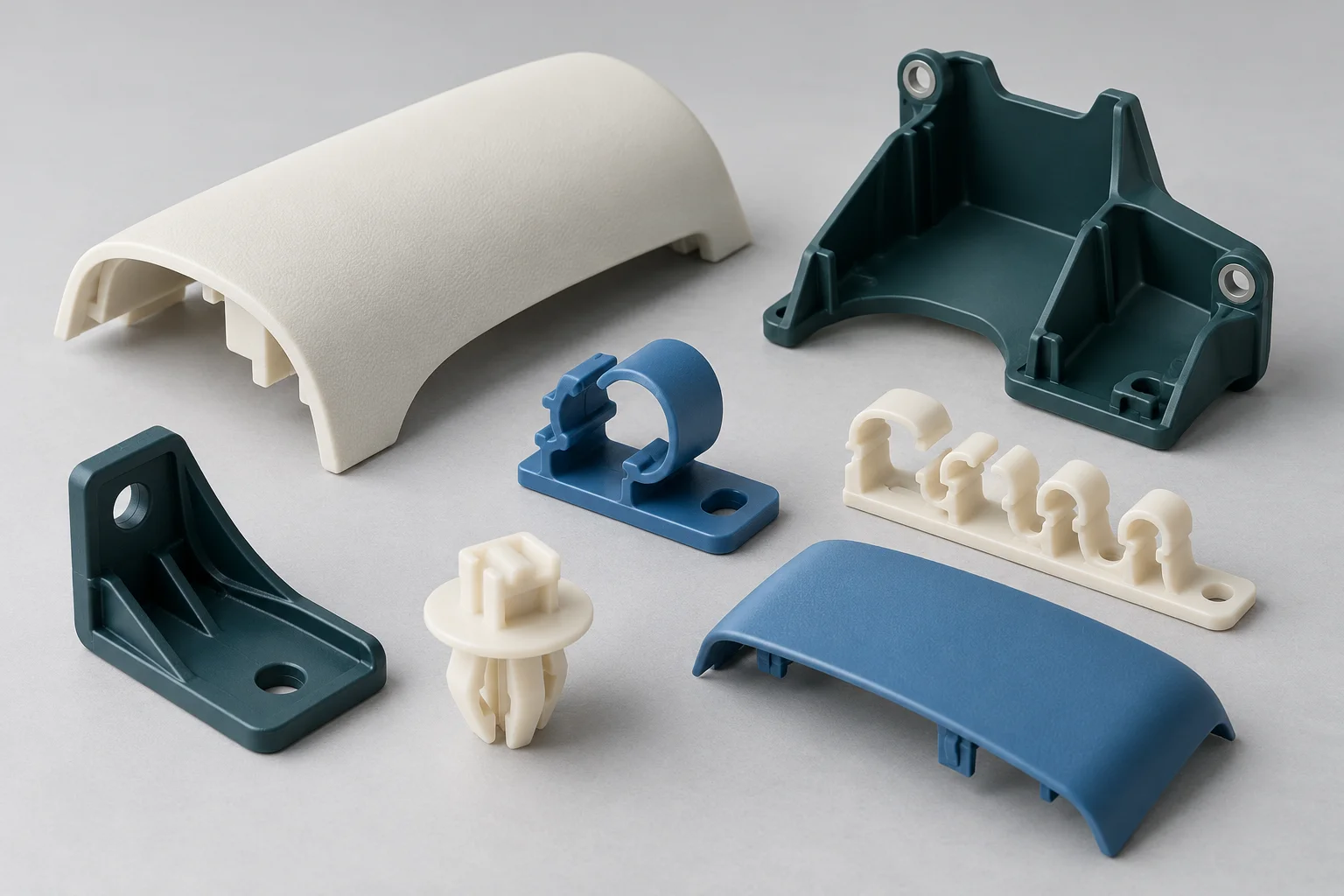
Aircraft Interior Parts
For interior component candidates, define installation position, appearance, mounting and the material or fire-performance documentation required by the responsible customer team.
Avionics Supports
For avionics supports, identify locating features, mounting loads, electrical interfaces and environmental requirements. Keep the drawing and material specification linked to the component revision.
Brackets & Covers
For brackets and covers, provide the load path, fasteners, surrounding components and inspection datums. State whether the item is a prototype, fixture or intended production part.
Clips & Guides
For clips and guides, describe installation force, movement, wear, retention and access for replacement. Provide the assembly context rather than a standalone shape alone.
Lightweight Structures
For lightweight-structure candidates, define the stiffness, mass and attachment targets for the design review. Material choice and part acceptance remain specific to the approved design.
Custom Aerospace Parts
For custom components, specify the development stage, intended use, drawing authority and required evidence before requesting a manufacturing route or quotation.
Installation Conditions and Aerospace Part Interfaces
Part classification and intended use
Distinguish a fit prototype, ground-support item, fixture, interior component and an intended flight part. Identify the responsible design authority and the requirements that must be satisfied before any production or installation decision.
Material identity and traceability
Provide the material specification, exact grade and any restrictions on substitution. List the identification and records required for the order. A polymer family, illustrated application or company certificate does not establish approval for a particular component.
Datums and acceptance evidence
Mark critical dimensions, interfaces and inspection conditions on the drawing. Agree sample evaluation, dimensional reporting, revision identification and any customer-specific release requirements before setting the production scope.
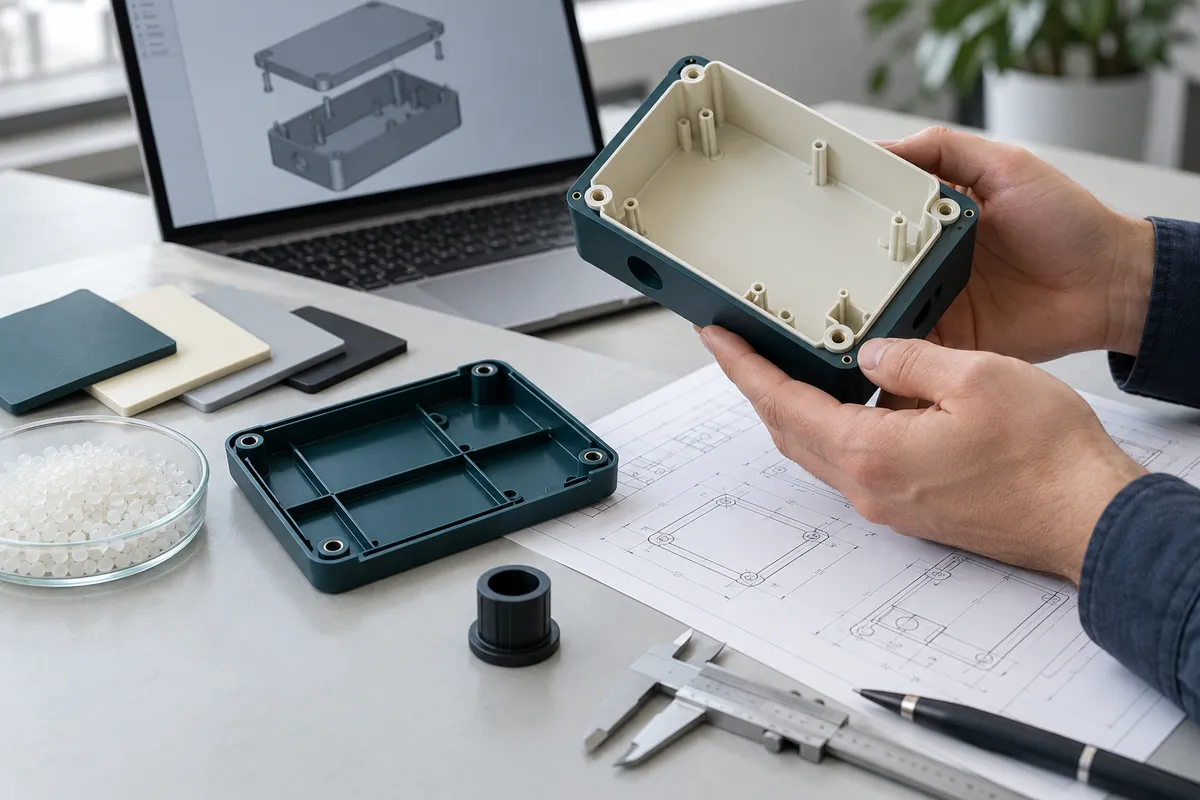
From Controlled Drawing to Component Samples
Prototype and fit review
Review geometry and assembly through an agreed prototype route. Identify which results are for development only and which further material or production evaluations the customer requires.
Tooling and sample definition
Confirm the grade, manufacturing process, tool concept and inspection plan against the controlled drawing. Agree the evidence needed before accepting samples.
Order and release review
Define identification, records, change notification and release responsibilities for the quoted order. Special customer or program requirements must be confirmed explicitly.
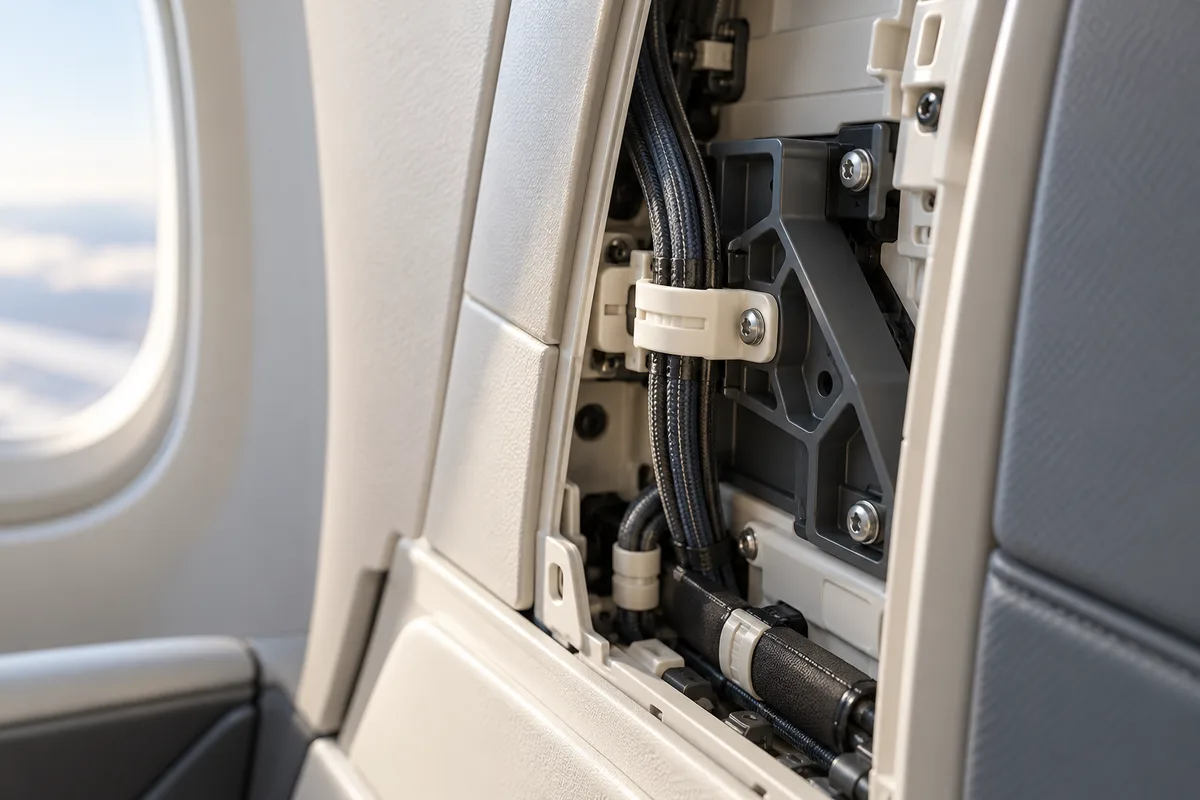
Program-Specific Traceability and Approval Records
- Controlled drawing and intended-use classification
- Exact material specification and substitution restrictions
- Required traceability and dimensional inspection records
- Customer-specific acceptance and release requirements
Confirm the records available for the exact material, manufacturing entity and quoted order. Review material and certificate document guidance.
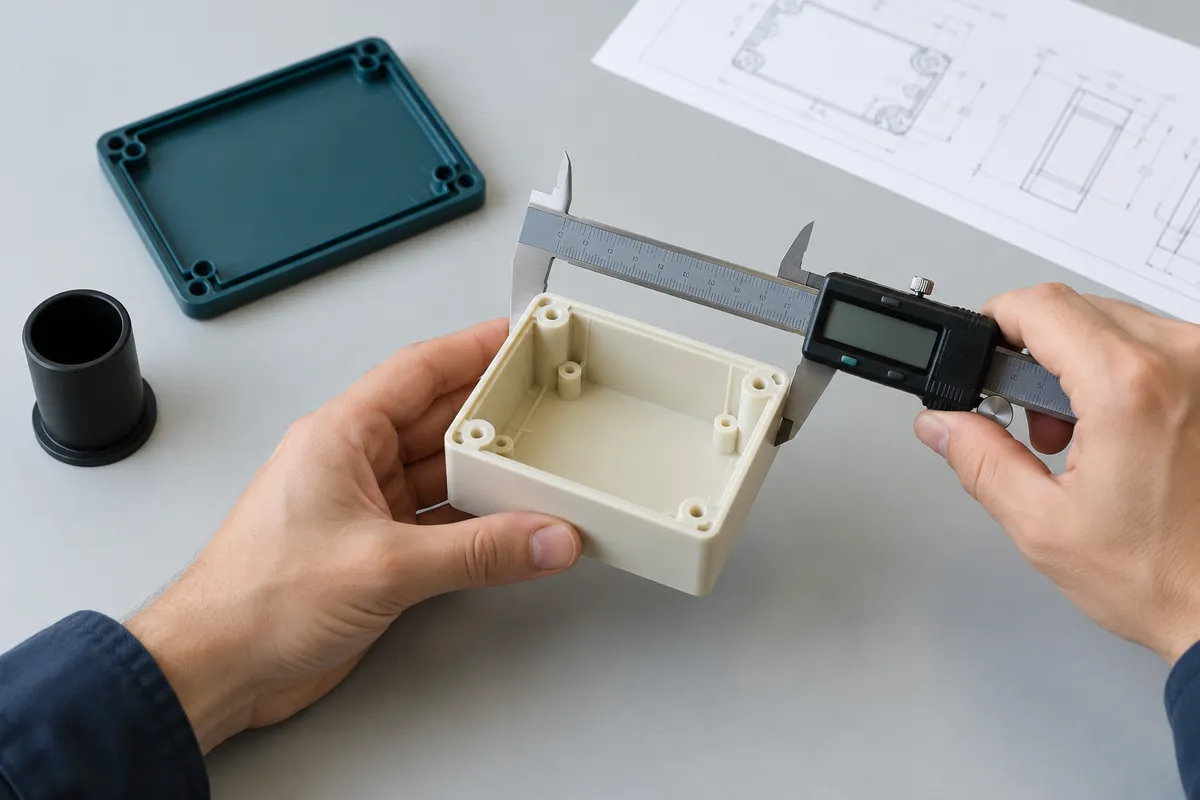
Preparing an Aerospace Component Inquiry
- Drawing, CAD and revision identification
- Prototype, fixture, ground or flight-use context
- Material specification and requested evidence
- Critical interfaces, loads and environment
- Quantity and development stage
- Responsible approval team and acceptance requirements
If the grade is still open, request a material selection review with the service conditions and target properties.
Questions About Aerospace Plastic Components
Does an aerospace application image imply approved flight use?
No. Images illustrate possible component forms. The specific design, material, manufacturing scope and evidence must be reviewed by the responsible customer team for the intended use.
Can a specified resin be substituted to reduce cost?
Do not assume that a similar polymer is an acceptable replacement. Provide the controlled specification and substitution process so any alternative can be reviewed through the customer's approval requirements.
Which documents should accompany an inquiry?
Send the controlled drawing, intended use and a list of required material, inspection and traceability records. Documentation scope and availability are confirmed for the quoted supply, not inferred from the industry label.
Materials

Surface Finishes