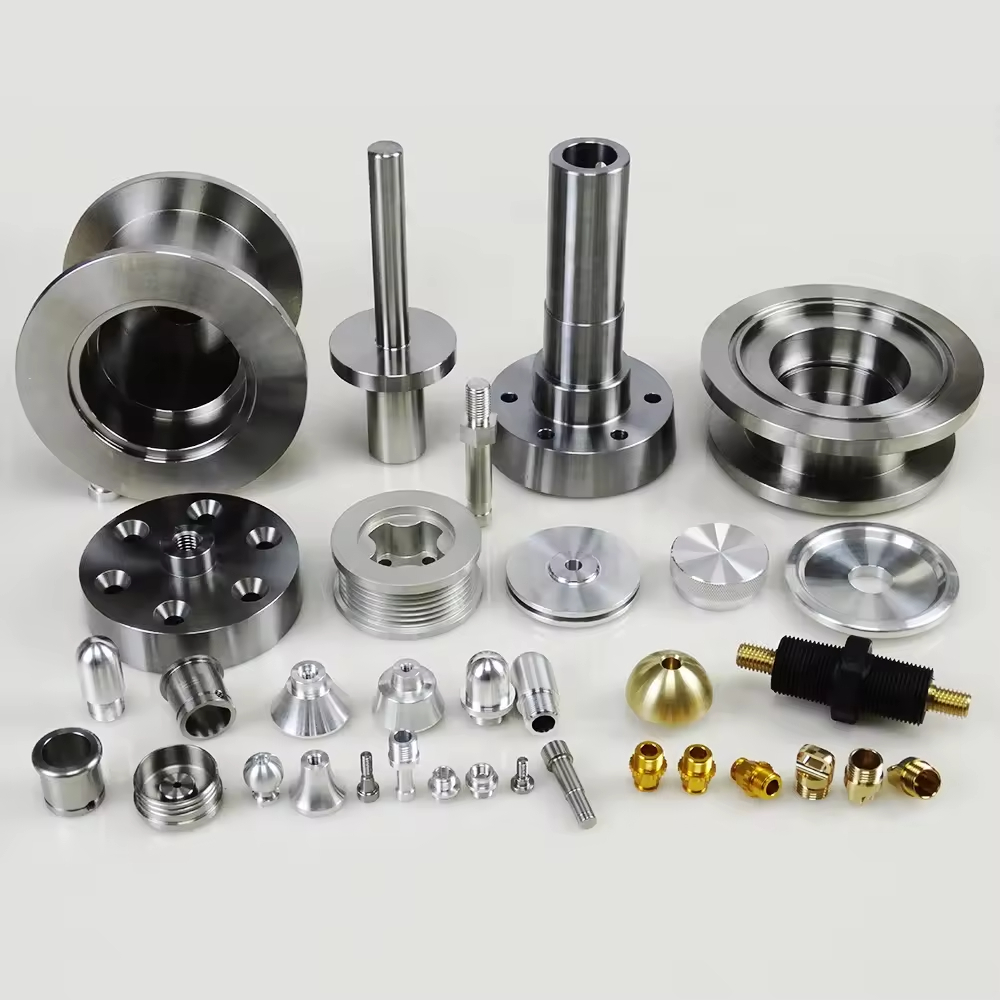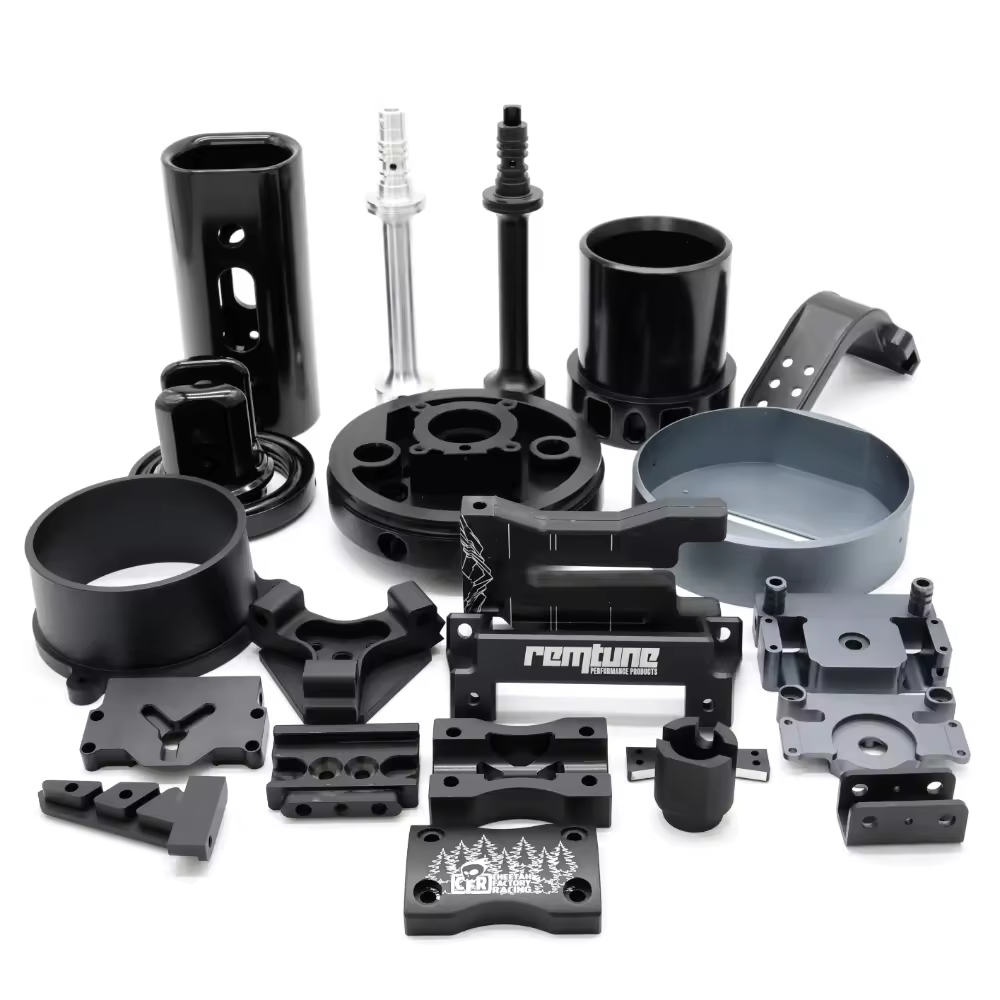
CNC milling is one of the most versatile machining processes for engineering plastic components. Using rotating cutting tools, CNC milling machines can create complex geometries, pockets, slots, and contours with exceptional precision.
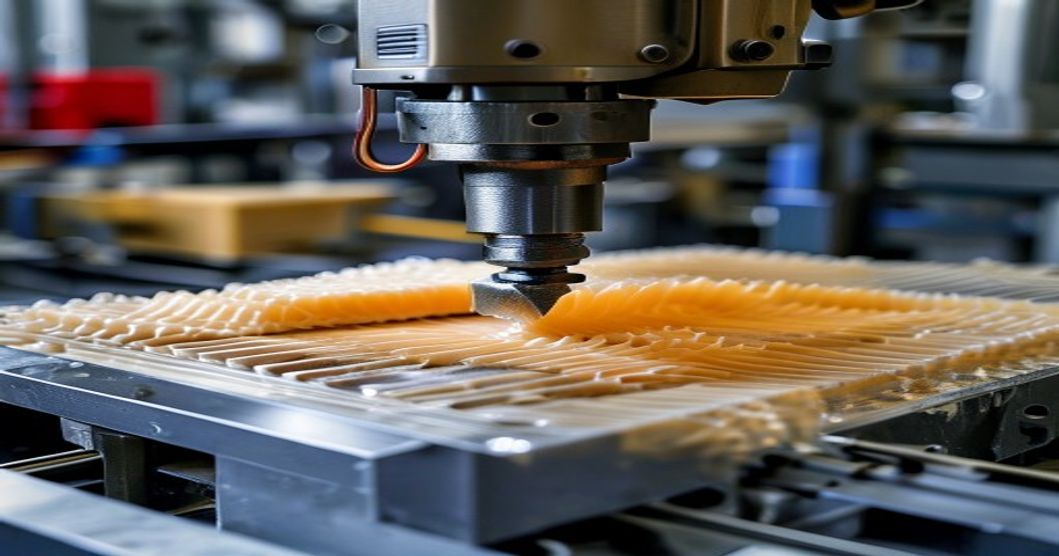
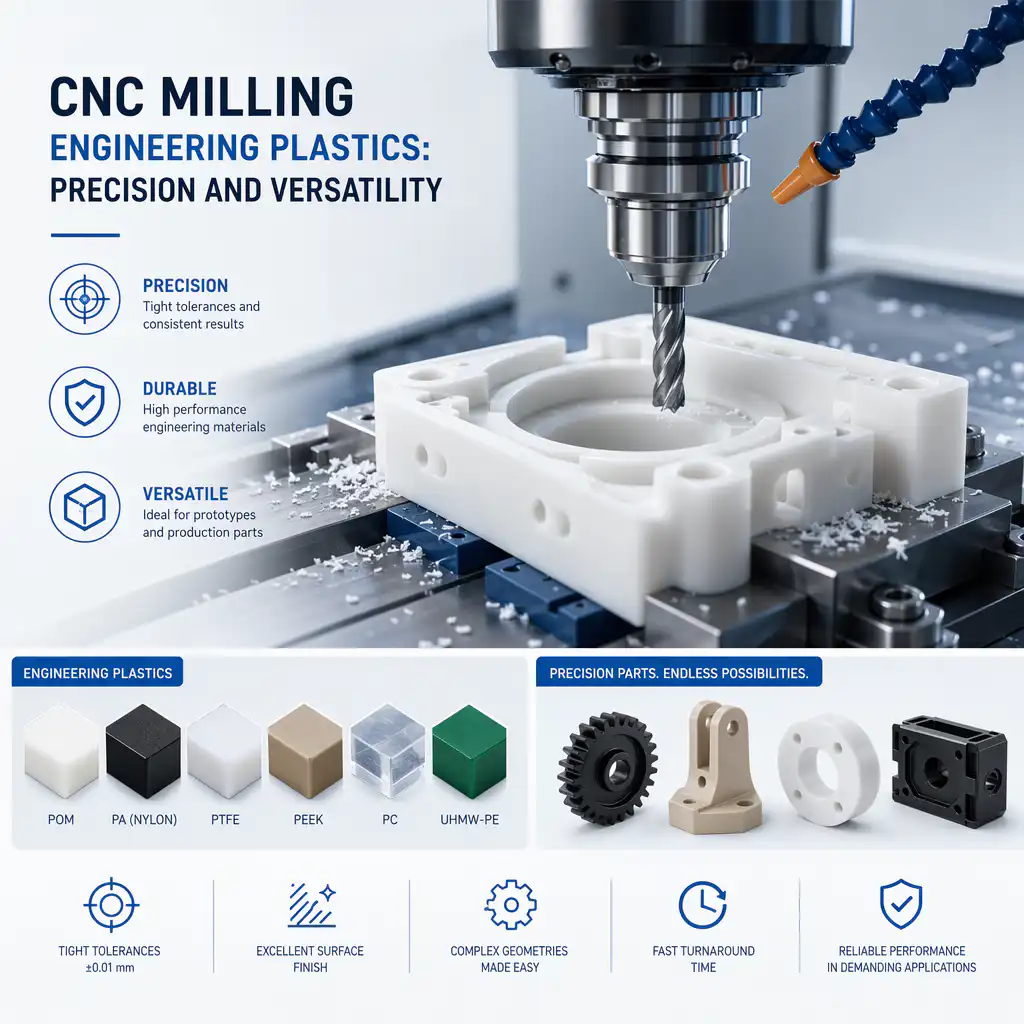
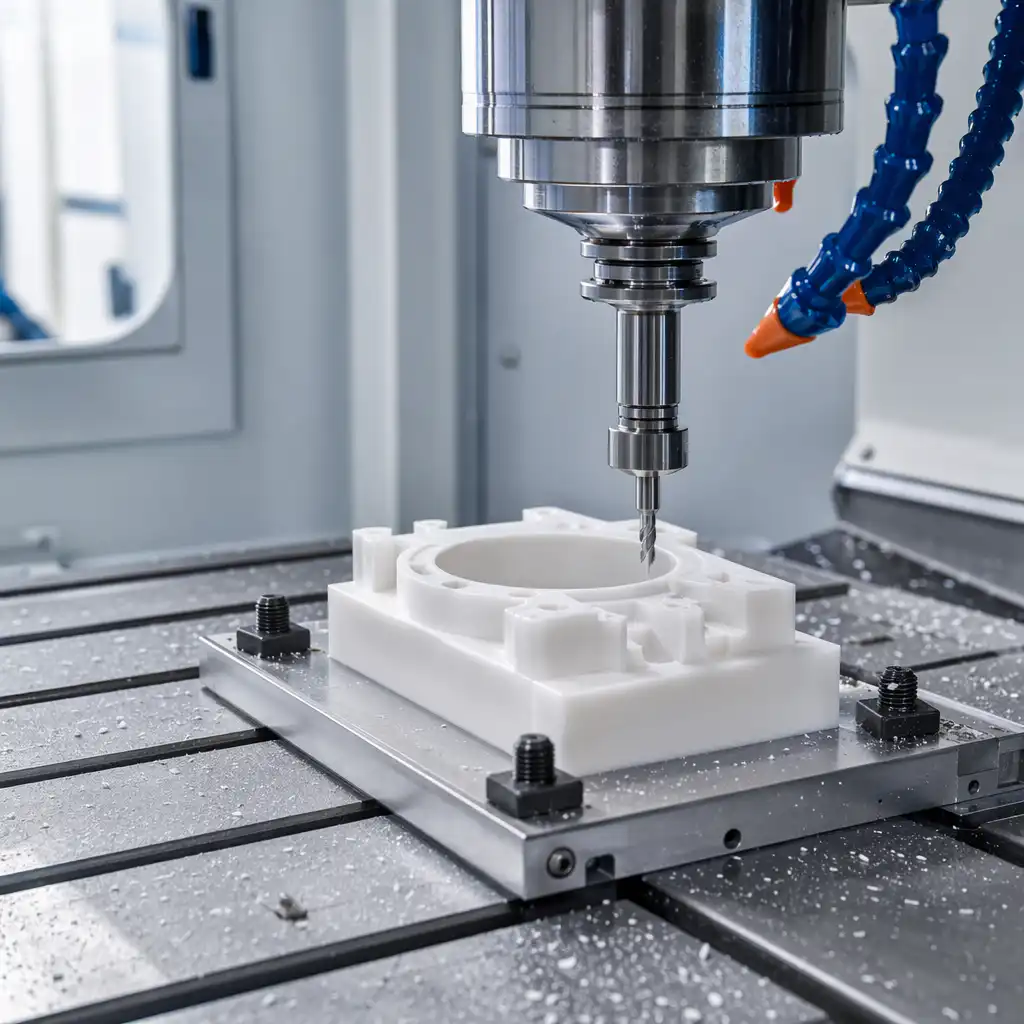
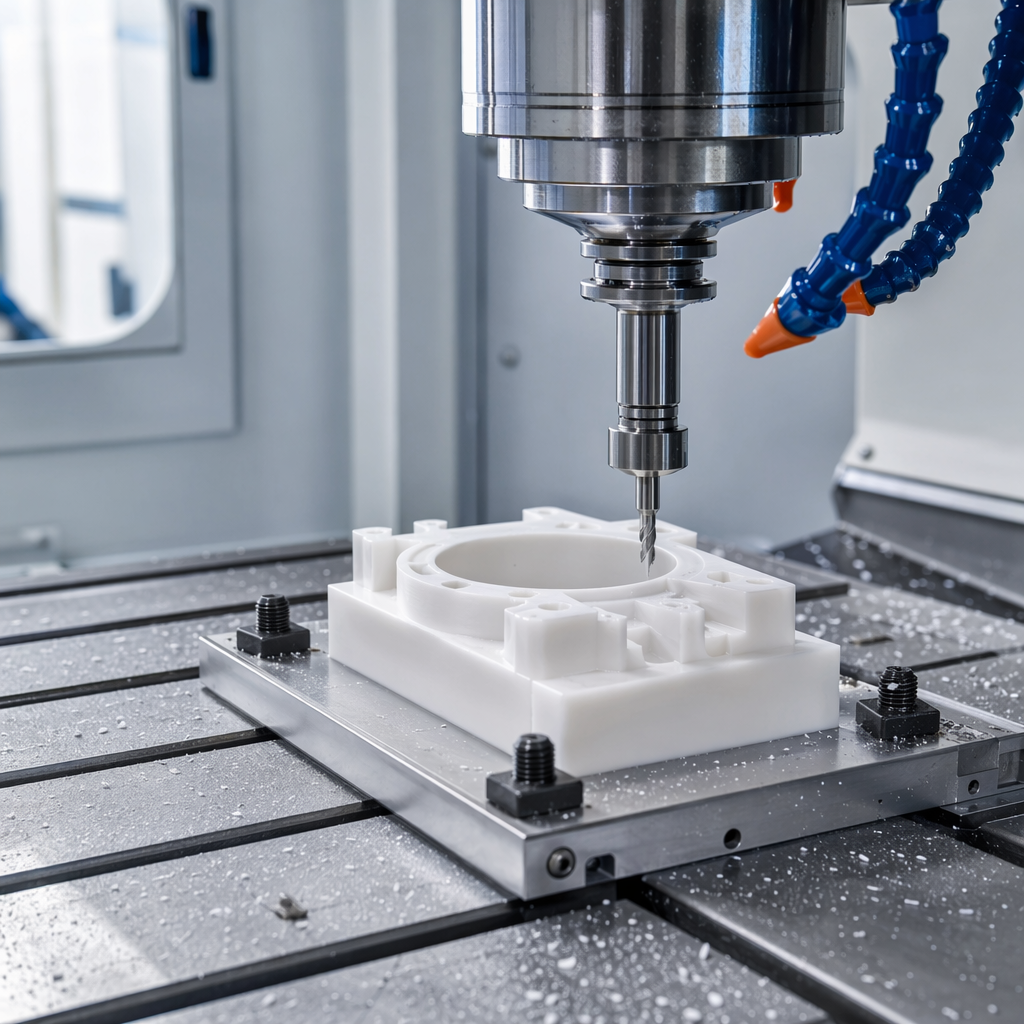
Advantages of CNC Milling for Plastics
When compared to traditional machining methods, CNC milling offers several key benefits for plastic part production:
- Complex geometries — 3-axis and 5-axis machines can produce intricate shapes impossible with other methods
- High repeatability — computer-controlled precision ensures consistent results across production runs
- Material efficiency — optimized tool paths minimize waste
- Quick turnaround — no mold tooling required, ideal for prototypes and small batches
Choosing Materials for CNC Milling
Nylon (PA6, PA66) is the most commonly milled engineering plastic due to its excellent machinability and mechanical properties. Other popular choices include:
- POM (Acetal) — exceptional dimensional stability, minimal warping
- PEEK — high-temperature applications, aerospace-grade performance
- Polycarbonate — optical clarity, impact resistance
- PTFE — ultra-low friction, chemical resistance
Why Choose Our CNC Milling Services
CNC milling is the workhorse of precision manufacturing. Our multi-axis milling centers handle everything from simple plastic blocks to complex 3D contoured surfaces:
- 300+ CNC machines including 4-axis and 5-axis machining centers for complex geometries
- ±0.005mm precision — high-precision control for aerospace, medical, and semiconductor applications
- Large part capability — worktable up to 3000mm × 2000mm; minimum feature size 0.1mm
- MOQ 1 piece — prototype milling without mold costs; full production runs on the same equipment
- Fast turnaround — standard parts in 24 hours; small batches in 3–5 working days
Have a milling project? Share your part drawings, material specifications, and required tolerances for an instant quote.
FAQ
When is CNC Milling Engineering Plastics: Precision and Versatility a good option?
CNC Milling Engineering Plastics: Precision and Versatility is a good option when fast iteration, complex geometry, low tooling cost, or low-volume production is more important than molded-part unit cost.
What should be checked before choosing CNC Milling Engineering Plastics: Precision and Versatility?
Check part size, material properties, surface finish, dimensional tolerance, heat exposure, load direction, and whether post-processing is required.
How does CNC Milling Engineering Plastics: Precision and Versatility compare with CNC machining?
3D printing can create complex shapes quickly, while CNC machining is often stronger for precise surfaces, tighter tolerances, and production-grade materials.
What affects the cost of CNC Milling Engineering Plastics: Precision and Versatility?
Cost depends on material, build volume, print time, layer height, support removal, finishing, inspection, and the number of parts in the build.