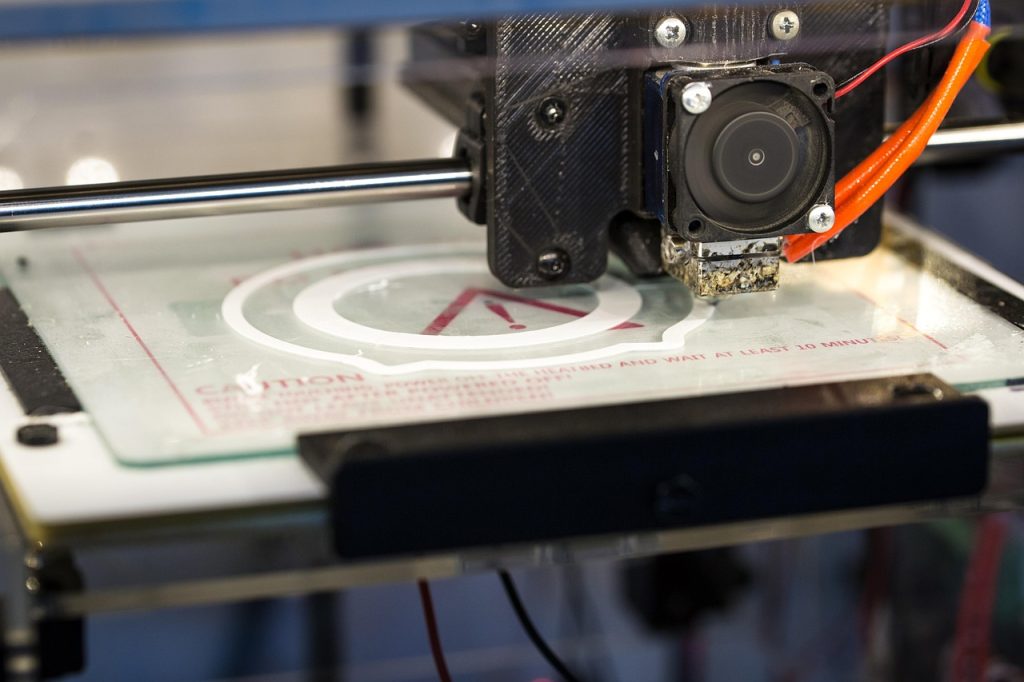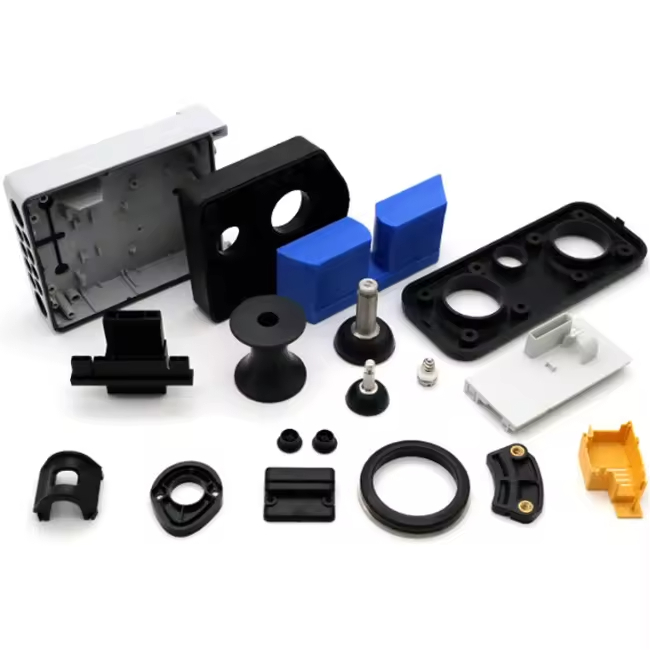
PolyJet is a high-resolution additive manufacturing technology that works similarly to inkjet document printing — but instead of depositing ink on paper, it jets and instantly cures photopolymer droplets with UV light to build 3D parts. What makes PolyJet exceptional is its ability to print multiple materials in a single print job, enabling parts with varying Shore hardness, transparency, and color gradients within the same component.
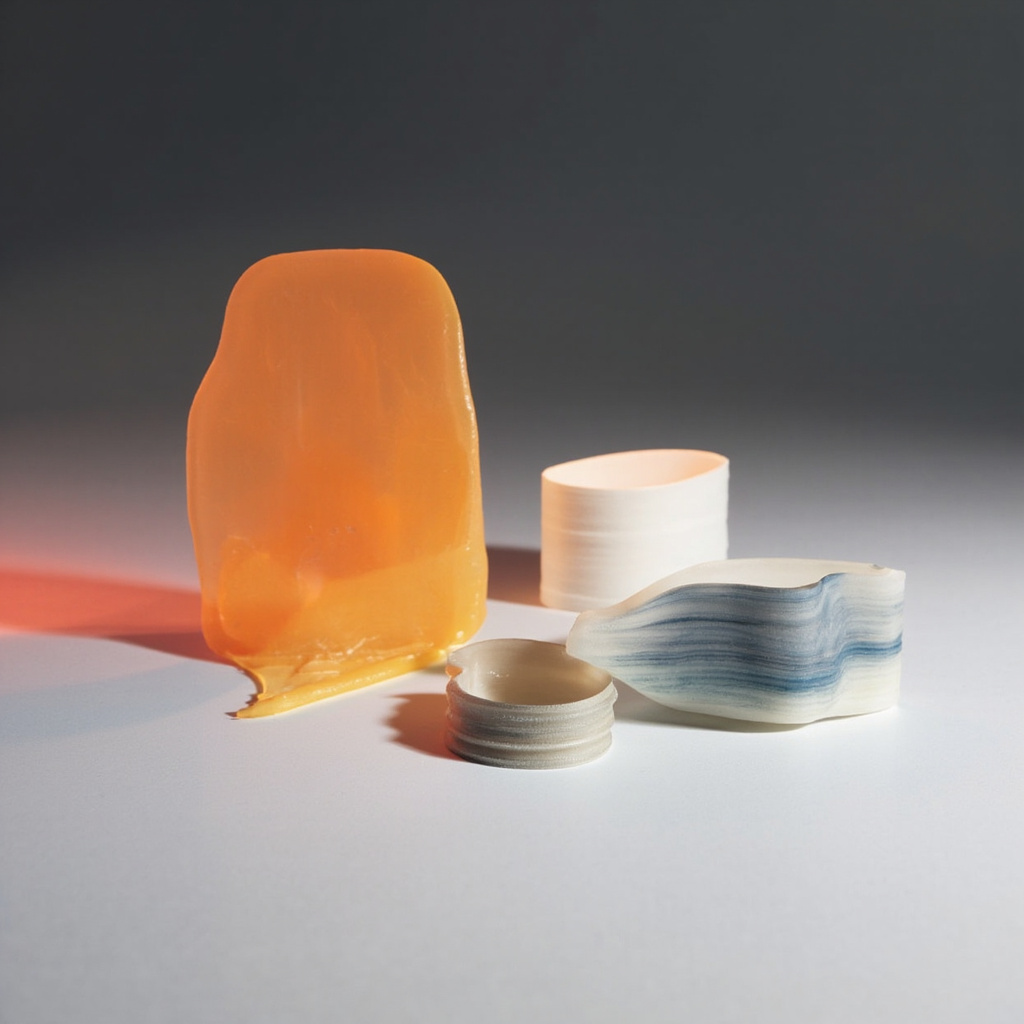
How PolyJet 3D Printing Works
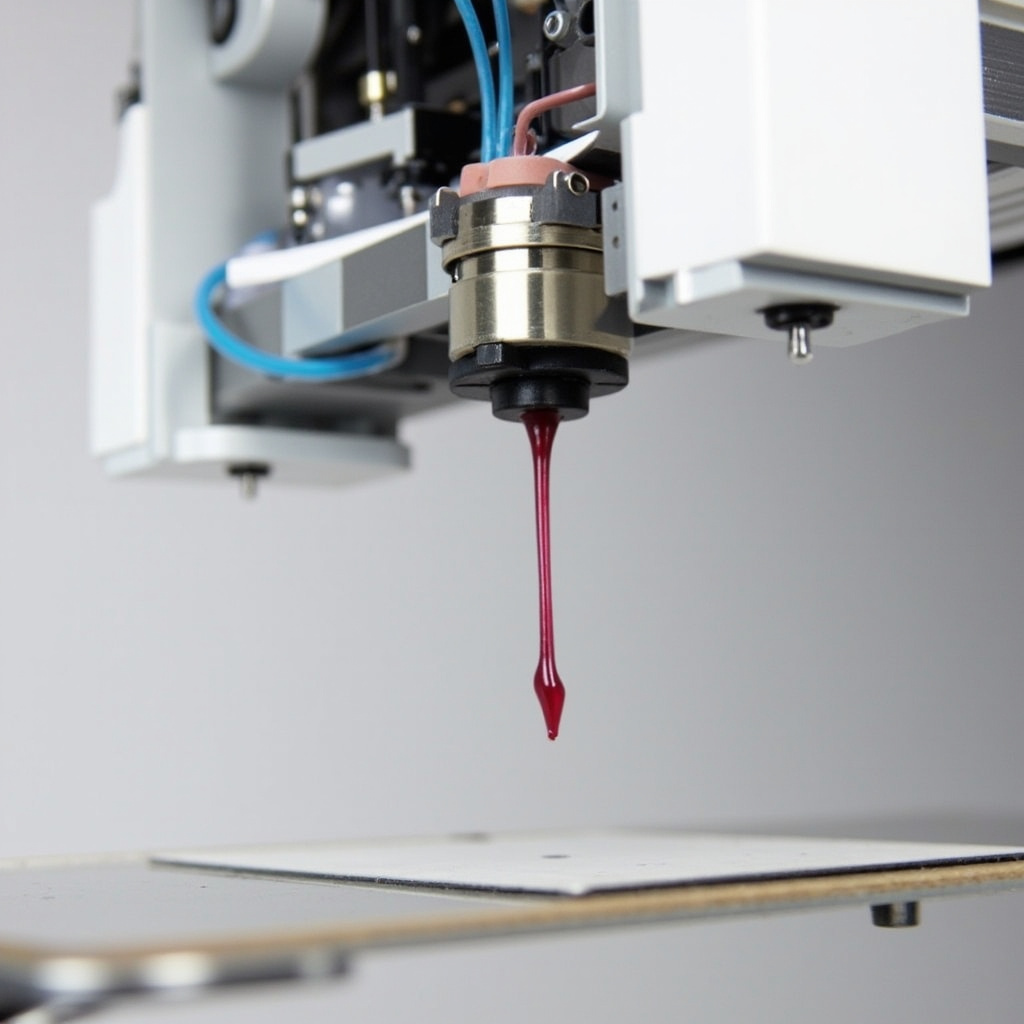
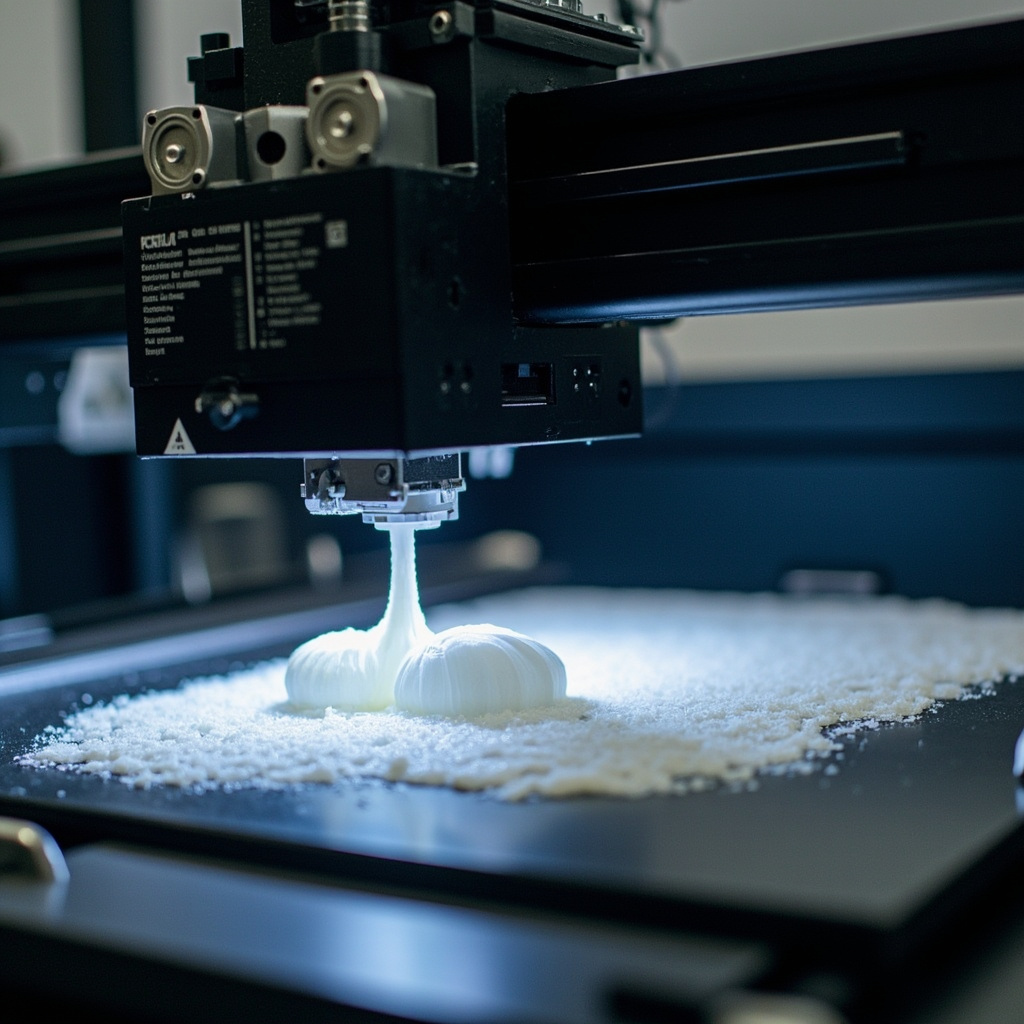
PolyJet printers use an array of print heads to jet microscopic droplets of liquid photopolymer material onto the build platform. As each droplet is deposited, it is instantly cured by integrated UV lamps. The build platform lowers by one layer (typically 16-30 microns), and the process repeats until the full part is complete.
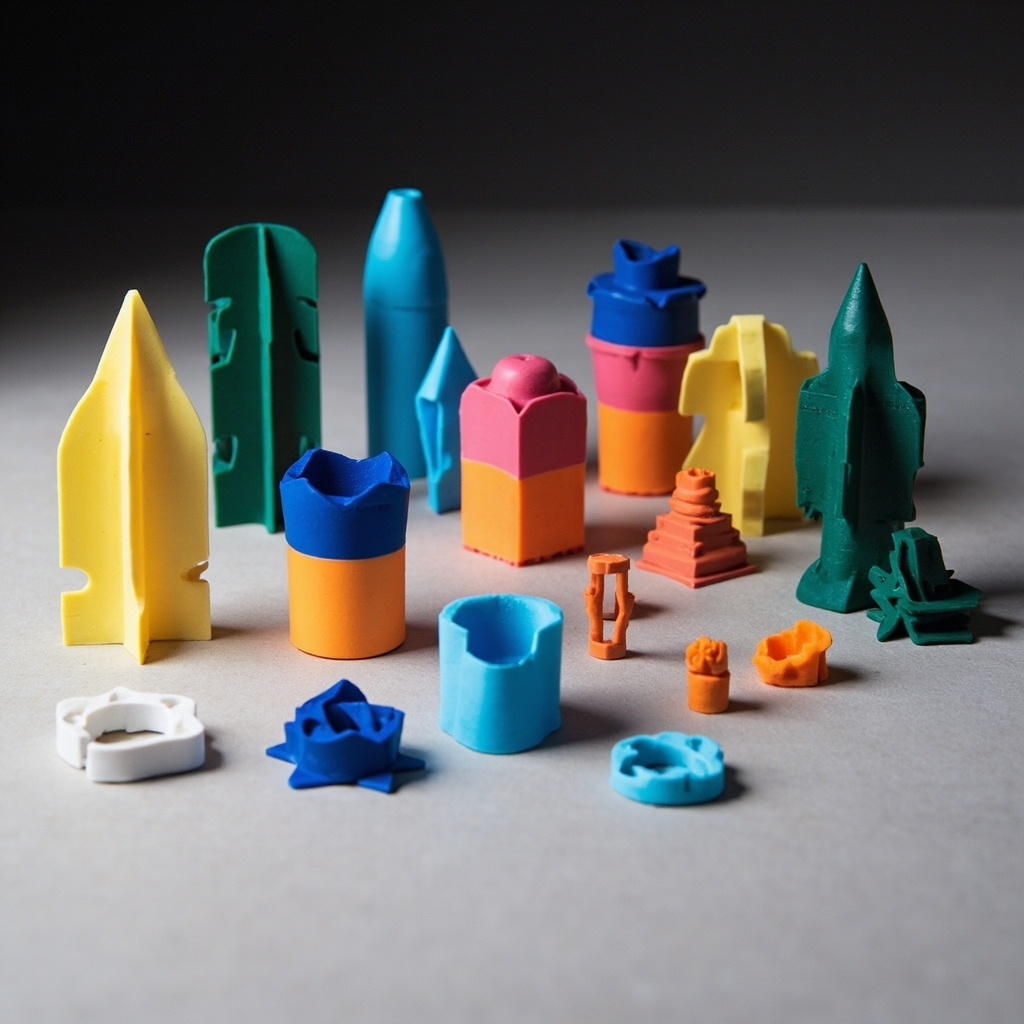
The key differentiator is the ability to jet multiple materials simultaneously — including rigid opaque materials, rubber-like elastomers, and transparent clear resins — from separate print heads. This allows for complex material combinations such as overmolded appearances, varying durometers within a single part, and parts that simulate two-shot injection molded components — all without post-processing assembly.
Key Advantages of PolyJet Technology
Multi-Material Printing
PolyJet is the only mainstream 3D printing technology that can produce parts with multiple material properties in a single build. This includes combinations of rigid and flexible materials, clear and colored sections, and parts that simulate overmolded or two-shot injection molded components — all without post-production assembly.
Ultra-Fine Layer Resolution
With layer thicknesses as fine as 16 microns, PolyJet produces parts with surface finishes that rival injection molding. Fine features down to 0.1mm are reliably reproduced, and sharp edges and small text are crisper than any other polymer 3D printing process.
Full-Color Printing
PolyJet can produce parts in full CMYK color, making it ideal for visual prototypes that need to communicate design intent accurately, eliminating the need for post-painting or spray coating.
Available Materials
| Category | Examples | Applications |
|---|---|---|
| Rigid Opaque | Vero series (white, black, gray, blue) | Housing prototypes, concept models |
| Rubber-Like | TangoBlack, TangoPlus (Shore A 27-95) | Grips, seals, overmolded areas |
| Transparent | VeroClear, FullCure 720 | Lens prototypes, light pipes, fluidic parts |
| Bio-Compatible | MED610 (biocompatible certified) | Surgical guides, medical models |
Common Applications
- Consumer electronics: Realistic product prototypes with multiple textures, colors, and soft-touch elements
- Medical and dental: Patient-specific anatomical models, surgical guides, and medical device prototypes
- Automotive: Interior trim prototypes and soft-touch dashboard components
- Industrial design: Design review models with realistic material simulation and full-color aesthetics
FAQ
When is PolyJet 3D Printing Services a good option?
PolyJet 3D Printing Services is a good option when fast iteration, complex geometry, low tooling cost, or low-volume production is more important than molded-part unit cost.
What should be checked before choosing PolyJet 3D Printing Services?
Check part size, material properties, surface finish, dimensional tolerance, heat exposure, load direction, and whether post-processing is required.
How does PolyJet 3D Printing Services compare with CNC machining?
3D printing can create complex shapes quickly, while CNC machining is often stronger for precise surfaces, tighter tolerances, and production-grade materials.
What affects the cost of PolyJet 3D Printing Services?
Cost depends on material, build volume, print time, layer height, support removal, finishing, inspection, and the number of parts in the build.