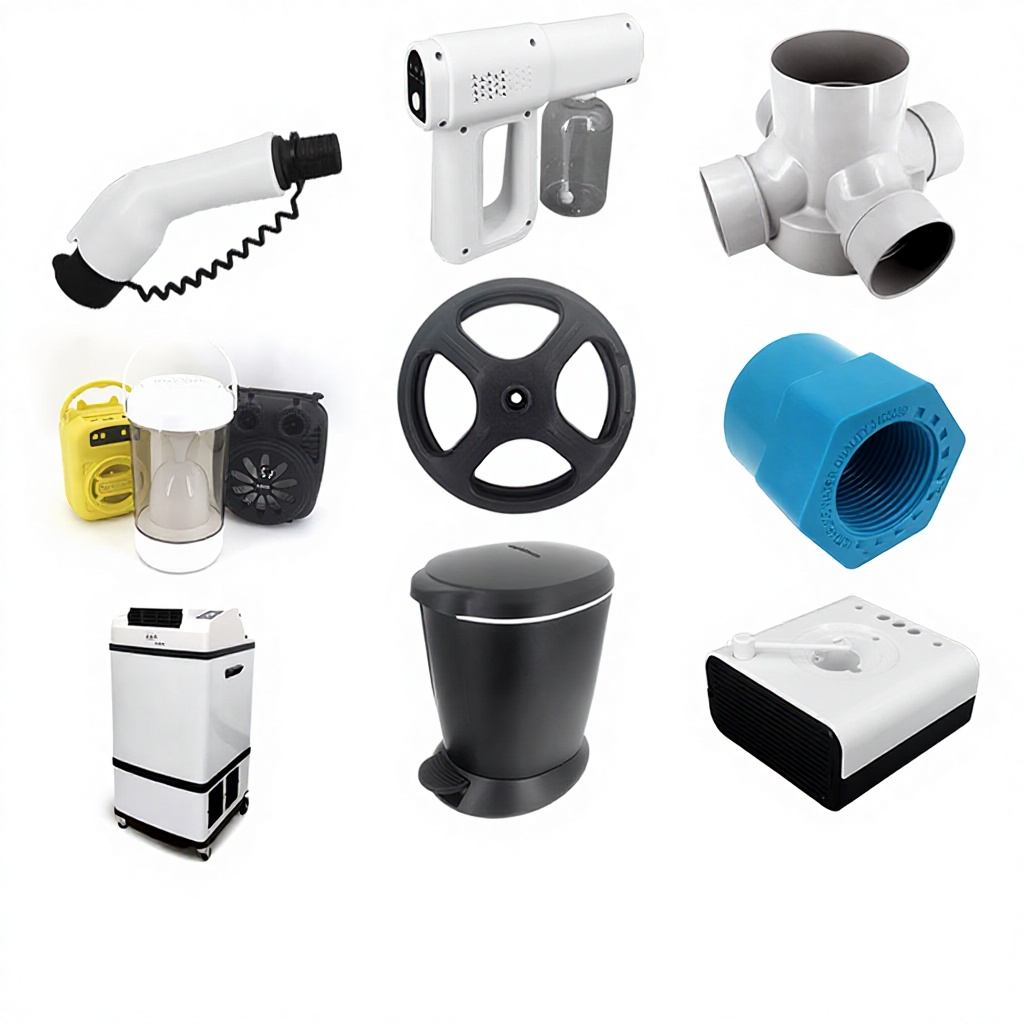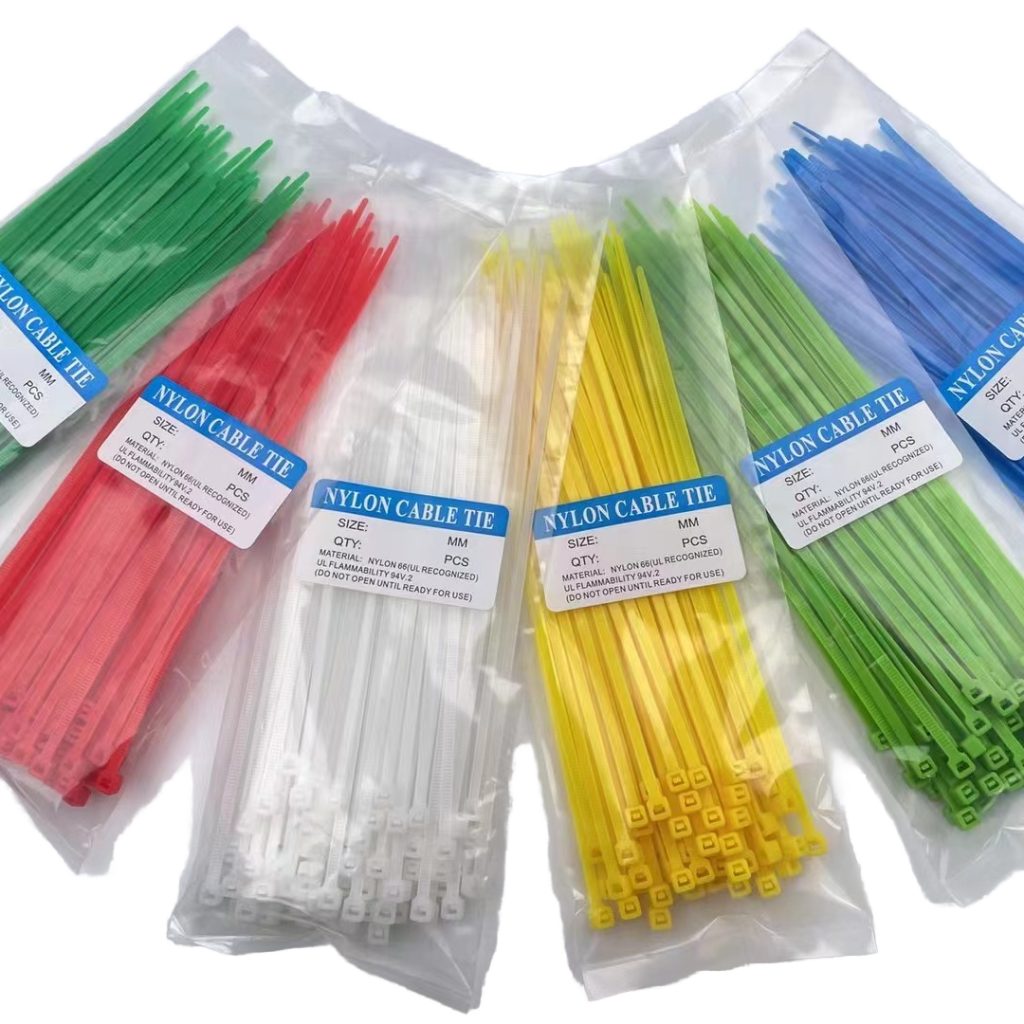
Fiberglass is a practical engineering topic when you need to compare options, check limits, and choose a process with less risk.
Fiberglass is widely used when teams need a practical balance of stiffness, weight reduction, corrosion resistance, and cost.
High-Density Polyethylene (HDPE) represents one of the most versatile and widely used thermoplastic materials in modern manufacturing, with global production exceeding 50 million metric tons annually. As a member of the polyethylene family, HDPE combines excellent chemical resistance, high strength-to-density ratio, and exceptional processability across multiple manufacturing methods. This comprehensive guide examines HDPE material properties, processing characteristics, and industrial applications, drawing on decades of engineering experience with polyethylene materials.
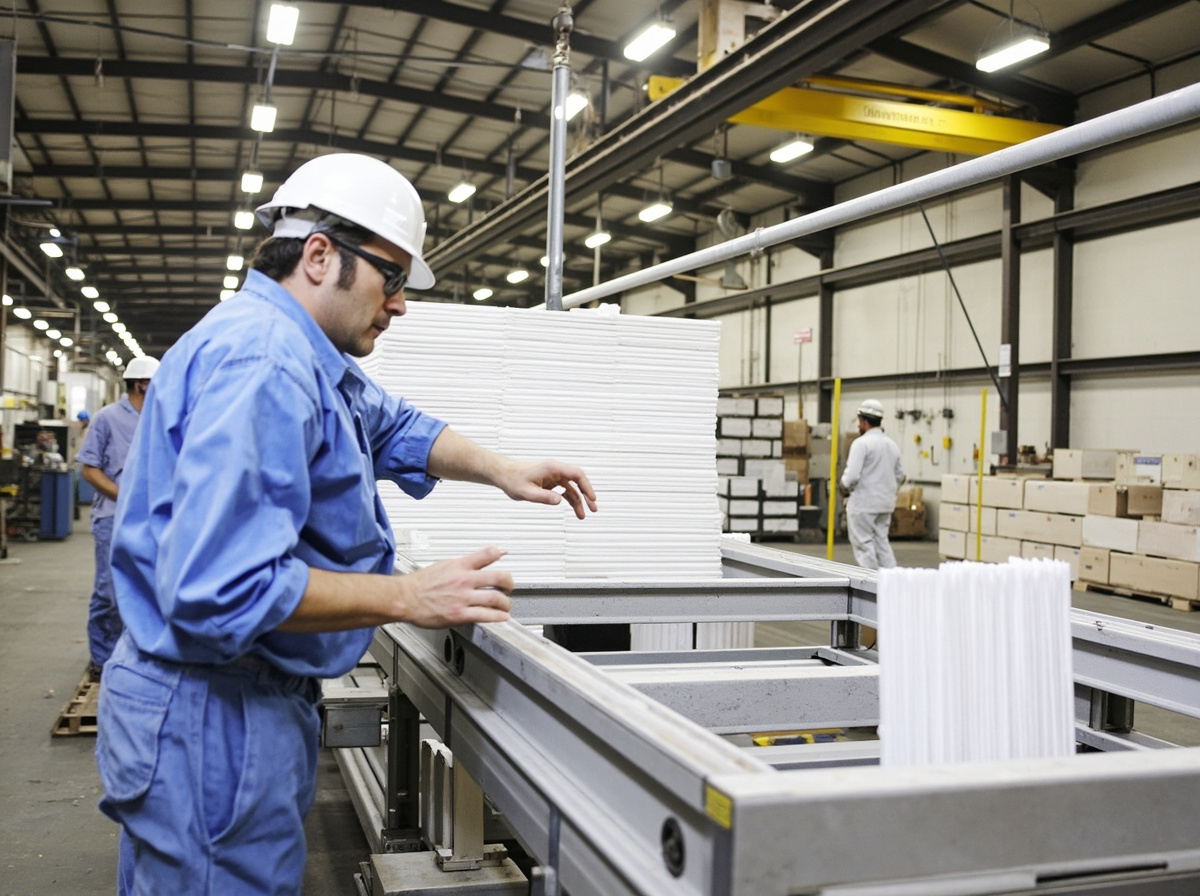
Chemical Structure and Polymerization
HDPE is a linear polyethylene polymer produced through either Ziegler-Natta or metallocene catalysis, resulting in a polymer with minimal branching (typically less than 1 branch per 1000 carbon atoms). This linear structure enables high crystallinity (60-80%) and density (0.941-0.965 g/cm³), distinguishing it from low-density polyethylene (LDPE) with its highly branched structure and lower crystallinity (40-50%). The polymerization process controls molecular weight distribution, with commercial HDPE grades ranging from 50,000 to 250,000 g/mol weight-average molecular weight (Mw).

Mechanical and Physical Properties
| Property | Typical Value | Test Method | Significance |
|---|---|---|---|
| Density | 0.941-0.965 g/cm³ | ASTM D792 | Higher than LDPE (0.910-0.940) |
| Tensile Strength | 20-40 MPa | ASTM D638 | Good structural capability |
| Flexural Modulus | 0.8-1.5 GPa | ASTM D790 | Stiffer than LDPE |
| Izod Impact (Notched) | 20-200 J/m | ASTM D256 | Good toughness at low temperatures |
| Melting Point | 120-140°C | ASTM D3418 | Lower than engineering thermoplastics |
| HDT @ 0.46 MPa | 70-90°C | ASTM D648 | Limited heat resistance |
| Coefficient of Friction | 0.2-0.3 | ASTM D1894 | Excellent wear properties |
Processing Methods for HDPE
Injection Molding
HDPE injection molding requires melt temperatures of 180-240°C with mold temperatures of 20-60°C. The material’s high crystallinity leads to significant shrinkage (1.5-3.0%), requiring careful mold design to accommodate dimensional changes. HDPE processes well on standard reciprocating screw machines with general-purpose screws (L/D ratio 20:1 to 24:1, compression ratio 2.0:1 to 3.0:1).
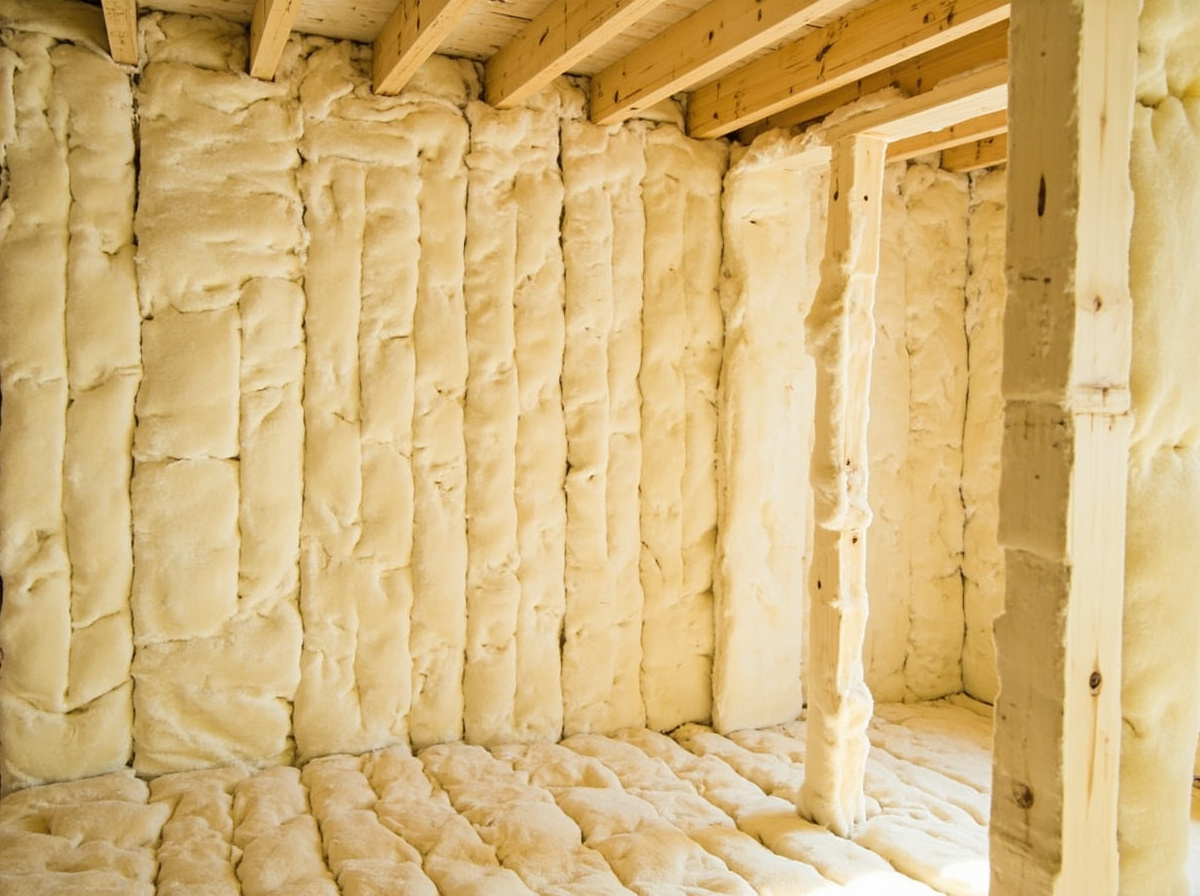
Extrusion
HDPE extrusion dominates pipe and profile production, with single-screw extruders (L/D ratio 24:1 to 30:1) providing excellent melt homogeneity. Die design must account for significant die swell (30-50%) and post-extrusion shrinkage. For pipe production, vacuum sizing tanks and cooling baths ensure dimensional stability and roundness.
Blow Molding
Industrial Applications
Pipe and Fittings
HDPE pipe systems represent the largest single application, valued for corrosion resistance, flexibility, and leak-free heat-fused joints. Pressure ratings from PN 6 to PN 25 accommodate municipal water distribution, gas distribution, and industrial fluid handling. The material’s resistance to slow crack growth ensures 50+ year service life under continuous pressure.
Packaging
HDPE dominates rigid packaging applications including milk jugs, detergent bottles, and food containers. Its excellent moisture barrier properties (0.3-0.4 g·mm/m²·day·atm) protect contents from humidity, while FDA compliance enables direct food contact. High-impact copolymers provide drop resistance for handled containers.
Geomembranes and Liners
HDPE geomembranes (0.75-3.0mm thickness) provide impermeable barriers for landfill liners, mining leach pads, and water containment. Carbon black stabilization (2-3%) provides UV resistance for exposed applications, while textured surfaces enhance soil interface friction.
Material Selection Guidelines
When specifying HDPE for engineering applications, consider these critical factors:
Chemical Resistance: HDPE resists most acids, alkalis, and organic solvents at room temperature, making it suitable for chemical storage and handling. However, it swells in chlorinated hydrocarbons and aromatics above 60°C.
Environmental Stress Crack Resistance (ESCR): Medium- and high-molecular-weight grades offer superior ESCR for detergent bottles and fuel tanks. ASTM D1693 testing differentiates grades for demanding applications.
UV Stability: Unstabilized HDPE degrades rapidly outdoors. Carbon black (2-3%) provides the most effective UV protection, while hindered amine light stabilizers (HALS) maintain color in pigmented applications.
Temperature Limitations: Continuous service temperature of 60°C (140°F) limits high-temperature applications. For elevated temperature requirements, consider crosslinked polyethylene (PEX) or polypropylene.
Conclusion
HDPE’s combination of chemical resistance, processability, and cost-effectiveness ensures its continued dominance across packaging, pipe, and industrial applications. Understanding the relationship between molecular structure (density, molecular weight, branching) and end-use performance enables optimal material selection for specific application requirements. As sustainability concerns drive increased recycling rates, HDPE’s excellent recyclability positions it favorably within circular economy initiatives.
FAQ
How do you know whether Fiberglass: Complete Guide to Fiber Reinforced Polymer Composites fits a part?
Fiberglass: Complete Guide to Fiber Reinforced Polymer Composites fits a part when its load capacity, temperature range, moisture exposure, wear behavior, and processing method match the real service conditions.
What properties should be checked for Fiberglass: Complete Guide to Fiber Reinforced Polymer Composites?
Check strength, stiffness, impact resistance, heat resistance, moisture absorption, dimensional stability, friction, wear, and chemical compatibility.
What is the biggest selection risk for Fiberglass: Complete Guide to Fiber Reinforced Polymer Composites?
The biggest risk is choosing from a datasheet value without considering actual environment, processing method, part geometry, and long-term use.
When should Fiberglass: Complete Guide to Fiber Reinforced Polymer Composites be tested before production?
Testing is recommended when the part faces load, heat, chemicals, moisture, tight tolerances, regulatory requirements, or a new operating environment.