
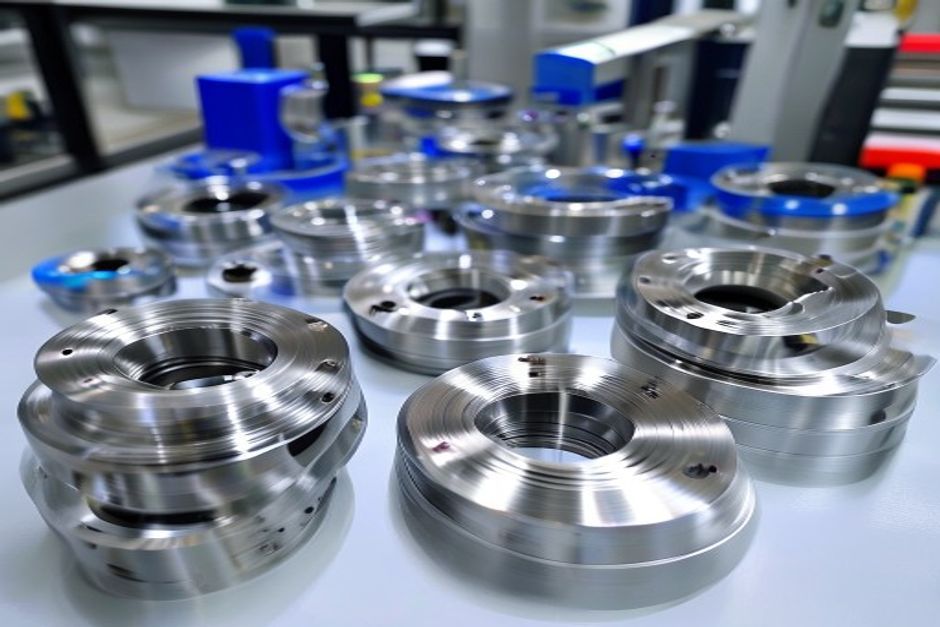
Selecting a CNC machining partner for plastic components is a strategic decision that affects product quality, time-to-market, and supply chain reliability. Engineering plastics including Nylon (PA6, PA66), POM (acetal), PEEK, and polycarbonate have distinct machining characteristics — different feed rates, coolant requirements, and thermal behaviors compared to metals. A supplier experienced in machining aluminum may produce substandard plastic components.
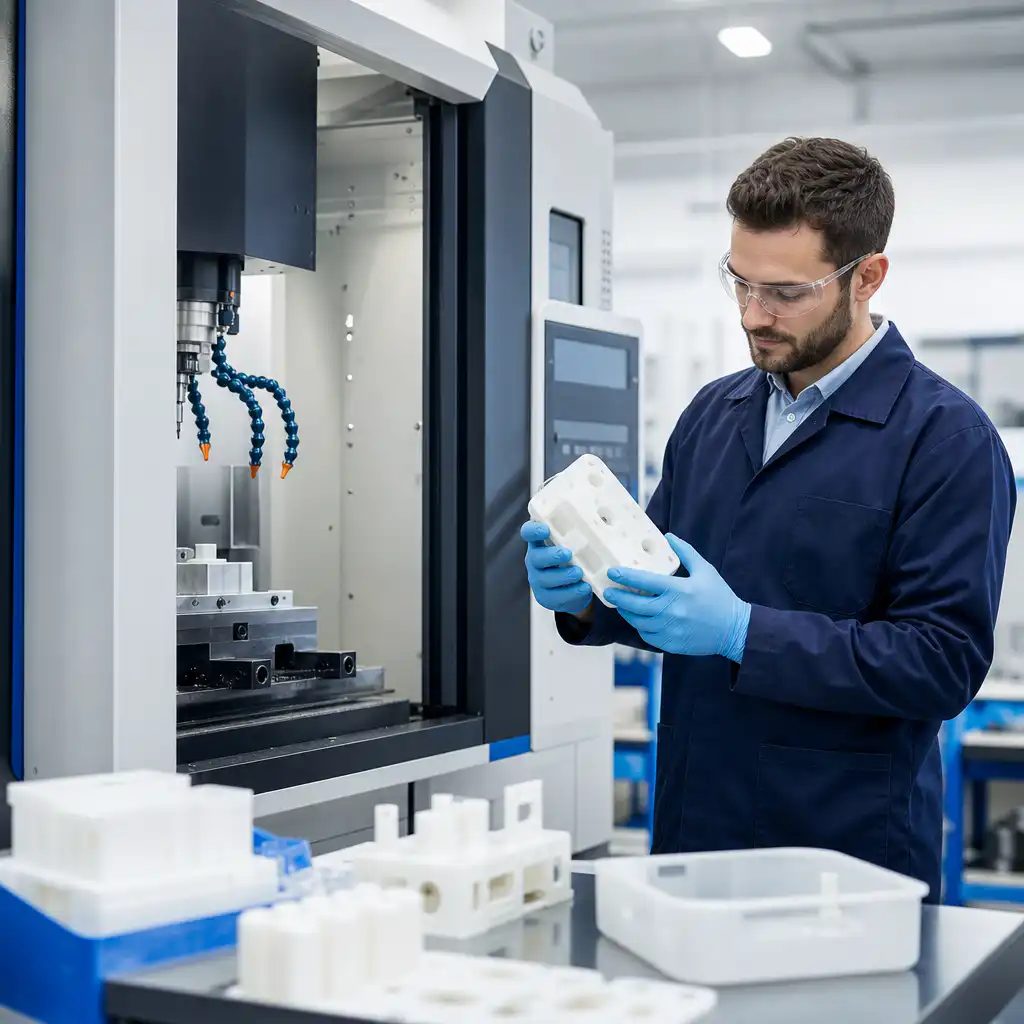
Key Evaluation Criteria
1. Material-Specific Machining Expertise
Not all CNC shops are equally competent across materials. When evaluating suppliers, ask specifically:
- Which engineering plastics do you routinely machine? (Nylon, POM, PEEK, UHMW, PTFE, polycarbonate)
- What cutting tools do you use for plastics? (Diamond-coated, polished flutes, high-helix angles)
- How do you control heat generation? (Coolant type, climb milling, depth of cut strategy)
- What tolerances do you routinely hold on plastic components? (±0.001? ±0.005?)
Shops that primarily machine metals often use cutting parameters optimized for metal — resulting in melted plastic, poor surface finish, and dimensional instability from heat.
2. Machine Capabilities and Tolerances
Evaluate the supplier’s equipment portfolio:
- Axis Count: 3-axis handles most prismatic parts; 4-axis for rotational features; 5-axis for complex contoured surfaces and undercuts
- Spindle Speed: Plastics machine best at high RPM (10,000-30,000) with low cutting forces
- Table Size and Payload: Can they handle your part envelope and batch quantities?
- Live Tooling (on lathes): Enables milling and drilling operations without re-fixturing
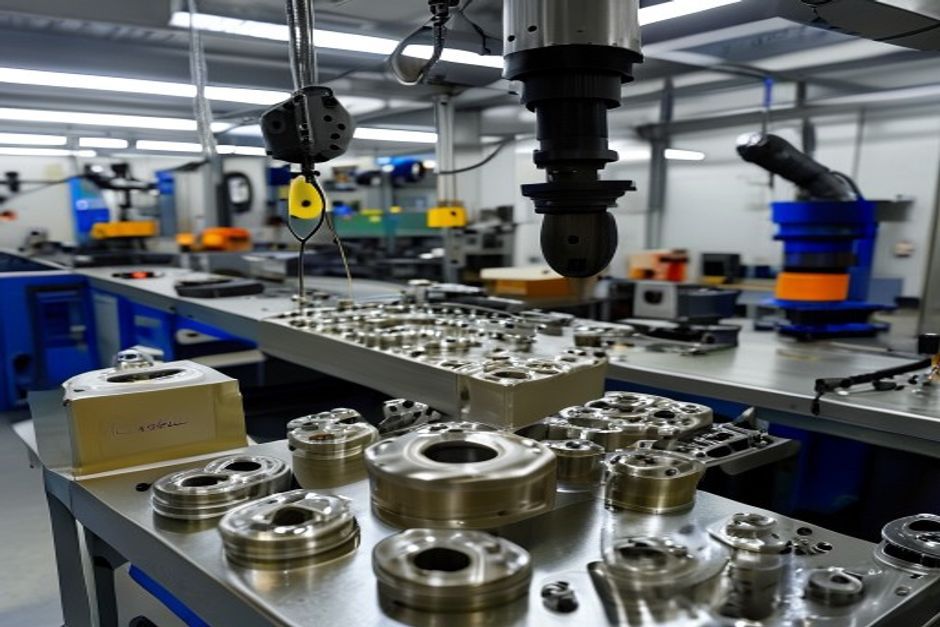
3. Quality Management System
A robust quality system is non-negotiable for precision components:
- ISO 9001:2015 Certification: Baseline requirement for any serious manufacturing supplier
- CMM Capability: Coordinate Measuring Machine availability for dimensional verification
- First Article (FAI): Do they provide documented FAI reports per AS9102 or equivalent?
- Material Certifications: Can they provide material test reports and traceability documentation?
- In-Process : Do they check dimensions during production or only at final audit?
4. Prototyping to Production Transition
The ideal supplier supports the full product lifecycle:
- Can they produce 1-5 prototype pieces within 3-5 business days?
- Do they offer Design for Manufacturability (DFM) feedback during prototyping?
- Can they scale to 100-1,000+ pieces with consistent quality?
- Do they maintain digital traceability of process parameters across volumes?
5. Communication and Engineering Support
- Is there a dedicated engineering contact (not just sales)?
- How quickly do they respond to technical questions?
- Can they recommend design optimizations to reduce cost or improve performance?
- Do they provide CAD file review and feedback before quoting?
Red Flags to Avoid
- No experience machining engineering plastics (only metals)
- No ISO 9001 or equivalent quality certification
- Quoting based only on “per piece” without reviewing drawings
- Poor communication during the quoting phase (will likely worsen in production)
- No clear lead time commitment or missed deadlines during prototyping
Questions to Ask During Supplier Evaluation
Before committing to a supplier, request a small prototype order and evaluate:
- How closely did the delivered parts match the drawing tolerances?
- Was the surface finish as specified?
- Did they proactively communicate status updates?
- Was the invoice amount exactly as quoted (no hidden setup or minimum charges)?
- Did they offer DFM suggestions to improve manufacturability or reduce cost?
FAQ
When is How to Select a CNC Machining Partner for Plastic Components a good option?
How to Select a CNC Machining Partner for Plastic Components is a good option when fast iteration, complex geometry, low tooling cost, or low-volume production is more important than molded-part unit cost.
What should be checked before choosing How to Select a CNC Machining Partner for Plastic Components?
Check part size, material properties, surface finish, dimensional tolerance, heat exposure, load direction, and whether post-processing is required.
How does How to Select a CNC Machining Partner for Plastic Components compare with CNC machining?
3D printing can create complex shapes quickly, while CNC machining is often stronger for precise surfaces, tighter tolerances, and production-grade materials.
What affects the cost of How to Select a CNC Machining Partner for Plastic Components?
Cost depends on material, build volume, print time, layer height, support removal, finishing, inspection, and the number of parts in the build.

