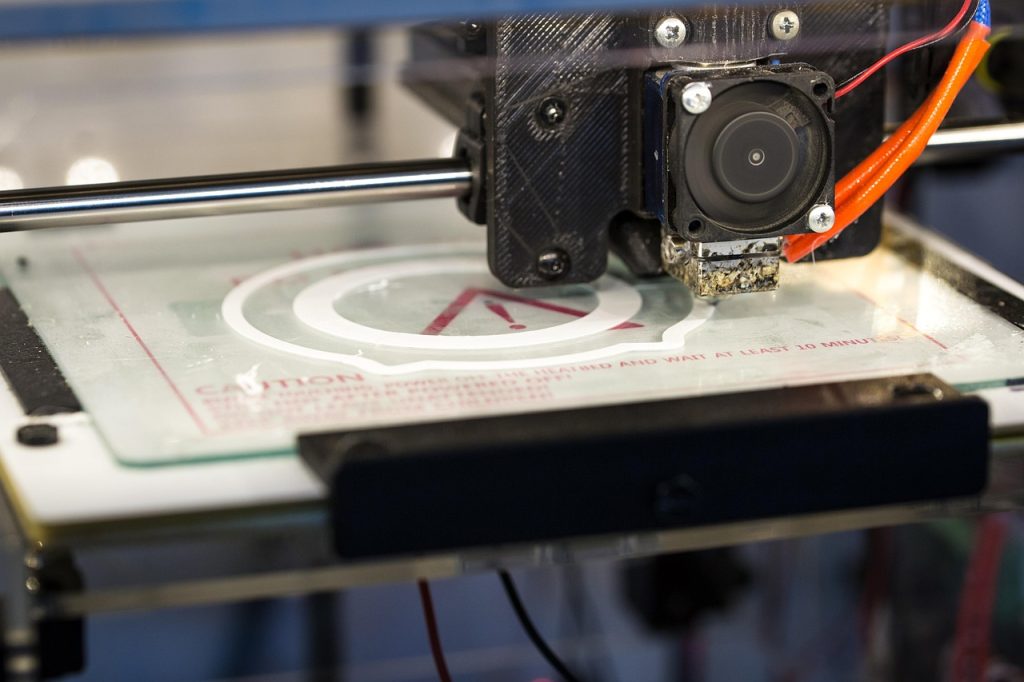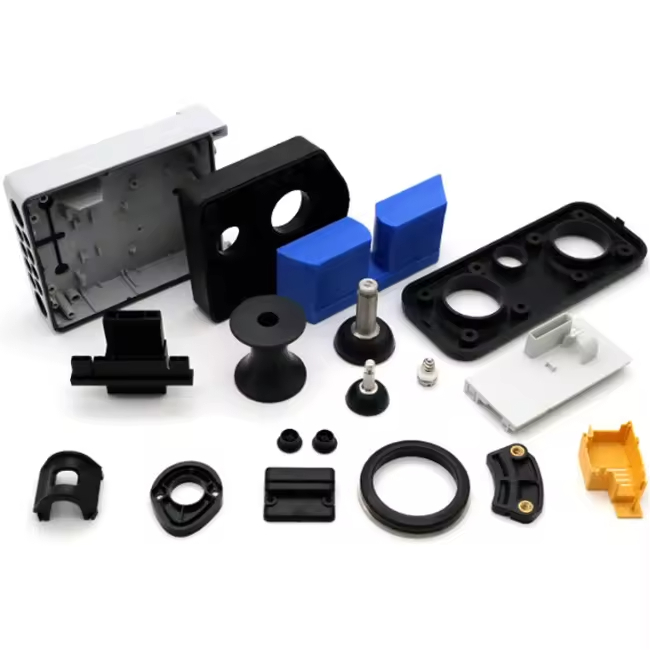
This plastic 3D printing service guide helps buyers compare SLS, MJF, SLA, DLS, PolyJet, and FDM options for functional prototypes, fixtures, and low-volume engineering parts.
What Is a Plastic 3D Printing Service?
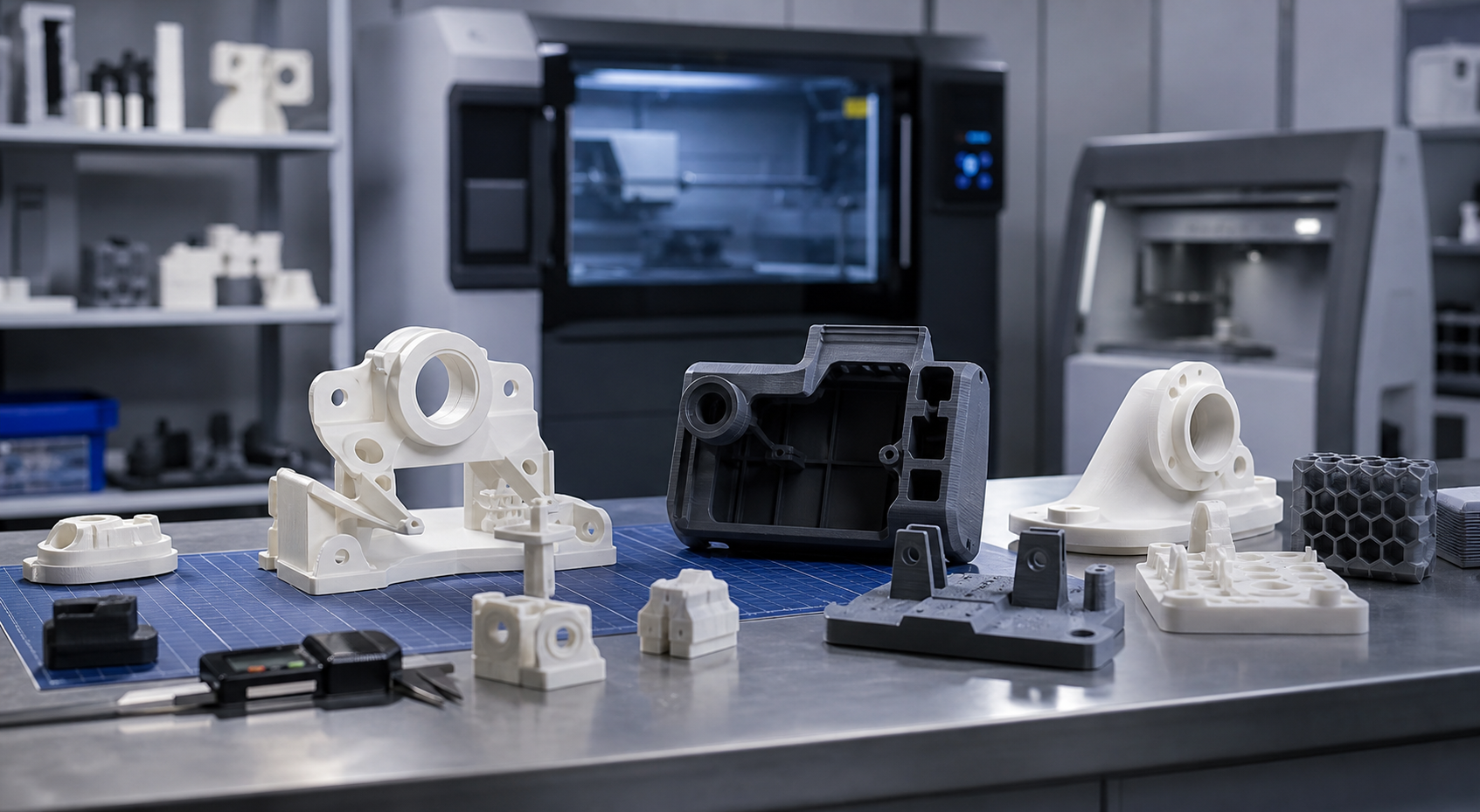
A plastic 3D printing service produces custom plastic parts from digital files using additive manufacturing processes such as SLS, MJF, SLA, DLS, PolyJet and FDM. It is used for prototypes, fixtures, low-volume parts, bridge production and complex geometries that are difficult or expensive to mold.
The best process depends on mechanical load, surface finish, tolerance, heat exposure, material behavior and quantity. A useful supplier should recommend the process, not simply print every file with the same material.
Plastic 3D Printing Processes at a Glance
| Process | Common materials | Strengths | Limitations |
|---|---|---|---|
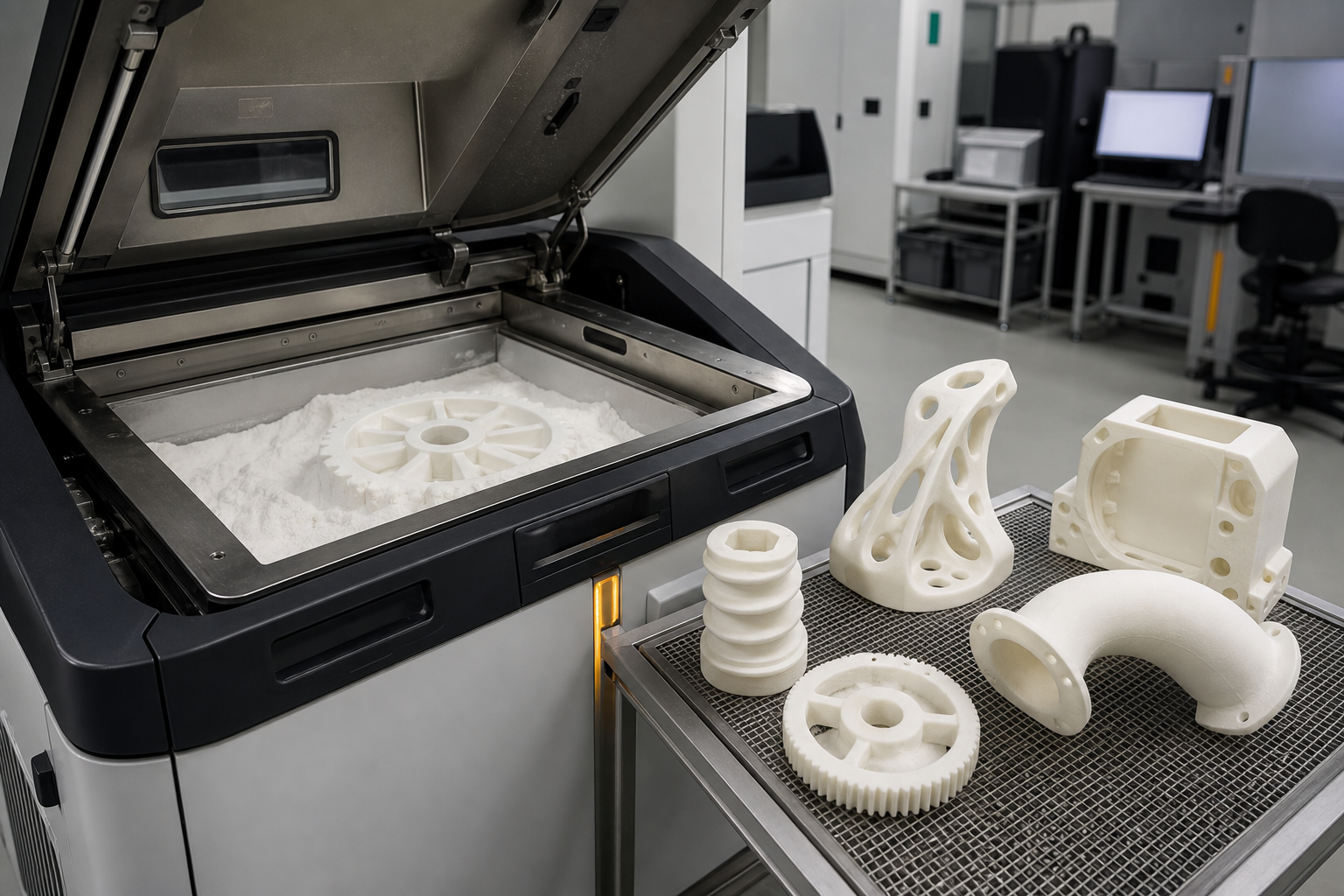
| SLS | PA12, PA11, filled nylon | Strong functional parts, no support structures | Grainy surface and geometry-dependent tolerance |
| MJF | PA12, PA11, TPU | Good repeatability and production speed | Limited material range |
| SLA | Photopolymer resin | Smooth surface and fine details | Resin may not match thermoplastic performance |
| DLS | Engineering photopolymers | Good surface and functional resin options | Material cost and availability |
| PolyJet | Rigid and rubber-like photopolymers | Visual models and multi-material parts | Less ideal for long-term loaded parts |
| FDM | ABS, PC, nylon, PETG, CF-filled filaments | Accessible and flexible material choice | Layer strength and surface finish vary |
When Plastic 3D Printing Makes Sense
Plastic 3D printing is a good fit when speed, iteration or geometry freedom matters more than the lowest unit cost. It is often used before injection molding to validate fit and function.
Good applications include:
- Functional prototypes.
- Jigs and fixtures.
- Low-volume nylon parts.
- Complex internal channels.
- Ergonomic test models.
- Replacement parts without tooling.
- Bridge production while molds are being built.
Choosing the Right Material
Material selection should start with the real use condition. SLS and MJF nylon PA12 are practical for many functional parts. TPU works for flexible components. SLA and DLS resins can provide smooth surfaces and detail, but they must be checked for heat resistance and long-term mechanical behavior.
For high-temperature or high-load parts, CNC machining or injection molding may be safer than 3D printing.
Plastic 3D Printing Design Rules
Good design improves print reliability and part performance. Use realistic wall thickness, add fillets to reduce stress, avoid fragile unsupported tabs and mark critical dimensions clearly.
If the printed part may later become an injection molded part, request DFM feedback early. Some geometry that prints easily may be difficult or expensive to mold.
Common Problems and Solutions
| Problem | Likely cause | Solution |
|---|---|---|
| Warped nylon part | Large flat geometry or uneven cooling | Adjust orientation, wall design or process |
| Weak FDM layers | Poor orientation or low temperature | Change build direction and process settings |
| Poor fit | Tolerance not defined | Mark critical dimensions and print a fit test |
| Brittle resin part | Wrong resin for functional load | Select engineering resin or switch process |
| Rough surface | Powder-bed process texture | Specify finishing or choose another process |
RFQ Checklist for Plastic 3D Printing
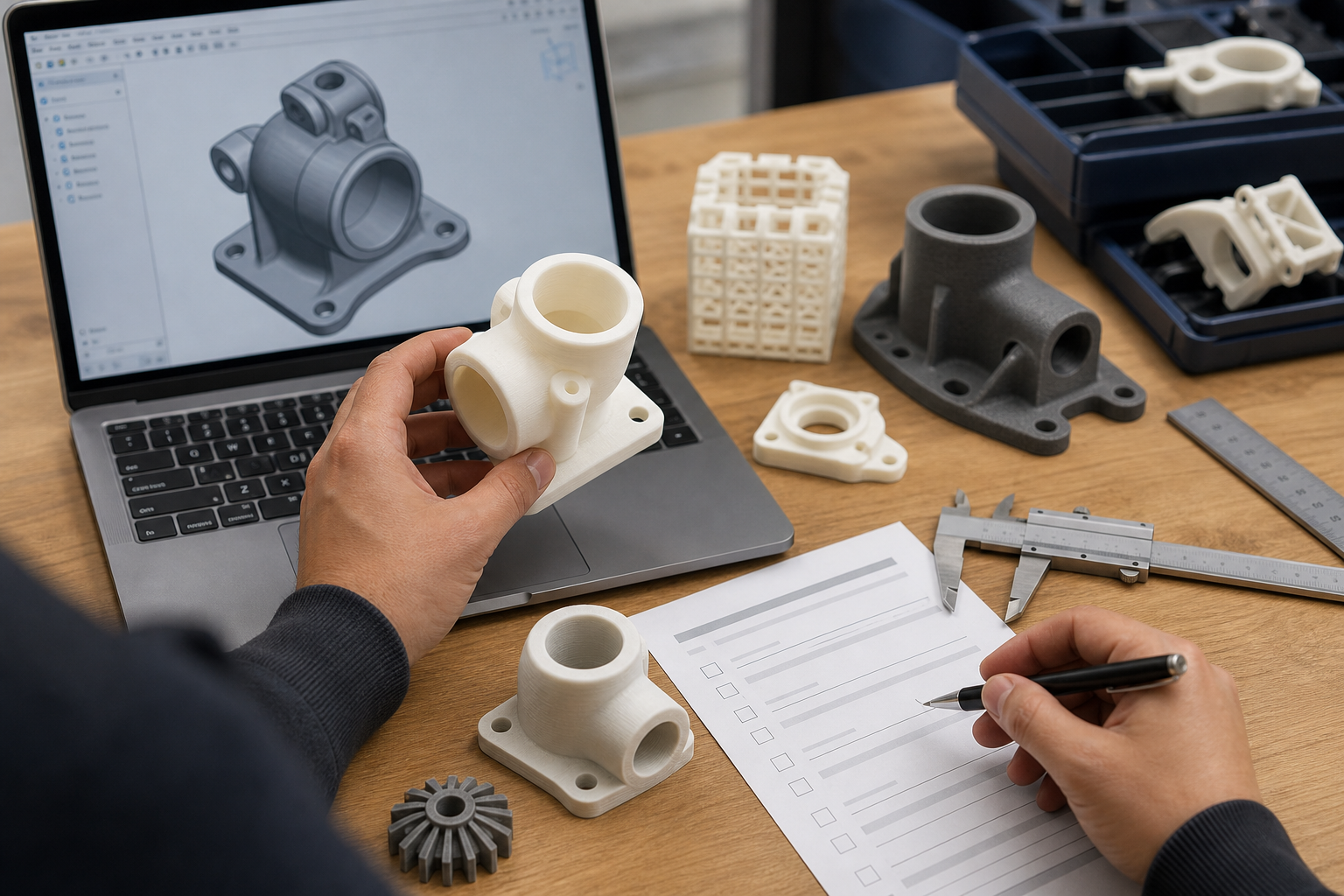
Send:
- STEP or STL file.
- Quantity and delivery deadline.
- Required material or performance target.
- Critical dimensions and tolerance areas.
- Surface finish and color requirements.
- Threading, inserts, tapping or post-processing needs.
- Whether the part is a prototype, fixture or end-use component.
- Heat, chemical or load conditions.
Plastic 3D Printing vs Injection Molding
3D printing is usually better for early design, complex geometry and low volume. Injection molding is usually better for high-volume production, consistent surface finish and lower unit cost after tooling.
Many projects use both: print prototypes first, test fit and function, then move to prototype tooling or production tooling after design approval.
Conclusion: Match Process to Part Function
A plastic 3D printing service should help buyers match material, process and design rules to the real part requirement. For functional parts, the right answer may be SLS nylon, MJF nylon, resin printing, FDM engineering filament, CNC machining or injection molding.
Nylon Plastic can help review your CAD files and recommend a practical production route for prototypes, fixtures and low-volume engineering plastic parts.
Buyer Problems That Lead to Inaccurate 3D Printing Quotes
- The inquiry sends only an STL without a drawing, quantity, use condition, or critical dimensions.
- SLS, MJF, SLA, DLS, PolyJet, and FDM quotes are compared without matching material, finish, orientation, and inspection.
- A cosmetic prototype is expected to prove production strength, or a functional prototype is judged by presentation finish alone.
- The future molding route is not discussed, so prototype geometry and materials validate the wrong question.
How Nylon Plastic Supports the Project
Nylon Plastic has supported material selection and finished plastic-part manufacturing since 2005. The same project review can connect process and material selection, file review, finishing, inspection, assembly, and transition to molding, so buyers do not have to evaluate each production decision in isolation.
- Review the drawing, material, quantity, critical features, and use environment before quotation.
- Compare 3D printing, CNC machining, rapid tooling, and production molding when more than one route is practical.
- Define samples, dimensional reports, material documents, traceability, and acceptance criteria before release.
Related Reading
Frequently Asked Questions
Which plastic 3D printing process is best for functional parts?
SLS and MJF are strong for nylon production parts, FDM for accessible engineering prototypes, and resin processes for detail or surface needs. Function and validation decide the route.
What files should be sent for a quote?
Send STEP when possible, STL if available, a drawing with critical dimensions, quantity, material or service conditions, finish, color, inserts, inspection, and deadline.
When should injection molding replace 3D printing?
Review molding when the design is stable, volume supports tooling, and repeat unit cost, resin choice, or production consistency matters more than rapid iteration.
Can a supplier recommend the process before quoting?
Yes. A useful review checks geometry, load, wall, tolerance, appearance, quantity, and future production plan before selecting SLS, MJF, SLA, DLS, PolyJet, or FDM.
Request a Plastic 3D Printing Review
Send the files, quantity, material needs, finish, tolerances, and application so the process can be selected before pricing.