
Engineering Plastic Material Properties & Grade Catalog
Browse Engineering Plastic Material Families
Engineering Plastic Material Categories
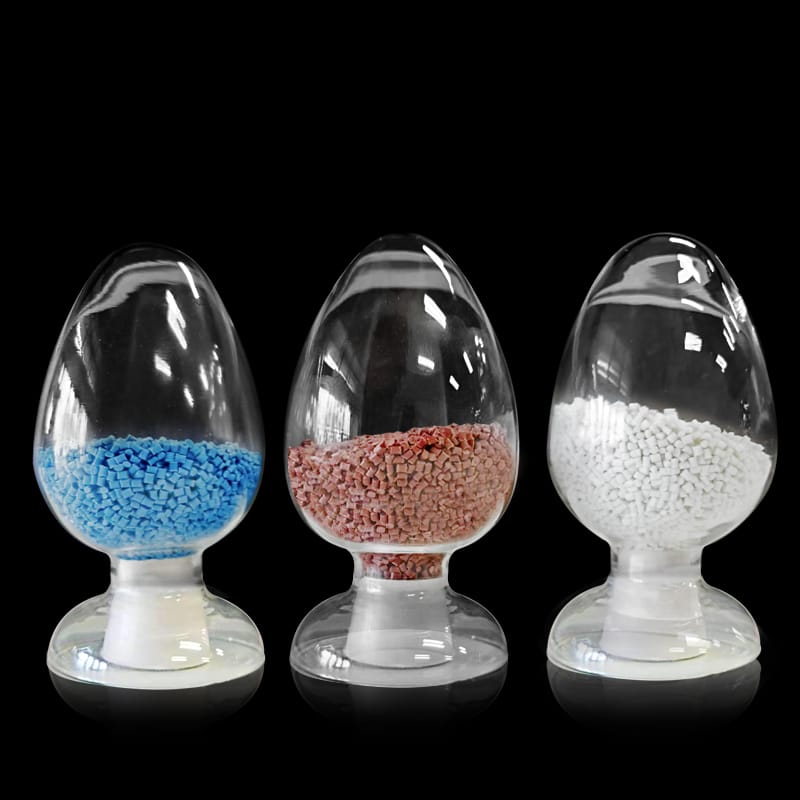
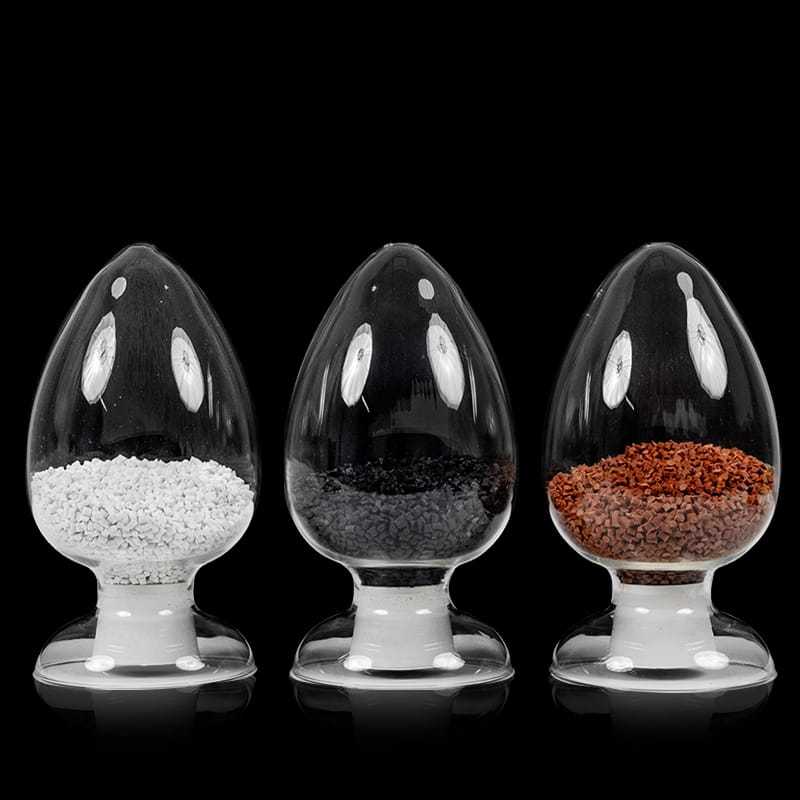
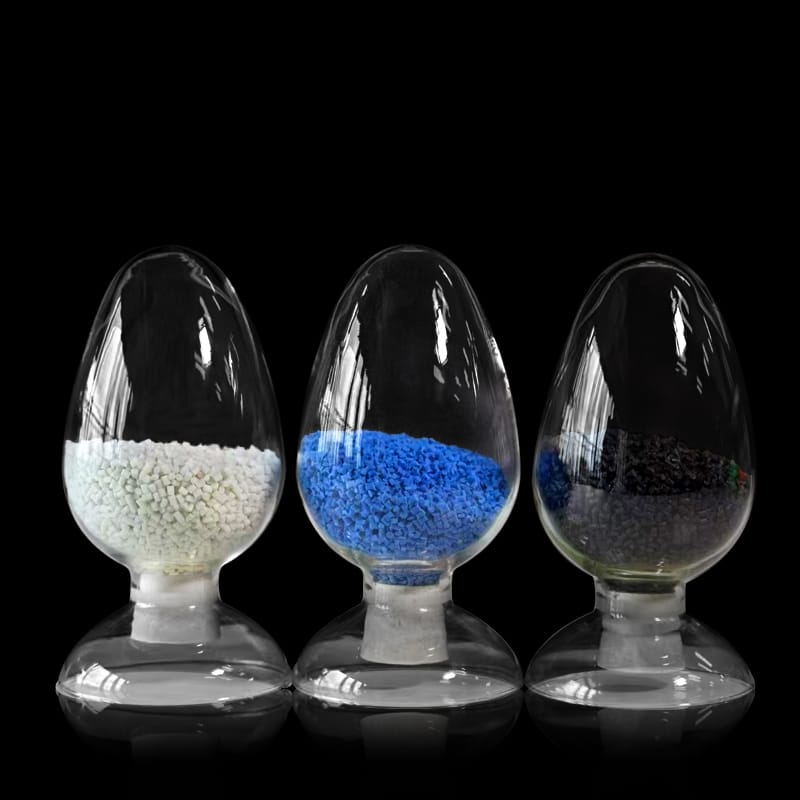
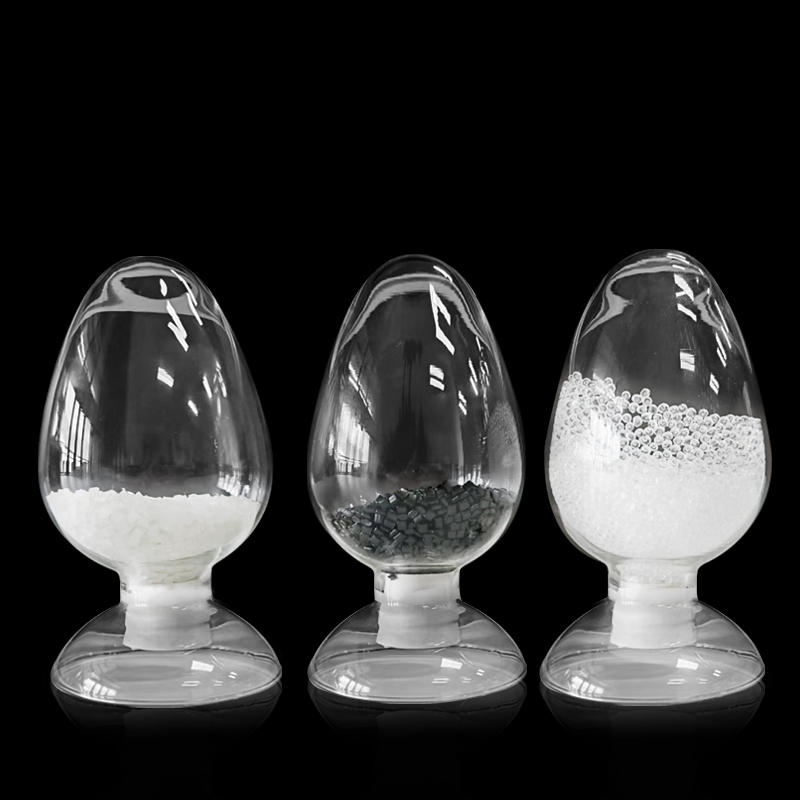
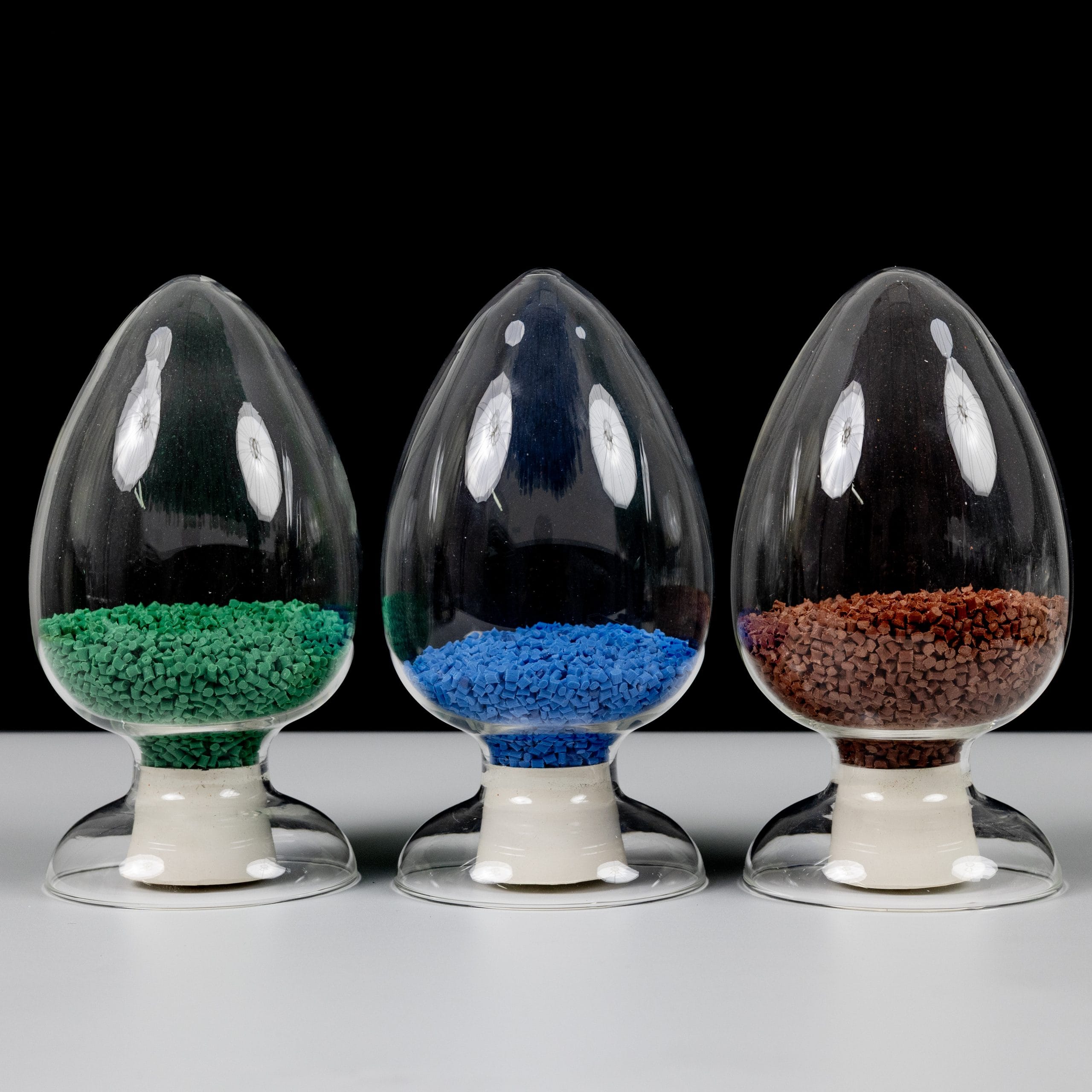

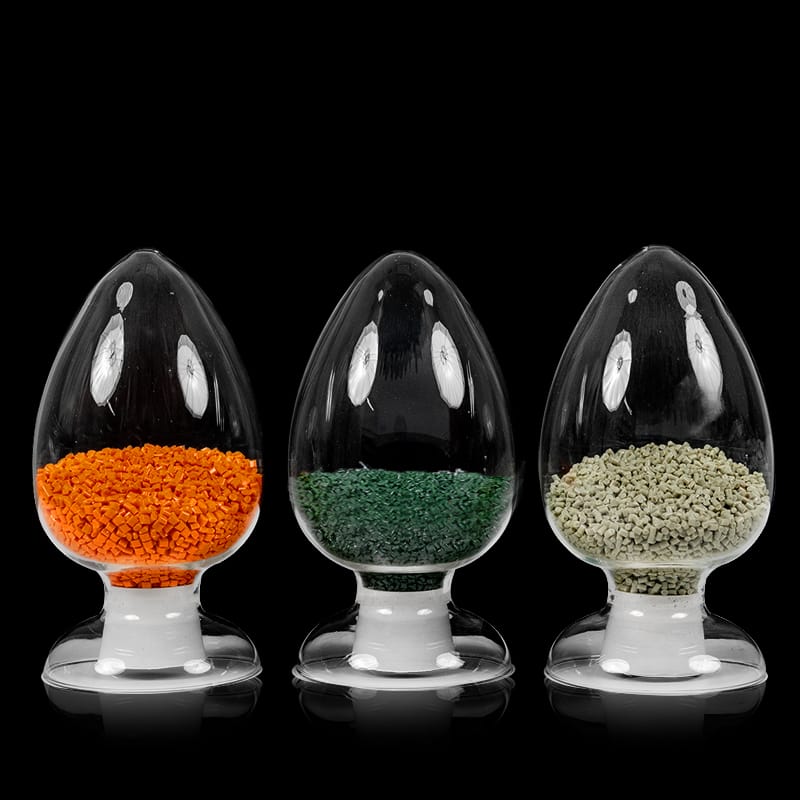

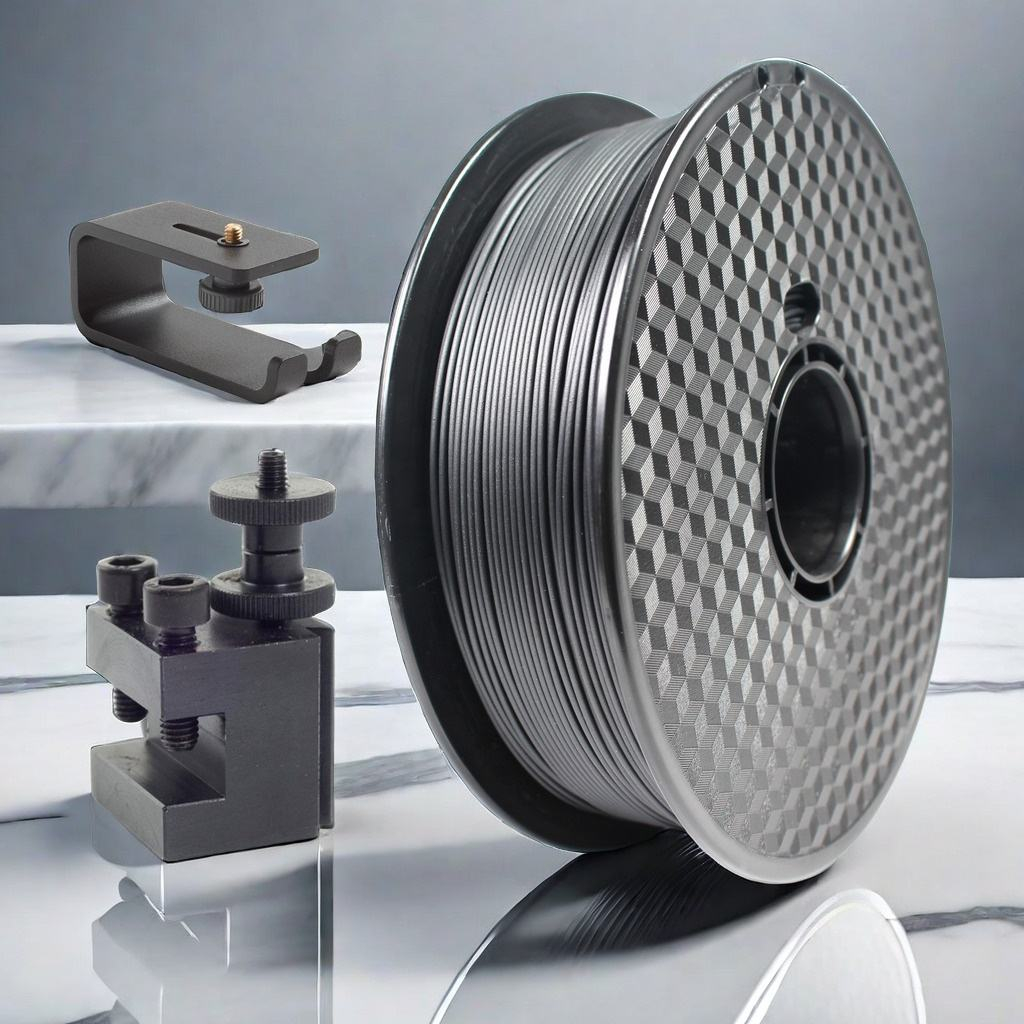
From a Material Family to an Approved Grade
For a purchasing decision, name the exact grade and manufacturer, test method and conditioning, intended process, required compliance documents and lot identification. Separate a family-level comparison from evidence for the supplied compound.
Use material and certificate document guidance to identify the records to request. If the order also includes finished parts, agree the combined material-to-part scope before quotation.
Buying a known compound? Open its material family and product grade. Need a recommendation from service conditions? Request material selection support. Reference comparisons do not replace an exact-grade TDS or component approval.
Search & Compare Materials
Quick Comparison: Most Requested Materials
Head-to-head property comparison for the six most commonly specified engineering plastics at Nylon Plastic.
| Property | ABS | Nylon 6/6 | Polycarbonate | Acetal/POM | PEEK | PEI/Ultem |
|---|---|---|---|---|---|---|
| Tensile Strength | 40 MPa | 80 MPa | 65 MPa | 69 MPa | 100 MPa | 110 MPa |
| Flexural Modulus | 2.3 GPa | 2.8 GPa | 2.4 GPa | 2.8 GPa | 3.8 GPa | 3.5 GPa |
| HDT @1.82 MPa | 98°C | 255°C | 138°C | 124°C | 315°C | 200°C |
| Impact Strength | 400 J/m | 110 J/m | 850 J/m | 75 J/m | 80 J/m | 50 J/m |
| Density | 1.05 | 1.14 | 1.20 | 1.41 | 1.32 | 1.27 |
| Best For | Housings, consumer | Gears, bearings | Transparent parts | Precision mechanical | High temp, medical | Electronics, aerospace |
How to Choose the Right Engineering Plastic
Material selection isn't about finding the "best" plastic — it's about finding the one that meets ALL your requirements at the right cost. Here's the decision framework we use with customers at Nylon Plastic.
1. Temperature Requirements
Record continuous and short-term peak temperature, load at temperature and the required safety margin. Check the current grade TDS before narrowing the family.
2. Mechanical Load
Specify load direction, stiffness, impact and creep requirements. Compare reinforced grades using the same test conditions and verify the finished part geometry.
3. Chemical Exposure
Name the chemical, concentration, temperature and exposure time. Chemical and moisture resistance vary by grade and service condition; confirm with supplier data and application testing.
4. Manufacturing Process
Match grade form and process to quantity, geometry, tolerances and tooling budget. A resin suitable for one process is not automatically suitable for another; confirm the offered grade and process.
5. Cost vs Performance
Compare total part cost, not an undated resin price: include material grade, tool or machining route, scrap, inspection and expected service life. Ask for a current quote for the specified grade and volume.
6. Certifications & Compliance
List the applicable product, market and customer requirements. Request documentation for the exact supplied grade and scope; a material-family description or company certificate does not establish part-level approval.
Industry Application Examples
Illustrative material-screening examples only. Confirm the exact grade, application requirements and required approvals before purchase.
Under-hood: Nylon 6/6 GF30 (intake manifolds), PPS (fuel system), POM (gears). Interior: ABS, PC/ABS (dashboards, trim). Exterior: PC (headlamp lenses).
Review biocompatibility, sterilization, traceability and regulatory requirements for the exact device and material grade. Material examples do not imply device approval.
Connectors: PBT GF30, Nylon 6/6. Housings: PC/ABS FR, PC FR. Insulators: PTFE, PEI. Thermal management: PPS.
Interior panels: PEI (FST compliant). Structural brackets: PEEK CF30. Cable insulation: ETFE, PTFE. Radomes: PMMA, PC.
Gears & bearings: POM, Nylon 6/6 MoS2. Wear strips: UHMWPE. Pump components: PTFE, PVDF. Seals: PTFE, PEEK.
Kitchenware: PP, PCTG/Tritan. Power tools: Nylon 6/6 GF30, PC/ABS. Sports: TPU, Nylon 12. Furniture: PP GF20, ABS.
Why Source Your Engineering Plastics from Nylon Plastic
TDS, batch COA and applicable compliance or certification documents are confirmed for the selected grade.
Integrated manufacturing means one partner for prototypes, tooling, and production — no handoffs.
Our engineers help you pick the right grade based on your part requirements — not just the catalog spec.
Parts delivered to 30+ countries with full export documentation, tariff codes, and compliance paperwork.
Frequently Asked Questions
What's the difference between Nylon 6 and Nylon 6/6?
Nylon 6/6 (PA66) has a higher melting point (255–265°C vs 220°C for Nylon 6), better tensile strength (80 vs 75 MPa), and superior wear resistance. Nylon 6 offers slightly better impact resistance and is typically 10–15% cheaper. For CNC-machined parts, Nylon 6/6 is the default choice due to its dimensional stability. For injection-molded components where cost is critical and temperatures stay under 180°C, Nylon 6 is often sufficient.
Which engineering plastic is best for high-temperature applications?
PEEK (Polyether Ether Ketone) leads with a continuous use temperature of 250°C and HDT of 315°C. PEI (Ultem) follows at 170–200°C continuous. PPS handles 200–240°C with excellent chemical resistance. For the highest temperature performance, PAI (Torlon) reaches 260°C continuous but costs significantly more. Choose based on your exact temperature profile — if you're under 200°C, PEI is much more cost-effective than PEEK.
Can I use the same plastic material for CNC machining and injection molding?
The available stock shape and injection-molding pellet may be different grades, with different processing behavior and properties. Check the current grade TDS, supply form, conditioning and process recommendation. For the finished part, validate the selected manufacturing route, tolerances and service conditions; the family-level table is only an initial filter.
How do I get a material recommendation and quote for my specific part?
Send the target material or required properties, application environment, color and requested documents. Estimated usage may be stated as Not sure yet, and a drawing is optional for a material-only inquiry. The team reviews the requirements before confirming a grade, document availability and quotation scope.
Find the Right Material for Your Next Project
Still comparing materials? Send the service conditions and required properties so the team can review a suitable grade and confirm document and quotation availability.
Request Material RecommendationWe do not sell, trade, or rent your personal data. You can contact us at any time to request, update, or delete your information.
For questions or concerns, reach out to:[email protected]