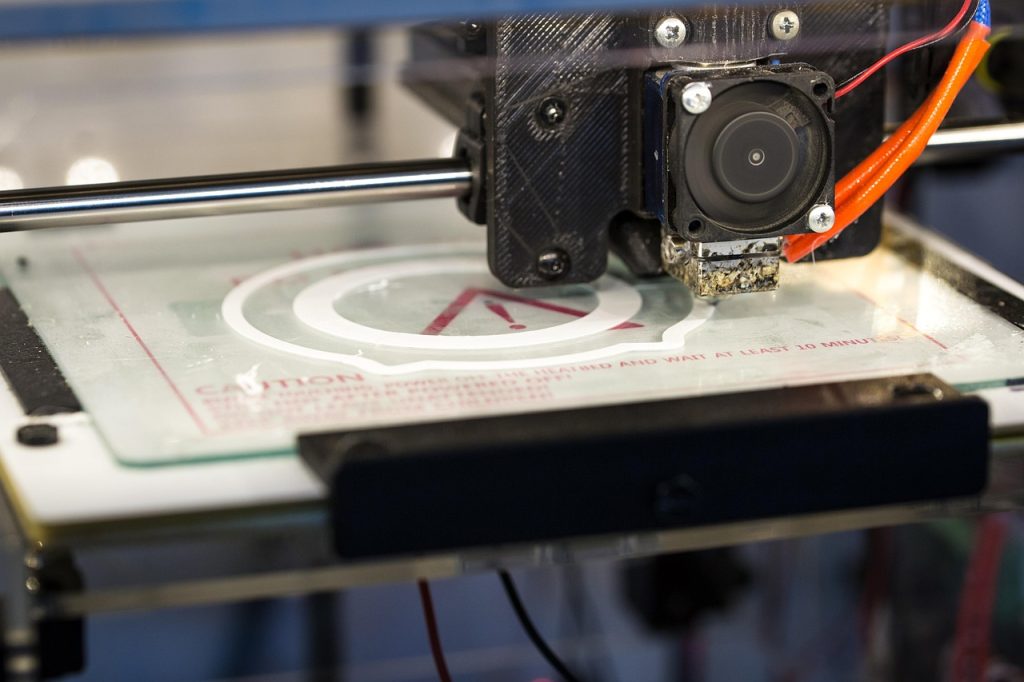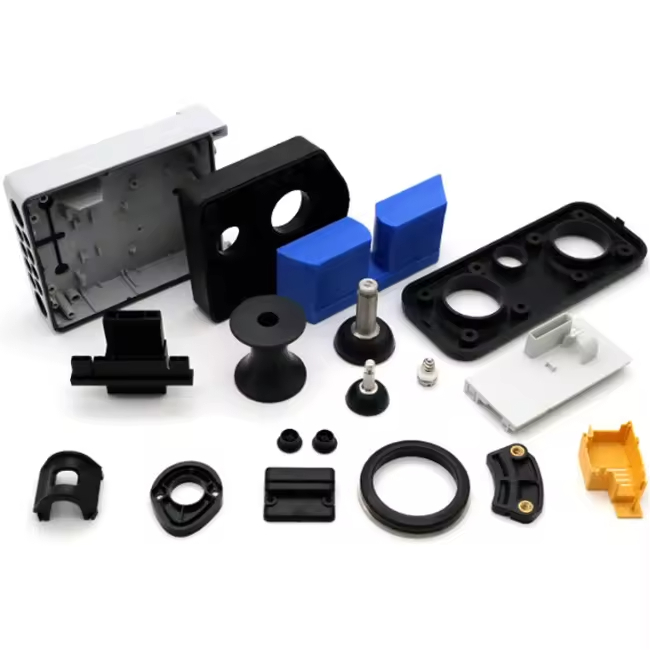
PC-ABS vs polycarbonate is a common decision once a project outgrows PLA, PETG, and standard ABS. Both materials target functional parts, but they do not ask the same things from your printer or your process window.
If you need a practical answer, pure PC usually wins on heat and toughness, while PC-ABS often wins on easier processing and lower warpage risk.
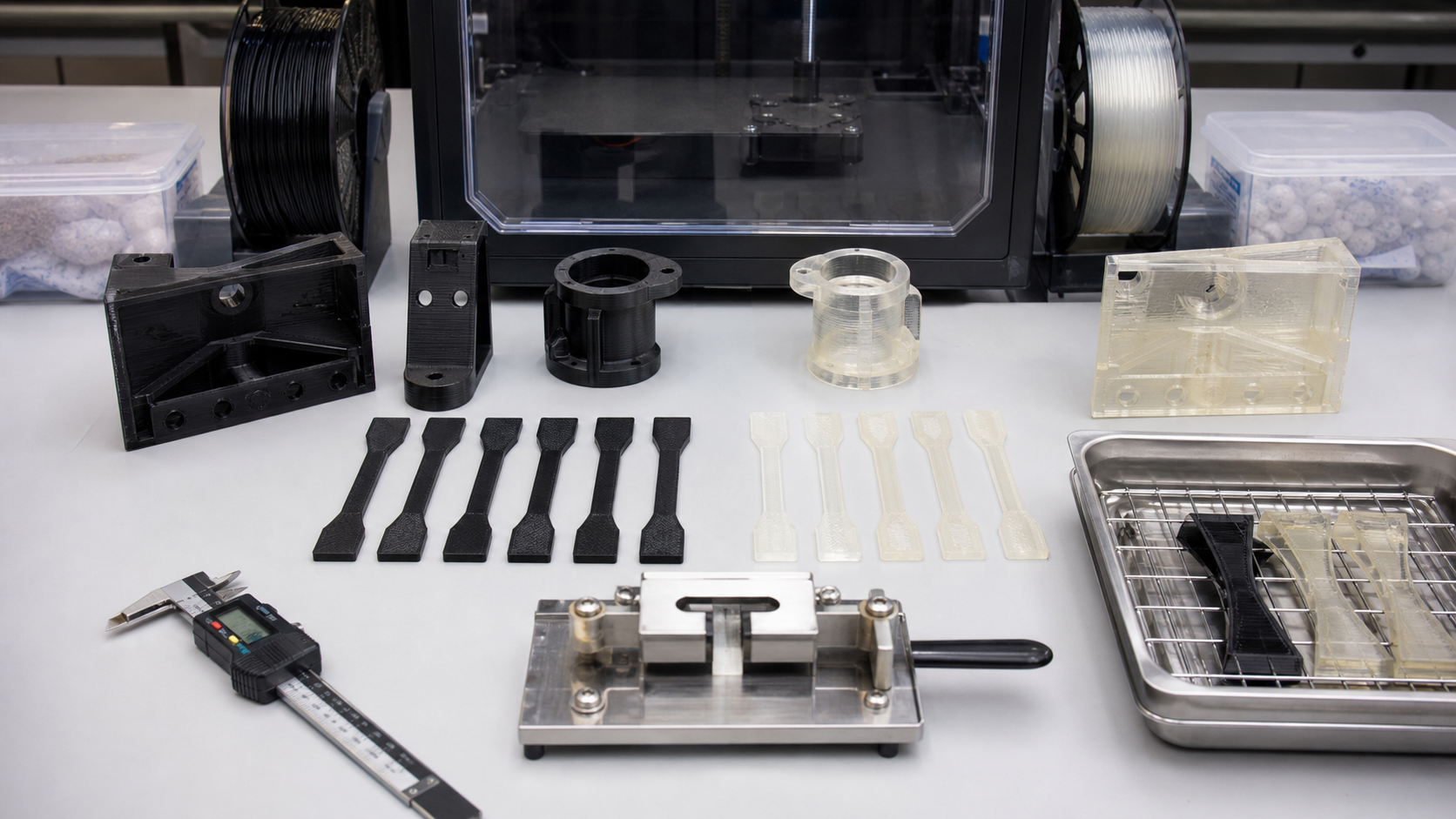
Why the Two Materials Behave Differently
Polycarbonate pushes higher thermal performance and impact strength, but it usually demands a hotter, more stable enclosure and better moisture control. PC-ABS gives up some extreme temperature capability in exchange for more forgiving print behavior.
That is why many engineering teams start with PC-ABS for housings and covers, then move to pure PC only if the application truly needs the additional thermal margin.
Comparison at a Glance
The choice is not just about maximum nozzle temperature. Chamber temperature, print size, cosmetic requirements, and failure mode all influence which material creates the better part.
| Selection Factor | PC-ABS | Polycarbonate (PC) |
|---|---|---|
| Warping risk | Lower | Higher |
| Heat resistance | Good | Higher |
| Impact resistance | Good | Higher |
| Printer requirement | Demanding | More demanding |
| Best use case | Durable housings | High-heat structural parts |
When PC-ABS Is the Better Engineering Choice
Choose PC-ABS when your printer enclosure is limited, the part is large enough to make pure PC warpage painful, or the design needs a more forgiving process for prototypes and small-batch parts.
It is often a smart bridge material when the team wants to step up from ABS without immediately absorbing the full difficulty of pure PC.
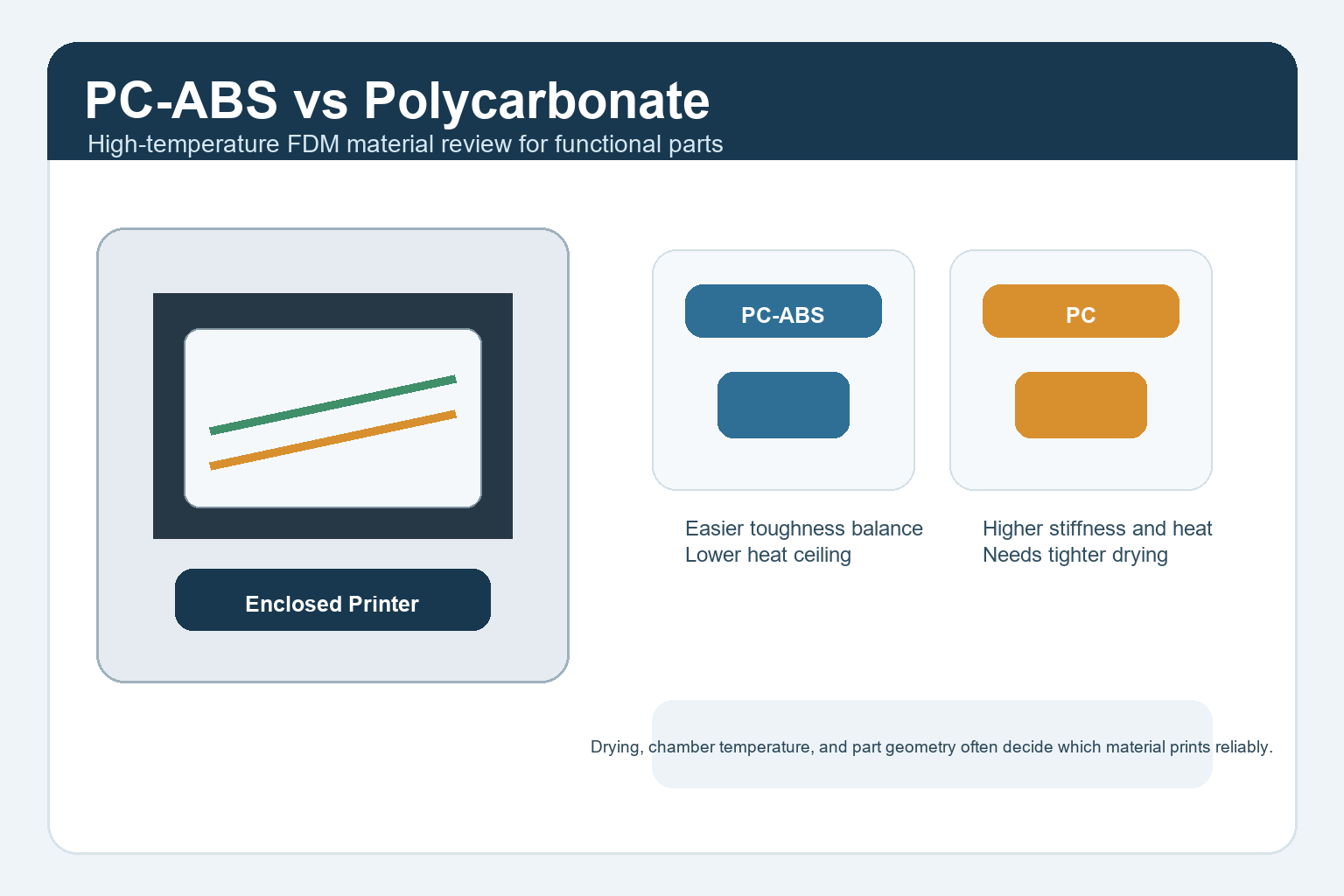
When Pure PC Is Worth the Extra Process Burden
Choose pure PC when the part faces higher service temperature, stronger impact demand, or a stiffer environmental requirement that would push PC-ABS too close to its limit.
If the printer, dryer, and enclosure can support it, pure PC is often the stronger long-term answer for functional end-use parts.
Related Reading
- PC Filament 3D Printing Guide
- Polycarbonate PC Printing Temperature Guide
- PC-ABS Blend 3D Printing Guide
Functional-Part Selection Checklist
| Requirement | PC-ABS starting point | Pure PC starting point |
|---|---|---|
| Heat and impact | Balanced toughness with easier processing | Higher heat and impact ceiling with a controlled printer |
| Warping | Usually more forgiving but still needs a stable chamber | Higher shrinkage stress; chamber and bed control matter more |
| Drying | Dry to the filament supplier’s moisture limit | Critical because moisture can reduce layer bonding and finish |
| Verification | Test snap fits, heat exposure and impact on the actual geometry | Test wall thickness, orientation, annealing and load case |
Record nozzle, bed, chamber, drying time, layer height and cooling settings with each revision. If the geometry will move to injection molding, recheck shrinkage, ribs, bosses and draft before tooling. Compare the PC vs nylon filament guide when moisture or wear matters.
FAQ
Is PC-ABS easier to print than polycarbonate?
Usually yes. PC-ABS is often more forgiving than pure polycarbonate, but both materials still benefit from drying, an enclosure and stable thermal control.
When should I choose polycarbonate instead of PC-ABS?
Choose polycarbonate when higher heat resistance, stiffness or transparency is more important than easier printability. Validate the exact grade and printer capability before committing to production parts.
Do PC-ABS and PC need drying before printing?
Yes. Both materials can absorb moisture. Drying and sealed storage help reduce bubbles, stringing, weak layers and rough surface finish.