Rapid prototype services help validate geometry, fit, function and manufacturability before production tooling or volume machining. Nylon Plastic reviews the CAD model, drawing, material target, quantity, critical dimensions, surface requirements and test purpose before recommending 3D printing, CNC machining or a bridge-to-production route.
Choose the Prototype Process by Validation Goal
A rapid prototype is not automatically a 3D printed part. The correct route depends on what the team must learn before production: appearance, assembly fit, material behavior, dimensional capability or process risk.
| Process route | Best use | Material and geometry considerations | What to confirm in the RFQ |
|---|---|---|---|
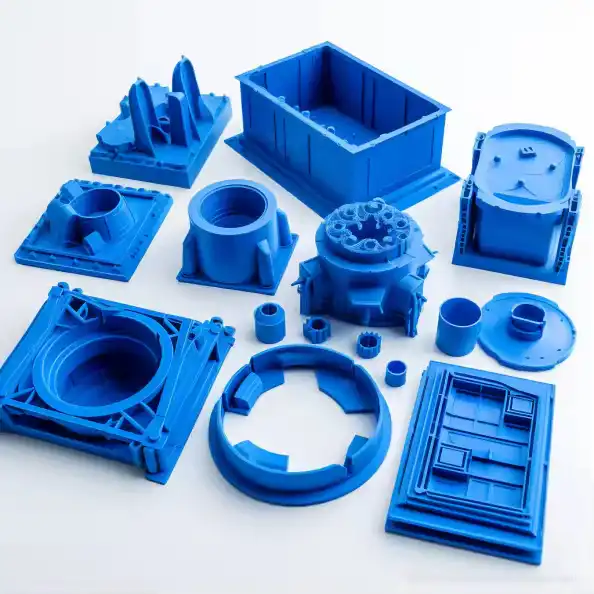
| SLA 3D printing | High-detail visual models, presentation parts and master patterns | Resin behavior differs from production thermoplastics; thin walls and supports affect the result | Surface class, color, fine features, cosmetic direction and post-processing |
| SLS nylon printing | Functional prototypes, complex internal geometry and low-volume parts | Nylon grade, surface texture, wall thickness and dimensional stability should match the test objective | Load case, mating features, finish, inspection points and quantity |
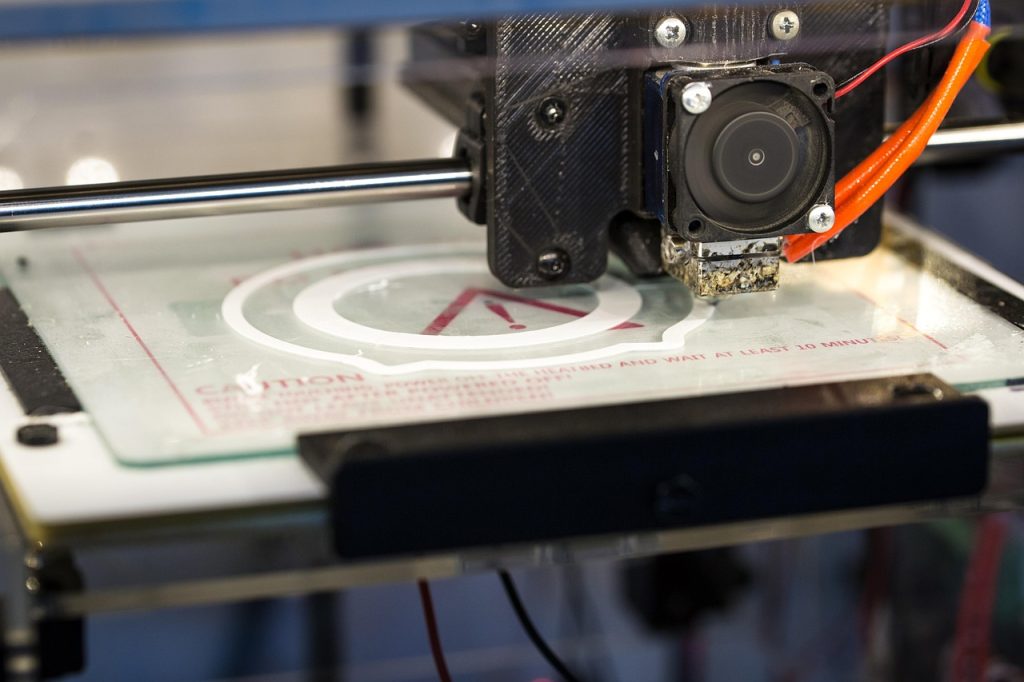
| FDM 3D printing | Early functional models, fixtures and larger concept parts | Layer direction, support strategy and filament grade influence strength and finish | Build orientation, heat exposure, load direction, color and required finish |
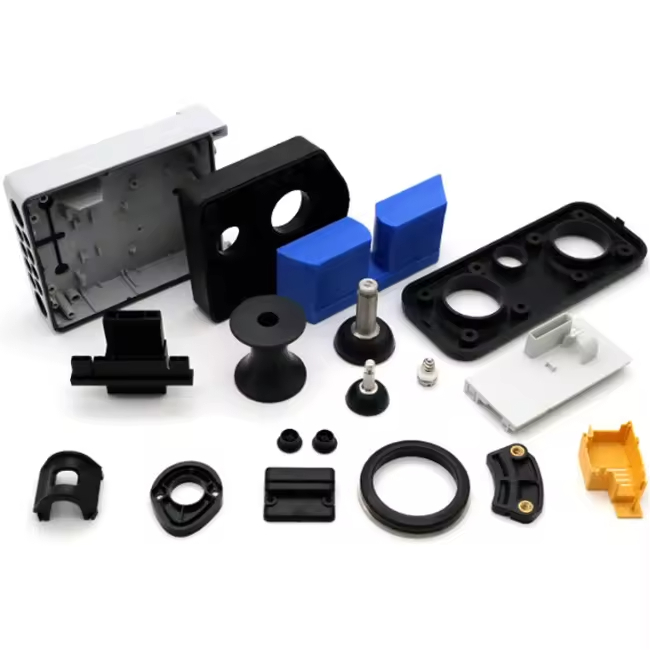
| CNC machining | Production-grade stock materials, precise interfaces and demanding functional tests | Tool access, workholding, wall section, datum strategy and stock form drive feasibility | 2D drawing, critical tolerances, GD&T, inspection method and surface requirements |
| Prototype-to-mold bridge | Designs approaching production material, tooling and repeatability decisions | Draft, wall thickness, ribs, bosses, gates, shrinkage and expected volume must be reviewed together | Annual volume, production resin, validation plan, tooling life and target launch date |
For process-specific capability, review our 3D printing services, CNC plastic machining services and injection molding services.
What a Prototype Review Should Confirm
The quotation should define the manufacturing assumptions instead of presenting one universal tolerance, lead time or material list. The following items are reviewed for the submitted part.
| Review item | Project-specific decision | Buyer input |
|---|---|---|
| Prototype purpose | Visual review, fit check, functional test, regulatory documentation, customer sample or pre-production validation | Explain what decision the prototype must support |
| Material | Exact printable, machinable or moldable grade and whether a substitute is acceptable for the test | Specify mechanical, thermal, chemical, color and documentation needs |
| Dimensions and tolerance | Critical features are separated from non-critical geometry; capability is confirmed by process and setup | Provide a revision-controlled drawing with datums and inspection points |
| Surface and appearance | As-built, sanded, polished, painted, textured, clear or cosmetic requirements are quoted separately | Mark cosmetic surfaces and provide color or texture references |
| Quantity and schedule | Prototype quantity, repeat builds, production forecast and target date determine the economical route | State prototype quantity and expected annual volume |
| Inspection and records | Sampling, first-article, dimensional report and material documentation are agreed before production | List required reports, standards and acceptance criteria |
DFM Before the First Build
Design for manufacturability review reduces avoidable iteration. Our review can flag walls that are too thin for the selected route, inaccessible CNC features, unsupported printed geometry, tolerance conflicts, weak load orientation, difficult cosmetic surfaces and features that will change when the project moves to molding.
- For printed prototypes: check layer direction, supports, drainage, powder removal, minimum wall and finishing allowance.
- For CNC prototypes: check tool access, internal radii, deep pockets, clamping, datum strategy and inspection access.
- For production-intent parts: check draft, ribs, bosses, wall transitions, gate location, shrinkage and assembly stack-up before tooling.
If the design is still developing, our product design service can support file preparation and manufacturability review. Material candidates can be compared through the material selection hub.
From Prototype to Production
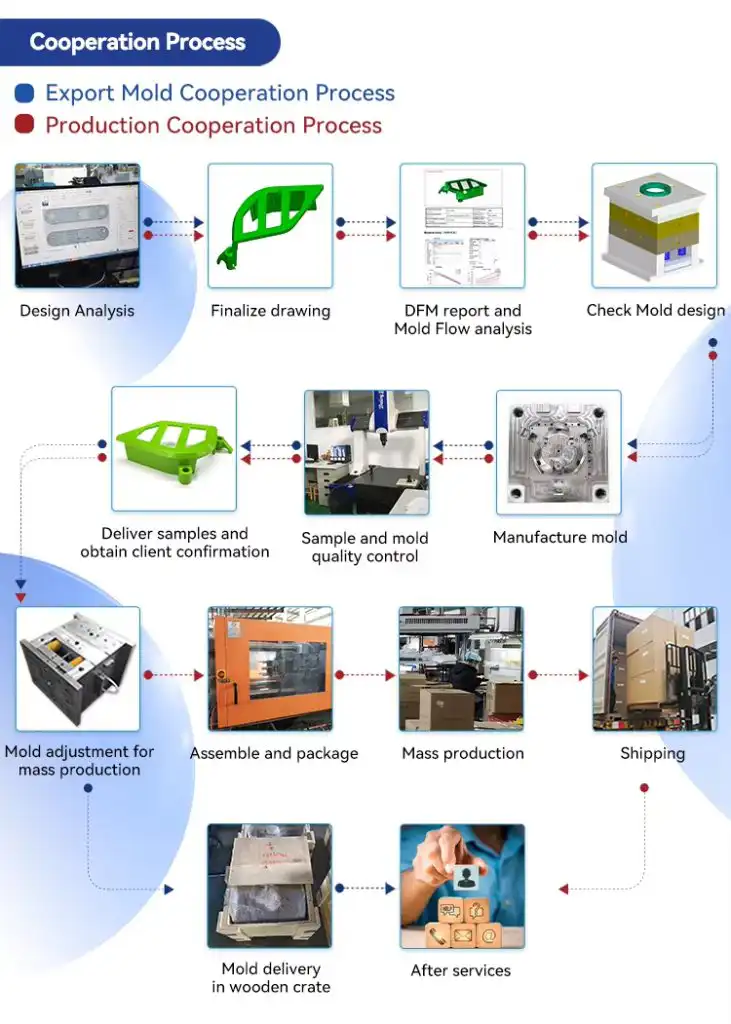
The best prototype plan anticipates the next manufacturing step. A cosmetic SLA model may answer an appearance question quickly, while a CNC-machined engineering plastic part may provide better evidence for load, wear, thermal or chemical testing. When the design stabilizes, the same controlled files should guide mold development, inspection planning and production release.
| Development stage | Recommended output | Decision enabled |
|---|---|---|
| Concept validation | Visual or ergonomic model | Overall size, appearance, handling and stakeholder feedback |
| Engineering validation | Functional printed or CNC prototype | Fit, motion, load path, sealing, thermal exposure and assembly risks |
| Design freeze | Dimensionally controlled prototype plus inspection plan | Critical feature approval and production drawing release |
| Bridge production | Low-volume CNC, additive or pre-production molded parts | Customer trials, pilot builds and supply-chain readiness |
| Volume production | Qualified molding or machining route | Stable unit economics, inspection scope and repeat delivery |
Prototype RFQ Checklist
A complete file set reduces clarification cycles and produces a more comparable quotation. Send:
- 3D CAD model, preferably STEP or another solid exchange format
- Revision-controlled 2D drawing with units, datums and critical dimensions
- Prototype purpose and the tests or decisions it must support
- Preferred material grade plus acceptable alternatives
- Prototype quantity, expected annual volume and target delivery date
- Surface, color, marking, assembly and packaging requirements
- Inspection reports, material documents or certification requirements
Get a Process Recommendation Before Quoting
Upload the model and drawing. We will review whether 3D printing, CNC machining or a production-bridge route best fits the validation goal, material, tolerance, quantity and schedule.
Rapid Prototype Service FAQ
Which process is best for a functional prototype?
The answer depends on the test. SLS or FDM may suit geometry and iteration speed, while CNC machining is often a better choice when production-grade stock material, precise interfaces or demanding mechanical tests matter. Share the test conditions with the CAD files.
What files should I send for a rapid prototype quote?
Send a solid 3D model and a revision-controlled 2D drawing where possible. Include units, material, quantity, critical tolerances, surface requirements, inspection needs and the target date.
Can one prototype match every production property?
Not always. Printed resin or filament may reproduce geometry without matching the final molded resin’s strength, moisture behavior or surface. The quote should state which properties the selected route can and cannot validate.
How are prototype tolerances confirmed?
Tolerance is process- and geometry-specific. Part size, wall section, material, orientation, setup, datum scheme, finishing and inspection method all affect capability. Put critical requirements on the drawing for review.
Can a rapid prototype project move into low-volume production?
Yes. Depending on material, quantity and validation needs, the bridge may use additive manufacturing, CNC machining or prototype tooling before full production tooling. Share the annual volume and launch plan early.
What usually drives rapid prototype cost?
Material, part envelope, build or machining time, setup, supports, removed volume, tolerance, finishing, inspection and quantity are the main cost drivers. A complete file set helps separate required features from optional cost.
Request a Rapid Prototype Review
Tell us what the prototype must validate, then upload the current model or drawing. Include the material target, quantity, critical dimensions, expected annual volume and required date.
Related Manufacturing Resources
- Plastic Prototype Manufacturing Process Comparison
- 3D Printing Services
- CNC Plastic Machining Services
- Injection Molding Services
- Mold Design and Mold Making