Food is a practical engineering topic when you need to compare options, check limits, and choose a process with less risk.


FDA Food Contact Regulations
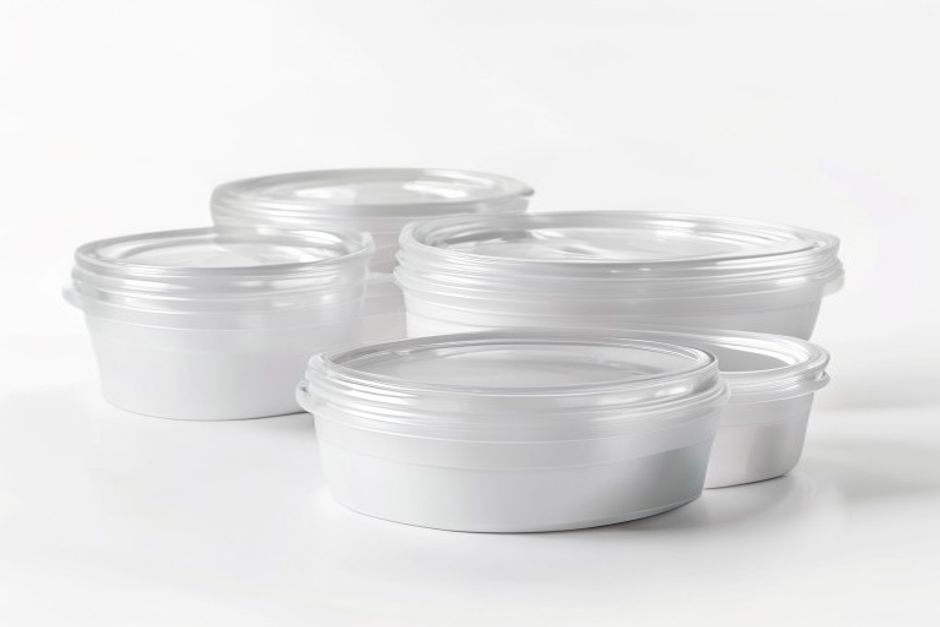
Plastic components contacting food must meet FDA 21 CFR requirements.
Common Food-Grade Materials
- PA6-FDA / PA66-FDA: Food processing machinery
- POM-FDA: Pump components, valves
- PP-FDA: Containers, equipment
- HDPE-FDA: Cutting boards, surfaces
FAQ
When is Food Grade Plastics — FDA-Compliant Materials Guide a good option?
Food Grade Plastics — FDA-Compliant Materials Guide is a good option when fast iteration, complex geometry, low tooling cost, or low-volume production is more important than molded-part unit cost.
What should be checked before choosing Food Grade Plastics — FDA-Compliant Materials Guide?
Check part size, material properties, surface finish, dimensional tolerance, heat exposure, load direction, and whether post-processing is required.
How does Food Grade Plastics — FDA-Compliant Materials Guide compare with CNC machining?
3D printing can create complex shapes quickly, while CNC machining is often stronger for precise surfaces, tighter tolerances, and production-grade materials.
What affects the cost of Food Grade Plastics — FDA-Compliant Materials Guide?
Cost depends on material, build volume, print time, layer height, support removal, finishing, inspection, and the number of parts in the build.