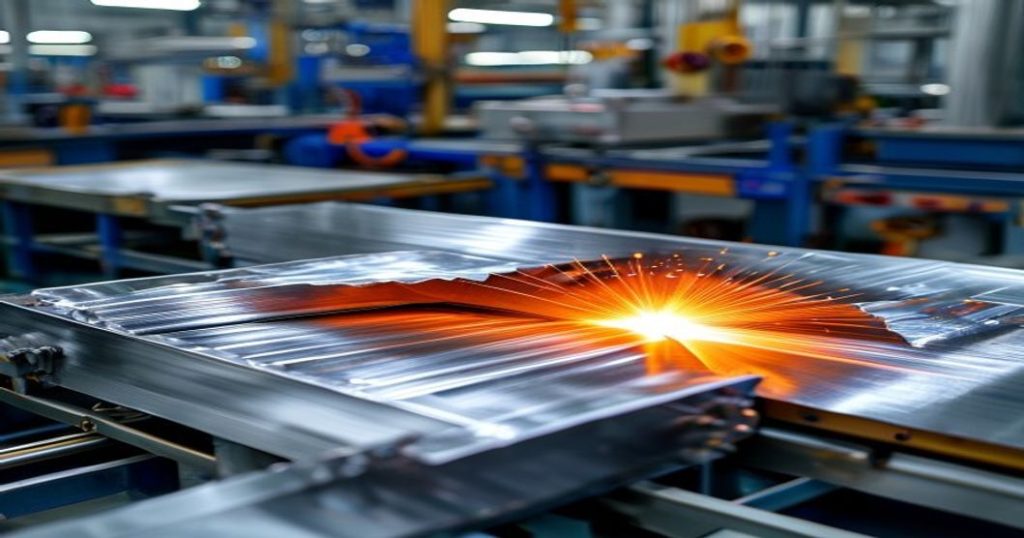
When manufacturing nylon components, choosing between forging and CNC machining significantly impacts cost, quality, and production efficiency. Understanding each process helps optimize your manufacturing strategy.
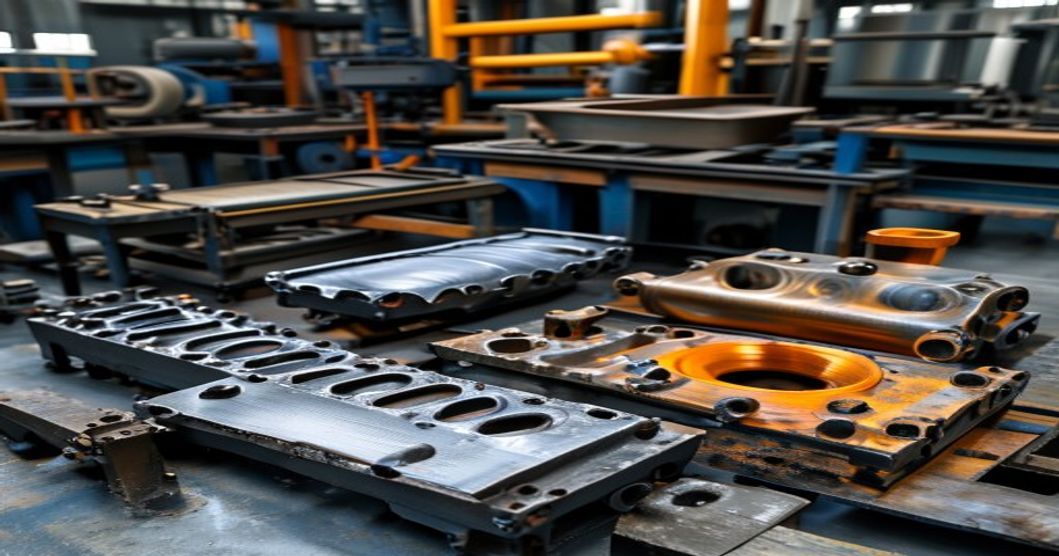
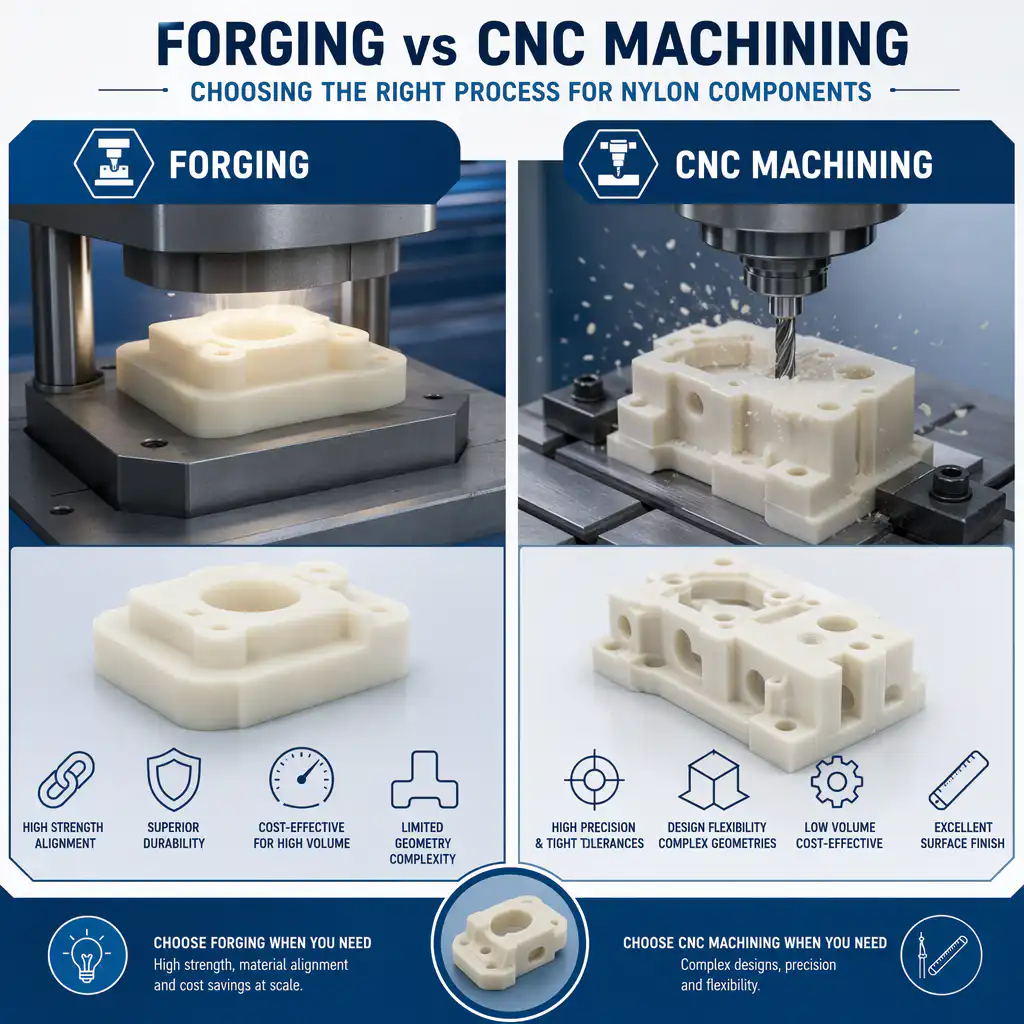
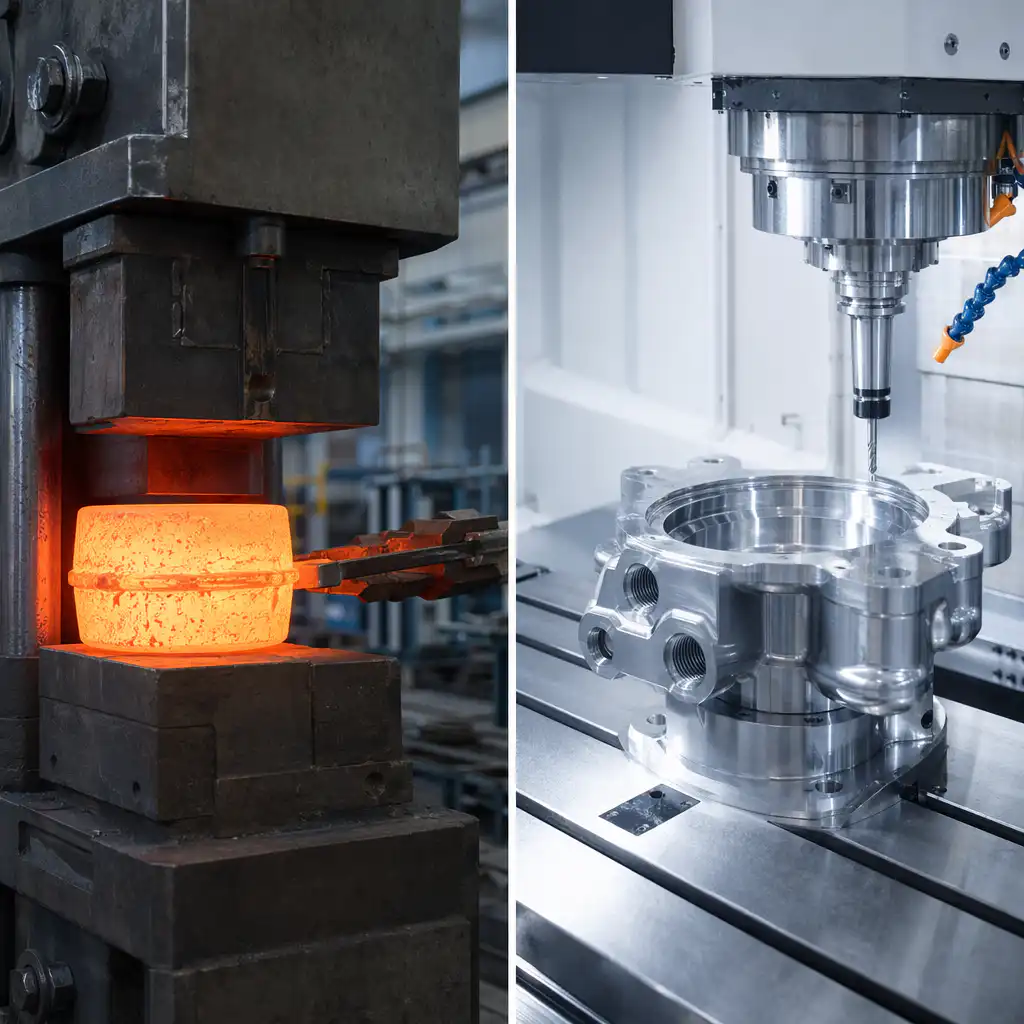
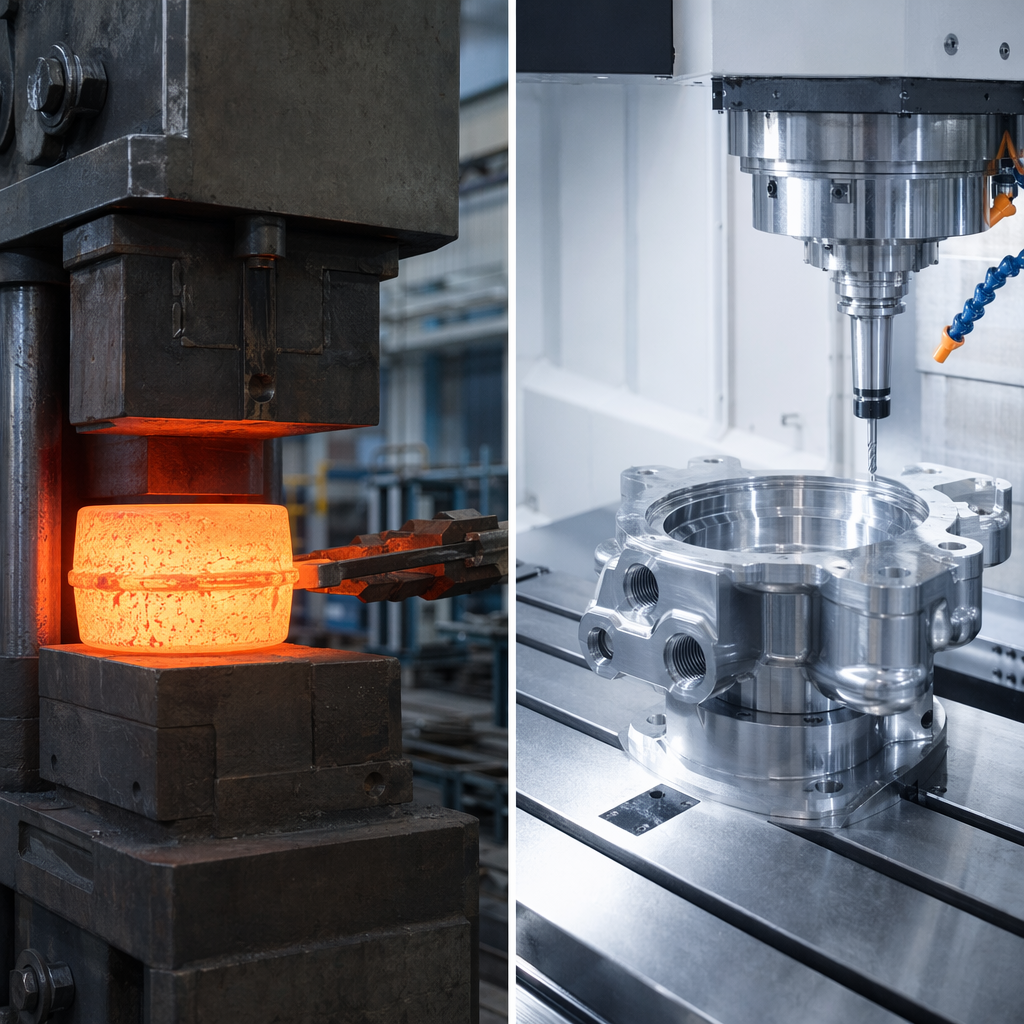
Understanding Forging
Forging shapes material through compressive force, typically using heated metal. For engineering plastics like nylon, forging is uncommon—injection molding or CNC machining are preferred. However, forged metal components often interface with nylon parts in assemblies.
CNC Machining for Nylon
CNC machining is ideal for nylon components requiring:
- Tight tolerances — ±0.05mm achievable
- Complex geometries — undercuts, threads, fine features
- Small to medium volumes — economical without tooling investment
- Material flexibility — easy to change between PA6, PA66, PA12, glass-filled variants
Process Comparison
| Factor | Forging (Metal) | CNC Machining (Nylon) |
|---|---|---|
| Tooling Cost | High ($10k-$100k+) | Low (ming only) |
| Volume Suitability | High (1000+) | Low-Medium (1-500) |
| Design Changes | Expensive | Easy |
When to Choose CNC Machining for Nylon
CNC machining nylon is optimal when you need:
- Prototypes or small production runs
- Design flexibility and iterations
- Tight tolerances without mold investment
- Custom or one-off components
Why Choose Our CNC Machining Over Forging
While forging creates strong parts through material deformation, CNC machining from plastic stock offers unique advantages that make it the preferred choice for many applications:
- No tooling dies required — CNC starts from raw stock, eliminating expensive mold/die setup costs
- ±0.005mm precision — CNC achieves tolerances forging cannot match without secondary machining
- MOQ 1 piece — ideal for prototypes and small batches where tooling costs are prohibitive
- Faster lead time — prototypes in 24 hours vs. weeks for die fabrication
- Design flexibility — easy design iterations without retooling; complex internal features possible
For high-volume production (100,000+ pieces) with repetitive identical parts, forging or injection molding may offer per-unit cost advantages. For prototypes, small batches, or precision-critical parts, CNC machining is the clear winner.
Not sure which process fits your project? Our engineers will compare options and recommend the most cost-effective approach.
FAQ
When is Forging vs CNC Machining: Choosing the Right Process for Nylon Components the right choice?
Forging vs CNC Machining: Choosing the Right Process for Nylon Components is the right choice when the part requires machined accuracy, controlled surfaces, repeatable features, and a material that can be cut reliably.
What should be confirmed before ordering Forging vs CNC Machining: Choosing the Right Process for Nylon Components?
Confirm the drawing version, material grade, tolerances, quantity, critical dimensions, surface finish, and inspection requirements before production starts.
What usually drives cost in Forging vs CNC Machining: Choosing the Right Process for Nylon Components?
Cost is usually driven by material, setup time, machine time, tolerance difficulty, fixturing, tool access, finishing, inspection, and order quantity.
How can quality risk be reduced in Forging vs CNC Machining: Choosing the Right Process for Nylon Components?
Quality risk is reduced by marking critical features clearly, avoiding unnecessary tight tolerances, confirming manufacturability early, and using inspection data for important dimensions.