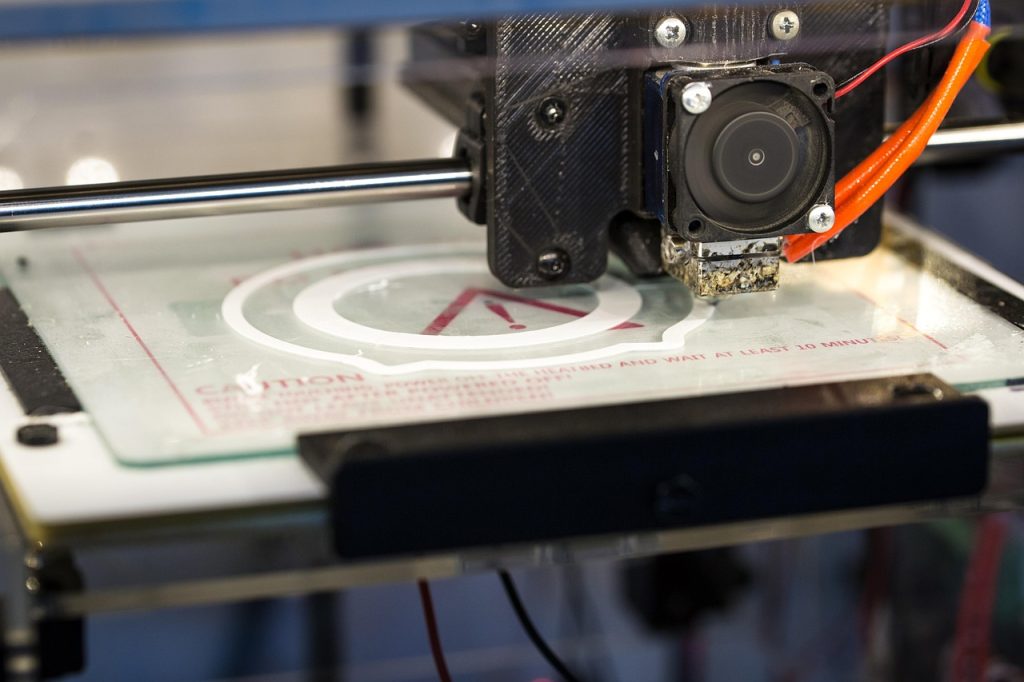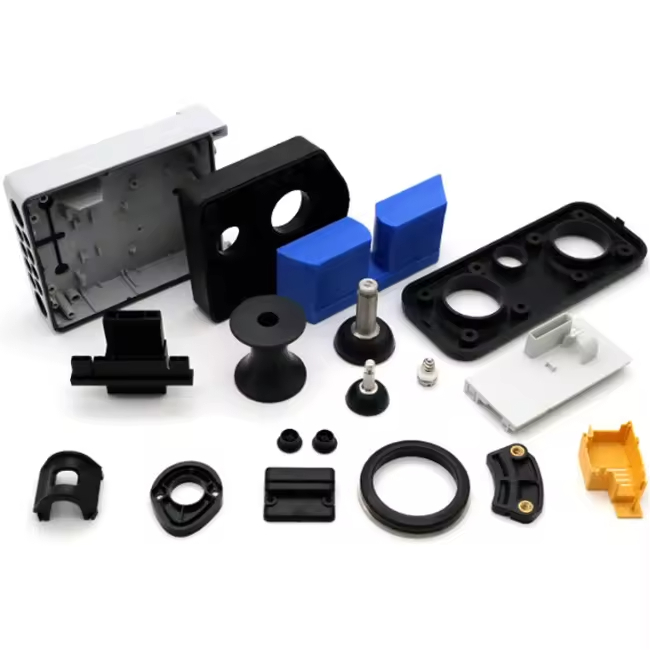
Rapid prototyping with engineering plastics accelerates product development by enabling fast design iterations and functional testing before committing to production tooling.
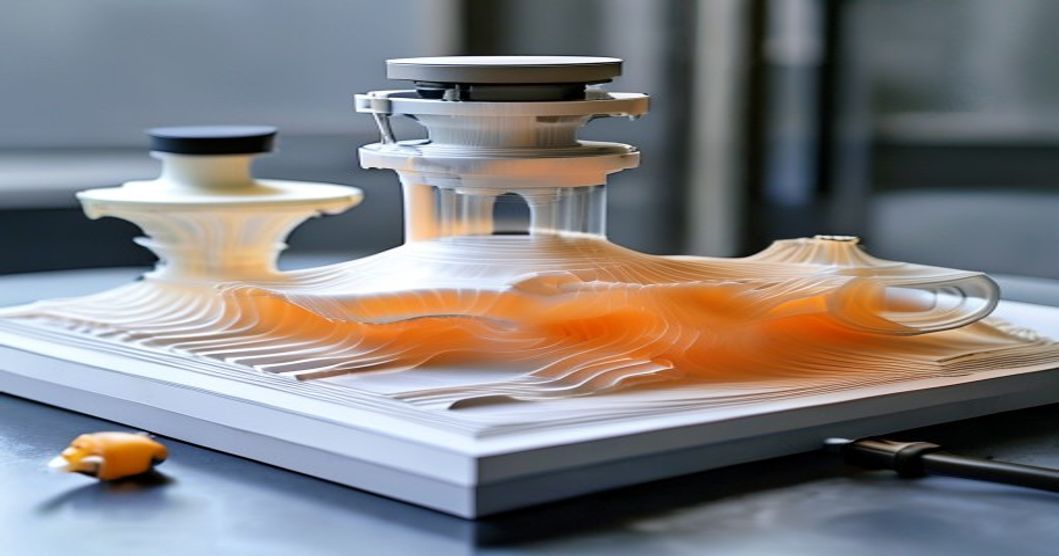
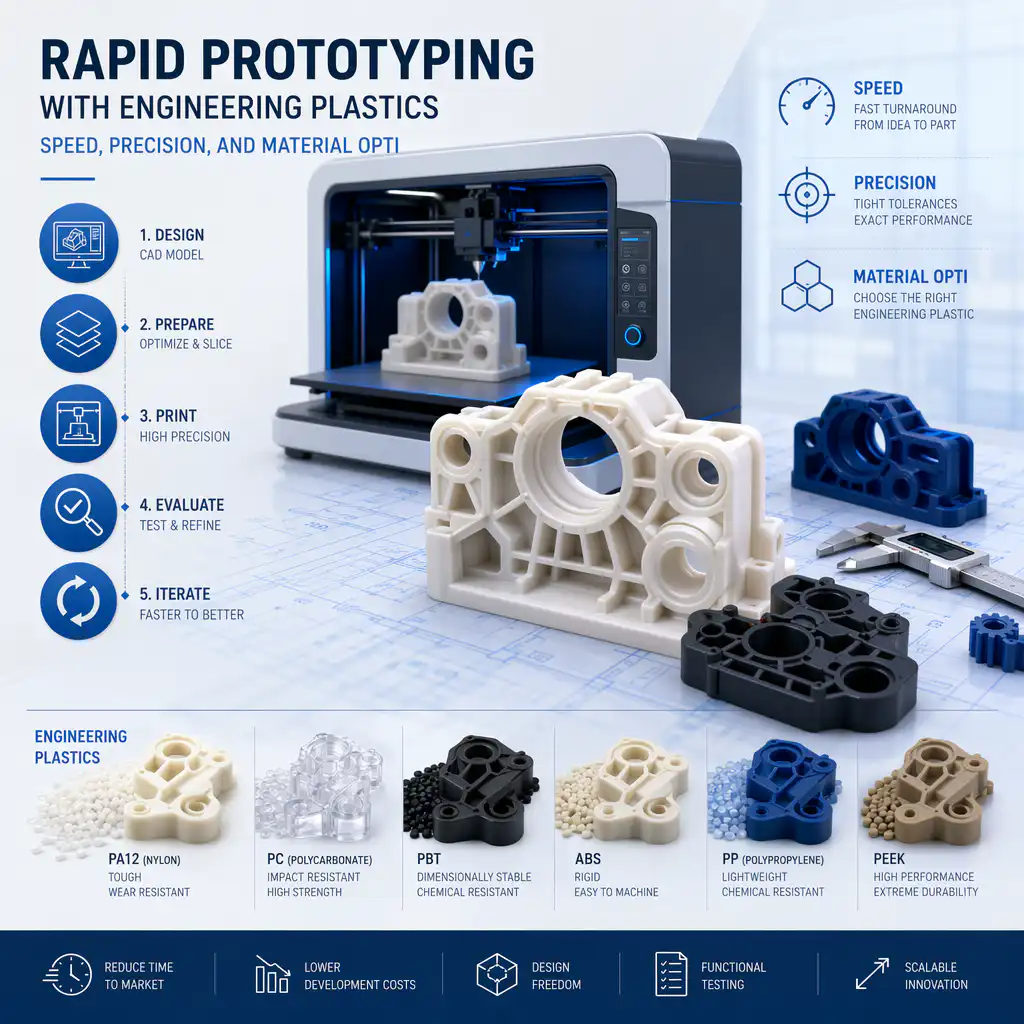
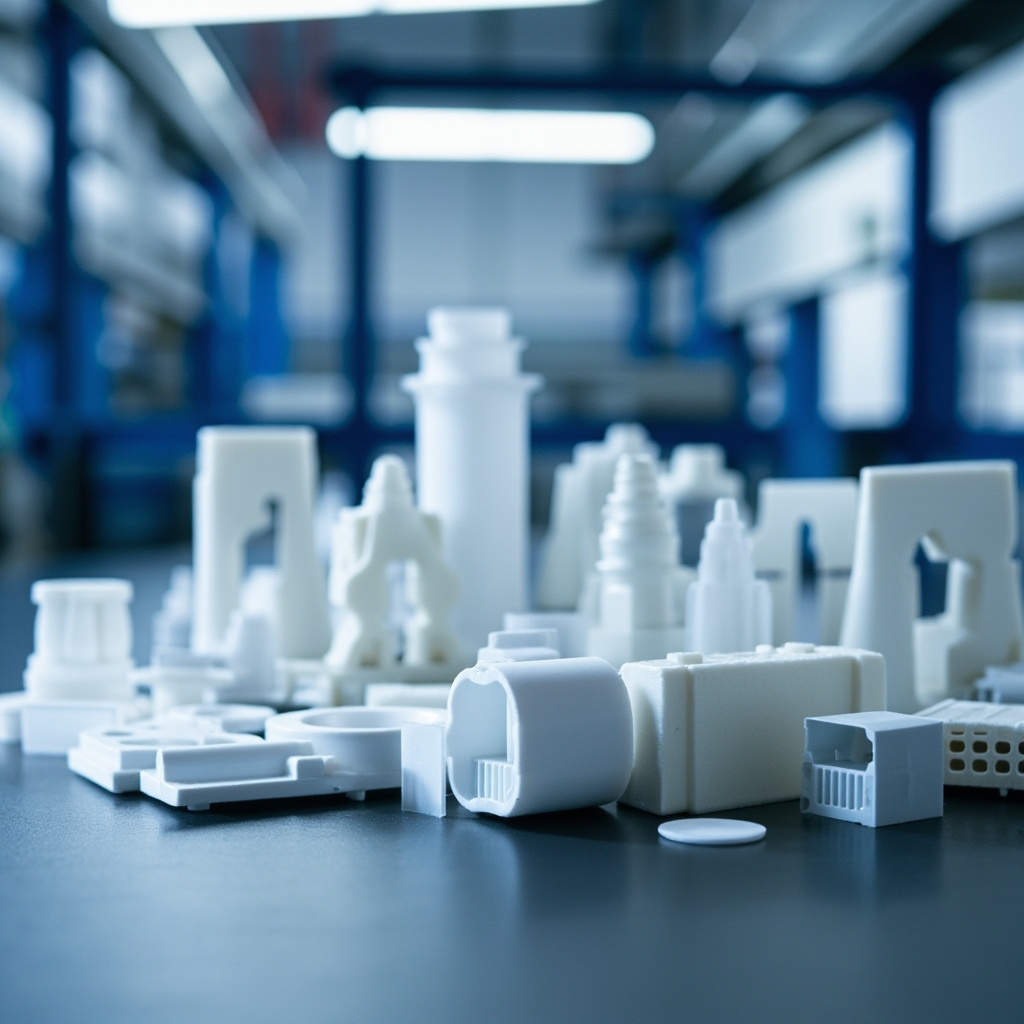
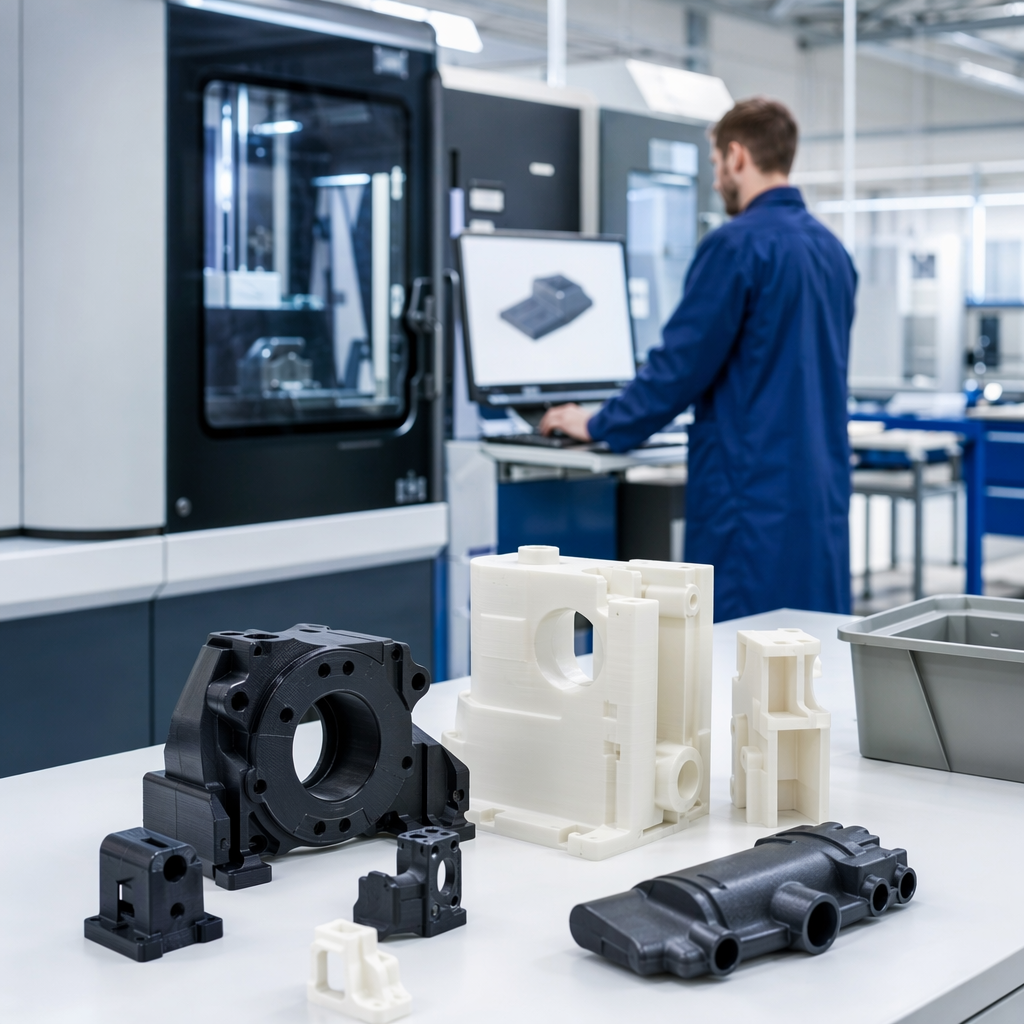
Rapid Prototyping Methods for Plastics
Several manufacturing technologies support rapid prototyping in engineering plastics:
- CNC machining — highest accuracy, production-grade materials, no size limitations
- FDM 3D printing — lowest cost for complex geometries, limited material properties
- SLS 3D printing — nylon parts with good mechanical properties, no support structures
- Vacuum casting — small batches from silicone molds, simulates injection molding
Choosing the Right Method
| Criteria | CNC Machining | FDM 3D Printing | SLS 3D Printing |
|---|---|---|---|
| Accuracy | ±0.05mm | ±0.2mm | ±0.15mm |
| Material Properties | Production-grade | Anisotropic | Good |
| Lead Time | 3-7 days | 1-3 days | 2-5 days |
When to Prototype with Production Materials
For functional testing requiring accurate mechanical properties, CNC machined nylon or PEEK provides results representative of production parts. This is essential for:
- Mechanical testing and load validation
- Chemical and thermal exposure trials
- Regulatory approval submissions
- Customer sampling and field trials
Why Choose Our Rapid Prototyping Services
缩短产品开发周期是我们对每个客户的核心承诺。我们的快速成型能力覆盖您从概念验证到小批量生产的全过程:
- 200+ 3D打印设备 — SLA、SLS、SLM、MJF、FDM 全覆盖,支持100+材料
- 最大成型尺寸 1500mm × 1000mm × 800mm — 一次成型大型零件,无需拼接
- 精度 0.05mm — ±0.1mm误差控制,精细呈现精密结构
- MOQ 1件 — 单件定制,无需开模,创意快速变现
- 极速交付 — 标准件4小时交付,复杂结构件24小时,月产能超50万件
无论是产品概念验证、功能原型还是小批量试产,我们都可以在同一平台上完成,大幅缩短从设计到可销售产品的时间。
上传您的3D模型或手绘草图,告诉我们您的材料需求,24小时内获得报价。
Rapid Prototyping Route Decision
| Route | Use it when | Watch for |
|---|---|---|
| 3D printing | Fast geometry and fit feedback are the priority | Layer direction, moisture, anisotropy and surface finish |
| CNC machining | The prototype must behave like a dense engineering-plastic part | Workholding, tool deflection, stress relief and chip control |
| Rapid tooling | Functional samples must represent molded production behavior | Shrinkage, draft, gate location and tool-life assumptions |
Select the route by the decision you need to make next: geometry, fit, functional load, material behavior or production readiness. Put quantity, material, tolerance, finish and test criteria in the RFQ so a supplier can recommend the fastest valid route.
FAQ
When is Rapid Prototyping with Engineering Plastics: Speed, Precision, and Material Options a good option?
Rapid Prototyping with Engineering Plastics: Speed, Precision, and Material Options is a good option when fast iteration, complex geometry, low tooling cost, or low-volume production is more important than molded-part unit cost.
What should be checked before choosing Rapid Prototyping with Engineering Plastics: Speed, Precision, and Material Options?
Check part size, material properties, surface finish, dimensional tolerance, heat exposure, load direction, and whether post-processing is required.
How does Rapid Prototyping with Engineering Plastics: Speed, Precision, and Material Options compare with CNC machining?
3D printing can create complex shapes quickly, while CNC machining is often stronger for precise surfaces, tighter tolerances, and production-grade materials.
What affects the cost of Rapid Prototyping with Engineering Plastics: Speed, Precision, and Material Options?
Cost depends on material, build volume, print time, layer height, support removal, finishing, inspection, and the number of parts in the build.