
When sourcing materials for precision manufacturing, engineers and procurement professionals frequently encounter the terms “polyamide” and “nylon.” While these designations are often used interchangeably in casual conversation, understanding their precise technical distinctions is essential for making informed material selection decisions that impact performance, cost, and manufacturability. At nylonplastic.com, we process both standard nylon grades and specialized polyamide variants through CNC machining and injection molding, giving us direct insight into the practical implications of choosing one material family over another.
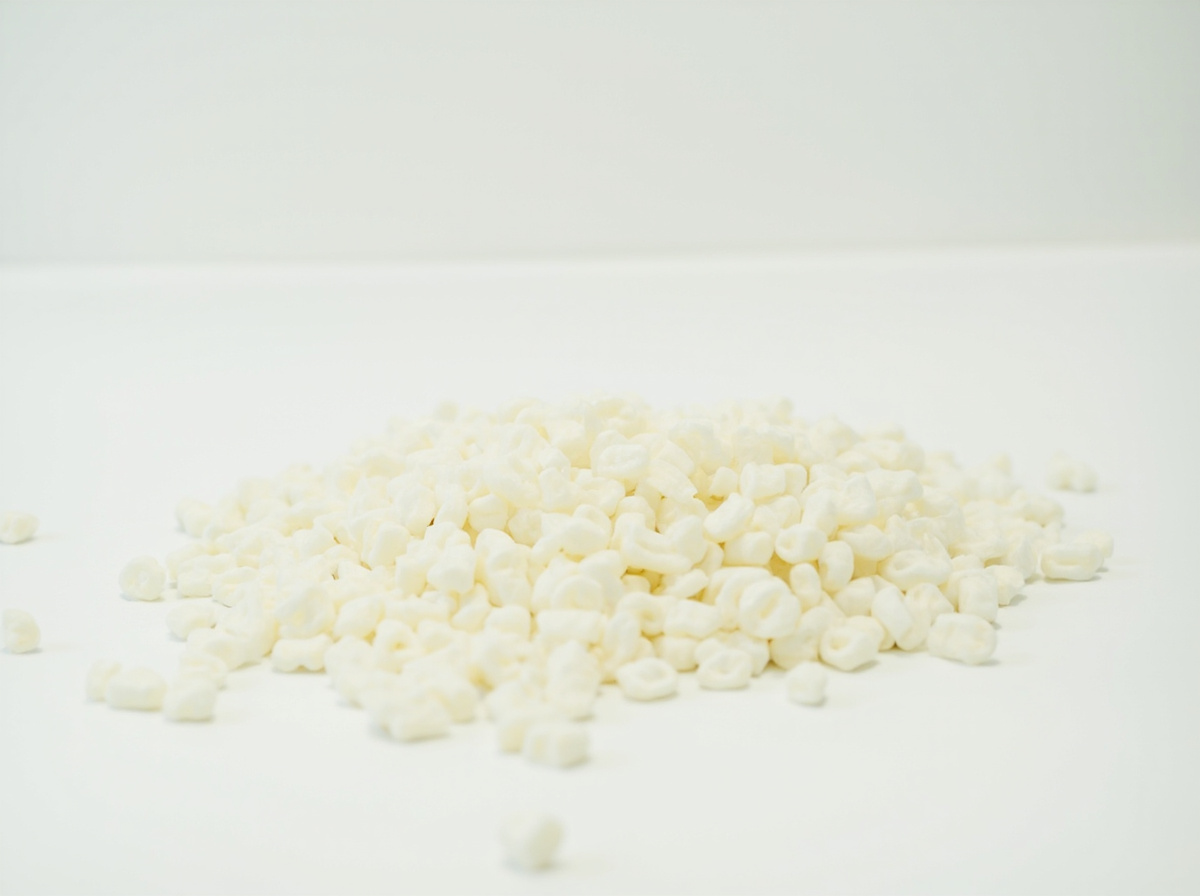
Fundamental Definitions: Polyamide as a Class, Nylon as a Brand
The relationship between polyamide and nylon follows a classic “all squares are rectangles” logic. Polyamide (PA) is the broad chemical family — synthetic polymers characterized by amide linkages (-CONH-) in their molecular backbone structure — while nylon is a specific subset that originated as a DuPont trademark in 1935. Wallace Carothers and his team at DuPont developed the first commercially successful synthetic fiber, which they branded “Nylon,” initially marketing it for toothbrush bristles before launching the revolutionary nylon stockings that captured the public imagination in 1939.
Today, nylon has become a genericized trademark, used colloquially to refer to aliphatic polyamides. However, the polyamide family has

expanded far beyond the original nylon discoveries. Modern polyamides include aromatic variants (aramids like Kevlar and Nomex), bio-based grades (PA 11 derived from castor oil), and high-temperature specialty formulations that engineers would never call “nylon” in technical specifications.
Chemical Structure and Polymerization Pathways
The most commercially significant polyamides — Nylon 6 and Nylon 66 — differ fundamentally in their polymerization chemistry, and this difference cascades through their processing behavior and final properties.
Nylon 6: Ring-Opening Polymerization
Polyamide 6 is produced through a ring-opening polymerization of caprolactam, a cyclic monomer containing six carbon atoms. This process requires precise temperature control around 250-280°C and the presence of water as an initiator. The resulting polymer has a repeating unit of [-NH-(CH₂)₅-CO-]n with molecular weights typically ranging from 12,000 to 50,000 g/mol for injection molding grades. The ring-opening mechanism produces a narrower molecular weight distribution compared to condensation polymerization, which translates to slightly better impact resistance and more predictable processing behavior.
Nylon 66: Condensation Polymerization
PA 66 is synthesized through a step-growth condensation reaction between hexamethylenediamine (6 carbons) and adipic acid (6 carbons), hence the “66” designation. This reaction produces water as a byproduct, requiring careful management of the water removal process to drive the equilibrium toward high molecular weights. The repeating unit [-NH-(CH₂)₆-NH-CO-(CH₂)₄-CO-]n features a higher density of amide linkages than PA 6, contributing to its superior mechanical properties and higher melting point (260°C vs 220°C). The more regular chain structure also promotes higher crystallinity, typically reaching 35-45% compared to 25-35% for PA 6.
Other Notable Polyamide Variants
PA

11 and PA 12 deserve special mention for applications where traditional nylon properties are inadequate. Both are produced from renewable or petrochemical sources with longer methylene sequences between amide groups, resulting in significantly lower moisture absorption (0.25% for PA 12 vs 2.7% for PA 6 at saturation) and better dimensional stability. PA 46 (Stanyl) pushes the thermal envelope with a melting point exceeding 295°C. Semi-aromatic polyamides like PA 6T/6I offer glass transition temperatures above 125°C, competing with PPS and PEEK in under-hood automotive applications.
Comprehensive Property Comparison
The following table presents a detailed engineering comparison of the major polyamide grades, highlighting properties that directly impact material selection decisions in precision manufacturing:
| Property | PA 6 | PA 66 | PA 12 | PA 6 GF30 | PA 11 |
|---|---|---|---|---|---|
| Density (g/cm³) | 1.13-1.15 | 1.13-1.15 | 1.01-1.02 | 1.35-1.40 | 1.03-1.05 |
| Tensile Strength (MPa) | 70-85 | 75-90 | 40-55 | 160-200 | 45-60 |
| Elongation at Break (%) | 50-150 | 30-80 | 200-300 | 2.5-4 | 200-300 |
| Flexural Modulus (GPa) | 2.5-3.0 | 2.8-3.5 | 1.0-1.4 | 8.0-10.0 | 1.0-1.3 |
| Melting Point (°C) | 218-224 | 255-265 | 175-180 | 218-224 | 185-190 |
| HDT @ 1.8 MPa (°C) | 65-75 | 85-100 | 50-55 | 200-215 | 50-55 |
| Moisture Abs. at Sat. (%) | 2.5-3.0 | 2.0-2.5 | 0.2-0.3 | 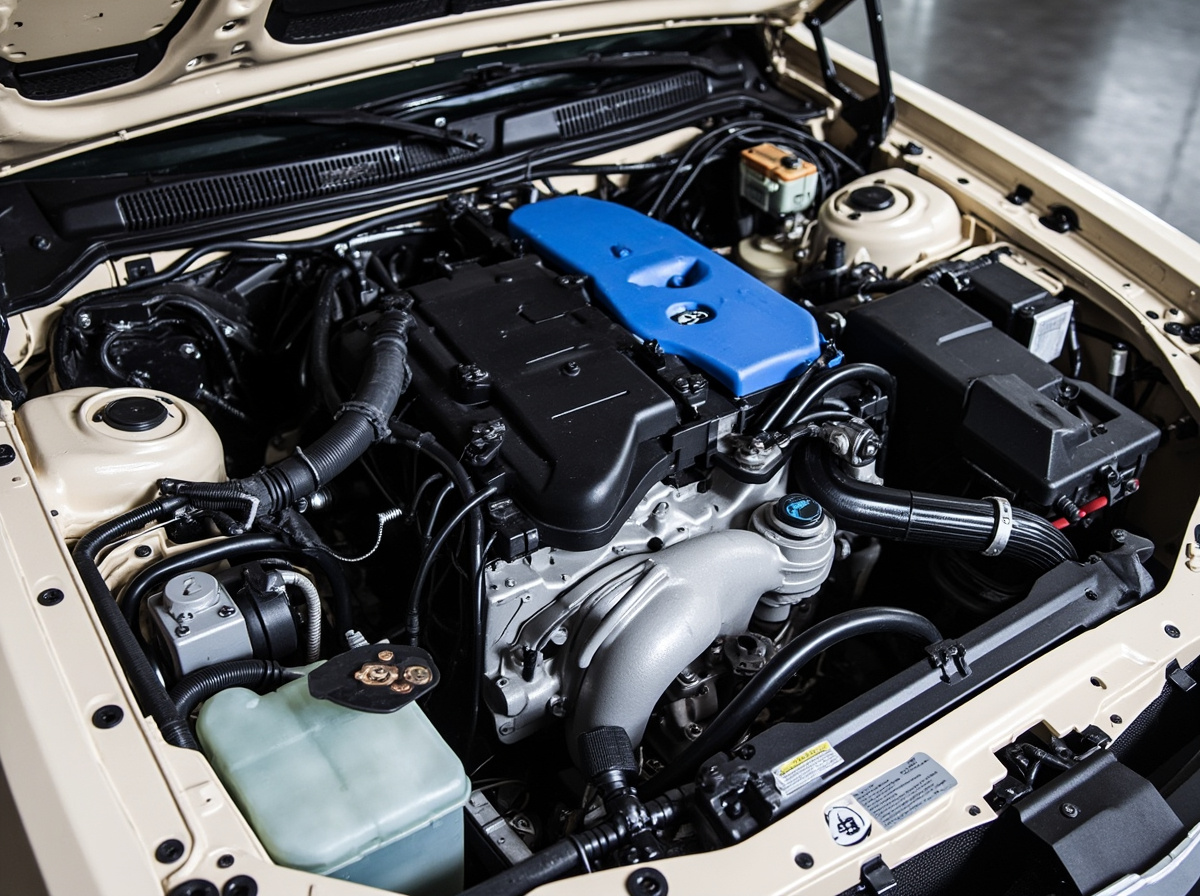
dd;”>1.0-1.5 |
0.2-0.3 |
| Notched Izod (J/m) | 40-60 | 30-55 | NB | 80-120 | NB |
| Coefficient of Friction | 0.25-0.35 | 0.20-0.30 | 0.30-0.40 | 0.25-0.35 | 0.30-0.40 |
Moisture Absorption: The Critical Differentiator
Moisture absorption represents perhaps the most significant practical difference between polyamide grades, and is frequently a determining factor in material selection for precision components. Polyamides are hygroscopic by nature, with the amide groups forming hydrogen bonds with water molecules. This moisture uptake has profound effects on mechanical properties and dimensional stability.
At 50% relative humidity, PA 6 absorbs approximately 2.7% moisture by weight, which reduces tensile strength by roughly 15-20% while increasing impact resistance significantly. The glass transition temperature drops from approximately 60°C (dry) to below 0°C when saturated, fundamentally altering the material’s behavior at room temperature. PA 66 absorbs slightly less moisture (approximately 2.3%) under identical conditions, primarily because its higher crystallinity and more tightly packed chain structure limit water penetration.
For applications requiring tight dimensional tolerances, PA 12 and PA 11 are dramatically superior. Their long methylene sequences between amide groups reduce the density of hydrogen bonding sites, resulting in moisture absorption of only 0.25% at saturation. This makes them the preferred choice for precision mechanical components that must maintain dimensional stability across varying humidity conditions.
Manufacturing Considerations for Polyamide Processing
Understanding the processing behavior of different polyamide grades is essential for achieving optimal part quality and cost efficiency. Our facility’s experience with both CNC machining and injection molding across the polyamide family informs the following practical guidance.
CNC Machining Polyamides
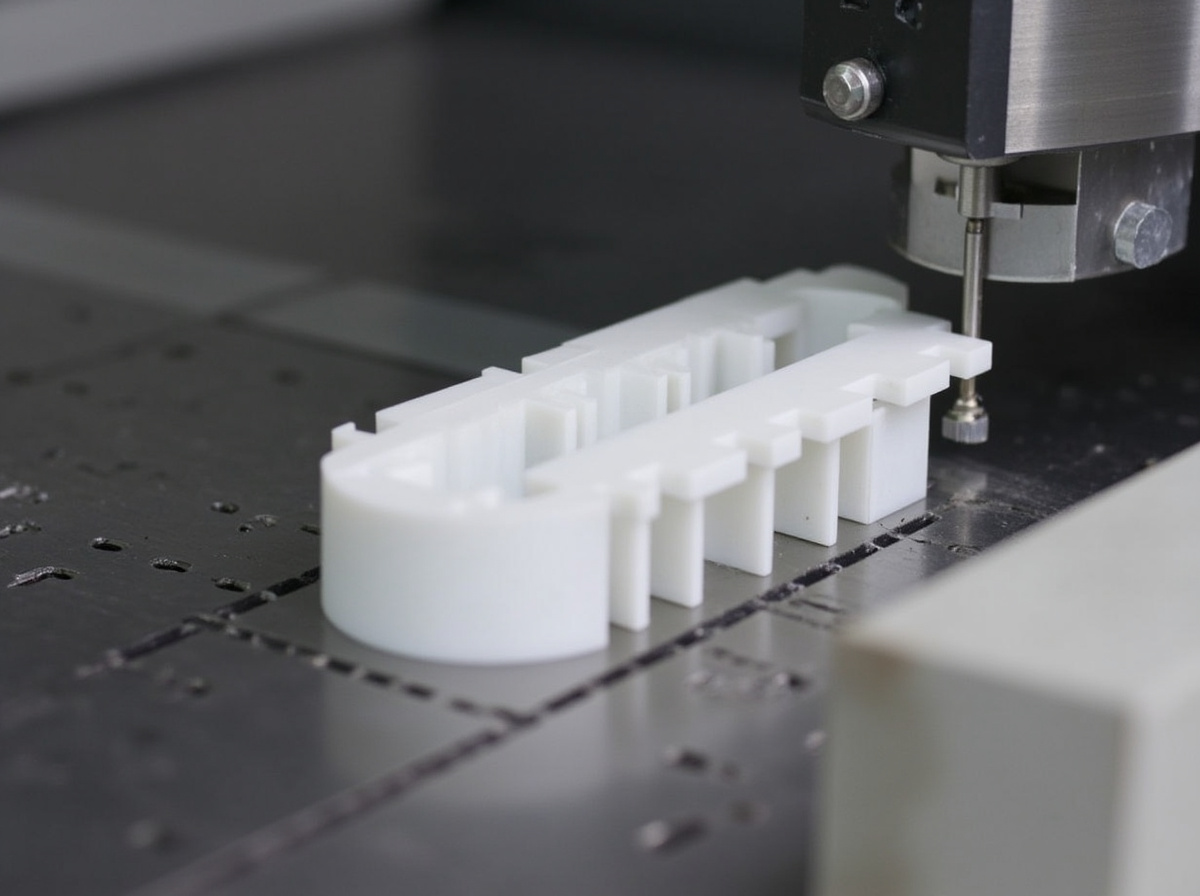
Polyamides are generally excellent candidates for CNC machining, with several important caveats. Nylon 6 machines well with sharp carbide tooling at moderate speeds, producing continuous chips that require effective evacuation strategies. Coolant selection is critical — water-based coolants can cause dimensional swelling in PA 6 and PA 66, so air blast or minimum quantity lubrication systems are preferred for high-precision work. PA 12 machines exceptionally well due to its lower melting point and self-lubricating properties, enabling fine surface finishes without secondary operations. Glass-filled grades require diamond-coated tooling to resist the abrasive wear that standard carbide tools experience within minutes of cutting.
Injection Molding Polyamides
Proper material drying is non-negotiable for polyamide injection molding. PA 6 and PA 66 require drying to moisture content below 0.15% (typically 4-6 hours at 80°C) before processing to prevent hydrolytic degradation that manifests as surface splay, reduced mechanical properties, and inconsistent shot weights. Mold temperatures of 80-90°C are recommended to promote surface crystallinity and achieve optimal dimensional stability. PA 12 and PA 11 process at lower temperatures and are more forgiving of moisture, though drying to 0.10% is still recommended for critical applications.
Industrial Applications by Polyamide Grade
The diverse property profiles across polyamide grades enable a wide range of engineering applications. Understanding which grade suits which application is essential for optimizing both performance and cost.
Automotive Applications
Under-hood components demand high-temperature performance, making PA 66 the dominant choice for engine covers, intake manifolds, radiator end tanks, and rocker covers. Glass-reinforced PA 66 handles continuous service temperatures up to 130°C. For fuel system components, PA 12 is preferred due to its superior chemical resistance and lower permeation rates. PA 6 finds extensive use in interior components, cable ties, and clips where lower cost and excellent surface finish are prioritized.
Industrial Machinery
PA 6 is widely used for gears, bearings, rollers, and wear pads in industrial machinery applications. Cast PA 6 (oil-filled or MoS₂-filled grades) provides self-lubricating properties that extend component life in unlubricated applications. For heavy-load bearings operating in wet environments, PA 12 or PA 11 offer superior dimensional stability.
Consumer and Electrical Applications
PA 6 and PA 66 dominate consumer product applications including power tool housings, sporting goods, furniture components, and electrical connectors. PA 66’s higher dielectric strength makes it the preferred grade for electrical insulation components. Bio-based PA 11 is increasingly specified for consumer goods where sustainability credentials are valued.
Material Selection Decision Framework
When choosing between polyamide grades for a specific application, engineers should evaluate the following decision criteria in order of priority:
1. Operating Temperature: If continuous service temperature exceeds 100°C, PA 66 or glass-filled PA 6 are minimum requirements. For applications above 130°C, consider PA 46 or semi-aromatic grades.
2. Moisture Environment: If the component operates in varying humidity or water contact, the dimensional instability of PA 6/66 may be unacceptable. Specify PA 12, PA 11, or moisture-conditioned PA 6 with appropriate design compensation.
3. Mechanical Loads: For structural applications requiring high strength and stiffness, glass-filled grades provide 2-3x improvement in tensile modulus and HDT compared to unfilled grades. Carbon-filled grades add electrical conductivity.
4. Chemical Exposure: Evaluate resistance to specific process fluids, cleaning agents, and environmental chemicals. PA 12 offers superior resistance to zinc chloride and many automotive fluids.
5. Cost Constraints: PA 6 is typically the most economical polyamide ($2-3/kg), followed by PA 66 ($3-4/kg). PA 12 and specialty grades command premium pricing ($8-15/kg) that must be justified by performance requirements.
Conclusion and Recommendations
The polyamide family offers remarkable versatility across a wide spectrum of engineering applications. For general-purpose mechanical components, PA 6 provides an excellent balance of properties and cost. When elevated temperature performance is required, PA 66’s higher melting point and superior strength retention justify the modest cost premium. Precision applications demanding dimensional stability in varying environments should specify PA 12 or PA 11 despite higher material costs, as their reduced moisture absorption eliminates significant post-molding dimensional changes.
At nylonplastic.com, our engineering team brings decades of experience in selecting and processing the right polyamide grade for each application. Whether your project requires standard nylon for cost-sensitive production or specialized polyamide grades for demanding performance requirements, understanding these material distinctions ensures that your specifications translate into reliable, high-performance components.
FAQ
How do you know whether Polyamide vs Nylon: Complete Comparison Guide fits a part?
Polyamide vs Nylon: Complete Comparison Guide fits a part when its load capacity, temperature range, moisture exposure, wear behavior, and processing method match the real service conditions.
What properties should be checked for Polyamide vs Nylon: Complete Comparison Guide?
Check strength, stiffness, impact resistance, heat resistance, moisture absorption, dimensional stability, friction, wear, and chemical compatibility.
What is the biggest selection risk for Polyamide vs Nylon: Complete Comparison Guide?
The biggest risk is choosing from a datasheet value without considering actual environment, processing method, part geometry, and long-term use.
When should Polyamide vs Nylon: Complete Comparison Guide be tested before production?
Testing is recommended when the part faces load, heat, chemicals, moisture, tight tolerances, regulatory requirements, or a new operating environment.

