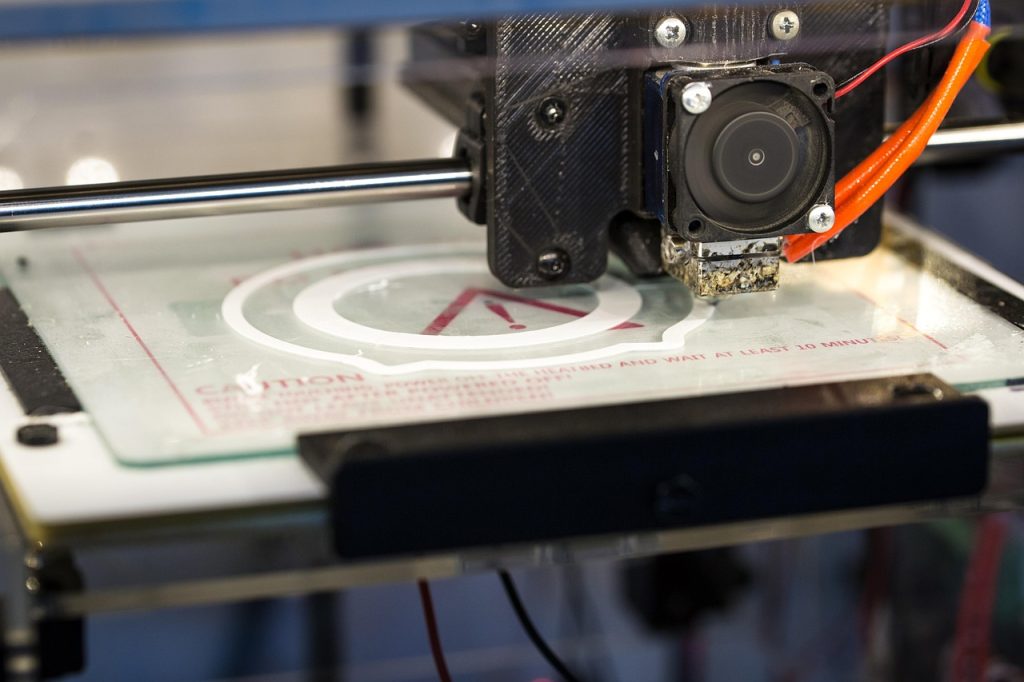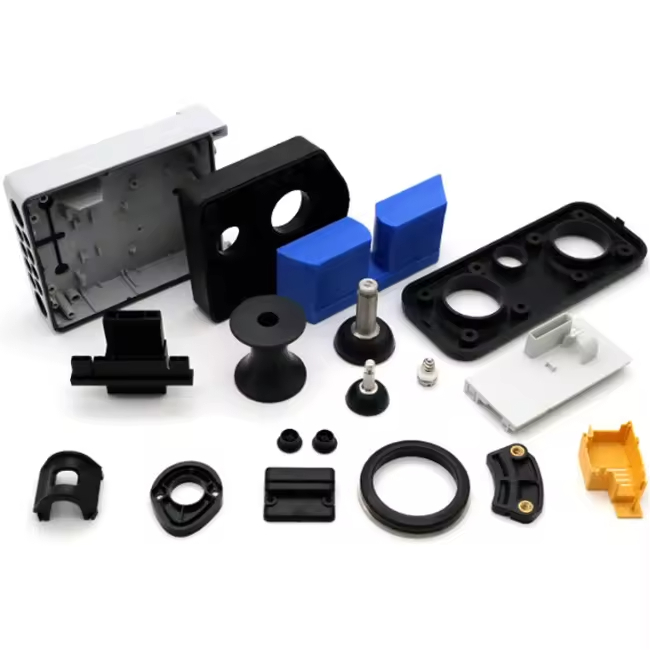
Digital light synthesis is chosen when a project needs smoother polymer parts, better isotropy than many layer-based print methods and a faster route to low-volume functional production. Buyers usually compare it with SLS, MJF, SLA and CNC machining, not with desktop hobby printing.
The real decision is whether DLS gives the right combination of material behavior, surface quality, tolerance range and post-processing cost for the application. It is not the universal answer for every plastic prototype or bridge-production part.
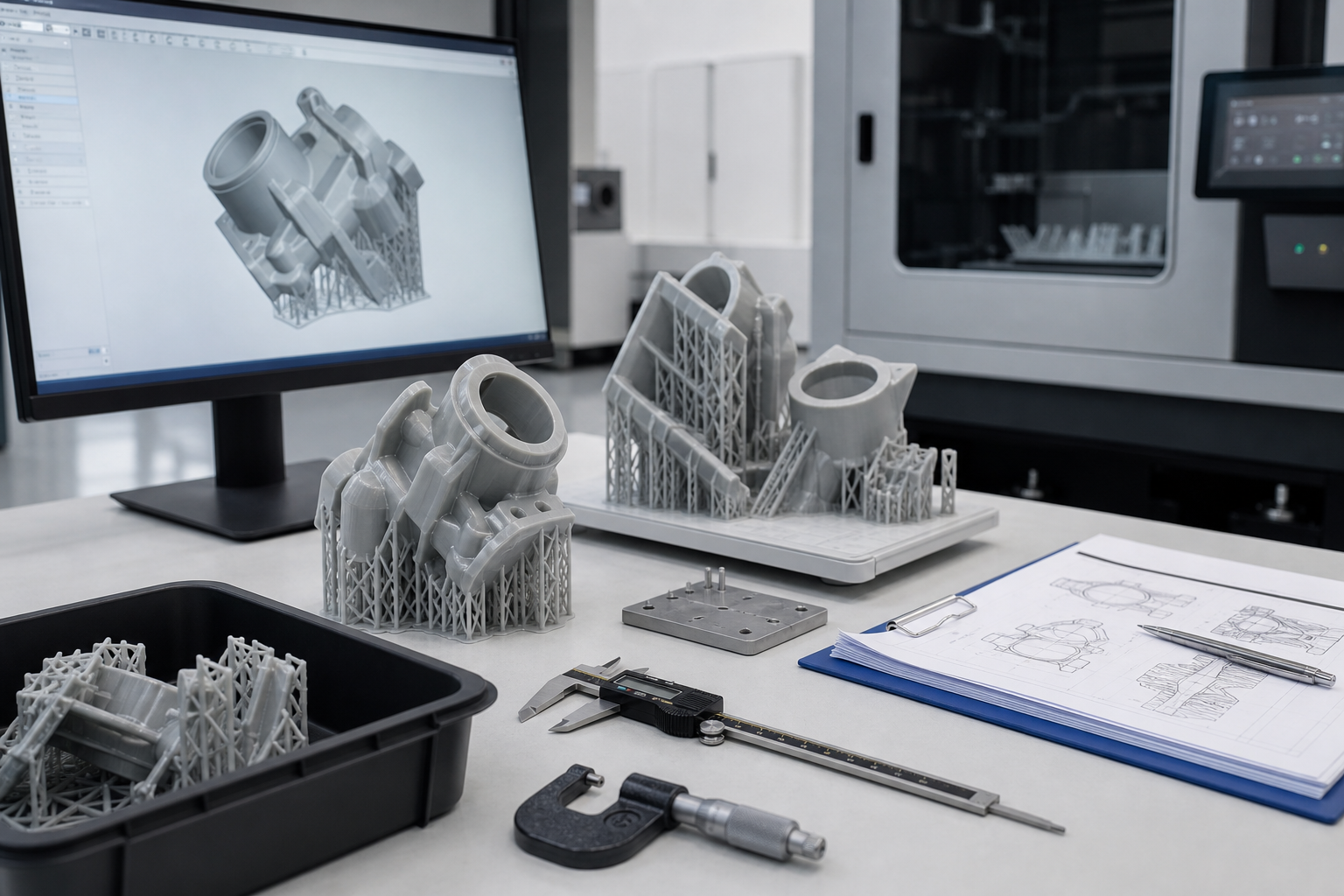
At a Glance
| Question | DLS Takeaway | Buyer Note |
|---|---|---|
| Surface finish | Smoother than powder-bed nylon in many cases | Useful for visible or hand-contact parts |
| Material family | Photopolymer-based engineered resins | Check long-term heat, UV and chemical limits carefully |
| Geometry freedom | Good for complex shapes | Support strategy and cure distortion still matter |
| Best use | Functional prototypes and selective low-volume production | Validate service environment before committing |
| Main trade-off | Material choice is narrower than CNC or molded thermoplastics | Do not assume it behaves like nylon or POM automatically |
When Digital Light Synthesis Makes Sense
DLS is attractive for ergonomic housings, elastomeric parts, design-validation builds and short-run functional components where surface quality and complex geometry matter. It can also work for bridge production when tooling is not yet justified and the material performance is proven for the use case.
It is usually a weaker fit when the part needs a broad thermoplastic material portfolio, extremely high temperature stability or the lowest cost at larger production volumes.
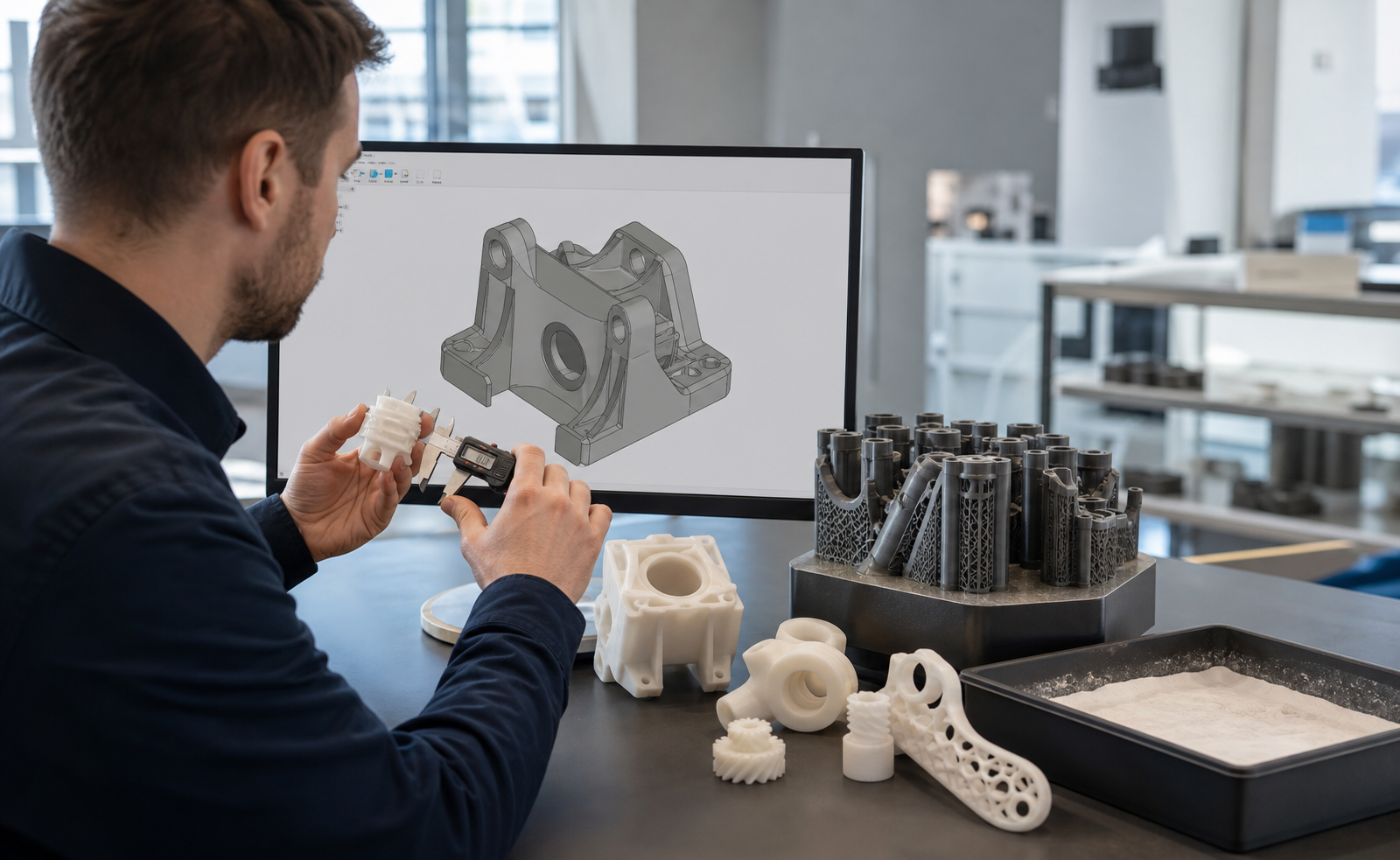
Material and Supplier Checks Before Ordering
- Confirm the real operating environment: heat, UV, moisture and fluid exposure matter.
- Check whether the resin needs post-cure discipline: final properties depend on process control.
- Define critical dimensions clearly: tolerance expectations should match the process.
- Review wall thickness and unsupported geometry: not every complex CAD feature prints equally well.
- Compare DLS with SLS, MJF and CNC: choose by part function, not by buzzword.
Common DLS Buying Mistakes
| Mistake | Risk | Better Approach |
|---|---|---|
| Assuming DLS resin equals molded thermoplastic | Unexpected field failure | Validate the actual material properties against the use condition |
| Buying by appearance only | Wrong process for structural parts | Check load, fatigue and environment before selecting the process |
| Skipping cure and finish discussion | Dimensional or surface inconsistency | Ask how the supplier controls cleaning, curing and inspection |
| Using DLS for mature high-volume parts | Unnecessary unit cost | Move to tooling when the business case supports it |
DLS vs SLS vs MJF vs CNC
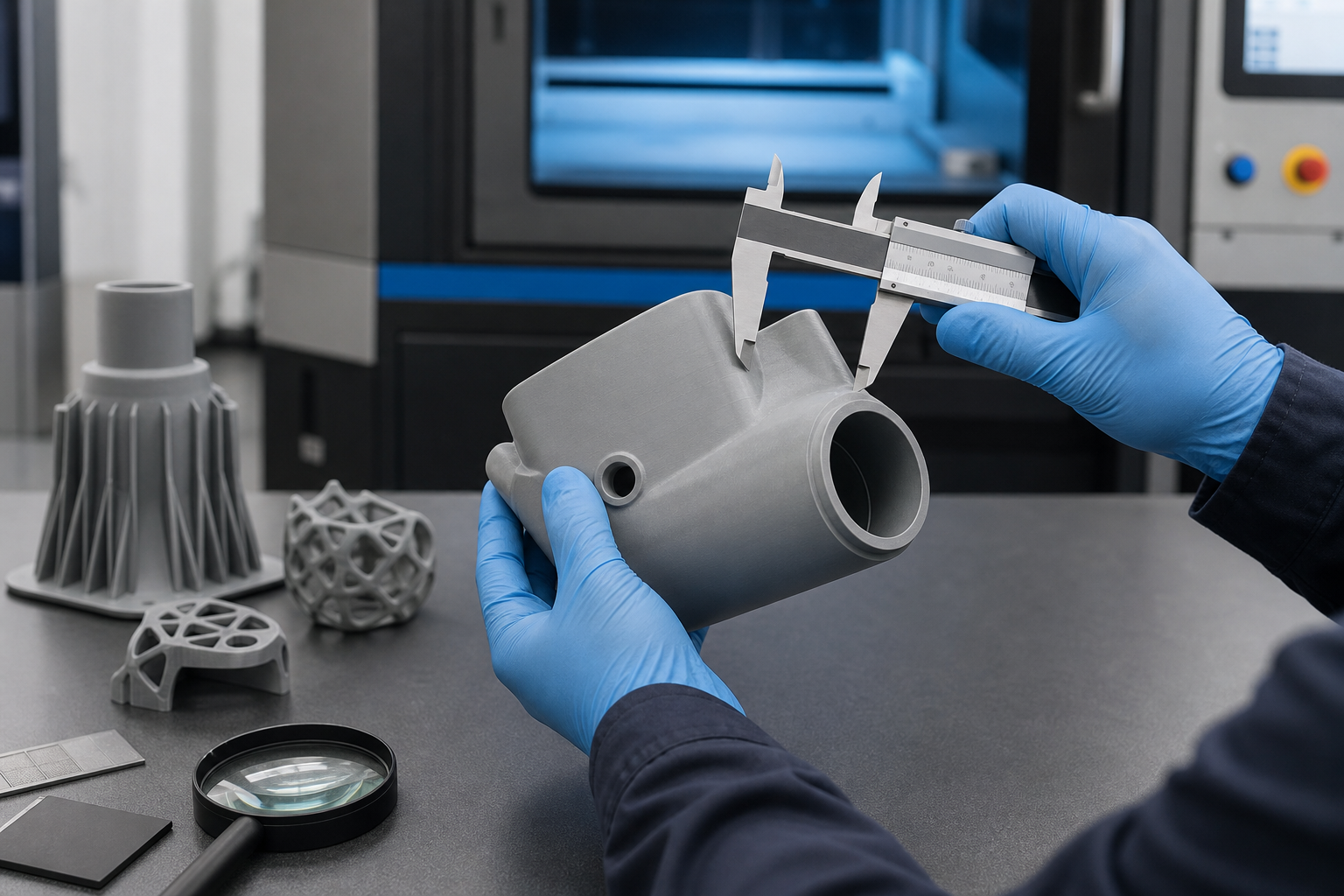
DLS can offer smoother parts and strong design freedom, but SLS and MJF remain more natural choices for many nylon-based functional runs. CNC remains stronger when the application needs tight machined tolerances or a known engineering thermoplastic block material.
Why Choose Nylon Plastic
Nylon Plastic helps buyers compare DLS with other practical manufacturing routes instead of treating every advanced printing method as interchangeable. That keeps the part-development decision tied to function, material behavior and production economics.
DLS Buying Questions Before It Is Used for Functional Parts
- The buyer selects DLS for surface detail without checking whether the resin’s heat, impact, fatigue, or chemical behavior matches the service environment.
- DLS, SLS, MJF, and CNC quotes are compared with different finishing, support, orientation, inspection, and quantity assumptions.
- A prototype is accepted by appearance while the real question is fit, load, sealing, thermal cycling, or production-tool validation.
- The quote does not state resin shelf life, post-curing, conditioning, finish, dimensional inspection, or limitations on long-term exposure.
How Nylon Plastic Supports the Project
Nylon Plastic can compare DLS with SLS, MJF, CNC machining, and later injection molding based on the actual part function. Since 2005, the team has supported material and process reviews that connect prototype evidence with a realistic production route.
- Review the drawing, material, quantity, critical features, and service environment before quotation.
- Connect samples, dimensional reports, material documents, traceability, and acceptance criteria to the same revision.
- Use custom compounding, injection molding, CNC machining, or 3D printing when the application requires a different route.
DLS 3D printing is useful when plastic parts need fine detail, smooth surfaces and a controlled resin process before production tooling.
Related Reading
- Plastic 3D Printing Services
- Nylon 3D Printing Service
- SLS vs MJF Nylon Printing
- 3D Printing Tolerances
Frequently Asked Questions
What is digital light synthesis used for?
DLS is used when a project needs detailed polymer parts, repeatable surfaces, or specific resin behavior for prototypes and selected production applications. The exact resin and validation requirement determine suitability.
Is DLS better than SLS or MJF for plastic parts?
No process is universally better. DLS may favor detail and surface requirements, while SLS or MJF may better fit nylon functional parts and batch production. Compare material, load, tolerance, finish, quantity, and inspection.
Can DLS parts be used in production?
They can be used when the selected resin, geometry, exposure, post-curing, dimensional capability, and quality plan are validated for the application. Do not assume prototype resin behavior equals molded nylon behavior.
What should be included in a DLS quote request?
Send the CAD, drawing, quantity, resin or service conditions, tolerances, finish, color, load, temperature, chemical exposure, inspection, and whether the parts are prototypes, bridge parts, or production components.
Request a DLS and Plastic 3D Printing Review
Send the CAD, drawing, quantity, service conditions, finish, tolerances, and production plan for a process and material comparison.