
Among the three monomers that make up ABS plastic—acrylonitrile, butadiene, and styrene—butadiene is the unsung hero when it comes to toughness. Without it, ABS would be a rigid, brittle material closer to general-purpose polystyrene. Butadiene is what transforms ABS into the impact-resistant engineering plastic used in everything from car bumpers to consumer electronics.
What Is Butadiene in ABS?
Butadiene (1,3-butadiene, C4H6) is a conjugated diene hydrocarbon. In ABS production, polybutadiene rubber is synthesized first, then styrene and acrylonitrile monomers are grafted onto its surface through emulsion or mass polymerization. The result is a two-phase material: a rigid SAN (styrene-acrylonitrile) matrix with dispersed polybutadiene rubber particles.
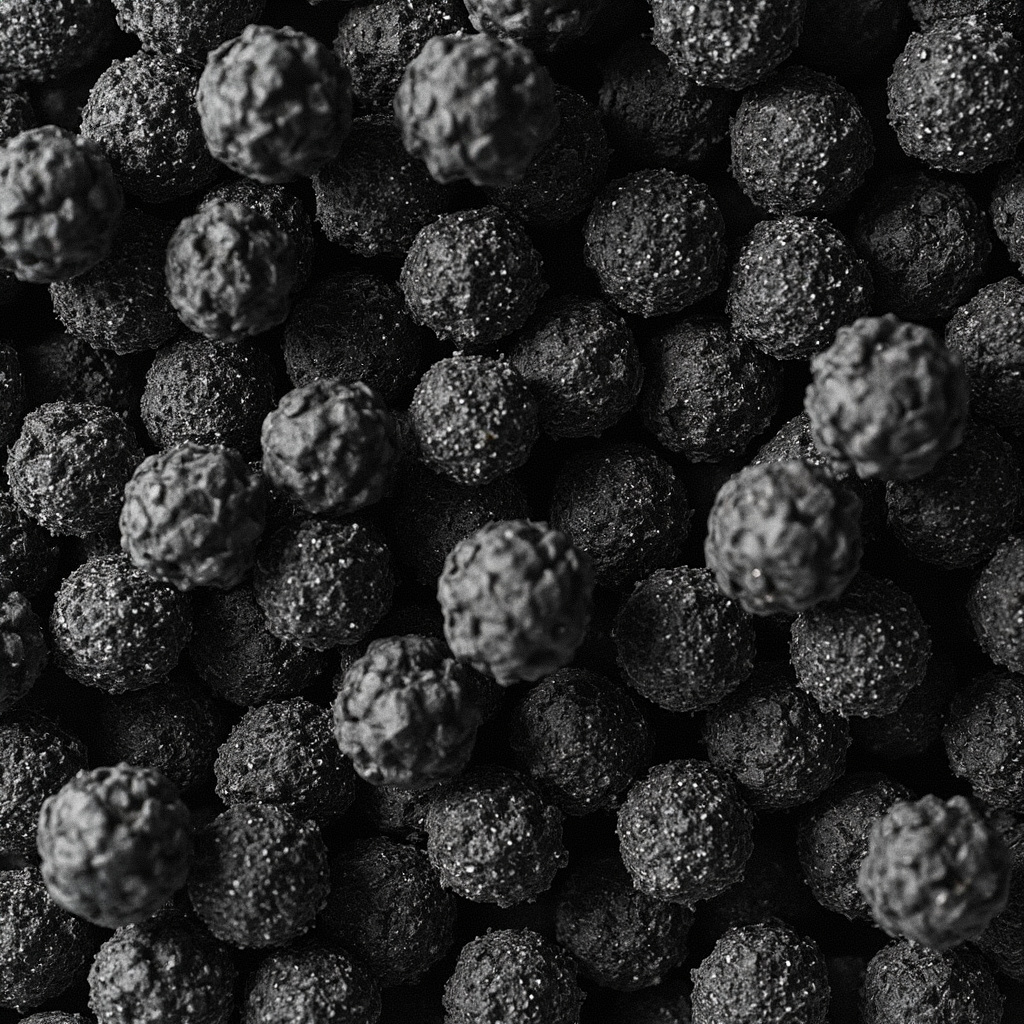
This morphology is key to understanding ABS’s impact performance. The rubber particles exist as discrete domains 0.1-0.5 micrometers in diameter throughout the rigid matrix. When an impact load is applied, the rubber particles function as stress concentrators that initiate and arrest crack propagation.
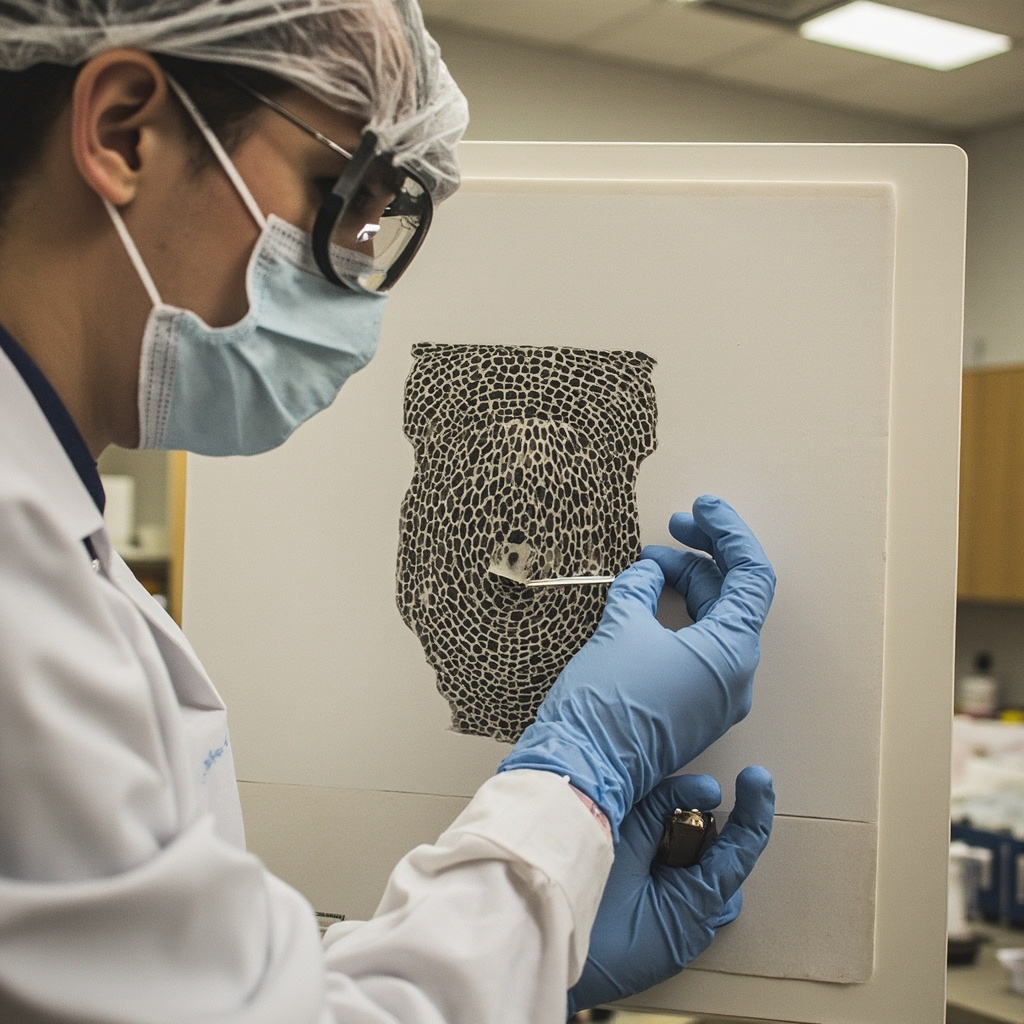
The Impact Mechanism: How Butadiene Prevents Fracture
When a crack meets a rubber particle in the ABS matrix, several energy-absorbing mechanisms activate simultaneously:
- Crazing: Micro-cracks form in the rubber particle, absorbing energy before the main crack can propagate
- Shear yielding: The rubber particles deform plastically, redistributing stress away from the crack tip
- Debonding: The interface between rubber particle and matrix separates, creating additional crack-blunting surfaces
- Cavitation: Voids form inside the rubber particles, relieving triaxial stress states that would otherwise accelerate cracking
Th
e result: instead of a single catastrophic crack that causes sudden fracture, the energy of the impact is dissipated across thousands of micro-mechanisms. The part may be damaged, but it does not shatter.
Butadiene Content and Impact Performance
The butadiene content in ABS typically ranges from 14% to 30% by weight, directly correlating with impact resistance:
| ABS Grade Type | Butadiene Content | Notched Izod Impact | Typical Applications |
|---|---|---|---|
| Standard ABS | 14-18% | 200-300 J/m | General purpose, electronics |
| High-Impact ABS | 18-24% |
 id #ddd;”>300-450 J/m |
Automotive interior, tools |
| Super-Tough ABS | 24-30% | 450-700 J/m | Protective equipment, luggage |
Trade-offs: More Butadiene Is Not Always Better
Increasing butadiene content improves impact resistance, but it comes with compromises:
- Surface quality: Higher butadiene reduces surface gloss and smoothness
- Heat resistance: Butadiene reduces the glass transition temperature and HDT
- Chemical resistance: The rubber phase is more susceptible to certain solvents and oils
- UV stability: Butadiene is particularly susceptible to UV-induced oxidation, accelerating embrittlement
- Stiffness: Higher rubber content reduces modulus and flexural strength
ABS Butadiene vs. Alternative Impact Modifiers
Other materials achieve impact modification through different chemistry:
- ASA (Acrylonitrile Styrene Acrylate): Replaces butadiene with acrylic rubber—equivalent impact resistance with much better UV stability. Preferred for outdoor applications.
- ABS-PC blends: Adding polycarbonate improves both impact resistance and heat resistance without the UV sensitivity of butadiene.
- MBS (Methyl Methacrylate Butadiene Styrene): Uses smaller butadiene particles than ABS, providing transparency in addition to impact modification. Used in transparent applications.
- TPE-T (Thermoplastic Elastomer – Thermoplastic): Used in overmolding applications where a flexible grip surface is bonded to a rigid substrate.
Designing Parts to Leverage ABS Impact Resistance
Material selection is only part of the equation. Part design determines how effectively ABS’s impact resistance translates to real-world performance:
- Use generous radii: Sharp corners act as stress concentrators, reducing effective impact resistance by up to 50%. Use fillet radii at least 0.5x wall thickness at all internal corners.
- Control wall thickness: Uniform wall thickness reduces weld lines and stress concentrations. Avoid sudden transitions.
- Consider living hinges: Butadiene-modified ABS can be used in living hinges with careful design—the rubber content provides the necessary flexibility.
- Test at operating temperature: Impact resistance decreases significantly at low temperatures, especially if the part is not conditioned.
Related Articles
Explore more manufacturing insights: ABS Chemical Breakdown.
Frequently Asked Questions
Does ABS become brittle at low temperatures?
Yes, like all plastics, ABS becomes more brittle as temperature decreases. The glass transition temperature of the SAN matrix is around 105 degrees C, but the rubber phase has a much lower Tg. Below -20 degrees C, impact resistance begins to decrease noticeably. For cryogenic applications, PC or PC-ABS blends are better choices.
Why does ABS yellow after UV exposure?
The butadiene phase is particularly susceptible to photo-oxidation. UV radiation breaks chemical bonds in the polybutadiene chain, creating free radicals that initiate a cascade of oxidation reactions. This degrades the rubber phase, causing discoloration and embrittlement. UV-stabilized grades, ASA, or UV-resistant coatings are recommended for outdoor use.
Can ABS be ultrasonically welded?
Yes. ABS welds exceptionally well by ultrasonic welding because the styrene component melts at relatively low temperatures and has good acoustic properties for transmitting vibration energy. The butadiene phase does not interfere with welding. This makes ABS ideal for assemblies requiring strong, leak-tight joints.
What is the difference between ABS and high-impact polystyrene (HIPS)?
HIPS replaces the acrylonitrile component with rubber-modified polystyrene. HIPS has lower chemical resistance and heat resistance than ABS, but is less expensive. ABS has better overall mechanical properties and chemical resistance. HIPS is common in packaging; ABS is used where durability matters.
 English
  Dutch
Dutch  German
  French
  Korean
  Russian
  Japanese
  Spanish
  Vietnamese
  Chinese
  Portuguese
  Arabic