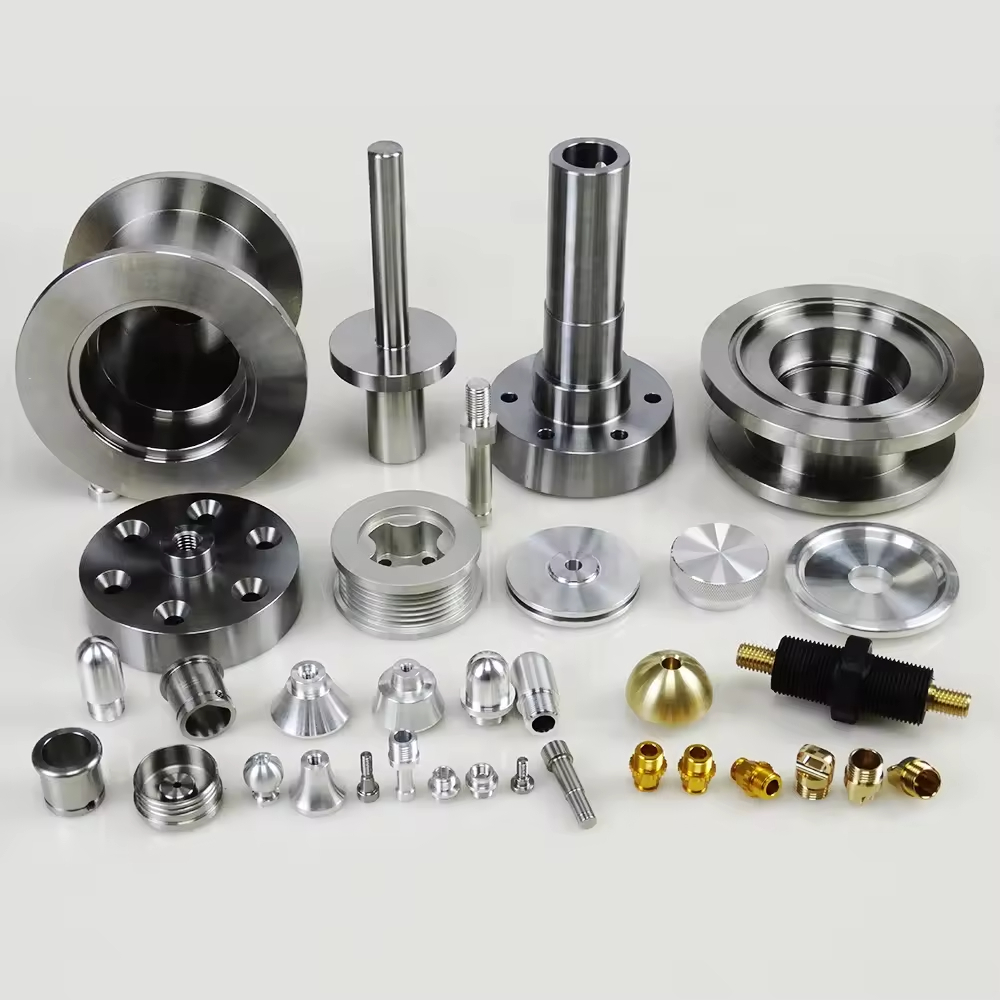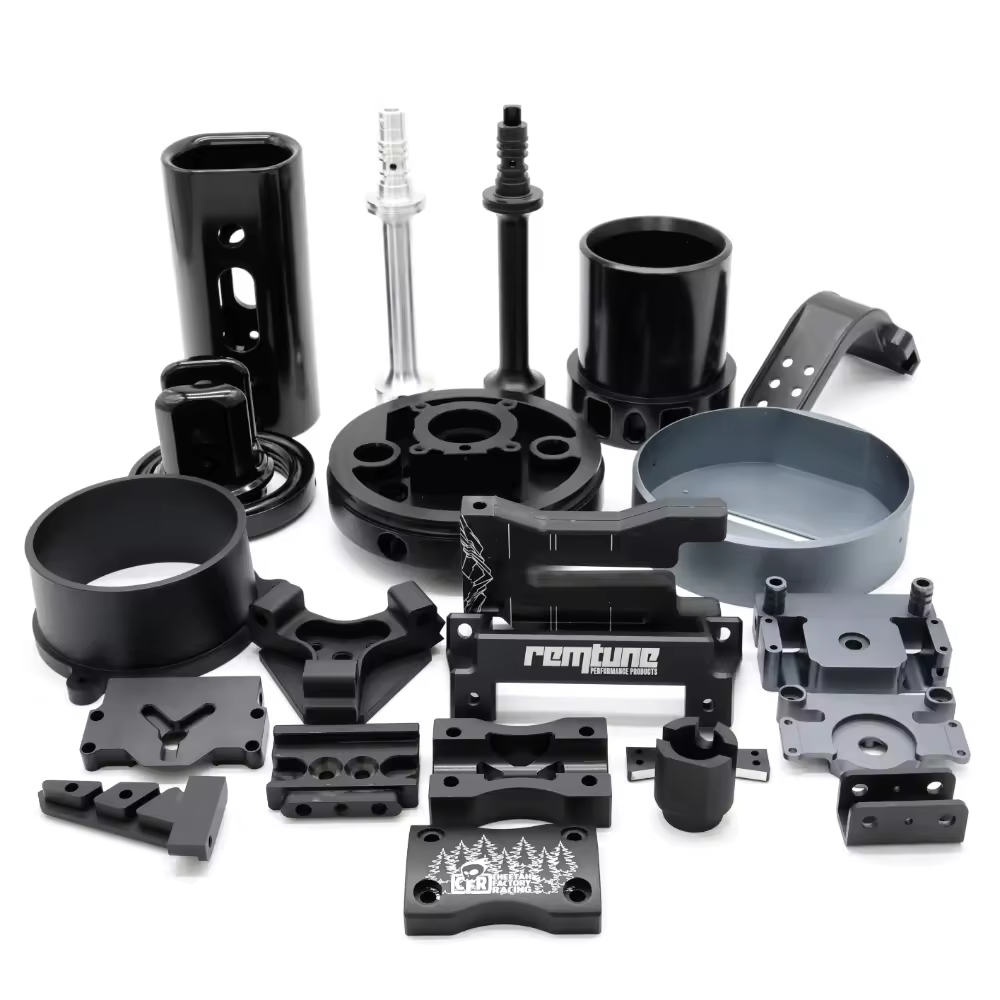
Laser Cutting represents Complete Guide to Precision Laser Technology one of the most important processes in materials engineering and manufacturing. This comprehensive guide examines the fundamental principles, operational techniques, and industrial applications of laser cutter, providing engineers and technical professionals with essential knowledge for process optimization and quality control.
Fundamental Principles and Characteristics
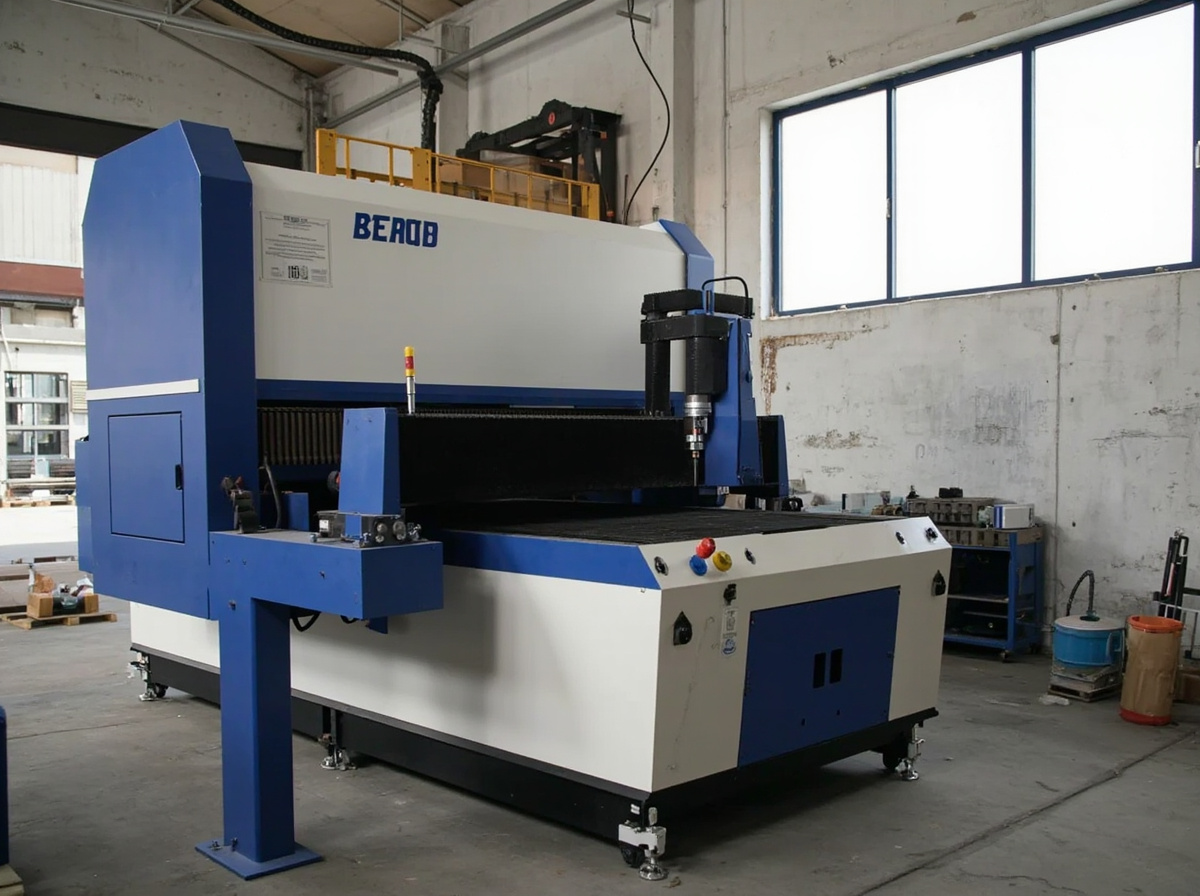
The laser cutter principles determine their suitability for specific industrial applications. Key characteristics include technical capabilities, operational efficiency, material compatibility, and production scalability. Understanding these fundamental principles enables optimal technology selection across diverse engineering contexts.
Industrial Applications
| Application Area | Specific Use | Performance Requirements | Technology Advantages |
|---|---|---|---|
| Manufacturing | Component production | High precision, reliability | Cost-effective, efficient |
| Aerospace | Aircraft components | Strength-to-weight ratio | Safety critical |
| Medical | Surgical instruments | Biocompatibility, precision | Patient safety |
| Automotive | Vehicle components | Durability, performance | Mass production |
| Industrial | Equipment manufacturing | Long service life | Operational efficiency |
Operational Processes
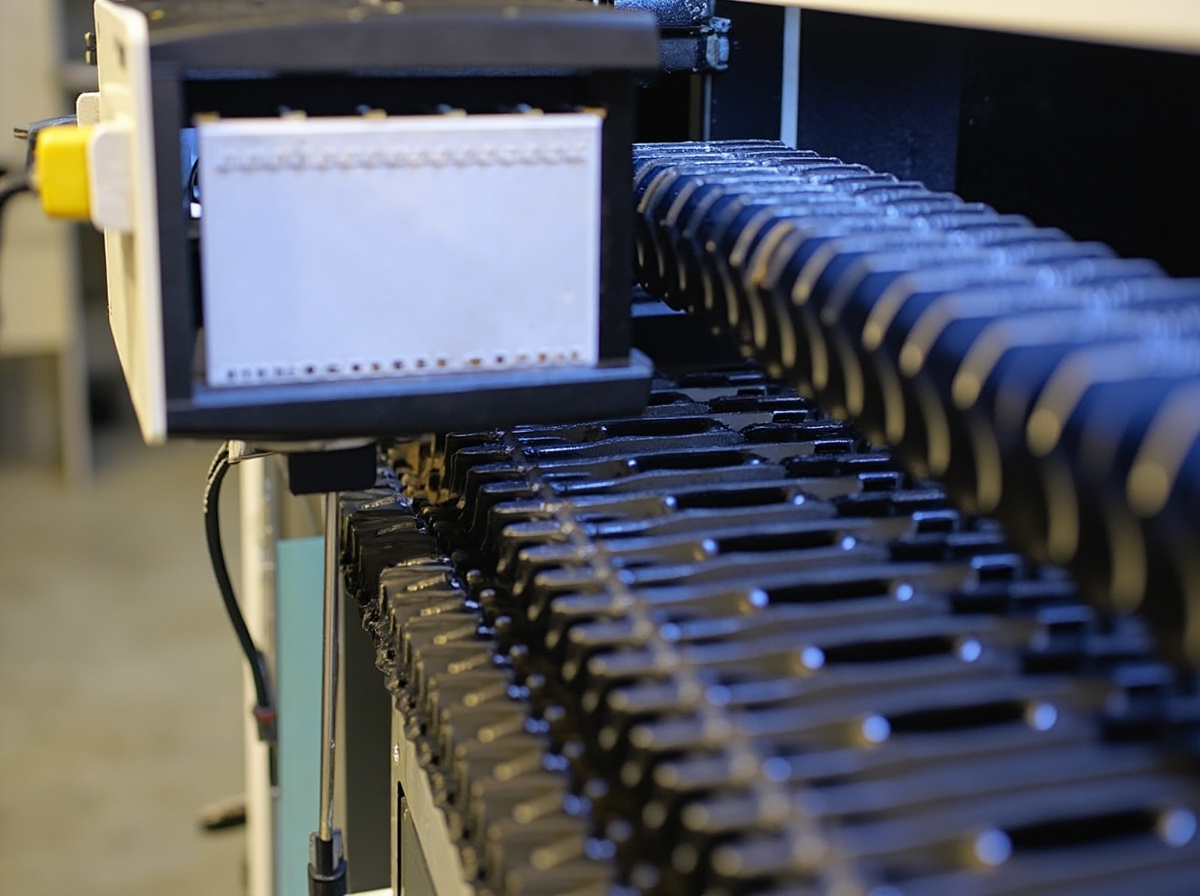
laser cutter operations involve specialized techniques tailored to material properties and application requirements. Common operational methods include process optimization, quality control, material handling, and performance testing, each offering distinct advantages for specific production requirements.
Technology Selection Considerations
Selecting laser cutter for industrial applications requires evaluating multiple performance criteria against cost constraints and production feasibility. Key considerations include technical requirements, material compatibility, production volume, and lifecycle costs.
Performance vs Cost Analysis
Technology selection balances performance requirements against economic constraints. laser cutter offers specific advantages in applications requiring [performance characteristic], though alternative technologies may provide better cost-performance ratios for less demanding applications.
Environmental and Regulatory Factors
Environmental regulations and sustainability considerations increasingly influence technology selection. laser cutter compliance with relevant standards and regulations must be verified for specific applications and geographic markets.
Future Developments and Trends
Advancements in laser cutter technology continue to expand application possibilities while addressing efficiency concerns. Emerging trends include improved process automation, enhanced precision capabilities through technological development, and increased focus on energy efficiency and sustainability.
Conclusion
laser cutter represents a critical technology category with diverse industrial applications spanning manufacturing, aerospace, medical, automotive, and beyond. Understanding its fundamental principles, operational techniques, and application-specific considerations enables engineers and technical professionals to make informed technology selection decisions that balance performance, cost, and sustainability requirements.
FAQ
When is Laser Cutting: Complete Guide to Precision Laser Technology the right choice?
Laser Cutting: Complete Guide to Precision Laser Technology is the right choice when the part requires machined accuracy, controlled surfaces, repeatable features, and a material that can be cut reliably.
What should be confirmed before ordering Laser Cutting: Complete Guide to Precision Laser Technology?
Confirm the drawing version, material grade, tolerances, quantity, critical dimensions, surface finish, and inspection requirements before production starts.
What usually drives cost in Laser Cutting: Complete Guide to Precision Laser Technology?
Cost is usually driven by material, setup time, machine time, tolerance difficulty, fixturing, tool access, finishing, inspection, and order quantity.
How can quality risk be reduced in Laser Cutting: Complete Guide to Precision Laser Technology?
Quality risk is reduced by marking critical features clearly, avoiding unnecessary tight tolerances, confirming manufacturability early, and using inspection data for important dimensions.