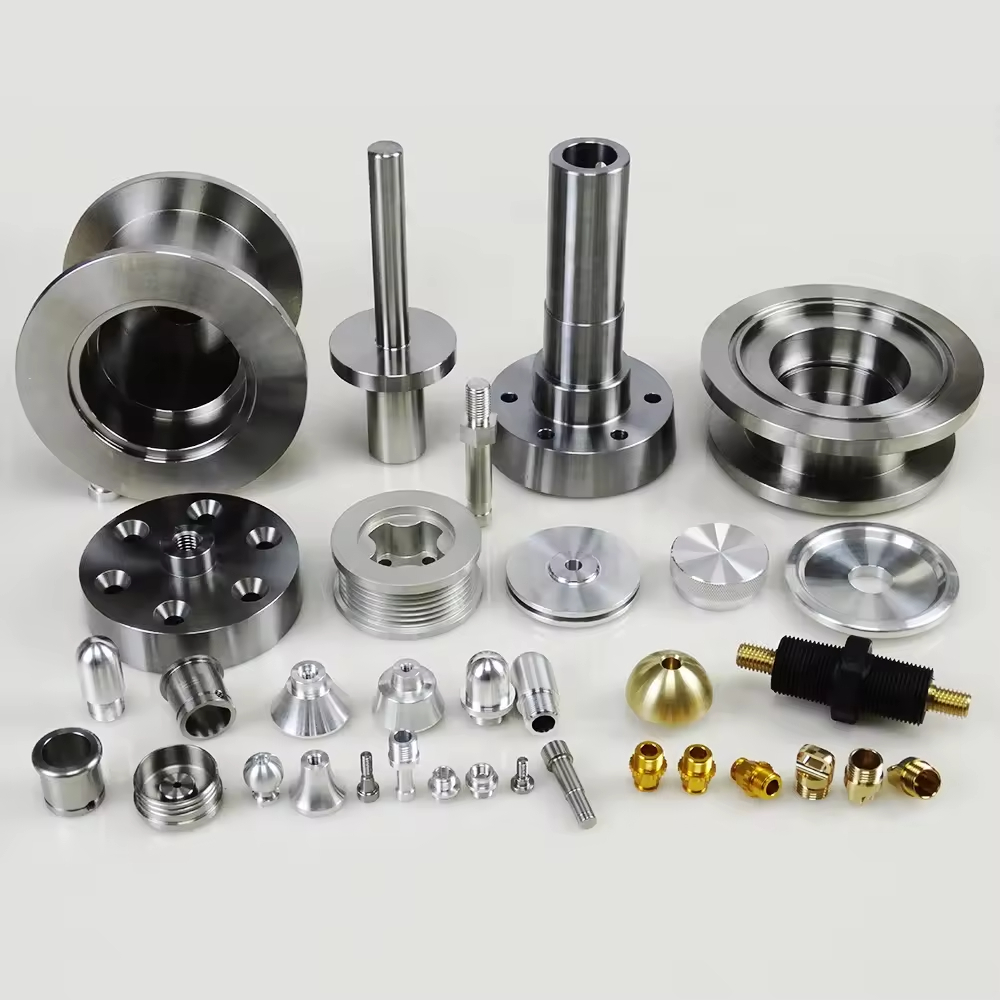
Shear Stress represents Complete Guide to Material Shear Strength and Testing one of the most important concepts in materials engineering and testing. This comprehensive guide examines the fundamental principles, measurement techniques, and industrial applications of shear stress, providing engineers and quality control professionals with essential knowledge for material evaluation and performance assessment.
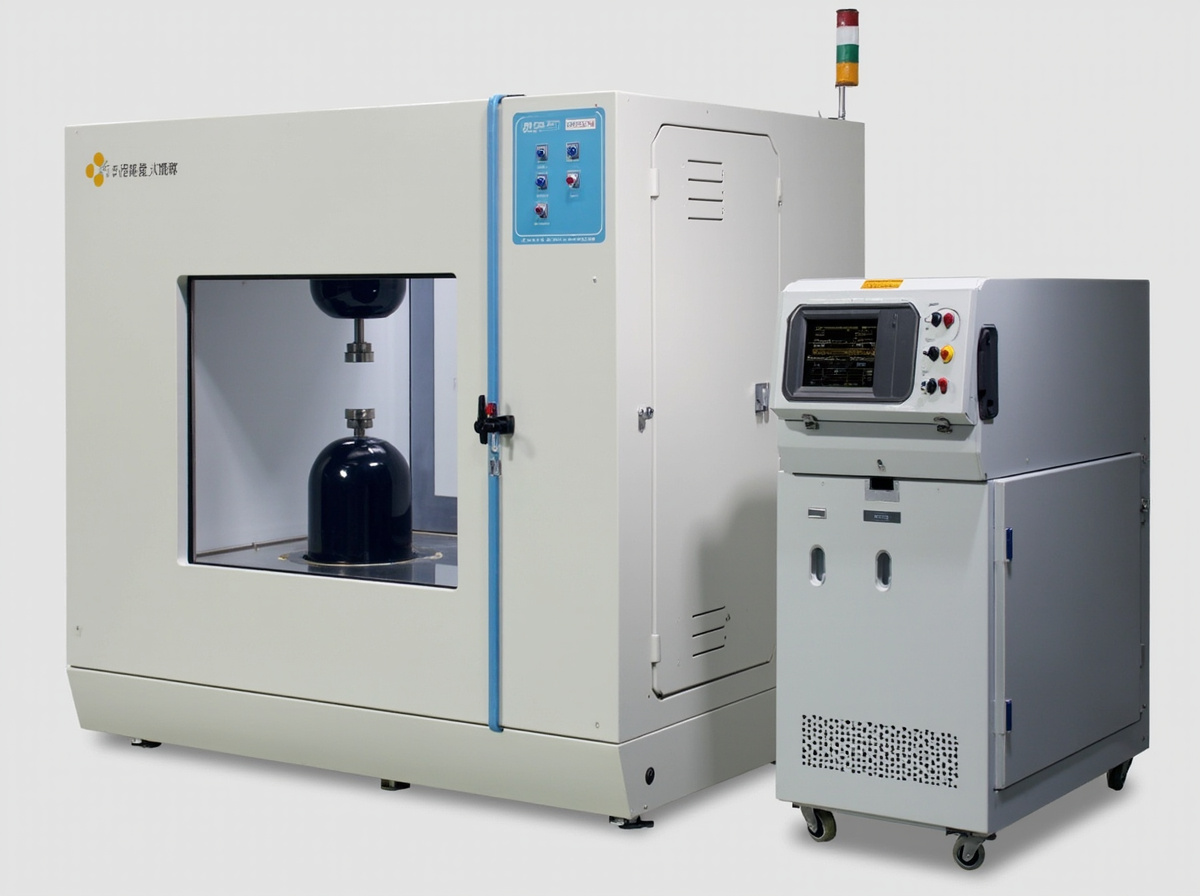
Fundamental Principles and Characteristics
The shear stress principles determine material suitability for specific engineering applications. Key characteristics include mechanical strength, deformation behavior, failure modes, and testing methodologies. Understanding these fundamental principles enables optimal material selection across diverse industrial contexts.
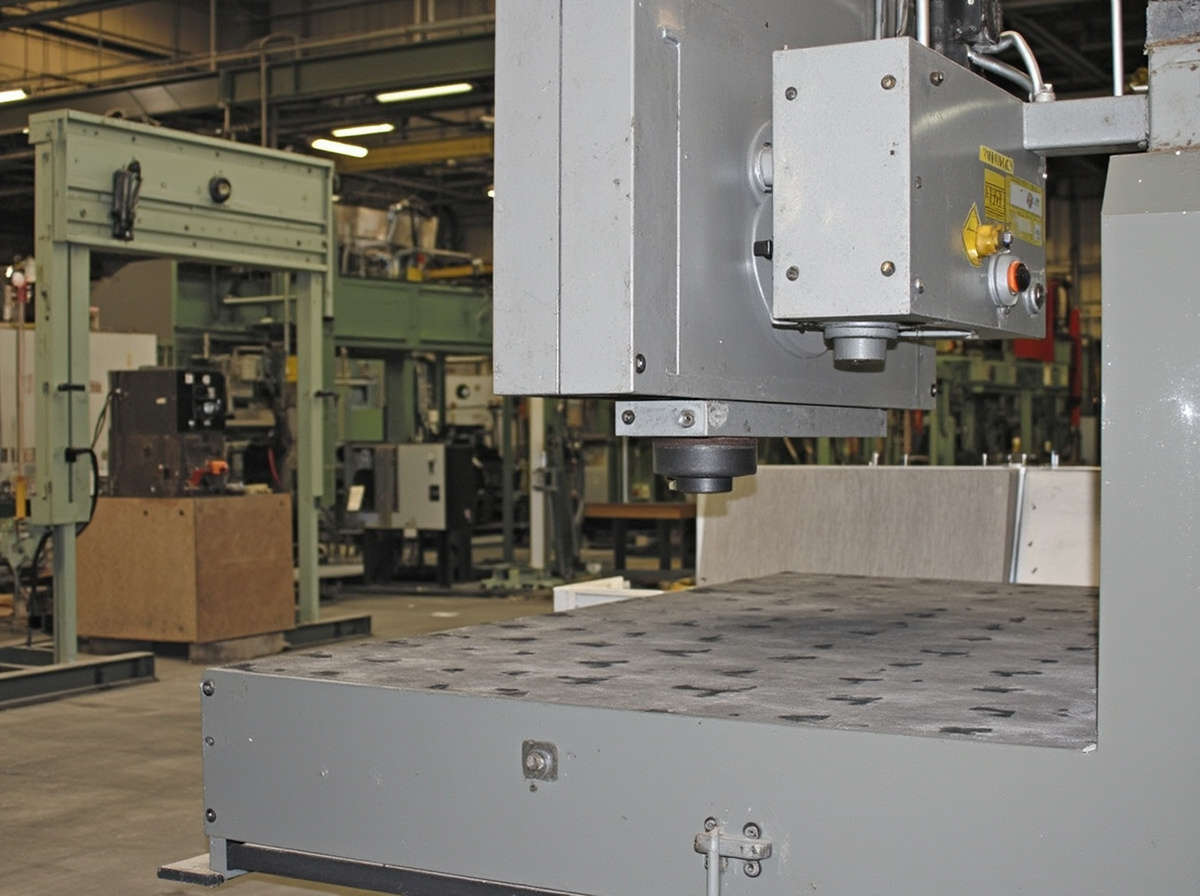
Industrial Applications
| Application Area | Specific Use | Performance Requirements | Material Advantages |
|---|---|---|---|
| Structural Engineering | Load-bearing components | High strength, durability | Safety critical |
| Mechanical Design | Machine components | Fatigue resistance | Reliability |
| Aerospace | Aircraft structures | Strength-to-weight ratio | Weight optimization |
| Automotive | Vehicle components | Impact resistance | Crash safety |
| Construction | Building materials | Long-term durability | Service life |
Testing and Measurement Processes
shear stress testing involves specialized techniques tailored to material properties and application requirements. Common testing methods include destructive testing, non-destructive evaluation, laboratory analysis, and field testing, each offering distinct advantages for specific quality control requirements.
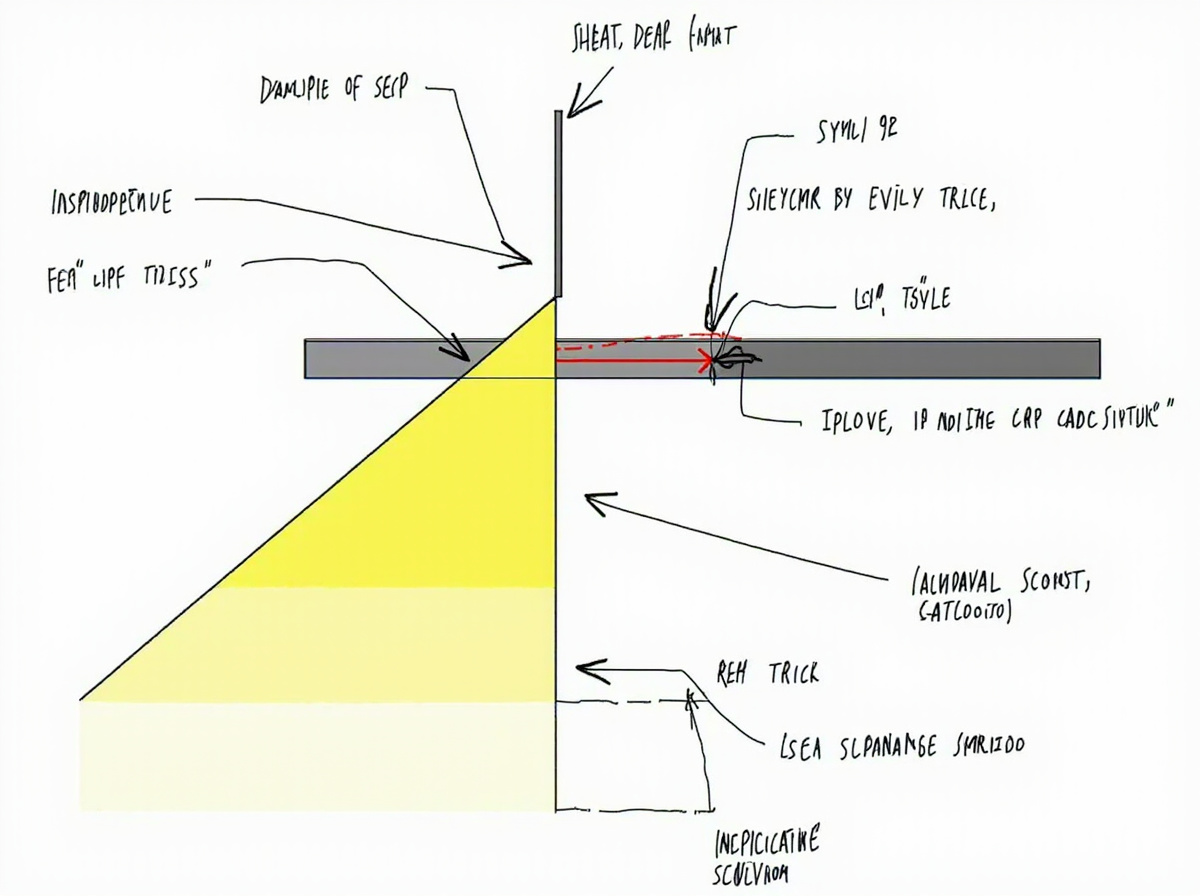
Material Selection Considerations
Selecting materials based on shear stress characteristics requires evaluating multiple performance criteria against cost constraints and manufacturing feasibility. Key considerations include mechanical properties, environmental resistance, processing characteristics, and lifecycle costs.
Performance vs Cost Analysis
Material selection balances performance requirements against economic constraints. Materials with optimal shear stress characteristics offer specific advantages in applications requiring [performance characteristic], though alternative materials may provide better cost-performance ratios for less demanding applications.
Environmental and Regulatory Factors
Environmental regulations and sustainability considerations increasingly influence material selection. Material compliance with relevant standards and regulations must be verified for specific applications and geographic markets.

Future Developments and Trends
Advancements in shear stress testing and material development continue to expand application possibilities while addressing performance concerns. Emerging trends include improved testing accuracy, enhanced material properties through alloy development, and increased focus on standardized testing protocols.
Conclusion
shear stress represents a critical aspect of materials engineering with diverse industrial applications spanning structural engineering, mechanical design, aerospace, automotive, and construction. Understanding its fundamental principles, testing methodologies, and application-specific considerations enables engineers and quality control professionals to make informed material selection decisions that balance performance, cost, and sustainability requirements.
FAQ
Why does Shear Stress: Complete Guide to Material Shear Strength and Testing matter?
Shear Stress: Complete Guide to Material Shear Strength and Testing matters because it converts material behavior into measurable evidence that can guide design, sourcing, and production decisions.
How is Shear Stress: Complete Guide to Material Shear Strength and Testing used in material selection?
Engineers use the result to compare candidate materials, confirm safety margins, and avoid relying only on generic datasheet claims.
What can affect the result of Shear Stress: Complete Guide to Material Shear Strength and Testing?
Sample preparation, test method, temperature, loading direction, material condition, and standard selection can all affect the result.
What mistake should buyers avoid with Shear Stress: Complete Guide to Material Shear Strength and Testing?
Do not compare values unless the same standard, specimen condition, and test environment are being used.