
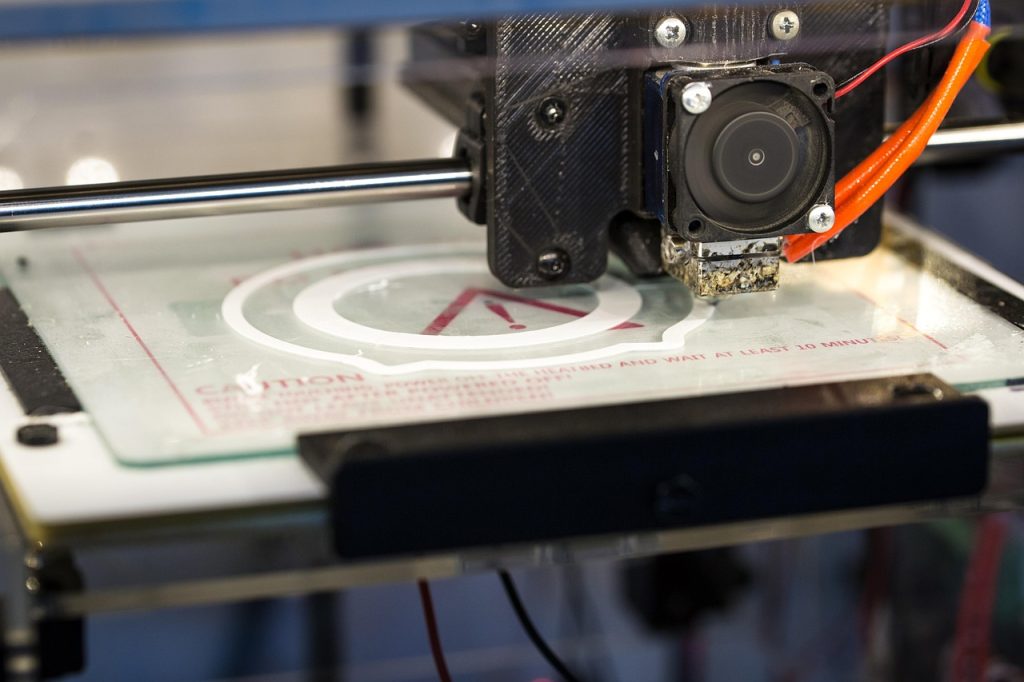
Metal 3D printing—specifically powder bed fusion processes like Direct Metal Laser Sintering (DMLS) and Selective Laser Melting (SLM)—has moved beyond prototyping into full production. Aerospace brackets, medical implants, custom tooling, and complex hydraulic manifolds that cannot be made any other way are now routinely additively manufactured. Understanding when and how to use metal 3D printing services helps engineers and procurement teams make better sourcing decisions.
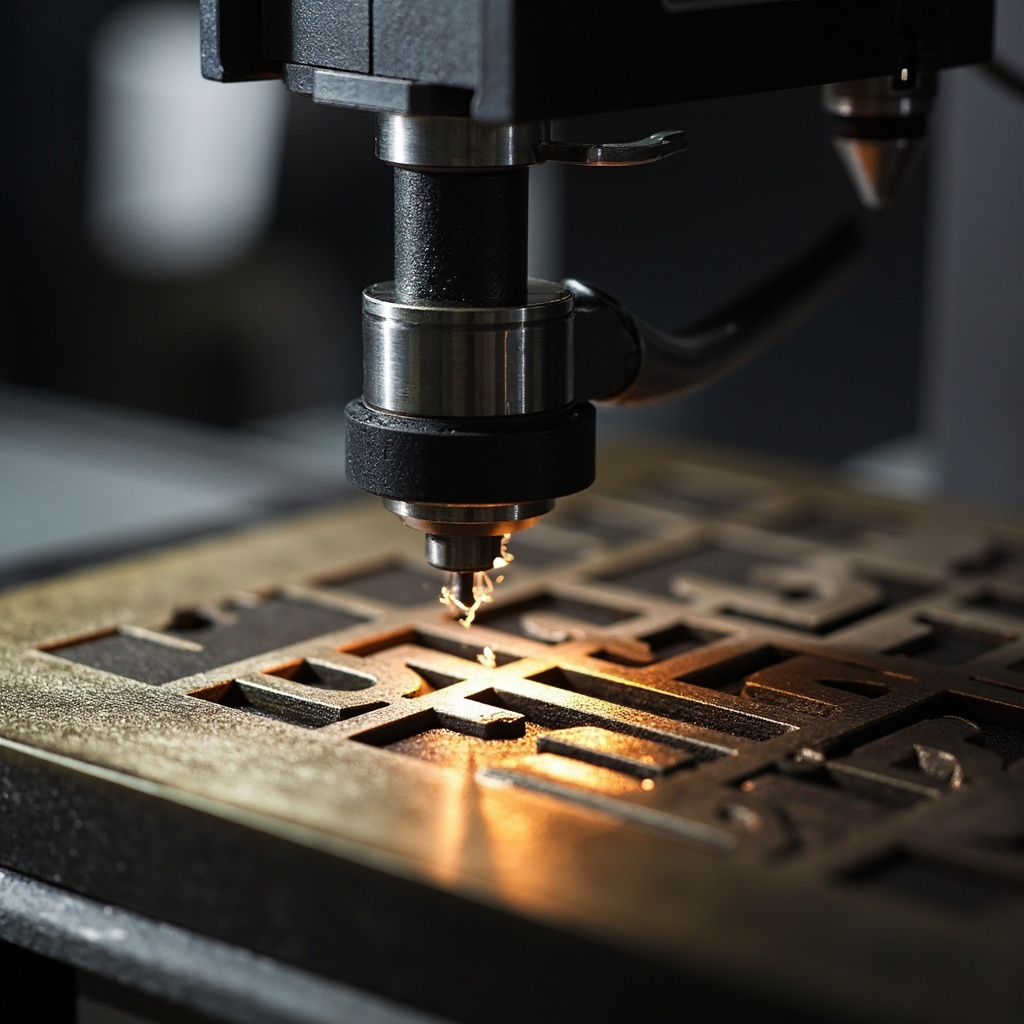
What Is Metal 3D Printing?
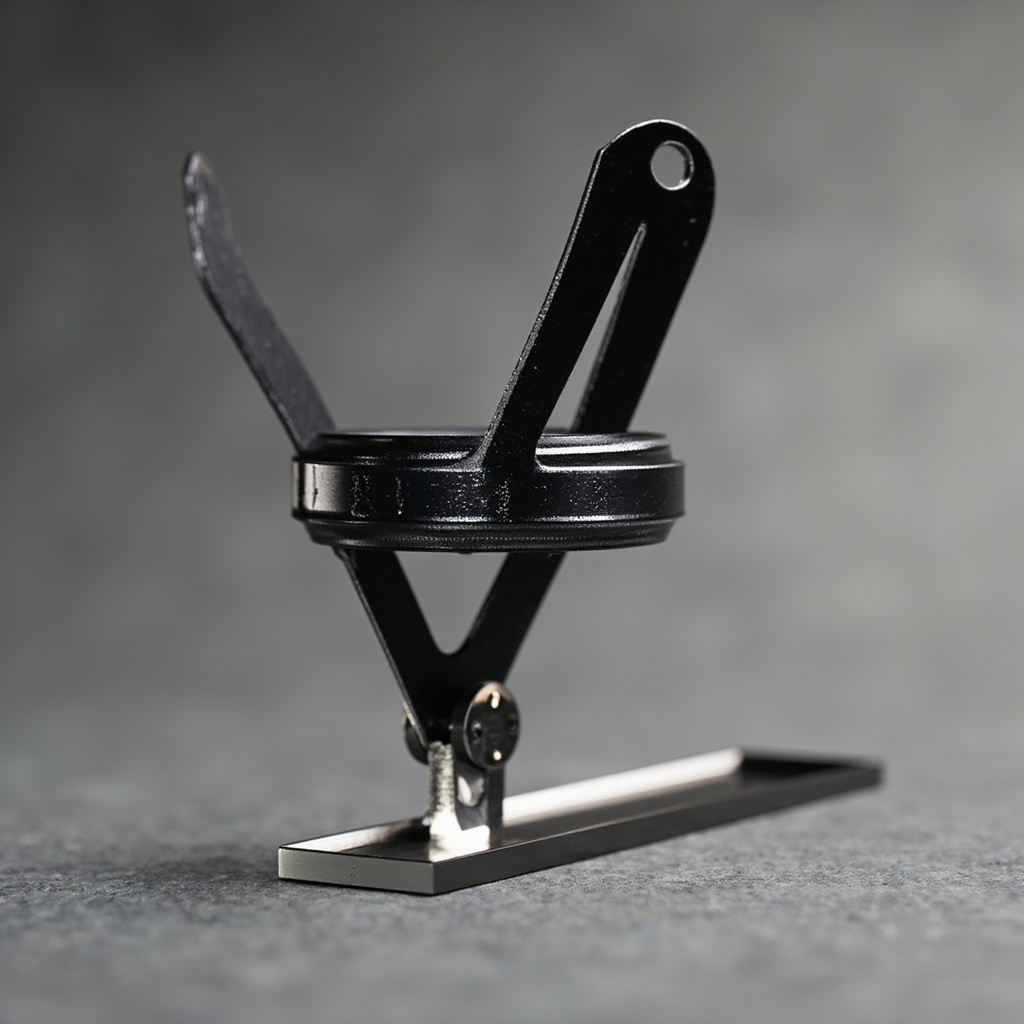
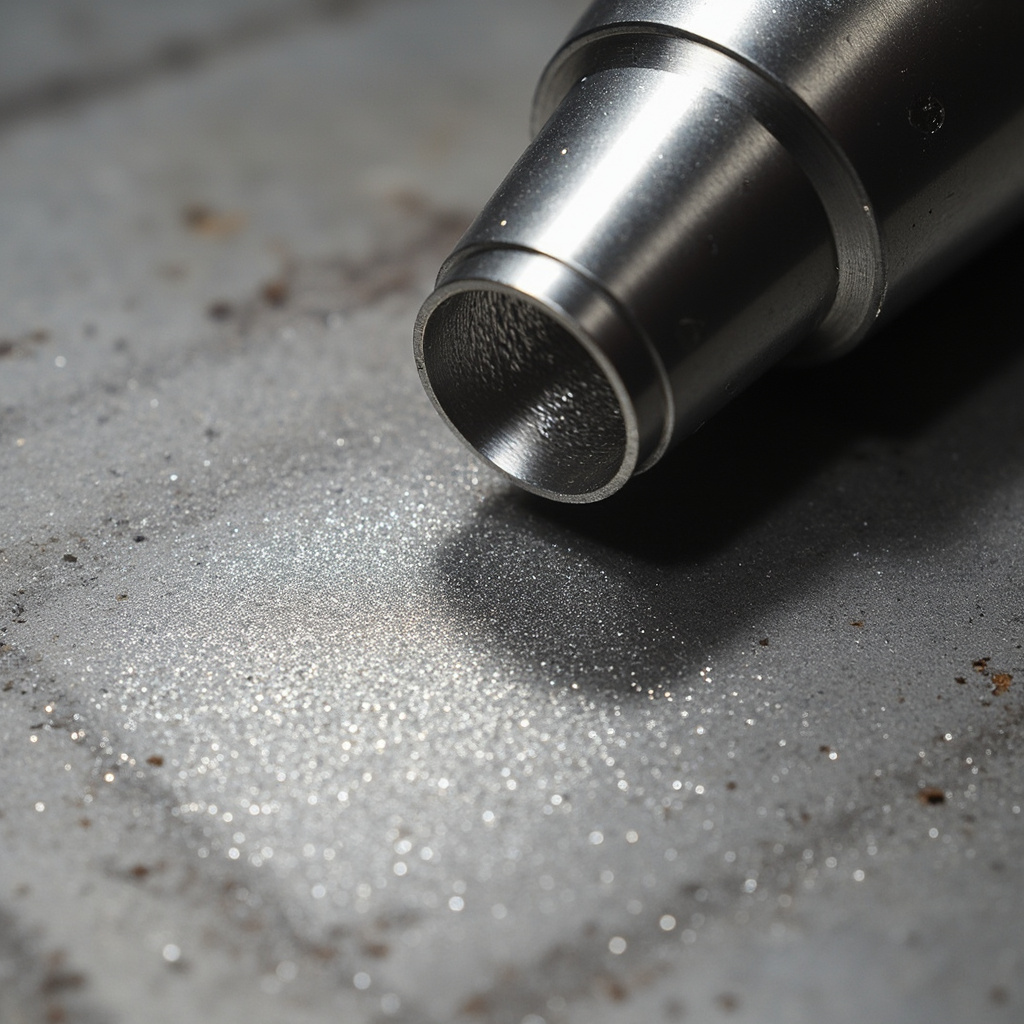
Metal 3D printing refers to a family of additive manufacturing processes that fuse metal powder into solid parts layer by layer using a high-power laser or electron beam. Unlike CNC machining—which subtracts material from a solid block—metal AM adds material only where needed, enabling:
- Complex geometry: Internal channels, lattice structures, and organic shapes impossible to machine
- Weight reduction: Topology-optimized designs remove material from low-stress areas, cutting weight by 30-60%
- Part consolidation: Multiple assemblies can be printed as a single piece, eliminating fasteners and joints
- Rapid tooling: Custom metal jigs, fixtures, and inserts can be printed in days instead of weeks
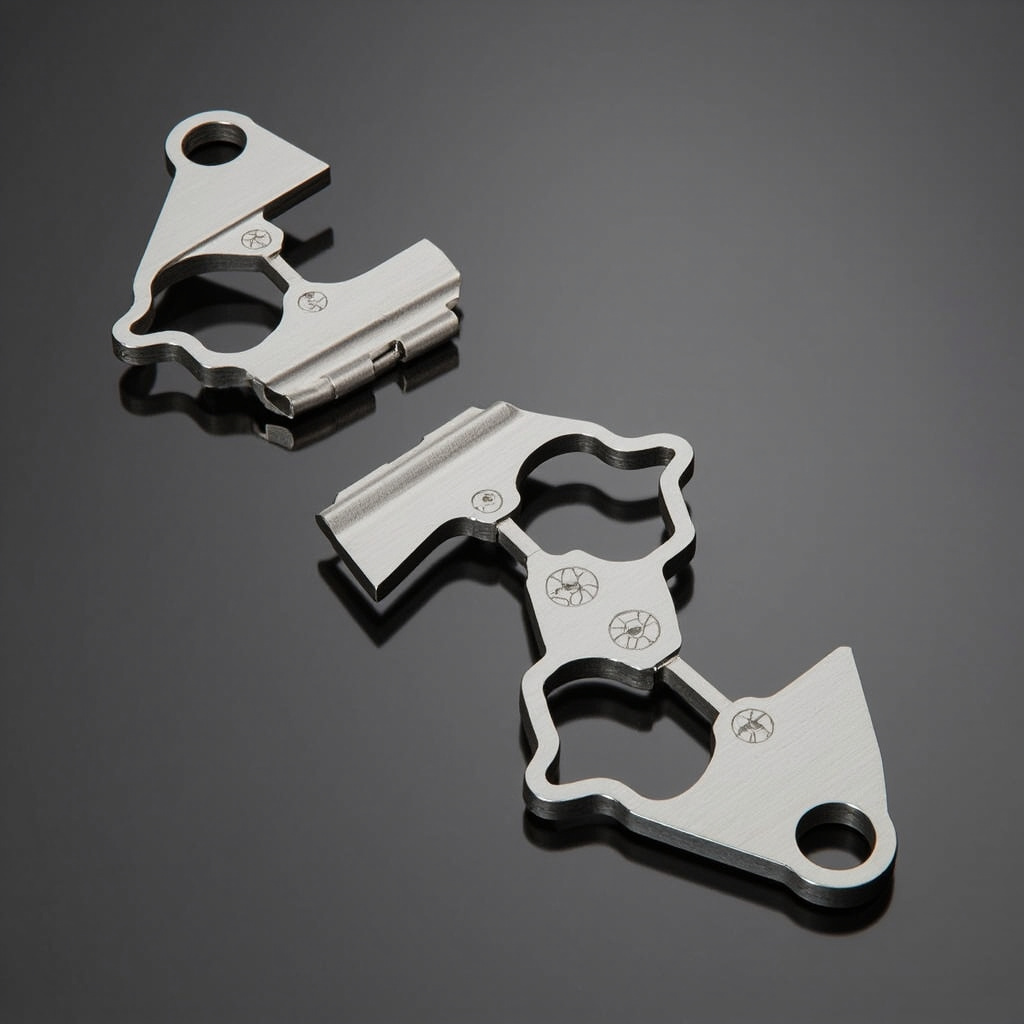
Primary Metal 3D Printing Processes
DMLS (Direct Metal Laser Sintering)
DMLS sinters metal powder just below its melting point using a fiber laser. The powder does not fully melt—particles are bonded through diffusion rather than complete fusion. This process:
- Works with a wide range of metals: stainless steel, tool steel, aluminum, cobalt-chrome, Inconel, titanium
- Achieves densities of 96-99% theoretical density
- Suitable for functional parts with good mechanical properties
- Standard DMLS resolution: 20-50 micrometer layer thickness
SLM (Selective Laser Melting)
SLM fully melts metal powder into a fully dense part. Because the powder is completely molten during processing, SLM achieves:
- Theoretical density of 99.95%+ (near-full density)
- Superior mechanical properties, particularly for fatigue-critical applications
- Better for high-strength alloys like titanium and Inconel
- Requires more precise process control than DMLS
EBM (Electron Beam Melting)
Uses an electron beam in a vacuum to melt metal powder. EBM is particularly suited for titanium alloys used in aerospace and medical implants because:
- Vacuum environment eliminates oxidation during processing
- High proces
sing temperatures reduce residual stress
- Titanium parts require no support structures due to the powder bed support
- Higher throughput than laser-based processes for large titanium parts
Metal Materials Available
| Material | Alloys | Applications |
|---|---|---|
| Stainless Steel | 316L, 304L, 17-4PH | Food processing, medical instruments, marine |
| Tool Steel | H13, M2, Maraging Steel | Injection mold inserts, cutting tools, dies |
| Aluminum | AlSi10Mg, AlSi7Mg | Lightweight brackets, housings, aerospace |
| Titanium | Ti6Al4V (Grade 5) | Medical implants, aerospace, racing |
| Cobalt Chrome | CoCrMo, CoCrW | Medical implants, dental, turbine blades |
| Inconel | Inconel 625, Inconel 718 | Turbine blades, heat exchangers, nuclear |
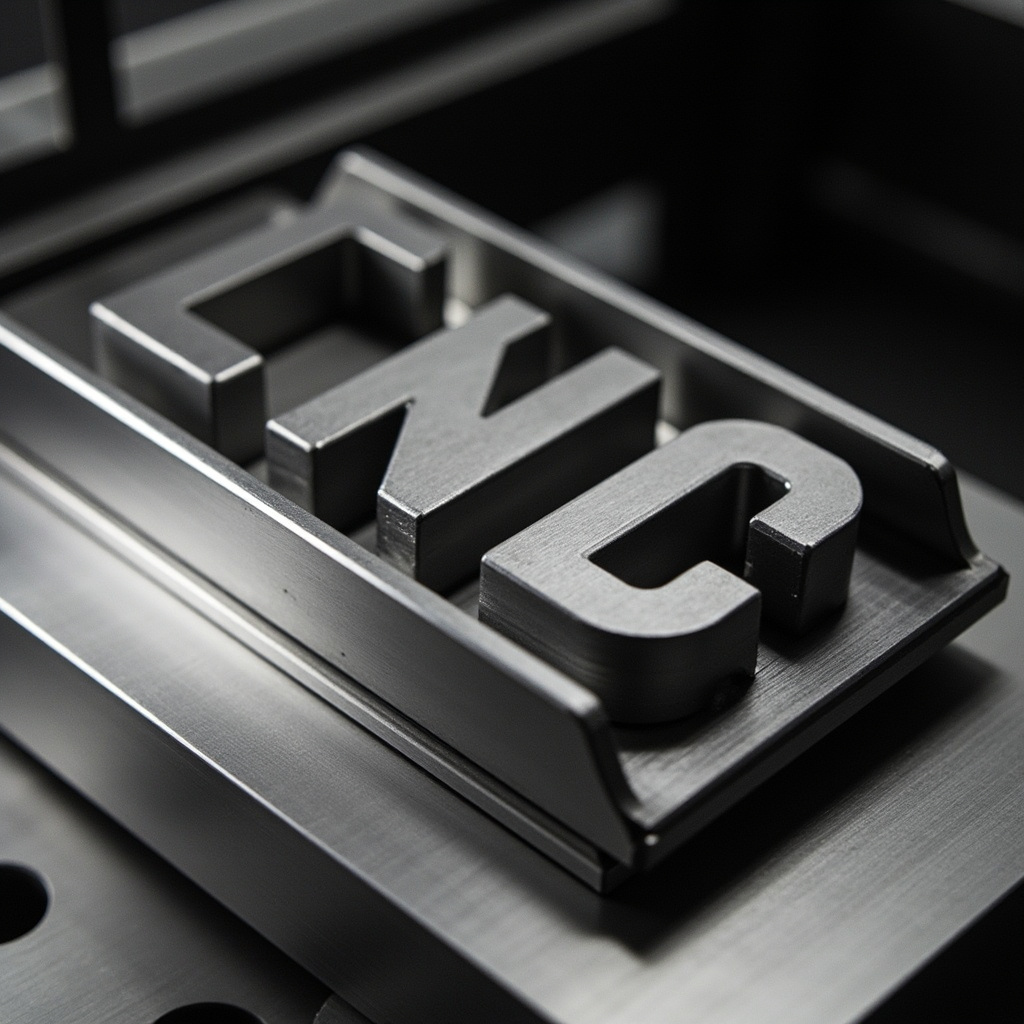
Metal 3D Printing vs. CNC Machining
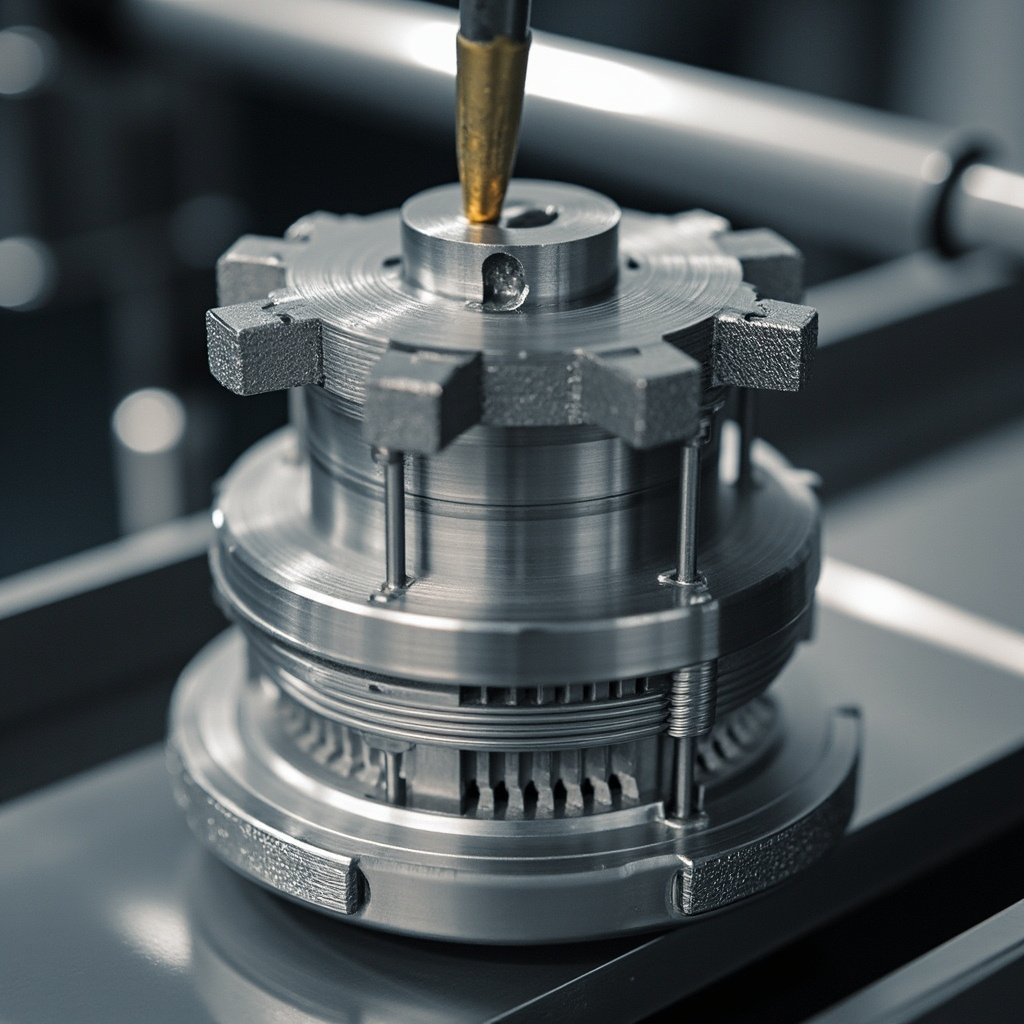
Metal 3D printing and CNC machining serve different niches. Neither replaces the other—they are complementary.
- Choose metal 3D printing when: Part has complex internal geometry (channels, conformal cooling), you need to reduce weight via lattice structures, the design is topology-optimized, you need rapid tooling inserts, or the part consolidates multiple assemblies
- Choose CNC machining when: You need tight tolerances (metal AM achieves +/-0.1-0.2mm, CNC achieves +/-0.01mm), you need a smooth surface finish, the part geometry is simple, or you need high volume at low unit cost
Our Metal 3D Printing Capabilities
We partner with certified metal AM service providers to offer:
- Design for AM consultation: We can help you optimize your part design for additive manufacturing, including topology optimization and support structure planning
- Material selection guidance: Matching alloy properties to your application requirements and regulatory environment
- Post-processing coordination: Heat treatment, surface finishing, EDM, CNC machining, and inspection services
- Quality documentation: Material certificates, dimensional inspection reports, and process documentation for aerospace and medical applications
Related Articles
Explore more manufacturing insights: CNC vs 3D Printing Comparison.
Frequently Asked Questions
What is the typical lead time for metal 3D printed parts?
Prototype quantities (1-10 parts) typically take 1-2 weeks from file approval. Production quantities (10-100 parts) run 2-4 weeks depending on complexity and queue. Complex geometries requiring extensive support removal or post-processing may add additional time. Expedited service is available for urgent requirements.
What surface finish can metal AM achieve?
As-built metal AM surfaces are typically Ra 5-15 micrometers with visible layer lines. Machined finishes of Ra 0.4-1.6 micrometers require post-machining of critical features. For some applications, bead blasting, polishing, or investment casting-level finishes can be achieved through post-processing.
Are metal 3D printed parts as strong as machined parts?
In most cases, metal AM parts achieve equivalent or superior mechanical properties compared to cast parts, and properties approach wrought material values for SLM-processed parts. However, surface roughness and microstructural anisotropy mean fatigue performance may differ from conventional manufacturing. We recommend specifying heat treatment to homogenize microstructure and improve consistency.
What is the minimum wall thickness for metal 3D printing?
Typical minimum wall thickness is 0.3-0.5mm for most alloys, though 0.2mm is achievable in some geometries. Thick sections (over 20mm) may require longer cooling times. For thin-walled functional parts, we recommend a minimum of 0.5mm to ensure structural integrity after post-processing.
 English
  Dutch
Dutch  German
  French
  Korean
  Russian
  Japanese
  Spanish
  Vietnamese
  Chinese
  Portuguese
  Arabic