
If you have ever held a LEGO brick, typed on a keyboard, or sat in a car, you have interacted with acrylonitrile butadiene styrene—commonly known as ABS. Despite being one of the most produced plastics on earth, the three-part chemistry behind ABS is rarely explained clearly. This article breaks down what each component contributes, how they work together, and what it means for engineers selecting materials.
The Three Monomers: A Chemical Breakdown
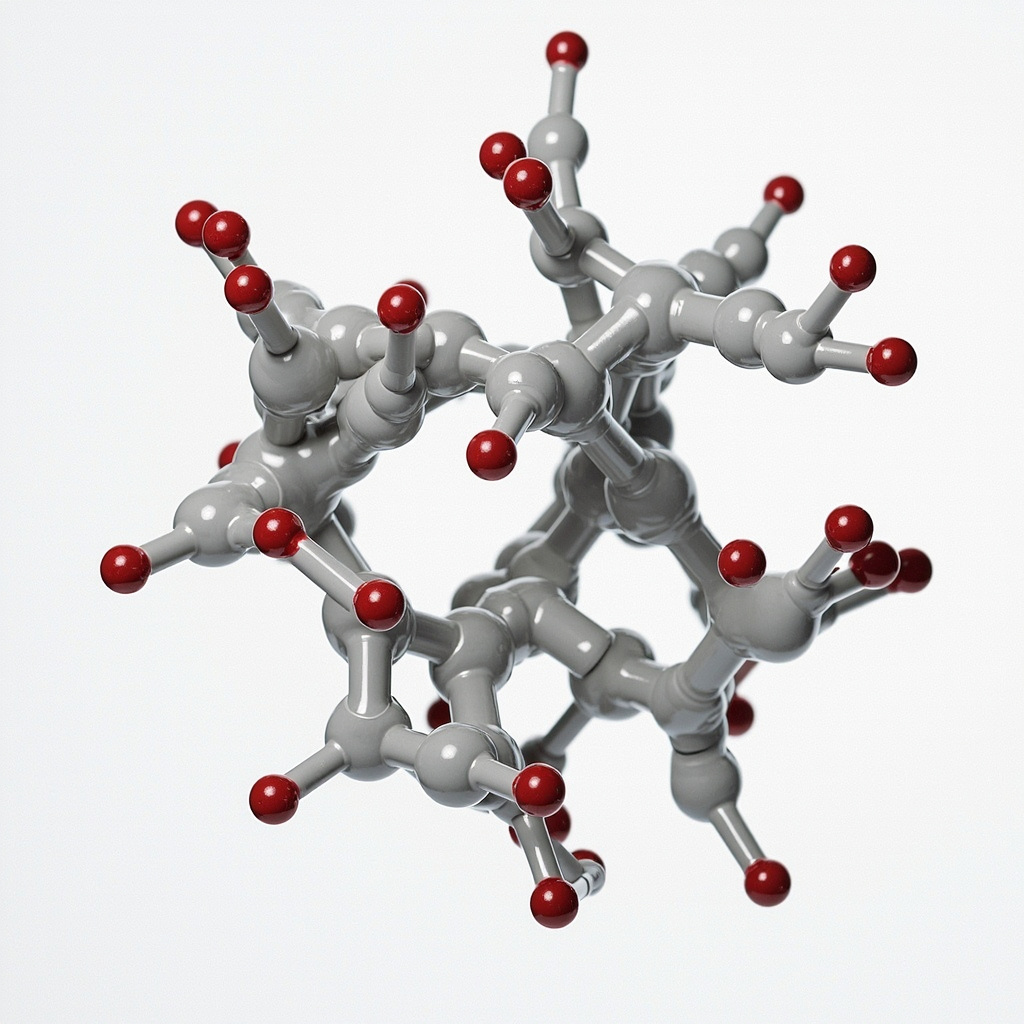
ABS is a terpolymer, meaning it combines three distinct monomers in a single polymer chain. Each monomer is responsible for a specific set of properties.
Acrylonitrile (23-25% typical)
The nitrile group (C triple bond N) gives ABS its chemical resistance and thermal stability. Acrylonitrile makes the material resistant to oils, greases, and many industrial chemicals. It also contributes to surface hardness and colorability. Higher acrylonitrile content increases heat resistance and chemical resistance, but processing becomes more difficult.
Butadiene (14-18% typical)
Butadiene is a conjugated diene that provides impact resistance and fracture toughness. The butadiene phase exists as discrete rubber particles dispersed throughout the rigid styrene-acrylonitrile matrix. When an impact load hits the material, these rubber particles absorb and dissipate the energy through micro-void formation, preventing crack propagation. This is why ABS survives drop tests that shatter other rigid plastics.
Styrene (55-65% typical)
Styrene provides the glossy surface finish, ease of processing, and structural rigidity that makes ABS economical to injection mold and CNC machine. It also contributes dimensional stability and makes the material amenable to a wide range of coloring and finishing options.
Property Profile of ABS
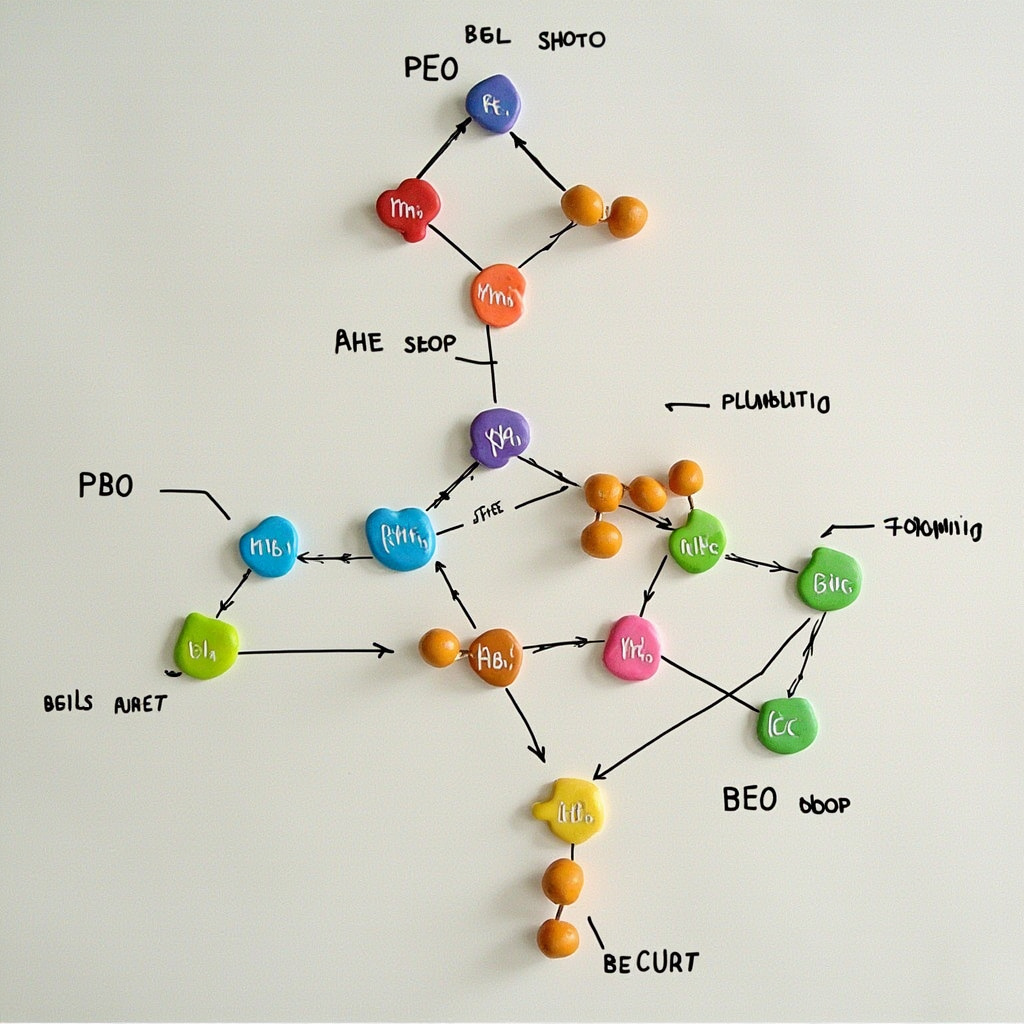
The balance of these three monomers gives ABS its characteristic combination of processability, toughness, and surface quality.
| Property | Value | Contribution |
|---|---|---|
| Density | 1.04 g/cm3 | From styrene backbone |
| Tensile Strength | 40-50 MPa | SAN matrix rigidity |
| Notched Impact (Izod) | 200-400 J/m | Butadiene rubber phase |
| HDT (1.82 MPa) | 88-98 degrees C | Acrylonitrile content |
| Flexural Modulus | 2,100-2,500 MPa | Overall stiffness |
 border:1px solid #ddd;”>Water Absorption (24h) |
0.2-0.4% | Low (hydrophobic) |
Why Does the Ratio Matter?
Different applications favor different ratios of the three monomers:
- High-impact grades: Increased butadiene content (up to 25-30%) dramatically improves impact resistance. Used in automotive bumpers, protective equipment, and tool housings.
- Heat-resistant grades: Increased acrylonitrile content (up to 30-35%) raises HDT to 100-110 degrees C. Used in autom
otive instrument panels and electronic enclosures near heat sources.
- Plateable grades: Optimized for chrome plating in automotive grilles and decorative trim. Require specific surface chemistry for electroplating adhesion.
- Flame-retardant grades: Added flame retardants for electrical and electronics applications. Must meet UL94 V-0, V-1, or V-2 ratings.
How ABS Is Manufactured
ABS is produced by two main processes, each producing a different morphology:
Graft Polymerization (Emulsion or Mass Process)
In the most common production method, polybutadiene latex particles are grafted with styrene and acrylonitrile monomers. The SAN chains grow onto the surface of the PB rubber particles, creating a core-shell morphology where the rubber core provides toughness and the SAN shell provides rigidity and surface properties. This is the standard route for injection molding and extrusion grades.
Physical Blending
Some specialty ABS grades are produced by melt-blending pre-made SAN with nitrile rubber (NBR). This allows fine control over the final property balance and is used for specialty compounds with specific performance requirements.
ABS vs. Related Materials
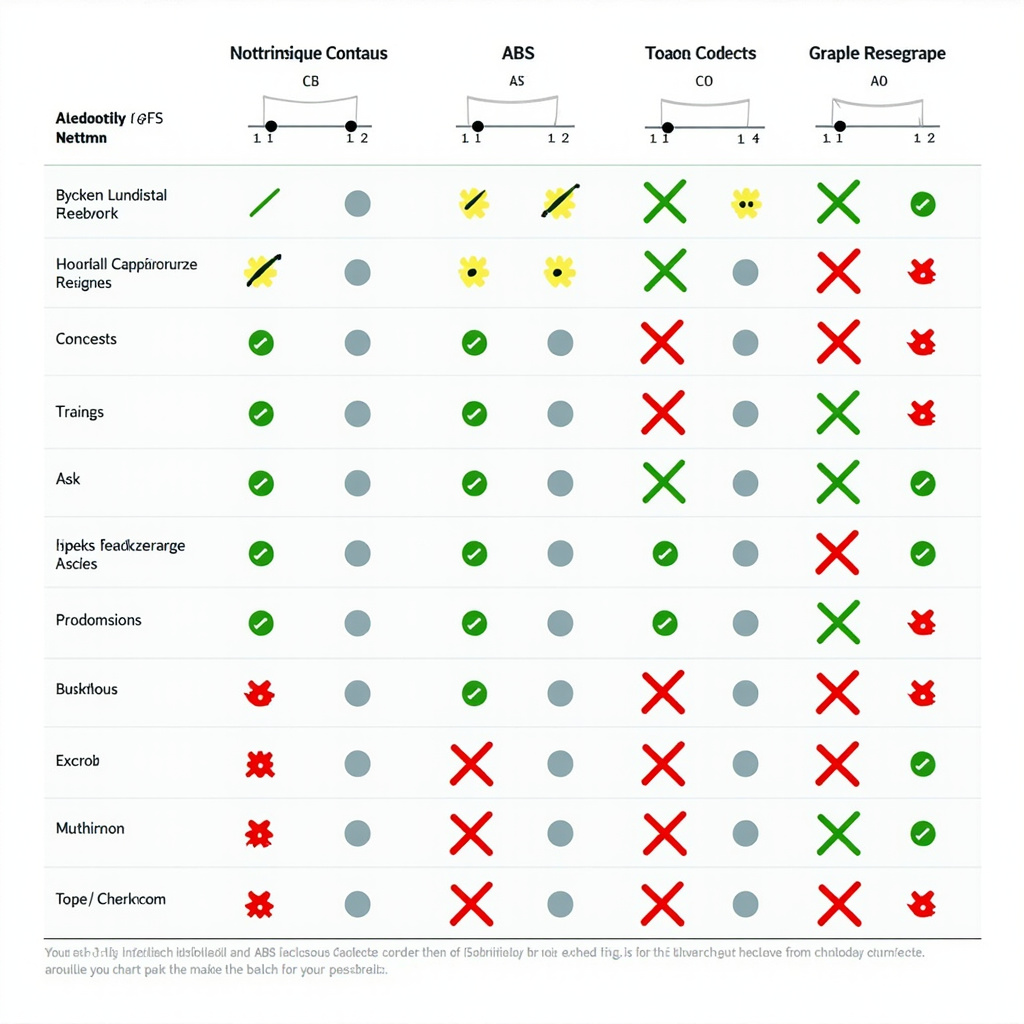
- vs. SAN: SAN has better chemical resistance and higher gloss but lacks the impact resistance from butadiene. SAN is often used where toughness is not required.
- vs. ASA: ASA replaces butadiene with acrylic rubber, providing equivalent impact resistance with superior UV stability. ASA is the preferred choice for outdoor applications.
- vs. ABS-PC: Blending with polycarbonate significantly increases heat resistance (HDT up to 120 degrees C) and impact strength, at the cost of higher density and more difficult processing.
- vs. ABS-PA: Blending with nylon improves chemical resistance and temperature performance, but affects surface quality and requires careful drying.
Our ABS Manufacturing Services
We work with ABS across all major manufacturing processes:
- CNC machining of ABS prototypes and low-volume production parts with tolerances to +/-0.01 mm
- Injection molding of ABS in prototype to mid-volume runs (50-10,000+ pcs)
- Post-processing: painting, plating, ultrasonic welding, and pad printing
Related Articles
Explore more manufacturing insights: ABS Complete Guide.
Frequently Asked Questions
Is ABS food safe?
Standard ABS is not FDA-approved for direct food contact. Food-contact grades exist but must be specifically formulated and certified for the intended regulatory environment (FDA, EU 10/2011, etc.). Always verify with your material supplier and regulatory consultant.
Can ABS be recycled?
Yes. ABS is recyclable (resin code #9). However, recycled ABS (rABS) typically shows reduced impact resistance and color consistency compared to virgin material. Many manufacturers use rABS in non-critical applications or blend it with virgin material.
Does ABS yellow over time?
Standard ABS yellows under UV exposure due to photo-oxidation of the butadiene phase. For UV-sensitive applications, ASA (acrylonitrile styrene acrylate) provides the same mechanical properties with significantly better UV resistance.
What makes ABS more heat resistant?
Increasing the acrylonitrile content and blending with heat-resistant polymers (PC, PMMA) both raise the heat deflection temperature. ASA-modified and PC-blended ABS grades can achieve HDT values of 100-130 degrees C compared to 88-98 degrees C for standard ABS.
 English
  Dutch
Dutch  German
  French
  Korean
  Russian
  Japanese
  Spanish
  Vietnamese
  Chinese
  Portuguese
  Arabic