Polyamide fabric — known universally as nylon fabric — represents the commercial nexus between polymer science and textile engineering. While nylonplastic.com primarily serves the engineering plastics market, understanding the textile dimension of polyamide materials provides valuable context for material selection decisions that span both rigid engineering components and flexible fabric applications. This comprehensive guide explores polyamide fabric from fiber production through end-use applications, examining the property-performance relationships that have made nylon the world’s first and most commercially successful synthetic textile fiber.
The Birth of Synthetic Fibers: Nylon’s Textile Revolution
Nylon fabric entered commercial production in 1939, and its impact on the textile industry was immediate and transformative. The initial product — women’s hosiery — became an instant cultural phenomenon, with 64 million pairs sold in the first year alone. Beyond the fashion frenzy, nylon’s introduction demonstrated that synthetic chemistry could produce fibers with properties exceeding those of natural materials — a paradigm shift that paved the way for polyester, acrylic, spandex, and every synthetic fiber that followed.
The fundamental advantage of nylon as a textile fiber stems from its molecular architecture. The amide linkages in the polymer backbone create strong hydrogen bonding between adjacent polymer chains, providing high
tensile strength without the need for chemical crosslinking. This hydrogen bonding network is both strong enough to provide structural integrity and flexible enough to allow fiber drawing, which aligns polymer chains and dramatically enhances mechanical properties through strain-induced crystallization.
Fiber Production: From Polymer Chip to Finished Yarn
Nylon fiber production follows a melt-spinning process fundamentally different from the solution-spinning methods used for rayon or acrylic fibers. The process begins with nylon polymer chips dried to less than 0.003% moisture to prevent hydrolytic degradation at processing temperatures. The dried polymer is melted at 260-290°C (for PA 66) or 230-260°C (for PA 6) and extruded through spinnerets containing 20-300 precisely engineered holes, each 0.2-0.4mm in diameter.
The extruded filaments are rapidly cooled by cross-flow air, solidifying t
he polymer into an amorphous or low-crystallinity state. These as-spun filaments have relatively poor mechanical properties — low tenacity, high elongation, and inadequate modulus. The critical fiber-drawing stage that follows involves stretching the filaments 3-5 times their original length, typically at temperatures just above the glass transition temperature (50-70°C). This drawing process aligns polymer chains along the fiber axis, promotes strain-induced crystallization, and develops the high tenacity (4.5-6.5 g/denier) and controlled elongation (15-35%) that characterize commercial nylon textile fibers.
Nylon 6 vs Nylon 66 Fiber: Performance Distinctions
| Fiber Property | Nylon 6 | Nylon 66 | Practical Implication |
|---|---|---|---|
| Tenacity (g/denier) | 4.5-6.0 | 5.0-6.5 | N66 stronger for technical textiles |
| Elongation at Break (%) | 25-35 | 18-28 | N6 more elastic, better for hosiery |
| Elastic Recovery (%) | 95-100 | 90-98 | Both excellent, N6 slightly better |
| Melting Point (°C) | 218-222 | 255-260 | N66 for heat-exposed applications |
| Dyeability | Excellent | Good | N6 preferred for fashion textiles |
tyle=”padding:12px;border:1px solid #ddd;”>Lightfastness |
Fair (needs UV stabilizer) | Fair to Good | Both require UV protection outdoors |
| Abrasion Resistance | Very Good | Excellent | N66 preferred for carpets/heavy wear |
| Moisture Regain at 65% RH (%) | 4.5 | 4.0 | Both comfortable vs polyester (0.4%) |
Key Polyamide Fabric Types and Their Applications
Apparel Fabrics
Nylon apparel fabrics encompass a vast range of constructions from lightweight, sheer hosiery deniers (7-15 denier) to heavyweight outerwear fabrics (70-210 denier). The fiber’s combination of high strength, excellent elastic recovery, and superior abrasion resistance makes it particularly suitable for activewear, swimwear, lingerie, and performance outerwear. Nylon’s moisture regain of 4-4.5% — while lower than cotton (8.5%) or wool (16%) — provides significantly better comfort than polyester (0.4%), as the fiber can absorb and transport moisture vapor from the body.
Carpet and Flooring Fibers
Nylon dominates the carpet fiber market with approximately 60% market share in residential and commercial carpeting. The fiber’s exceptional resilience enables it to recover from compression after heavy foot traffic and furniture loading. Type 6 nylon offers excellent dyeability for fashion-forward residential carpets, while Type 6,6 provides superior wear resistance for high-traffic commercial installations. Solution-dyed nylon — where pigment is incorporated during fiber production rather than applied through piece-dyeing — offers outstanding lightfastness and stain resistance for exterior and high-UV exposure applications.
Technical and Industrial Textiles
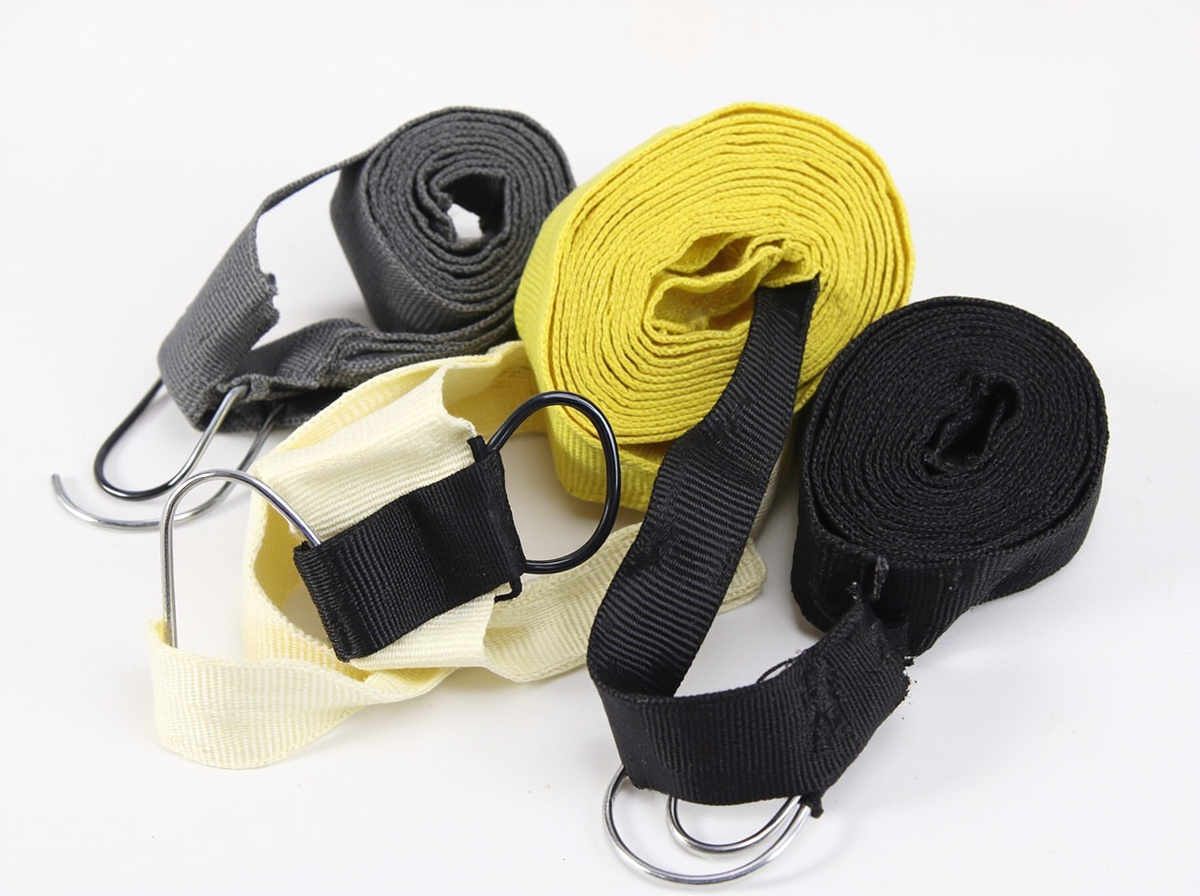
Nylon’s high tenacity-to-weight ratio makes it the material of choice for demanding technical textile applications including parachute fabrics, airbags, military webbing, climbing ropes, and conveyor belts. High-tenacity nylon 6,6 fibers achieve tenacities of 7-9 g/denier — approaching steel’s specific strength at a fraction of the weight. For ballistic protection applications, nylon fabrics in specific weave constructions provide reliable fragmentation protection in military and law enforcement body armor, though they have largely been supplanted by aramid and UHMWPE fibers for rifle-rated ballistic protection.
Polyamide Fabric Properties: A Detailed Engineering Perspective
Tensile and Tear Properties
Nylon’s high tensile strength (4.5-6.5 g/denier for regular tenacity fibers, 7-9 g/denier for high-tenacity grades) translates to fabric breaking strengths that exceed most natural and synthetic alternatives at equivalent weight. The fiber’s high elongation (15-35%) provides excellent energy absorption in impact and dynamic loading applications. Tear strength in nylon fabrics follows an unusual pattern — wet nylon exhibits approximately 10-15% lower tear strength than dry nylon, but still significantly outperforms cotton or rayon fabrics at equivalent weight.
Thermal Properties
Nylon fibers begin to soften at approximately 170°C (PA 6) or 220°C (PA 66), well below their crystalline melting points, due to relaxation in the amorphous regions that provide fiber flexibility. This softening behavior must be considered in heat-setting, ironing, and industrial processes where fabrics encounter elevated temperatures. Nylon’s limiting oxygen index (LOI) of 20-22 places it in the combustible category, requiring flame-retardant treatments for applications governed by flammability standards including upholstery, drapery, and protective clothing.
Chemical Resistance and Care
Nylon exhibits excellent resistance to alkalis and most organic solvents, but is susceptible to degradation by strong mineral acids (hydrochloric, sulfuric, nitric) through acid-catalyzed hydrolysis of amide linkages. Chlorine bleach and other oxidizing agents cause progressive strength loss through oxidative degradation, and should be avoided in laundering and industrial cleaning processes. Nylon’s thermoplastic nature means that fabrics can be heat-set into desired shapes and configurations — a manufacturing advantage for shaped apparel components and industrial textile assemblies.
Sustainability and End-of-Life Considerations
Nylon recycling represents both a significant environmental opportunity and a technical challenge. Post-industrial nylon waste (fiber production scrap, fabric cutting waste) is routinely depolymerized through chemical recycling processes that recover caprolactam monomer (for PA 6) for re-polymerization into virgin-quality polymer. Econyl, the most prominent commercial example, recovers nylon from fishing nets, fabric scraps, and carpet fiber for re-polymerization into PA 6 fiber with properties indistinguishable from petrochemical-derived grades.
Post-consumer nylon recycling is more challenging due to contamination, dye content, and fiber blends. Mechanical recycling of monomaterial nylon streams produces lower-quality polymer suitable for injection molding and extrusion applications rather than fiber production. The growing adoption of fiber-to-fiber chemical recycling technologies promises to significantly improve the circular economy potential of nylon textiles in coming years.
Material Selection: When to Choose Polyamide Fabric
Selecting polyamide fabric for a specific application requires evaluating multiple performance criteria against cost constraints:
Choose nylon fabric when high strength-to-weight ratio, excellent abrasion resistance, good elastic recovery, and comfort (vs polyester) are priority requirements. Typical winning applications include activewear requiring durability, luggage and bags, performance outerwear, military and tactical equipment, and commercial carpet.
Consider alternatives when UV resistance (unprotected nylon degrades in sunlight — consider solution-dyed acrylic or polyester), cost (polyester is typically 20-40% less expensive), or flammability (unmodified nylon burns — consider aramid or FR-treated alternatives) are primary concerns.
Conclusion
Polyamide fabric, born from the revolutionary chemistry that first demonstrated synthetic polymers could exceed the performance of natural materials, remains central to modern textile engineering. From the finest denier hosiery to heavy-duty industrial webbing, nylon’s unique combination of strength, resilience, dyeability, and comfort continues to define performance expectations for synthetic textile fibers. Understanding the property distinctions between nylon 6 and nylon 66 fibers, the implications of fabric construction on end-use performance, and the growing importance of sustainable manufacturing through recycling and bio-based alternatives enables informed material selection across the full spectrum of textile applications.
FAQ
How do you know whether Polyamide Fabric fits a part?
Polyamide Fabric fits a part when its load capacity, temperature range, moisture exposure, wear behavior, and processing method match the real service conditions.
What properties should be checked for Polyamide Fabric?
Check strength, stiffness, impact resistance, heat resistance, moisture absorption, dimensional stability, friction, wear, and chemical compatibility.
What is the biggest selection risk for Polyamide Fabric?
The biggest risk is choosing from a datasheet value without considering actual environment, processing method, part geometry, and long-term use.
When should Polyamide Fabric be tested before production?
Testing is recommended when the part faces load, heat, chemicals, moisture, tight tolerances, regulatory requirements, or a new operating environment.
Related Reading
- Polyamide vs Nylon: Complete Comparison Guide
- Impact Modified Nylon: Complete Guide to Toughened Polyamide Grades
- PA6 Nylon Complete Guide: Properties, Applications, and Modifications
At a Glance
| Decision Point | Polyamide Fabric | Buyer Note |
|---|---|---|
| Material type | Polyamide / nylon textile or fabric form | Confirm whether the buyer means fiber, fabric or molded plastic |
| Use case | Clothing, industrial textiles and technical fabric | Match the fabric grade to wear and abrasion conditions |
| Moisture behavior | Can absorb water | Environmental control matters for handling and performance |
| Best use | Textile and fabric applications | Keep fabric intent separate from engineering plastic intent |
Why Choose Nylon Plastic
Nylon Plastic supports buyers who need to separate textile polyamide questions from engineering plastic questions and want a reliable manufacturing answer.