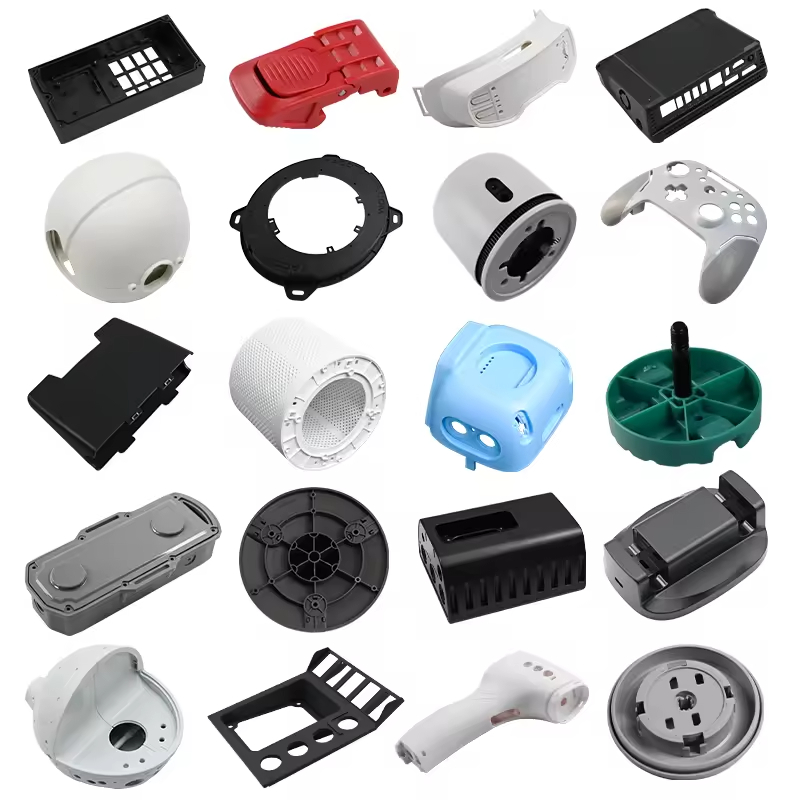
2 shot molding is used when one part needs two materials, two colors or two functional surfaces produced in a controlled sequence. The process can create strong, clean assemblies, but only when the material pairing, mold design and bonding logic are chosen correctly.
If the project also needs a broader supplier decision, compare this with metal insert molding, plastic enclosure manufacturing, and automotive injection molding before locking the process.
For production programs, the decision is usually about whether two-shot molding is worth the added tooling complexity compared with insert molding, overmolding or post-assembly. Nylon Plastic can review the part and help decide which route is justified.
At a Glance
| Question | What to Review | Why It Matters |
|---|---|---|
| Material pairing | Chemical compatibility and bond strength | Not every resin pair bonds reliably |
| Part geometry | First-shot retention and second-shot flow | Geometry controls both bond and cosmetic result |
| Tool design | Rotary platen, core-back or transfer logic | The machine and tool must match the part strategy |
| Volume target | Program size and repeat production | Two-shot tooling must justify its higher cost |
| Alternative route | Overmolding or assembly comparison | Sometimes a simpler process is enough |
When 2 Shot Molding Is the Right Choice
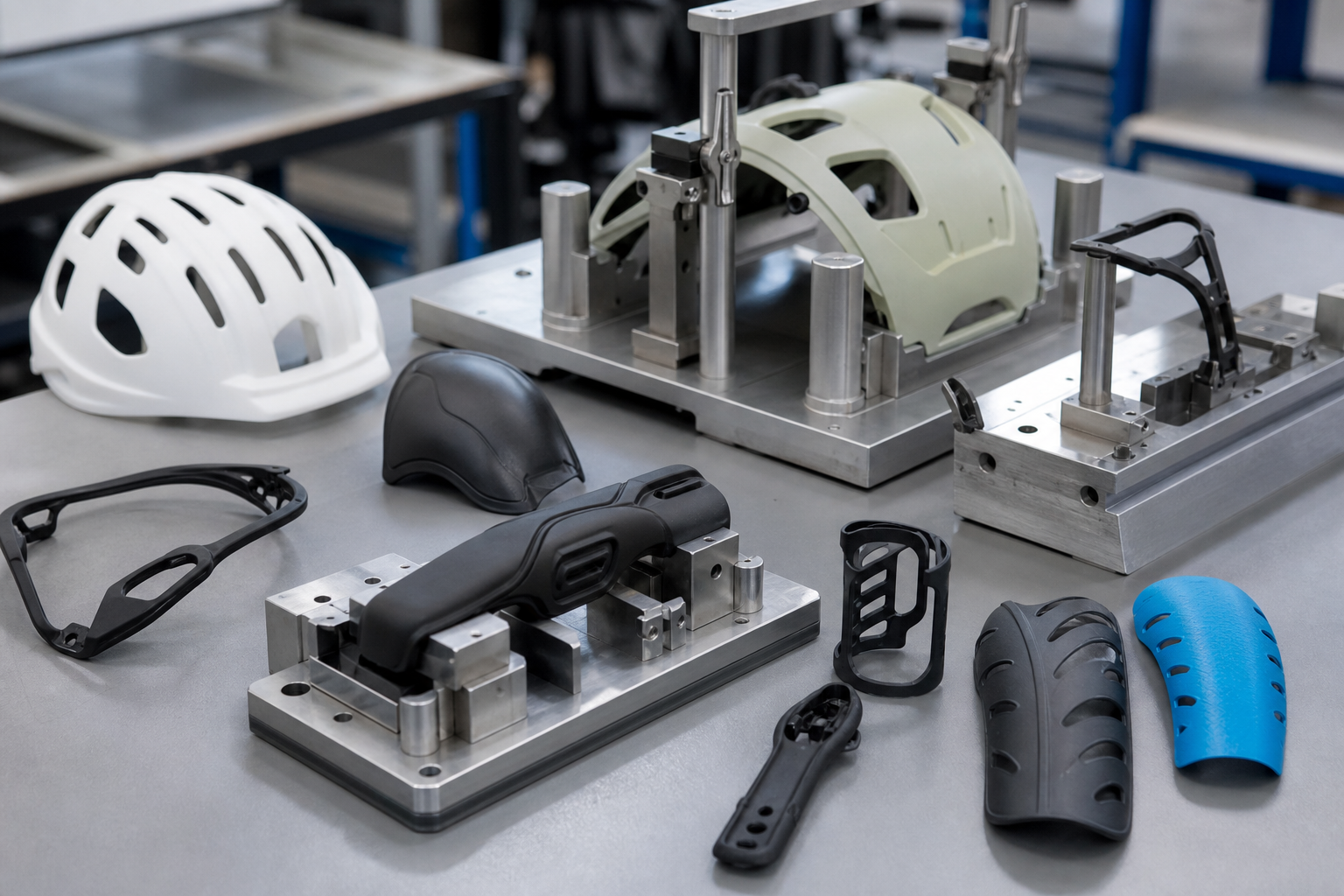
Two-shot molding is best when the part needs a stable bond, clean alignment and high repeatability between two materials. Examples include soft-touch grips, sealed housings, multi-color controls and components that need one rigid base plus one functional skin.
If the second material is decorative only or volumes are still uncertain, post-assembly or simpler overmolding may be a safer commercial choice.
Material Pairing Rules Buyers Should Check
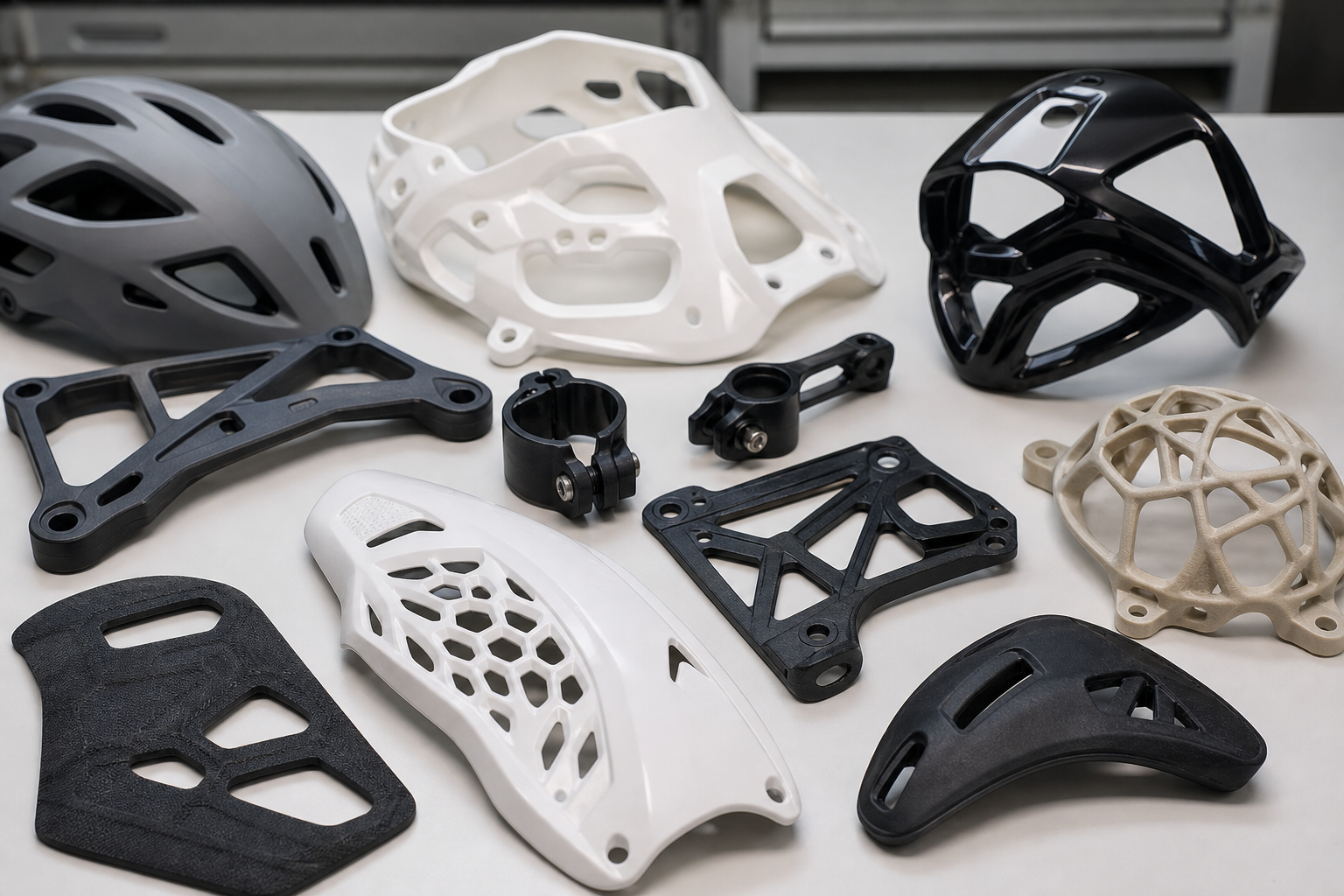
- Confirm real bond compatibility: do not assume two plastics will adhere because they can sit together in a product.
- Review shrinkage difference: mismatched contraction can distort the bond area.
- Check thermal window overlap: the first shot must survive the second shot process.
- Design mechanical interlocks when needed: chemical bonding alone is not always enough.
- Clarify cosmetic expectations: bond lines and gate placement must be reviewed early.
Common 2 Shot Molding Problems and Fixes
| Problem | Why It Happens | Fix |
|---|---|---|
| Poor bond strength | Wrong material pairing or contaminated interface | Re-check resin compatibility and interface design |
| Part distortion | Unbalanced shrinkage between materials | Adjust geometry, shot sequence or resin selection |
| Visible cosmetic flow line | Second-shot flow path or gate choice is poor | Rework gate location and cosmetic side strategy |
| Tooling cost too high | Process selected before business case review | Compare 2-shot, overmolding and assembly before tool release |
2 Shot Molding vs Overmolding vs Assembly
Two-shot molding is the most integrated option, but it is not automatically the best option. Overmolding may be enough when the first part can be molded separately. Post-assembly may be cheaper when the bond is non-critical or volumes are lower.
Related Reading
- TPE Injection Molding and Overmolding
- Metal Insert Molding for Plastic Parts
- Custom Molded Plastic Parts
- Injection Molding Cost Guide
- Core and Cavity Injection Molding Design
Frequently Asked Questions
What is 2 shot molding?
It is an injection molding process that uses two sequential shots to create one part from two materials or two colors.
Is 2 shot molding the same as overmolding?
Not exactly. Two-shot molding integrates both shots in one tooling process, while overmolding may use a separately made first component.
When should I use 2 shot molding?
Use it when bond repeatability, alignment and production scale justify the extra tooling complexity.
What is the biggest technical risk?
The biggest risk is poor material pairing or interface design that leads to weak bonding or part distortion.
What should I send for a 2 shot molding review?
Send the part model, target materials, annual volume, cosmetic requirements and bond-critical zones.
Request a Two-Shot Molding Review
For a two-color or dual-material component, share both material grades, the part assembly, interface and appearance requirements, and quantity by phase. Nylon Plastic can compare two-shot molding, transferred-part overmolding and assembly before tooling is selected.
What to include in your request
- Provide CAD, drawings, first- and second-shot grades, color references and any permitted alternatives.
- Mark bond/interlock geometry, shutoff and flash limits, sealing or soft-touch areas and critical assembly fits.
- Define peel, pull, shear, seal or aging tests as applicable, sample conditioning, appearance limits and required records.
- State annual/lifetime volume, design changes, destination and packaging needs.
Nylon Plastic helps buyers compare dual-material molding routes before committing to a complex tool. That is often the fastest way to prevent unnecessary tooling cost and late bond failures.
Ask the quote to state the agreed molding route, mold architecture, cavity count, trial and sample scope, part supply, finishing, inspection and packaging. Confirm tool ownership and any separately arranged bond or environmental validation. Two polymers in one part do not by themselves establish adhesion or sealing performance.