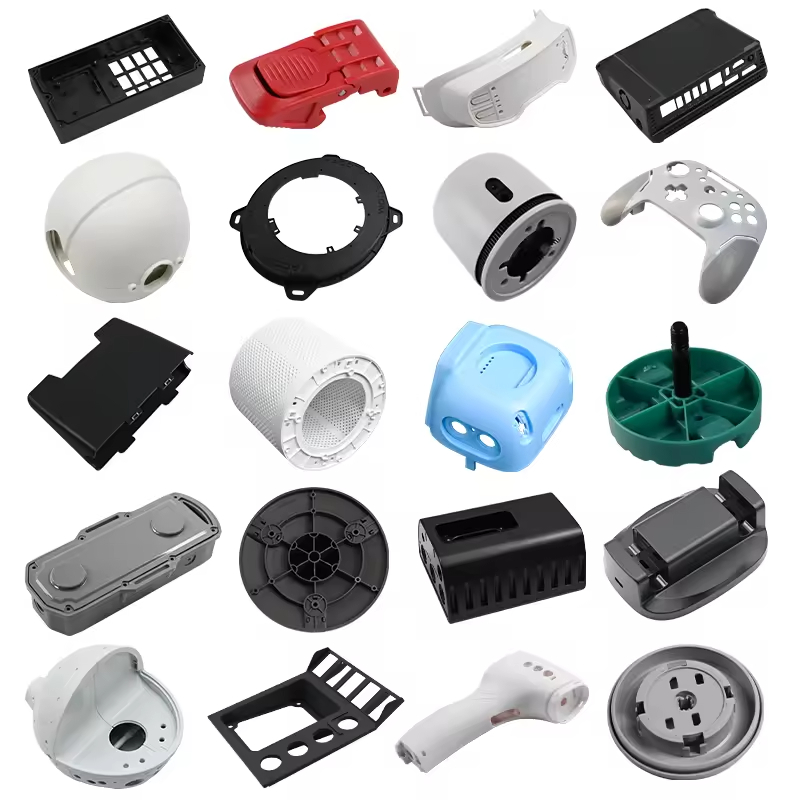
Electronics molding is driven by precision, heat, flame and reliability requirements rather than resin price alone. Buyers need to balance fit stability, insulation, ESD behavior, connector detail and compliance expectations before tooling starts.
For electronics that also see outdoor service or cleaning chemicals, review UV stabilized nylon, nylon moisture absorption, and the nylon chemical compatibility chart before the resin is locked.
The wrong resin or molding strategy can create warpage, brittle clips, poor connector fit or thermal problems long after the samples look acceptable. Nylon Plastic can review the electrical environment and part function before the material is locked.
At a Glance
| Requirement | What to Check | Buyer Note |
|---|---|---|
| Heat resistance | Continuous service temperature and local hot spots | Peak heat and long-term heat are not the same thing |
| Flame performance | Required flame class and wall thickness context | Do not specify flame retardant resin without the real requirement |
| Dimensional precision | Connector fit, latch geometry and post-mold movement | Small fit errors can break assembly yield |
| Electrical behavior | Insulation, anti-static or ESD need | Choose the property required by the actual device |
| Appearance and sealing | Cosmetic side, snap fit and gasket interfaces | Housing geometry should be reviewed together with function |
How to Select Resin for Electronics Molding
Common choices include nylon, PBT, PC, PC/ABS and flame-retardant blends. Nylon can work well for connectors and structural internal parts, but moisture behavior must be managed carefully. PBT is often chosen for electrical connectors because of dimensional stability and electrical performance. PC and PC/ABS are common for housings where appearance and impact matter.
The best material choice depends on the device environment, connector precision, wall thickness and whether flame or ESD performance is genuinely required.
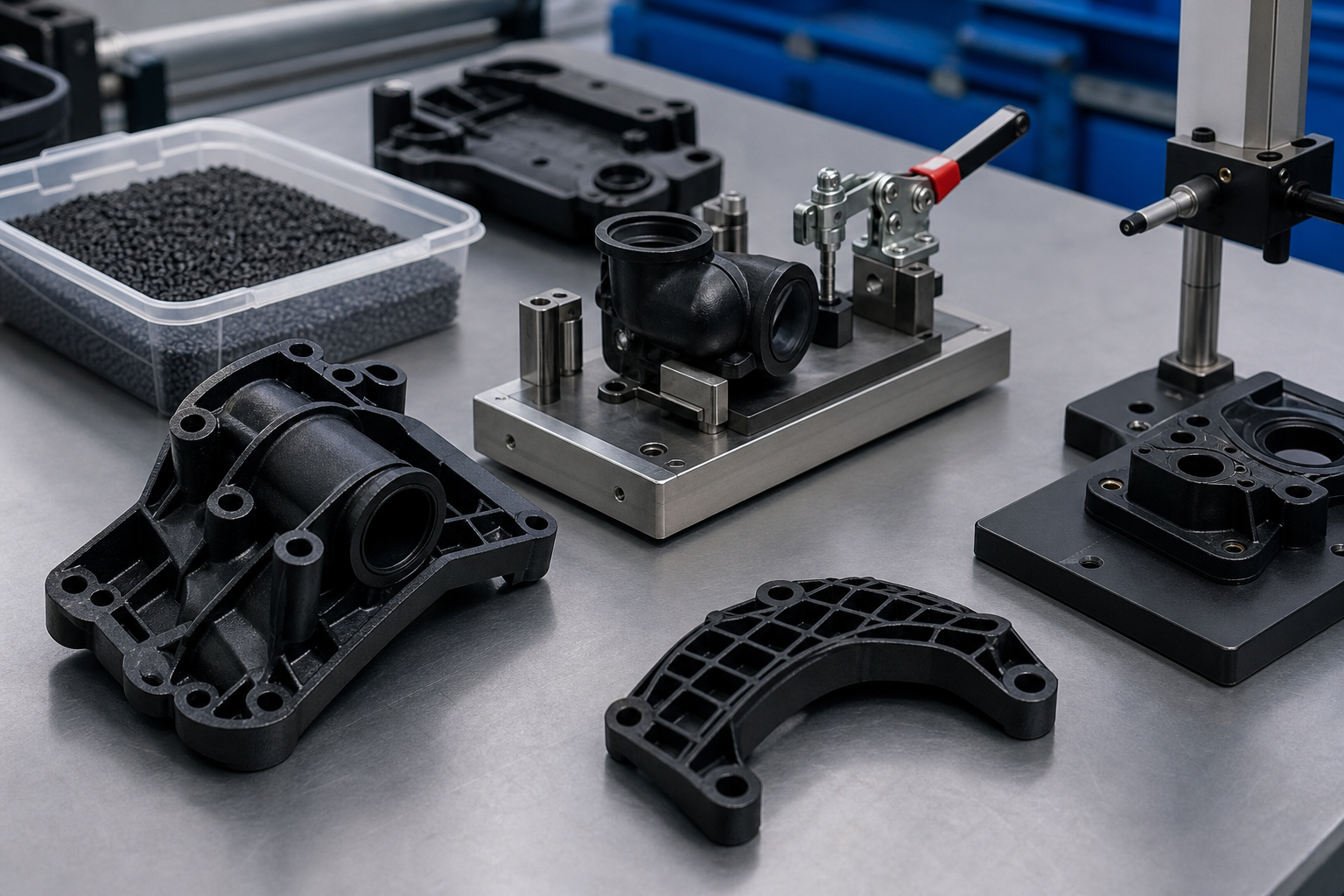
For connector and electrical-part options, compare nylon and PBT against the same moisture, heat and dimensional requirements.
Checks That Matter Before Tooling
- Define the actual thermal load: not just a headline temperature.
- Clarify whether ESD or insulating performance is needed: these are different material paths.
- Review connector tolerances and latch features: small molded shifts can stop assembly.
- Match flame requirement to wall thickness: resin claims depend on the test condition.
- Plan for shrinkage and post-mold movement: precision electronics parts need a stable inspection condition.
Common Electronics Molding Problems and Fixes
| Problem | Likely Cause | Fix |
|---|---|---|
| Connector fit failure | Warp or tolerance drift after molding | Review resin choice, gate layout and inspection state |
| Brittle snap features | Wrong material or too much filler | Re-check clip geometry and impact behavior |
| Housing deformation near heat | Thermal requirement underestimated | Use a more heat-stable resin and verify wall design |
| Static-related functional issues | Electrical property requirement not defined early | Clarify ESD, anti-static or insulation requirement before quoting |
Electronics Molding vs General Plastic Housings
Electronics parts usually need more control over fit, thermal behavior and electrical properties than general-purpose housings. A supplier who only treats the part as a generic shell may miss the real design risks until late in the program.

Review the custom molded plastic parts scope when preparing the drawing, tooling, sampling and production requirement.
Related Reading
Frequently Asked Questions
What is electronics molding?
It is molding plastic parts used in electrical and electronic products such as housings, connectors, clips and internal structural components.
What materials are common for electronics molding?
Common materials include nylon, PBT, PC, PC ABS and flame-retardant engineering plastics.
When is nylon a good choice for electronics parts?
Nylon can be a good choice for connectors and structural parts when moisture effects and dimensional control are reviewed properly.
Do all electronics parts need flame-retardant resin?
No. Flame-retardant resin should be specified only when the product requirement actually demands it.
What should I send for an electronics molding quote?
Send the drawing, operating temperature, electrical requirement, annual volume and critical fit dimensions.
Compare nylon vs polycarbonate comparison including strength, heat, cost and application recommendations.
Request an Electronics Plastic-Part Review
For electronics molding of housings, connector bodies, clips or internal supports, share the drawing and device conditions. Nylon Plastic can review the resin, tooling, fit, surface requirements and sample evidence for the actual component.
What to include and agree before quotation
- Provide CAD, revision, exact grade or permitted alternative, initial and annual quantity, destination and target timing.
- Mark connector and latch fits, screw bosses, inserts, gasket interfaces and cosmetic zones. State local hot spots, continuous service temperature, humidity and cleaners.
- Define insulation or ESD performance separately, with test method and limits. Match required flame rating and documentation to the exact grade, color and relevant thickness.
- Specify sample fit, appearance, dimensional reports and any functional or enclosure testing, including who approves each result.
Agree resin documentation, tooling, molded parts, insert installation, finishing, assembly and testing as distinct quotation items. Material documentation does not certify a complete device or its enclosure; qualification must follow the agreed component and product requirements.