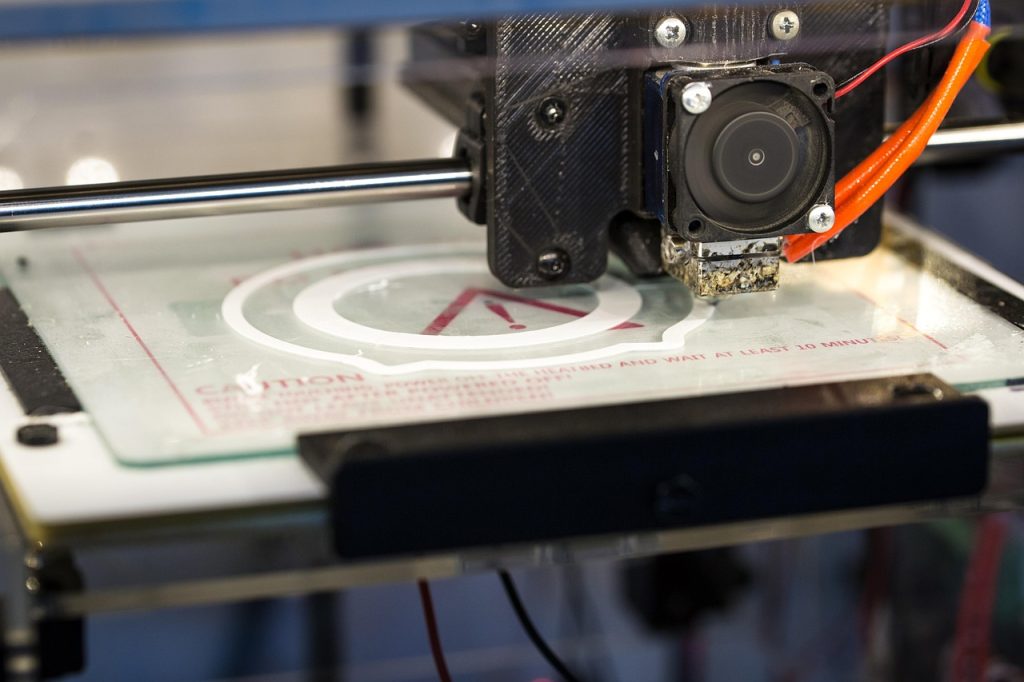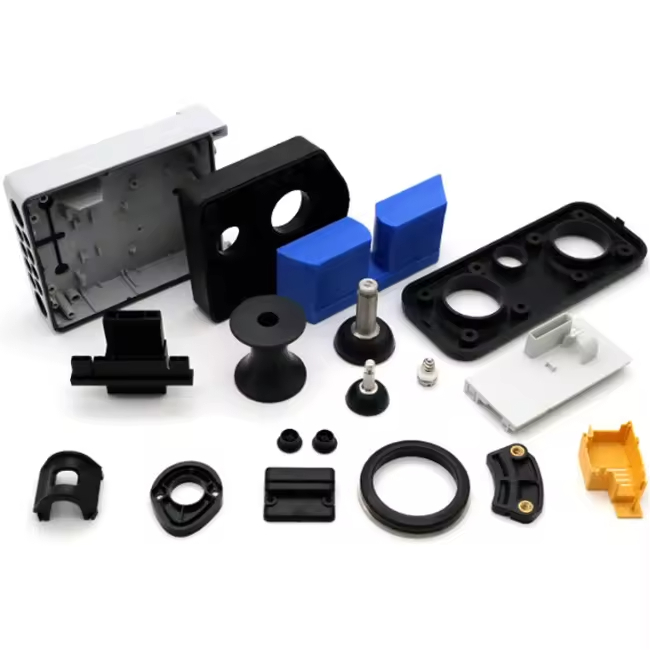

3D Print Models bring digital designs to life, transforming concepts into tangible objects across a spectrum of applications—from intricate anime figures and character collectibles to precision engineering prototypes and functional parts. With advanced technologies like SLA (Stereolithography) and FDM (Fused Deposition Modeling), and a wide range of materials including resin, nylon, and ABS, professional 3D printing services offer unparalleled design freedom, detail, and speed. This guide explores the possibilities of custom 3D printed models, the technologies and materials available, and how to bring your creative or engineering visions to reality. At Nylon Plastic , we integrate professional 3D printing with our comprehensive manufacturing ecosystem to deliver seamless solutions, from one-off art pieces to production-ready prototypes.
The Power of 3D Printed Models: Creativity Meets Precision
3D printing has democratized manufacturing, enabling anyone—from designers and engineers to hobbyists and artists—to create objects previously impossible or prohibitively expensive to produce.
- Unmatched Design Freedom: Complex geometries, organic shapes, internal cavities, and intricate details that are impossible with traditional methods become achievable. This is perfect for creating unique anime figures, character models, custom jewelry, and artistic sculptures.
- Rapid Prototyping for Product Development: Engineers and inventors use 3D printed models to quickly validate form, fit, and function. Design iterations that once took weeks can now be completed in days, accelerating time-to-market and reducing development costs.
- Customization Without Cost Penalty: Unlike mass production, 3D printing excels at producing one-of-a-kind or small-batch items. Each model can be unique without the need for expensive tooling changes, making it ideal for personalized gifts, custom cosplay accessories, bespoke medical devices, or limited-edition collectibles.
- High Detail and Surface Finish: Technologies like SLA use laser-cured resin to achieve exceptional detail and smooth surfaces, rivaling injection-molded parts. This is essential for capturing the fine features of action figures, character busts, and display models where appearance is critical.
- Functional Testing in Real Materials: With engineering-grade materials like nylon and ABS, 3D printed models can be used for functional testing—checking assembly interfaces, mechanical strength, and performance under real-world conditions before committing to expensive production tooling. Our product design team can help optimize your model for both aesthetics and function.
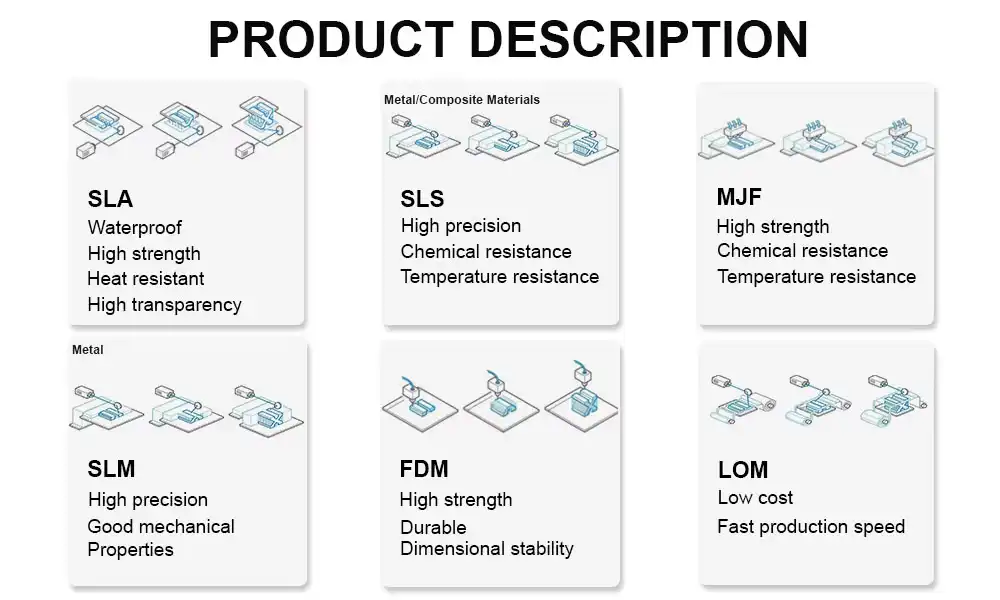
3D Printing Technologies for Models and Prototypes
Different technologies cater to different needs, from ultra-detailed collectibles to durable functional parts.
| Technology | Process Description | Key Advantages | Ideal For |
|---|---|---|---|
| SLA (Stereolithography) | Uses a laser to cure liquid photopolymer resin layer by layer. | Exceptional detail, smooth surface finish, wide range of resins (standard, tough, flexible, castable). | Anime figures, character models, jewelry patterns, dental models, detailed prototypes, master patterns for casting. |
| FDM (Fused Deposition Modeling) | Melts and extrudes thermoplastic filament (ABS, PLA, nylon) through a nozzle. | Strong, durable parts; wide material choice; cost-effective for larger models; functional prototypes. | Functional prototypes, jigs and fixtures, brackets, housings, larger concept models, educational projects. |
| SLS (Selective Laser Sintering) | Uses a laser to fuse powdered nylon into solid parts. | Excellent mechanical properties, no support structures needed, complex geometries possible. | Functional end-use parts, complex assemblies, durable prototypes, small production runs. |
| Material Jetting | Jets photopolymer droplets onto a build platform, cured by UV light. | Multi-material and multi-color capabilities, high accuracy, smooth surfaces. | Realistic prototypes, full-color models, medical models, parts requiring multiple material properties. |
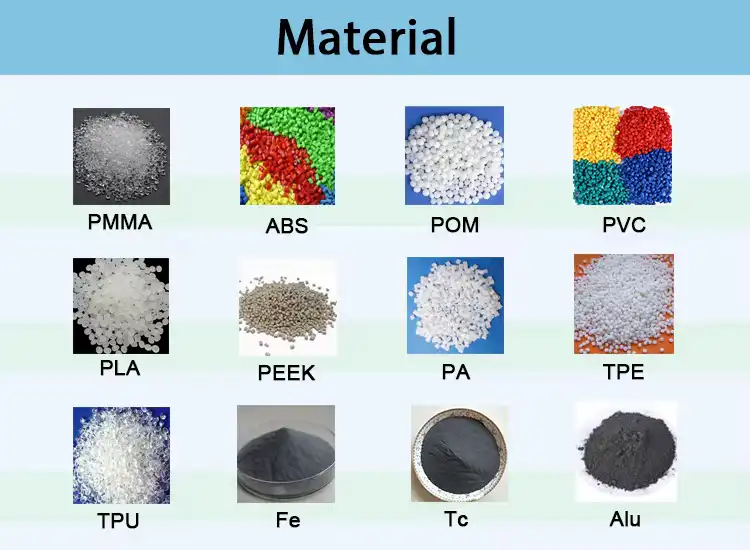
Materials for 3D Print Models: Choosing the Right One
The material choice directly impacts the model’s appearance, strength, flexibility, and application. The reference supplier offers a comprehensive range.
| Material | Key Properties | Best For | Model Applications |
|---|---|---|---|
| Resin (Photopolymer) | High detail, smooth surface, various formulations (standard, tough, flexible, castable, dental). | Aesthetic models, fine details, master patterns, jewelry. | Anime figures, character busts, miniatures, display models, prototypes requiring smooth finish. |
| Nylon (PA) | Strong, durable, slightly flexible, excellent layer adhesion, wear-resistant. | Functional parts, living hinges, durable prototypes. | Functional prototypes, mechanical parts, custom enclosures, durable components for testing. |
| ABS (Acrylonitrile Butadiene Styrene) | Strong, tough, heat-resistant, can be post-processed with acetone for smooth finish. | Functional prototypes, durable housings, parts requiring some heat resistance. | Functional prototypes, automotive brackets, custom housings, parts needing post-processing. |
| PLA (Polylactic Acid) | Easy to print, biodegradable, low warping, available in many colors. | Concept models, hobbyist projects, educational models. | Concept models, large prototypes, initial design iterations, cost-effective projects. |
| PETG (Polyethylene Terephthalate Glycol) | Strong, durable, good chemical resistance, combines ease of PLA with strength of ABS. | Functional parts, mechanical components, durable prototypes. | Functional prototypes, mechanical parts, custom enclosures requiring durability. |
| PEEK (Polyetheretherketone) | Ultra-high performance: exceptional temperature resistance, chemical resistance, strength. | High-end engineering applications, aerospace, medical implants. | High-performance engineering prototypes, specialized medical models, demanding industrial parts. |
For expert guidance on selecting the optimal material for your 3D print model, visit our material selection hub .
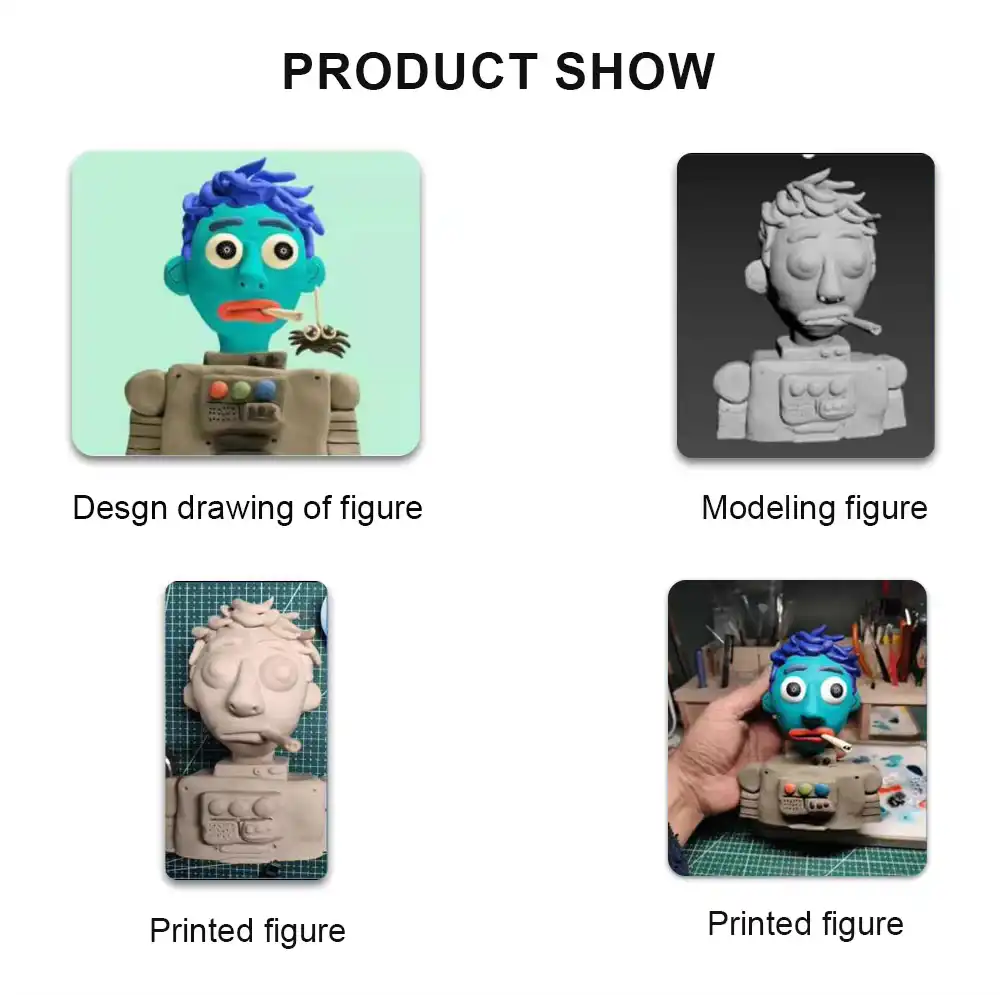
The Custom 3D Print Model Process: From Concept to Creation
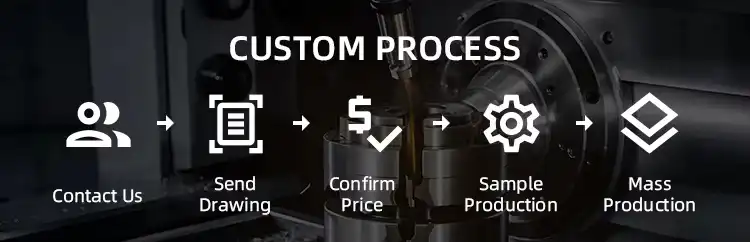
Bringing a custom model to life involves a seamless workflow from idea to finished object.
| Stage | Core Process & Technology | Quality & Performance Outcome |
|---|---|---|
| 1. Concept & Design | – Customer provides a concept, sketch, or 3D model (STP, STL, OBJ, FBX formats). – If needed, our product design team can create the 3D model from your concept. |
A digital 3D model ready for printing, optimized for aesthetics and manufacturability. |
| 2. Material & Technology Selection | – Choose the optimal material (resin, nylon, ABS, etc.) and technology (SLA, FDM, SLS) based on the model’s purpose, required detail, strength, and budget. | A clear specification ensuring the final model meets your expectations for appearance and performance. |
| 3. File Preparation & DFAM Analysis | – Engineers prepare the file for printing, orienting the model and adding supports where necessary. – Design for Additive Manufacturing (DFAM) analysis ensures printability and optimizes geometry. |
A validated file ready for successful printing, minimizing risk of build failure. |
| 4. 3D Printing | – The model is printed on professional-grade machines (SLA, FDM, SLS) with precise process controls. – Print parameters are optimized for the chosen material and detail requirements. |
An accurate physical model with properties matching the intended design. |
| 5. Post-Processing | – Support removal, cleaning, and curing (for resin). – Surface finishing: sanding, polishing, priming, painting, or applying protective coatings as required. – Our color customization services can match specific colors or finishes. |
A finished model with the desired surface quality, appearance, and detail. |
| 6. Quality Assurance | – Visual inspection and dimensional verification ensure the model meets specifications. | Guaranteed quality, ready for display, use, or further processing. |
| 7. Packaging & Delivery | – Models are carefully packaged with protective materials (foam bags, standard cartons) for safe transit. – Global shipping with tracking. |
Secure, on-time delivery of your finished model. |

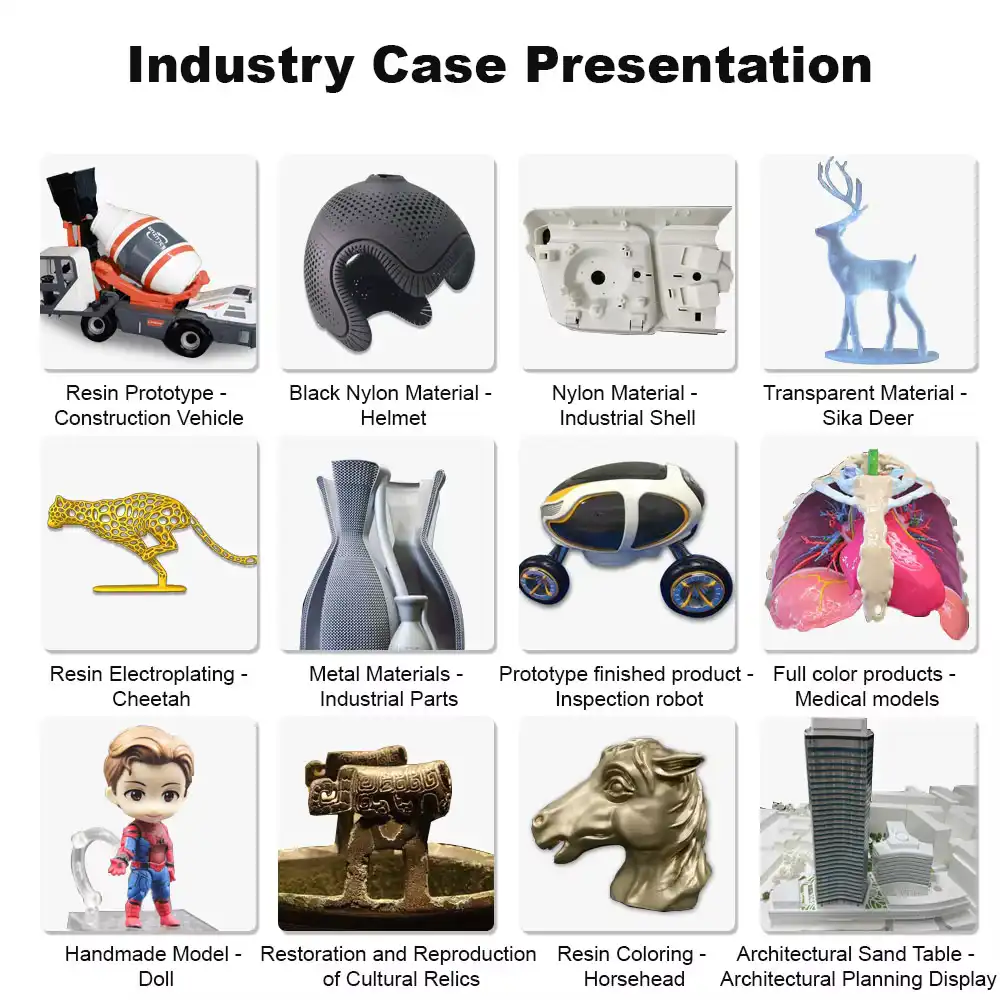
Applications: Where 3D Print Models Excel
The versatility of 3D printing means it serves a vast range of creative and industrial applications.
| Application Area | Examples | Key Benefits |
|---|---|---|
| Collectibles & Art | Anime figures, character models, busts, movie prop replicas, custom jewelry, artistic sculptures, cosplay accessories. | Unmatched detail, design freedom, ability to create unique or limited-edition pieces. |
| Product Development | Functional prototypes, form/fit test models, concept models, presentation pieces, packaging prototypes. | Rapid iteration, faster time-to-market, cost-effective design validation. |
| Engineering & Manufacturing | Jigs and fixtures, custom tooling, end-use parts, replacement parts, bracket and housing prototypes. | On-demand production, design optimization, reduced downtime. |
| Medical & Dental | Anatomical models, surgical guides, custom implants, dental models, orthodontic appliances. | Patient-specific customization, improved surgical outcomes, faster development. |
| Education & Research | Teaching aids, molecular models, historical artifact replicas, research prototypes. | Hands-on learning, visualization of complex concepts, rapid experimentation. |
| Architecture | Scale models of buildings and landscapes, detailed architectural features, presentation models. | High detail, quick iteration, ability to create complex geometries. |

Quality Assurance: Ensuring Exceptional Results
Professional 3D printing services implement rigorous quality controls to ensure every model meets the highest standards.
| Quality Aspect | Our Commitment | Your Benefit |
|---|---|---|
| ISO 9001:2015 Certification | Our quality management system is certified to international standards, ensuring consistent processes and reliable outcomes. | Confidence in every part, backed by a certified quality system. |
| Material Verification | Certified materials from qualified suppliers ensure consistency and performance. | Reliable material properties for every model. |
| Dimensional Accuracy | Parts are verified against your 3D model specifications. | Confidence that your model will be dimensionally accurate. |
| Visual Inspection | Every model undergoes thorough visual inspection for surface defects, detail accuracy, and finish quality. | Flawless appearance for display or presentation. |
| Process Documentation | Build parameters and quality records maintained for traceability. | Complete visibility into your model’s manufacturing history. |

Customization Options
Professional services offer extensive customization to bring your unique vision to life.
| Customization Type | Options Available | Minimum Order Quantity |
|---|---|---|
| Custom 3D Model Design | We can create 3D models from your sketches, photos, or concepts. | 1 piece |
| Material Selection | Choice of resins, nylons, ABS, PLA, PETG, PEEK, and specialty materials. | 1 piece |
| Color Customization | Wide range of colors available for painting or using colored materials. Our color customization services can match specific Pantone or RAL colors. | 1 piece |
| Surface Finish | As-printed, sanded, polished, primed, painted, or coated finishes. | 1 piece |
| Assembly Services | Multi-part models assembled, hardware inserted, complete product assembly. | Varies by project |
| Custom Packaging | Branded packaging, custom inserts, retail-ready presentation for collectibles. | Varies by project |
Integration with Broader Manufacturing Capabilities
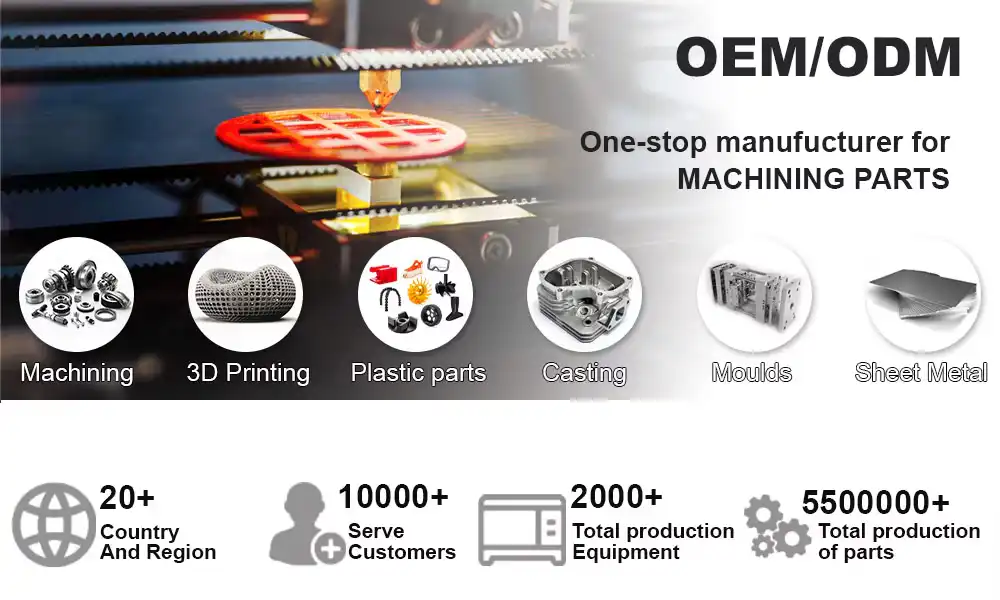
3D printing is most powerful when integrated with other manufacturing processes. At Nylon Plastic, we combine additive manufacturing with our full range of services.
| Integrated Service | How 3D Printing Enhances It | Benefit to You |
|---|---|---|
| Patterns for Casting | 3D printed master patterns for investment casting or silicone molding enable reproduction in metal or other materials. | Create metal versions of your designs without hard tooling. |
| Master Models for Molding | High-detail 3D printed models serve as masters for creating silicone molds for small-batch production. | Produce multiple copies in various materials (resin, wax, concrete) from a single master. |
| Rapid Prototyping for Injection Molding | 3D printed prototypes validate designs before committing to expensive injection molding tooling. | Faster time-to-market, validated designs, reduced tooling risk. |
| Hybrid Manufacturing | Combine 3D printed complex geometries with CNC machining of critical surfaces for precision and strength. | Best of both worlds: additive complexity + machined precision. |
| Finished Product Solutions | 3D printing combined with painting, assembly, and custom packaging for complete product delivery. | Single-source accountability, simplified supply chain for custom products. |
FAQ: 3D Print Models
Q1: What file formats do you accept for 3D printing models?
A: We accept all standard 3D file formats, including STP (.stp), STL (.stl), OBJ (.obj), FBX (.fbx), and 3MF (.3mf) . For complex models with color or texture, OBJ or FBX are preferred. If you only have a concept or sketch, our product design team can create the 3D model for you.
Q2: Can you print highly detailed models like anime figures or character collectibles?
A: Absolutely. Our SLA (Stereolithography) technology is ideal for capturing the fine details, smooth surfaces, and complex geometries required for anime figures, character models, and display pieces. We can print in various resins and provide painting and finishing services to achieve a professional, ready-to-display result.
Q3: What is the minimum order quantity (MOQ) for custom 3D print models?
A: Our MOQ is 2 pieces for production pricing. For single prototypes or one-off models, samples are available (refundable with order). We cater to everything from unique art pieces to small-batch production runs.
Q4: What are typical lead times?
A: Lead times depend on model complexity, size, and quantity. Simple models can be printed and shipped within a few days. More complex models requiring extensive post-processing (painting, assembly) may take longer. Contact us with your specific requirements for an accurate timeline.
Q5: Can you paint and finish models after printing?
A: Yes. We offer comprehensive post-processing services, including sanding, priming, painting, and protective coating. Our color customization services can match specific colors, and we can achieve various finishes from matte to high-gloss.
Q6: Do you offer design assistance if I only have a concept or sketch?
A: Yes. Our product design team can work with you to develop a 3D model from your sketches, photos, or verbal descriptions. We specialize in creating models optimized for 3D printing, ensuring your vision translates perfectly into a physical object.
Q7: What is the difference between printing in resin (SLA) and filament (FDM)?
A: Resin (SLA) printing uses a laser to cure liquid resin, achieving much higher detail and smoother surfaces, making it ideal for figures, jewelry, and detailed prototypes. Filament (FDM) printing melts plastic filament and is better for larger, functional parts where strength is more important than ultra-fine detail, like brackets, jigs, or concept models.
Q8: Can you print models with moving parts or assemblies?
A: Yes. For functional models, we can print individual components for assembly. For simpler mechanisms, we can sometimes print assembled parts with clearances designed in. Discuss your specific requirements with our engineering team for the best approach.
Q9: How do you ensure the quality of printed models?
A: We are ISO 9001:2015 certified and implement rigorous quality checks at every stage. This includes file validation, in-process monitoring, and final inspection of every model for dimensional accuracy and surface quality.
Q10: What industries do you serve for 3D printed models?
A: Our industry expertise spans consumer products (collectibles, art), automotive, medical, aerospace, and industrial equipment. We tailor our approach to the specific quality and performance requirements of each sector.
Conclusion: Bring Your Vision to Life with Custom 3D Print Models
3D Print Models empower creators, engineers, and businesses to transform ideas into reality with unprecedented freedom and speed. Whether you need a highly detailed anime figure, a functional engineering prototype, or a custom piece of art, professional 3D printing services deliver precision, quality, and reliability.
Ready to create your custom 3D print model? Contact our engineering team today to discuss your project. From concept development and material selection to printing, finishing, and assembly, we provide comprehensive 3D printing solutions integrated with our broader product design , CNC machining , and injection molding capabilities.
Request a Quote | Contact Our Engineering Team
FAQ
When is 3D Print Models: From Custom Figures to Functional Prototypes a good option?
3D Print Models: From Custom Figures to Functional Prototypes is a good option when fast iteration, complex geometry, low tooling cost, or low-volume production is more important than molded-part unit cost.
What should be checked before choosing 3D Print Models: From Custom Figures to Functional Prototypes?
Check part size, material properties, surface finish, dimensional tolerance, heat exposure, load direction, and whether post-processing is required.
How does 3D Print Models: From Custom Figures to Functional Prototypes compare with CNC machining?
3D printing can create complex shapes quickly, while CNC machining is often stronger for precise surfaces, tighter tolerances, and production-grade materials.
What affects the cost of 3D Print Models: From Custom Figures to Functional Prototypes?
Cost depends on material, build volume, print time, layer height, support removal, finishing, inspection, and the number of parts in the build.