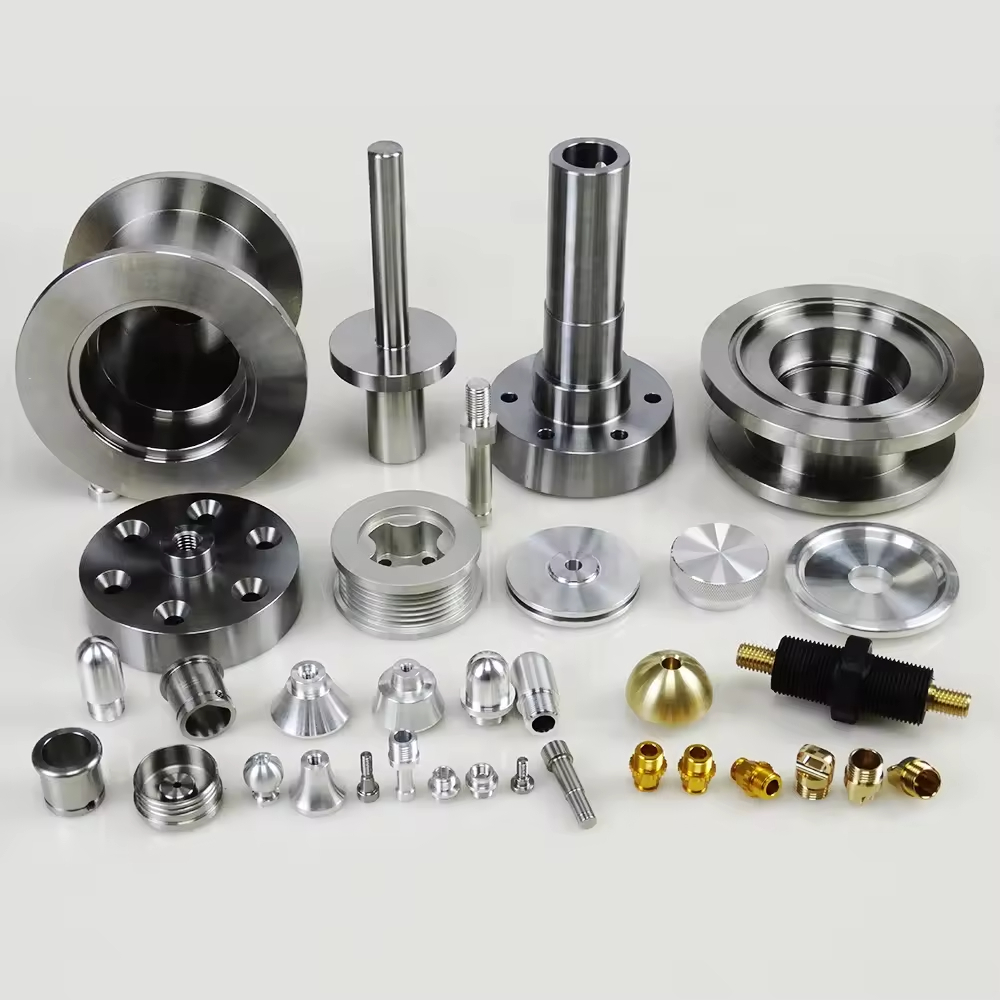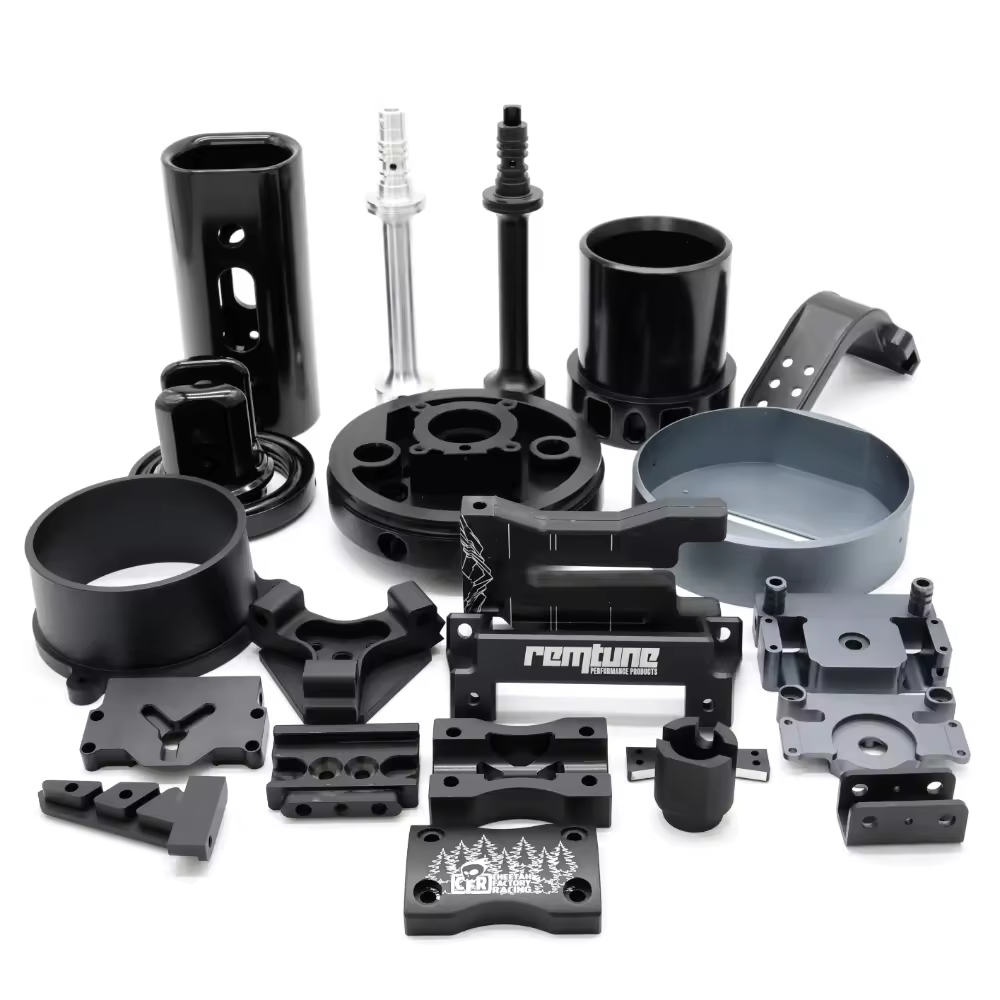
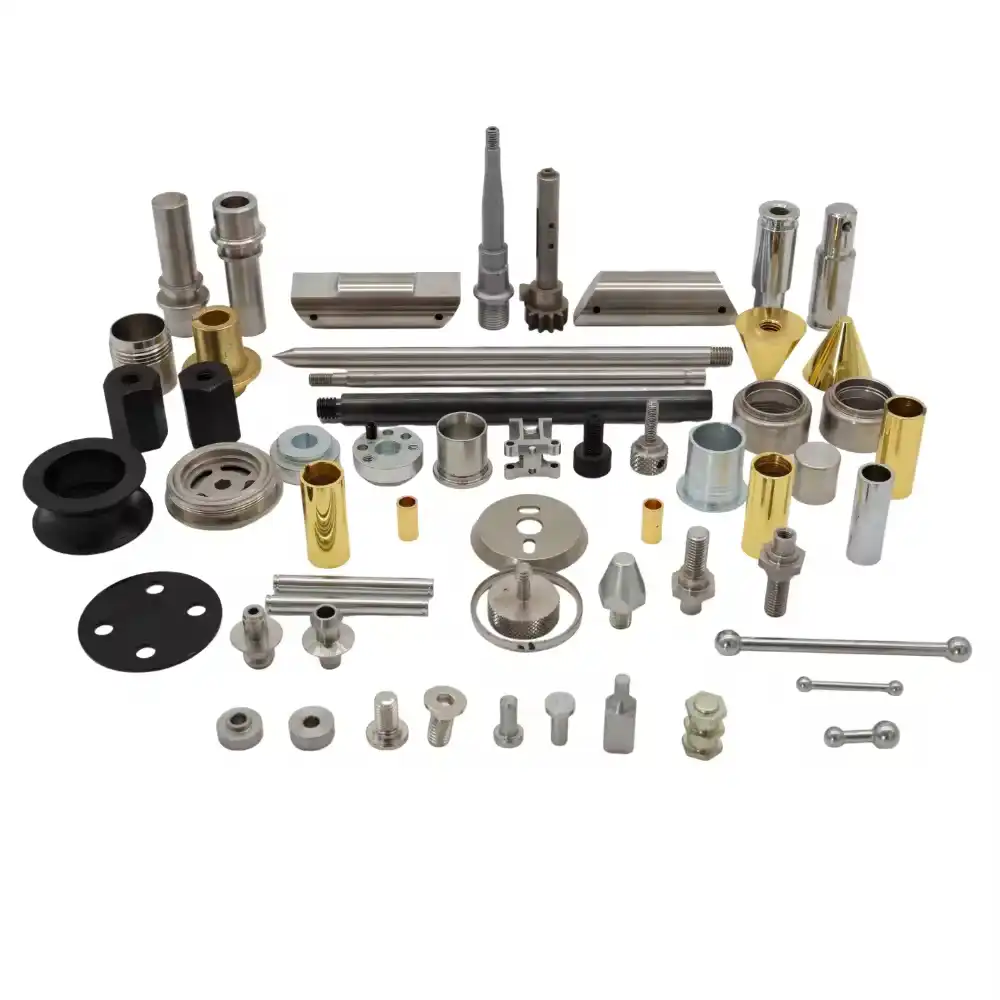
CNC Turning Parts are essential components in modern manufacturing, produced by rotating a workpiece while a cutting tool shapes it to precise dimensions. This process is ideal for creating cylindrical, symmetrical parts with exceptional accuracy and repeatability. From automotive shafts and aerospace fittings to medical device components and custom hardware, CNC turning delivers the precision, surface finish, and material versatility that demanding industries require. At Nylon Plastic , we integrate high-precision CNC turning with our comprehensive manufacturing capabilities to provide seamless solutions from prototype to production.

The CNC Turning Advantage: Precision, Speed, and Versatility
CNC turning, performed on advanced lathes, offers distinct advantages for parts with rotational symmetry.
- Exceptional Precision and Repeatability: Modern multi-axis CNC lathes achieve tolerances down to ±0.02mm, ensuring every part meets exact specifications. This level of precision is critical for components that must fit and function perfectly in assemblies, particularly in aerospace, medical, and automotive applications.
- High Production Efficiency: Turning operations are inherently fast, especially for cylindrical parts. Once programmed, CNC lathes can produce parts rapidly and consistently, making the process highly cost-effective for both prototyping and production runs.
- Superior Surface Finishes: The continuous cutting action in turning produces excellent surface finishes directly from the machine, often reducing or eliminating the need for secondary polishing operations.
- Broad Material Compatibility: CNC turning handles virtually all engineering materials, including aluminum, stainless steel, brass, bronze, copper, titanium, and alloy steels. This allows designers to select the optimal material for their application’s mechanical and environmental requirements. Our material selection hub provides guidance on choosing the right material for your project.
- Complex Geometry Capability: Advanced multi-axis turning centers can perform live tooling operations (milling, drilling, tapping) without removing the part from the machine, enabling complete machining of complex components in a single setup.
- Scalability from Prototype to Production: Whether you need a single prototype or thousands of production parts, CNC turning scales efficiently. Low-volume runs (1-49 pieces) are cost-effective for validation, with significant volume discounts for larger quantities (50+ pieces).
- Rapid Turnaround: With standard lead times of just 7 working days, CNC turning accelerates product development cycles, getting your parts in hand quickly for testing, assembly, or market launch.

CNC Turning Capabilities: Processes and Equipment
Understanding the range of turning processes helps in selecting the right approach for your part geometry.
| Process | Description | Typical Applications |
|---|---|---|
| CNC Turning (2-Axis) | The workpiece rotates while a single-point cutting tool moves along X and Z axes. Ideal for simple cylindrical parts. | Shafts, pins, bushings, spacers, basic cylindrical components. |
| Multi-Axis Turning | Live tooling capabilities add milling, drilling, and tapping operations on a rotating workpiece, enabling complex parts in one setup. | Parts requiring cross-drilled holes, keyways, flats, or slots in addition to turned features. |
| Swiss-Type Turning | The workpiece is supported by a guide bushing close to the cutting tool, enabling extreme precision on small, long, or slender parts. | Small precision components for medical devices, watches, electronics, and miniature parts. |
| Multi-Spindle Turning | Multiple spindles work simultaneously, dramatically increasing production speed for high-volume parts. | High-volume production of standardized components, automotive fittings, connector pins. |

Materials for CNC Turning Parts
The choice of material defines the part’s performance, durability, and cost. The reference supplier works with a comprehensive range of metals to meet diverse application needs.
| Material Category | Specific Grades | Key Properties | Typical Applications |
|---|---|---|---|
| Aluminum | 6061-T6, 7075-T6, 2024 | Lightweight, excellent machinability, good strength-to-weight ratio, corrosion resistant. | Automotive components, aerospace fittings, spacers, bushings, custom hardware. |
| Stainless Steel | 303, 304, 316L | Excellent corrosion resistance, high strength, good machinability (303 is easiest), biocompatible options. | Medical instruments, food processing equipment, marine hardware, surgical components, valve parts. |
| Brass | C36000 (free-machining brass) | Excellent machinability, good corrosion resistance, attractive gold-like appearance. | Fittings, valves, electrical connectors, decorative hardware, musical instrument parts, plumbing components. |
| Copper | C101, C110 | Exceptional electrical and thermal conductivity. | Electrical contacts, bus bars, heat sinks, cooling components, welding tips. |
| Bronze | C93200 (bearing bronze), C95400 (aluminum bronze) | Good wear resistance, low friction, corrosion resistant. | Bearings, bushings, gears, valve components, marine parts. |
| Titanium | Grade 2, Grade 5 (Ti-6Al-4V) | Exceptional strength-to-weight ratio, outstanding corrosion resistance, biocompatible. | Aerospace structural parts, medical implants, high-performance automotive, marine components. |
| Alloy Steel | 4140, 4340 | High strength, good toughness, heat treatable. | Gears, shafts, structural components, high-strength fasteners. |
| Hardened Metals | Various tool steels, heat-treated alloys | Maximum hardness and wear resistance. | Tooling, dies, wear plates, high-stress components, bearing races. |

Surface Finishing Options
The right surface finish enhances both aesthetics and functional performance. The reference supplier offers multiple finishing options to meet diverse requirements. Our color customization services can match specific brand colors or functional coding needs.
| Finish Type | Description | Benefits | Typical Applications |
|---|---|---|---|
| Anodizing (Type II & III) | Electrochemical process that thickens the natural oxide layer on aluminum. Type II for corrosion resistance and dyeing; Type III (hard coat) for wear resistance. | Enhanced corrosion and wear resistance, decorative colors (red, blue, black, gold), improved durability. | Aerospace components, automotive trim, consumer electronics, custom hardware. |
| Powder Coating | Electrostatic application of dry powder followed by heat curing. | Durable, uniform finish; excellent impact and corrosion resistance; wide color range. | Outdoor equipment, automotive parts, industrial machinery, consumer goods. |
| Painting | Liquid paint application for protective or decorative coating. | Wide color selection, cost-effective, good for large parts. | Prototypes, low-volume parts, aesthetic components. |
| Black Oxide | Chemical conversion coating for ferrous metals, copper, and brass. | Mild corrosion resistance, reduced light reflection, attractive black finish, minimal dimensional change. | Tooling, fasteners, automotive components, optical parts, gun components. |
| Electroplating | Deposition of a thin metal layer (chrome, nickel, zinc) onto the part surface. | Enhanced corrosion resistance, improved appearance, increased surface hardness. | Decorative hardware, automotive trim, corrosion-resistant fasteners. |
| Passivation | Chemical treatment for stainless steel to remove free iron and enhance corrosion resistance. | Improved corrosion resistance, clean surface for medical and food contact applications. | Medical devices, food processing equipment, pharmaceutical components. |
| Bead Blasting | Fine glass beads are blasted at high pressure to create a uniform matte finish. | Consistent surface texture, hides minor surface imperfections, excellent paint adhesion. | Cosmetic parts, prototypes, components requiring uniform appearance. |
| Polishing | Mechanical or chemical process to achieve a smooth, reflective surface. | High aesthetic appeal, reduced friction, easy to clean. | Decorative parts, medical instruments, food contact surfaces. |

The CNC Turning Process: From Design to Finished Part
A professional CNC Turning Parts service follows a systematic workflow to ensure quality and precision at every stage, from file submission to finished component.
| Stage | Core Process & Technology | Quality & Performance Outcome |
|---|---|---|
| 1. Design & DFM Analysis | – Customer provides 3D models (STEP, IGES) or 2D drawings (PDF/CAD) with specifications. – Engineers review design for manufacturability, considering factors like minimum wall thickness, feature accessibility, and tool clearance. – DFM (Design for Manufacturability) feedback optimizes the design for efficient turning. |
A validated design optimized for cost-effective production without compromising functionality. |
| 2. Material Selection | – Optimal material is selected based on mechanical requirements, environment, and cost. – Certified materials sourced from qualified suppliers ensure traceability and consistency. |
Guaranteed material properties meeting application demands. |
| 3. CNC Programming & Setup | – CAM (Computer-Aided Manufacturing) software generates efficient toolpaths for turning operations. – Workholding (chucks, collets, or fixtures) is selected based on part geometry. – Tools are selected based on material and feature requirements. |
Optimized machining strategy for accuracy and efficiency, minimizing cycle times. |
| 4. Precision Turning | – Advanced CNC lathes execute programmed operations: rough turning, finish turning, facing, grooving, threading, parting. – For multi-axis machines, live tooling performs milling, drilling, and tapping in the same setup. – Processes are monitored for quality and consistency. |
Parts produced to exact specifications with tight tolerances (down to ±0.02mm). |
| 5. Surface Finishing | – Post-machining finishing as specified: anodizing, powder coating, painting, black oxide, polishing, or bead blasting. | Enhanced appearance, corrosion resistance, and functional performance. |
| 6. Quality Assurance & Inspection | – 100% QC inspection ensures every part meets dimensional and visual requirements. – Inspection tools include calipers, micrometers, CMM, and optical comparators. – First Article Inspection (FAI) reports available for validation. |
Guaranteed part quality with full traceability and compliance to specifications. |
| 7. Packaging & Delivery | – Parts are carefully packaged to prevent damage during transit. – Standard lead time: 7 working days. – Expedited shipping options available (DHL, FedEx, UPS). |
Secure, on-time delivery of finished components ready for use or assembly. |

Industry Applications for CNC Turning Parts
CNC turned components serve virtually every industry requiring precision parts. Our expertise spans multiple industries , ensuring we understand the unique requirements of each sector.
| Industry | Applications | Critical Requirements |
|---|---|---|
| Automotive | Engine components (valves, pistons), transmission shafts, steering components, fittings, custom hardware, sensor housings. | Strength, wear resistance, precision tolerances, high-volume capability. |
| Aerospace | Fittings, connectors, bushings, fasteners, hydraulic components, landing gear parts, structural inserts. | Tight tolerances, material traceability, lightweight materials (aluminum, titanium), certification requirements. |
| Medical | Surgical instrument handles, implantable device components, dental parts, orthopedic screws, medical device fittings. | Biocompatible materials (stainless steel, titanium), clean surfaces, precision tolerances, traceability. |
| Electronics | Connector pins, heat sinks, housings for sensors, precision fasteners, component terminals. | Thermal management, tight tolerances, conductivity (copper), surface finish. |
| Industrial Machinery | Shafts, rollers, bushings, bearings, fittings, valve components, hydraulic and pneumatic parts. | Wear resistance, durability, precise fits, material strength. |
| Oil & Gas | Valve components, fittings, connectors, downhole tool parts, instrumentation components. | Corrosion resistance, high strength, material certifications. |
| Consumer Products | Custom hardware, sporting goods components, decorative parts, product prototypes. | Aesthetic finishes, cost-effective prototyping, rapid turnaround. |
| Defense & Tactical | Weapon components, mounting systems, ruggedized equipment parts, field-ready hardware. | MIL-spec compliance, extreme durability, material certifications. |

Quality Assurance: The Foundation of Precision CNC Turning
The reference supplier emphasizes 100% QC and tight ±0.02mm tolerances. Here’s what that means for your turned parts.
| Quality Aspect | Our Commitment | Your Benefit |
|---|---|---|
| In-Process Inspection | Parts are inspected during machining to catch issues early. | Reduced scrap, consistent quality, fewer rejected parts. |
| Final Inspection | Every part undergoes dimensional and visual inspection before shipping. | Guaranteed compliance with your specifications. |
| First Article Inspection (FAI) | Comprehensive report verifying all dimensions against your drawing for the first production run. | Confidence that machining processes are correct before volume production. |
| Material Certifications | Traceable certifications for all materials used. | Assurance of material properties and compliance with industry requirements. |
| ISO Compliance | Our quality management systems align with ISO 9001 standards . | Consistent processes, continuous improvement, reliable outcomes. |

Customization Options
The reference supplier offers extensive customization to meet specific project requirements, from individual prototypes to branded production parts.
| Customization Type | Options Available | Minimum Order Quantity |
|---|---|---|
| Custom Logo | Laser marking, engraving, or printing your logo on parts. | 1 piece |
| Custom Packaging | Branded packaging, custom inserts, retail-ready presentation. | 1 piece |
| Graphic Customization | Custom surface graphics, labels, or decorative elements. | 1 piece |
| Custom Materials | Sourcing of specific alloys or material grades not listed. | 1 piece |
| Custom Finishes | Special anodizing colors, custom powder coat colors, unique textures. | 1 piece |
Pricing Structure
Understanding pricing helps in project planning and budgeting. Actual costs depend on part complexity, material, and finishing requirements.
| Order Quantity | Price per Piece (Indicative) | Best For |
|---|---|---|
| 1-49 pieces | ¥13.67 | Prototypes, functional testing, custom one-offs, low-volume production. |
| 50+ pieces | ¥0.6831 | Production runs, assembly quantities, inventory stocking. |
| Samples | ¥341.53 (refundable with order) | Material and quality verification before production commitment. |
For a precise quote tailored to your specific project, contact our engineering team .

Integration with Broader Manufacturing Capabilities
CNC turning is most powerful when integrated with other manufacturing processes. At Nylon Plastic, we combine precision machining with our full range of services.
| Integrated Service | How CNC Turning Enhances It | Benefit to You |
|---|---|---|
| Assembly-Ready Components | Parts turned with precision features for direct assembly, including threads, grooves, and mating surfaces. | Reduced secondary operations, faster assembly, guaranteed fit. |
| Hybrid Manufacturing | Complex features from CNC milling combined with turned features in a single multi-axis setup. | Complete parts machined in one operation, eliminating handling errors. |
| Finished Product Solutions | CNC turning combined with color customization , assembly, and packaging for complete product delivery. | Single-source accountability, simplified supply chain. |
| Prototype-to-Production Bridge | Turned prototypes for validation, then transition to injection molding for high-volume production of plastic components with metal inserts. | Faster time-to-market with validated designs before committing to hard tooling. |
| Custom Fixtures and Tooling | On-demand production of assembly jigs, fixtures, and workholding tools for your production line. | Reduced downtime, optimized manufacturing workflows. |
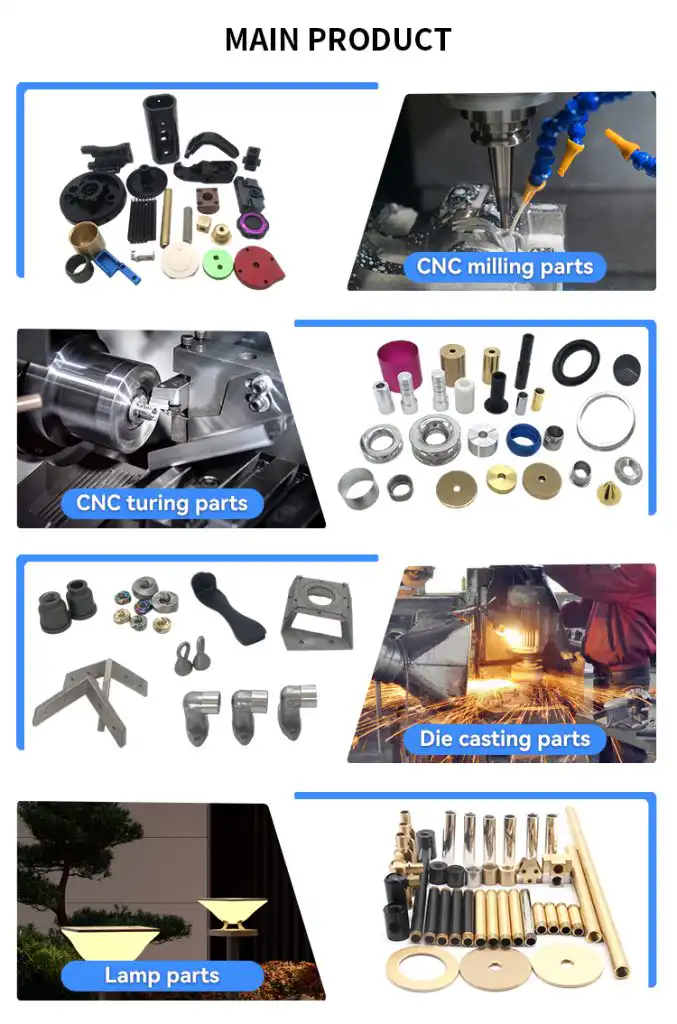
FAQ: CNC Turning Parts
Q1: What file formats do you accept for CNC turning?
A: We accept all standard CAD formats, including STEP (.stp), IGES (.igs), SolidWorks (.sldprt), AutoCAD (.dwg, .dxf), and Parasolid (.x_t) . 2D drawings (PDF) with critical tolerances and specifications are also helpful, especially for features requiring special attention. For complex designs, our product design team can assist with file preparation.
Q2: What is the difference between CNC turning and CNC milling?
A: CNC turning involves rotating the workpiece while a stationary cutting tool shapes it, ideal for cylindrical, symmetrical parts like shafts, bushings, and fittings. CNC milling involves rotating cutting tools against a stationary workpiece, ideal for prismatic parts with complex features like pockets, slots, and 3D contours. Many parts require both operations, which can be performed on multi-axis mill-turn machines. For more on milling, see our guide to CNC milling parts .
Q3: What is the minimum order quantity (MOQ)?
A: Our MOQ is 1 piece, making custom CNC turning ideal for prototypes, custom one-offs, and low-volume production. Volume discounts apply for larger quantities (50+ pieces).
Q4: What are typical lead times?
A: Standard lead time is 7 working days from design approval and material confirmation. Expedited options may be available for urgent requirements. Complex parts with extensive finishing may require additional time.
Q5: What tolerances can you achieve?
A: Our standard machining tolerance is ±0.02mm (0.0008 inches) for features where required. Tighter tolerances may be possible depending on part geometry and material—please discuss your specific requirements with our engineering team.
Q6: What surface finishes do you offer?
A: We offer a comprehensive range of finishes including anodizing (Type II and III), powder coating, painting, black oxide, electroplating, passivation, bead blasting, and polishing. Each finish serves different aesthetic and functional requirements. Our color customization services can match specific brand colors or functional coding needs.
Q7: Do you offer design assistance or DFM feedback?
A: Yes. Our engineering team provides Design for Manufacturability (DFM) analysis as part of our service. We review your design and suggest modifications that can reduce cost, improve quality, or accelerate production while maintaining functionality.
Q8: Can you produce parts with both turned and milled features?
A: Absolutely. Our multi-axis turning centers with live tooling capabilities can perform milling, drilling, and tapping operations in the same setup as turning, allowing complete machining of complex parts without secondary operations.
Q9: How do you ensure quality?
A: We implement 100% QC inspection on all parts before shipping. Our quality process includes in-process checks, final dimensional inspection, and visual inspection. First Article Inspection (FAI) reports are available upon request.
Q10: What industries do you serve?
A: Our industry expertise spans automotive, aerospace, medical, electronics, industrial machinery, oil and gas, consumer products, and defense. We understand the specific requirements of each sector and tailor our processes accordingly.
Conclusion: Precision CNC Turning for Your Critical Components
CNC Turning Parts deliver the precision, versatility, and quality required for today’s most demanding applications across automotive, aerospace, medical, and industrial sectors. Whether you need custom shafts, precision fittings, or complex components combining turned and milled features, advanced turning centers, comprehensive material options, and rigorous quality assurance ensure your parts meet exact specifications.
Ready to bring your design to life? Contact our engineering team today to discuss your project requirements. From DFM analysis and material selection to precision turning and finishing, we provide end-to-end custom machining solutions integrated with our broader product design , CNC milling , and injection molding capabilities.
Request a Quote | Contact Our Engineering Team
FAQ
When is CNC turning the right process for a part?
CNC Turning Parts: Precision Components for Critical Applications is the right choice when the part requires machined accuracy, controlled surfaces, repeatable features, and a material that can be cut reliably.
What should be confirmed before ordering CNC turned parts?
Confirm the drawing version, material grade, tolerances, quantity, critical dimensions, surface finish, and inspection requirements before production starts.
What usually drives CNC turning cost?
Cost is usually driven by material, setup time, machine time, tolerance difficulty, fixturing, tool access, finishing, inspection, and order quantity.
How can buyers reduce quality risk on turned components?
Quality risk is reduced by marking critical features clearly, avoiding unnecessary tight tolerances, confirming manufacturability early, and using inspection data for important dimensions.