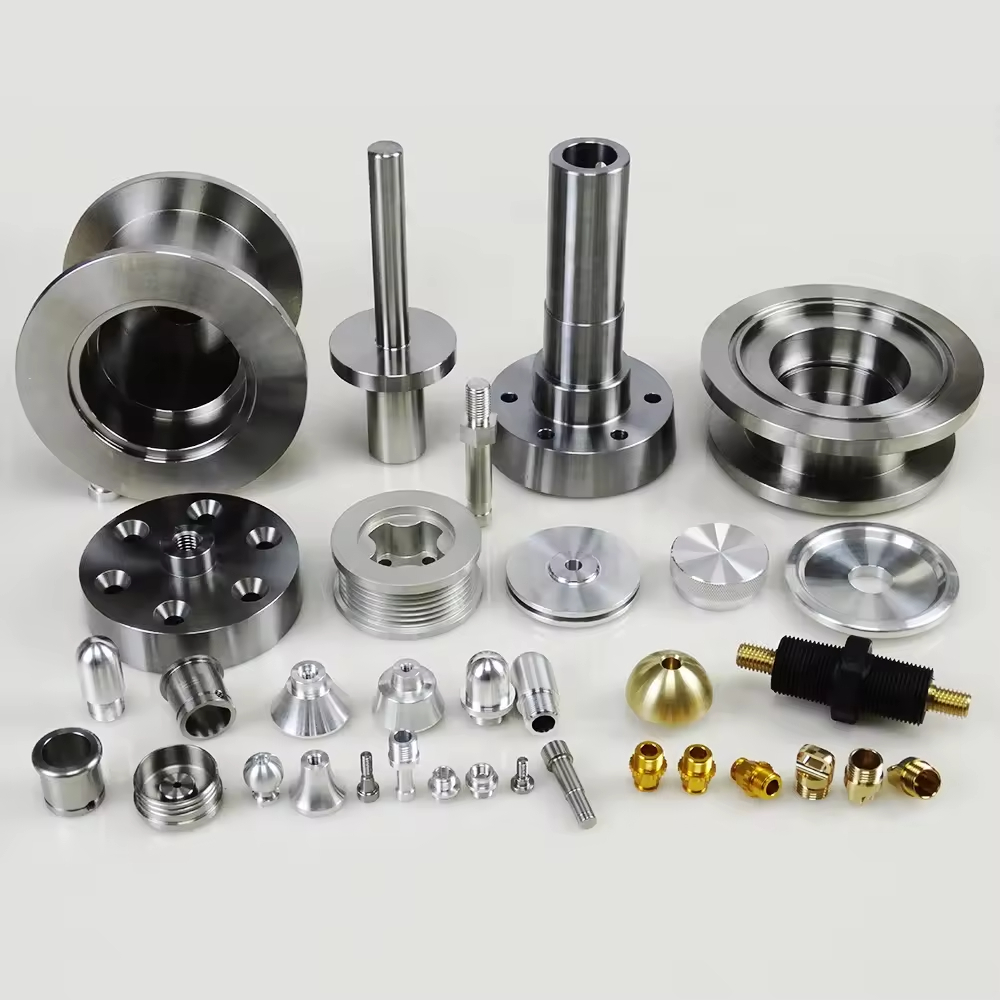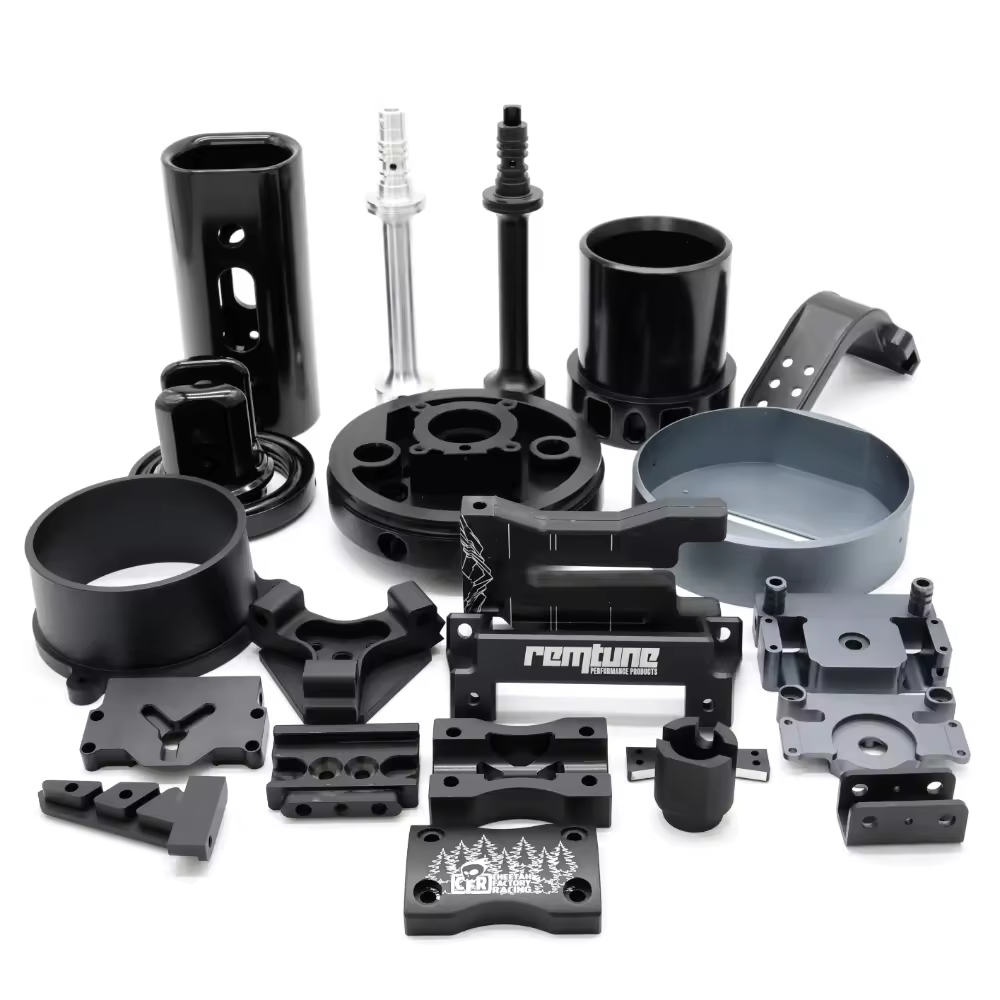
Custom CNC parts manufacturing offers unparalleled flexibility for producing precision components in engineering plastics. Whether you need a single prototype or thousands of production parts, CNC machining delivers quality without mold tooling investment.
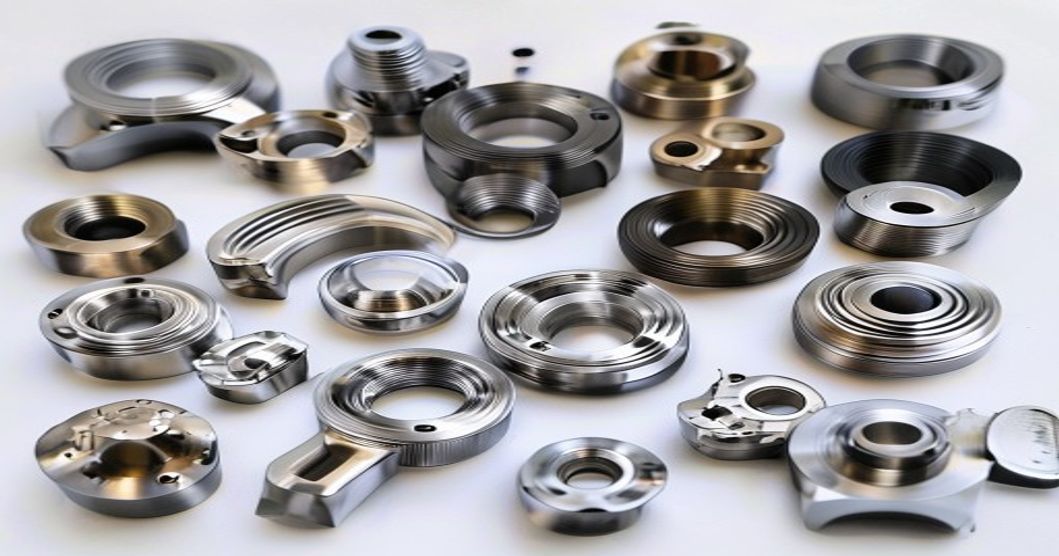
Benefits of Custom CNC Parts
- No minimum order quantity — economical for prototypes and small batches
- Design freedom — complex geometries, undercuts, and fine features are achievable
- Material options — choose from dozens of engineering plastics
- Fast lead times — parts can ship within days, not weeks
- Design iterations — easy to modify between batches
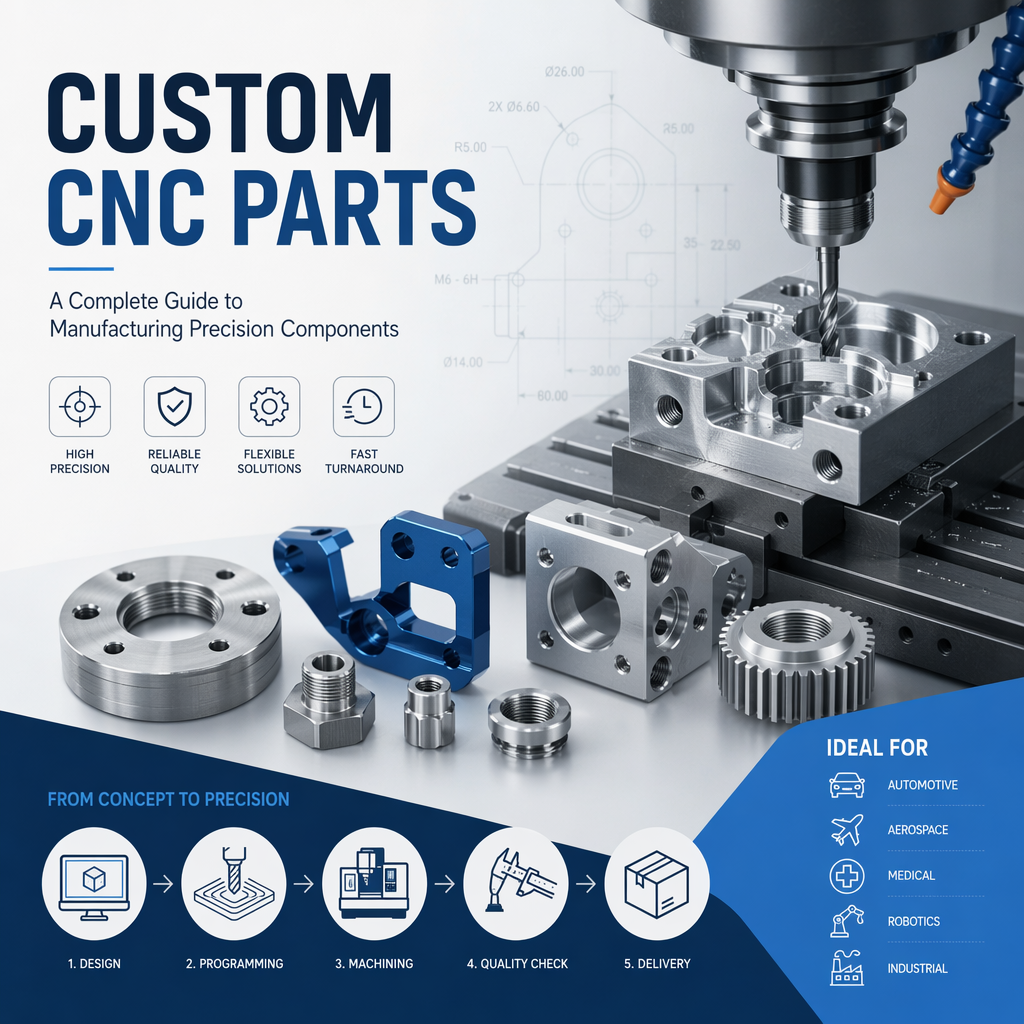
Custom CNC Parts Workflow
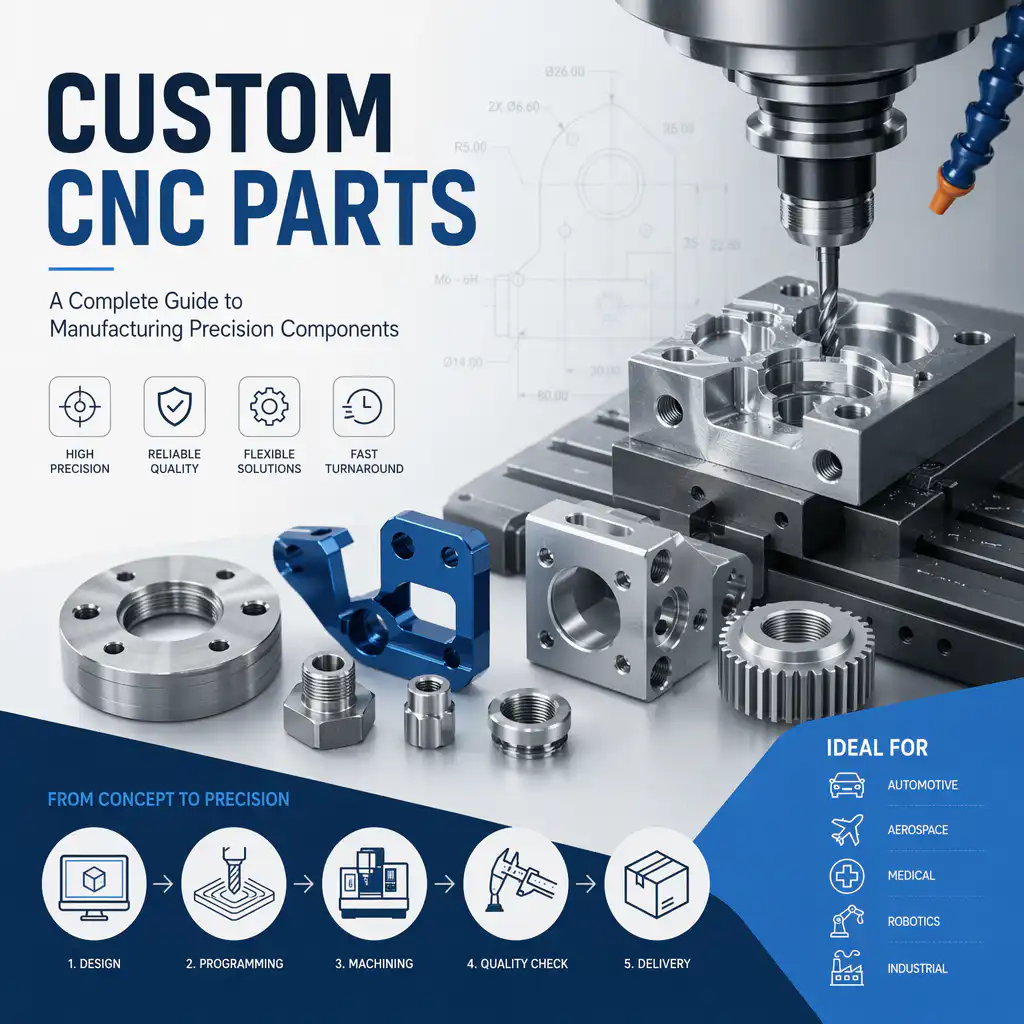
From design to delivery, the typical process includes:
- Design review — engineers analyze CAD files for manufacturability
- Quote and timeline — pricing based on material, complexity, and quantity
- ming — CAM software generates s
- Machining — parts produced on CNC mills, lathes, or multi-axis machines
- — quality control verifies dimensions and tolerances
- Finishing — deburring, polishing, or assembly as required
Choosing the Right Material
For reinforced nylon or other engineering plastics, consider:
- Mechanical strength — tensile, compressive, impact resistance
- Thermal properties — operating temperature range, heat deflection
- Chemical resistance — exposure to oils, solvents, acids
- Regulatory requirements — FDA, UL94, ISO certifications
Why Choose Us for Your Custom CNC Parts
We combine advanced manufacturing equipment with engineering expertise to deliver custom plastic parts that meet your exact specifications:
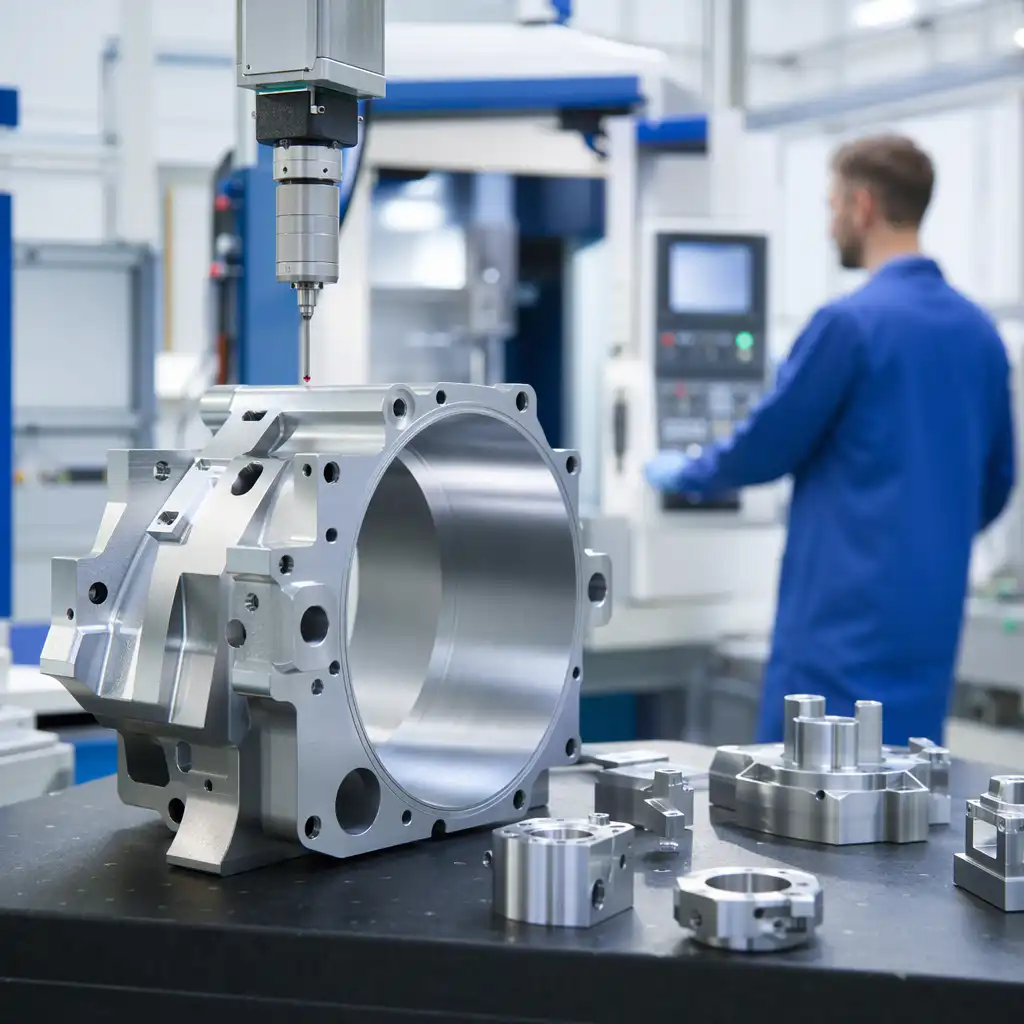
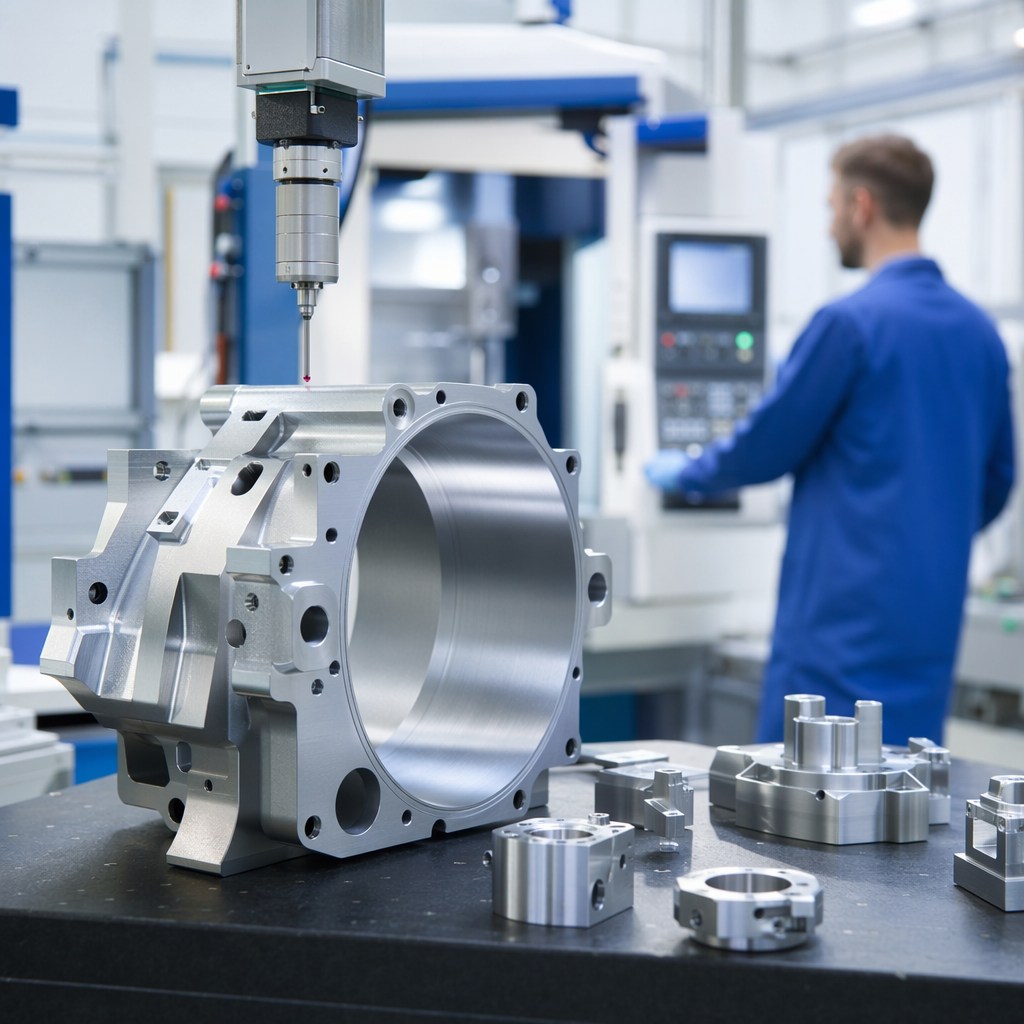
- 300+ CNC machines — 3-axis, 4-axis, and 5-axis machining centers for any complexity
- ±0.005mm precision — high-precision control for tight-tolerance applications
- Large workpiece capability — worktable up to 3000mm × 2000mm
- 1 piece MOQ — R&D prototyping to mass production on the same production line
- Same-day prototypes for standard parts; 100,000-piece orders delivered within 15 days
From a single concept prototype to a 1-million-piece production run, we handle the full journey. Our engineers can advise on material selection and manufacturability to optimize your design for production.
Send us your CAD files and specifications — we’ll provide a detailed quote within 24 hours.
FAQ
When is Custom CNC Parts: A Complete Guide to Manufacturing Precision Components the right choice?
Custom CNC Parts: A Complete Guide to Manufacturing Precision Components is the right choice when the part requires machined accuracy, controlled surfaces, repeatable features, and a material that can be cut reliably.
What should be confirmed before ordering Custom CNC Parts: A Complete Guide to Manufacturing Precision Components?
Confirm the drawing version, material grade, tolerances, quantity, critical dimensions, surface finish, and inspection requirements before production starts.
What usually drives cost in Custom CNC Parts: A Complete Guide to Manufacturing Precision Components?
Cost is usually driven by material, setup time, machine time, tolerance difficulty, fixturing, tool access, finishing, inspection, and order quantity.
How can quality risk be reduced in Custom CNC Parts: A Complete Guide to Manufacturing Precision Components?
Quality risk is reduced by marking critical features clearly, avoiding unnecessary tight tolerances, confirming manufacturability early, and using inspection data for important dimensions.