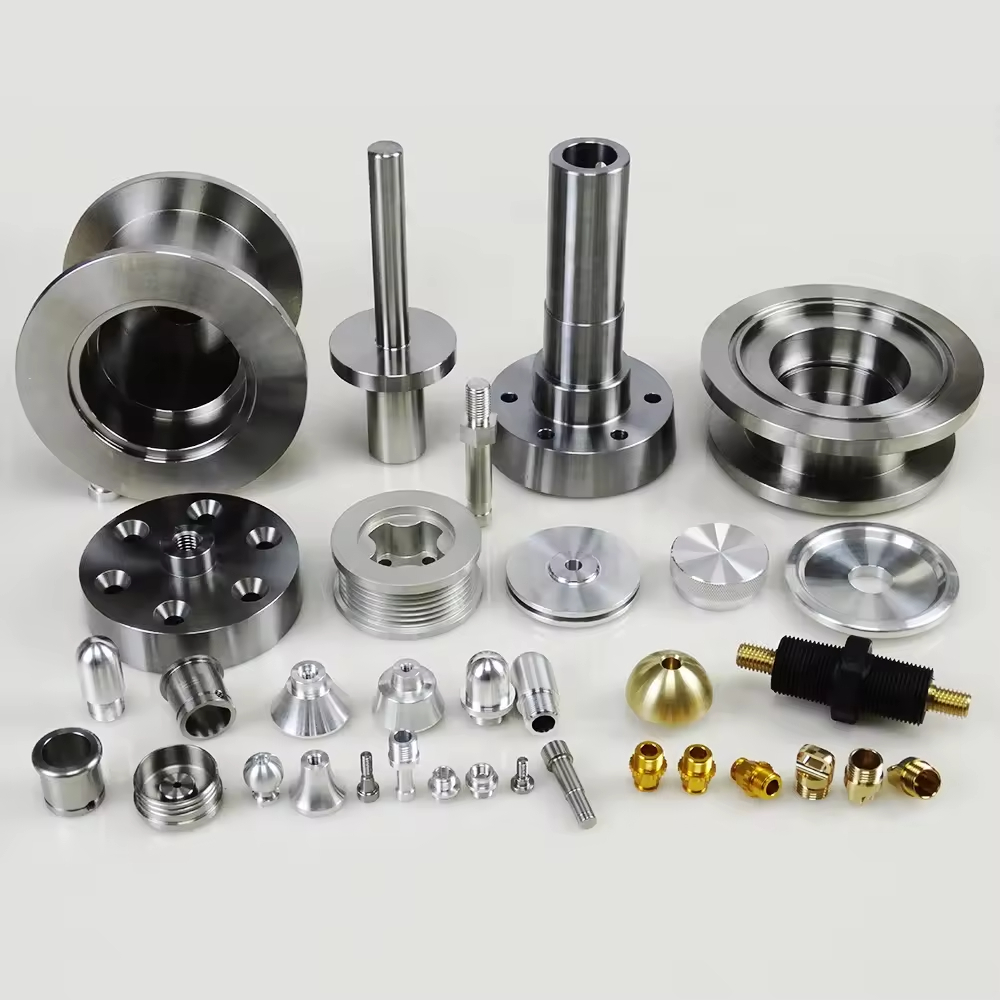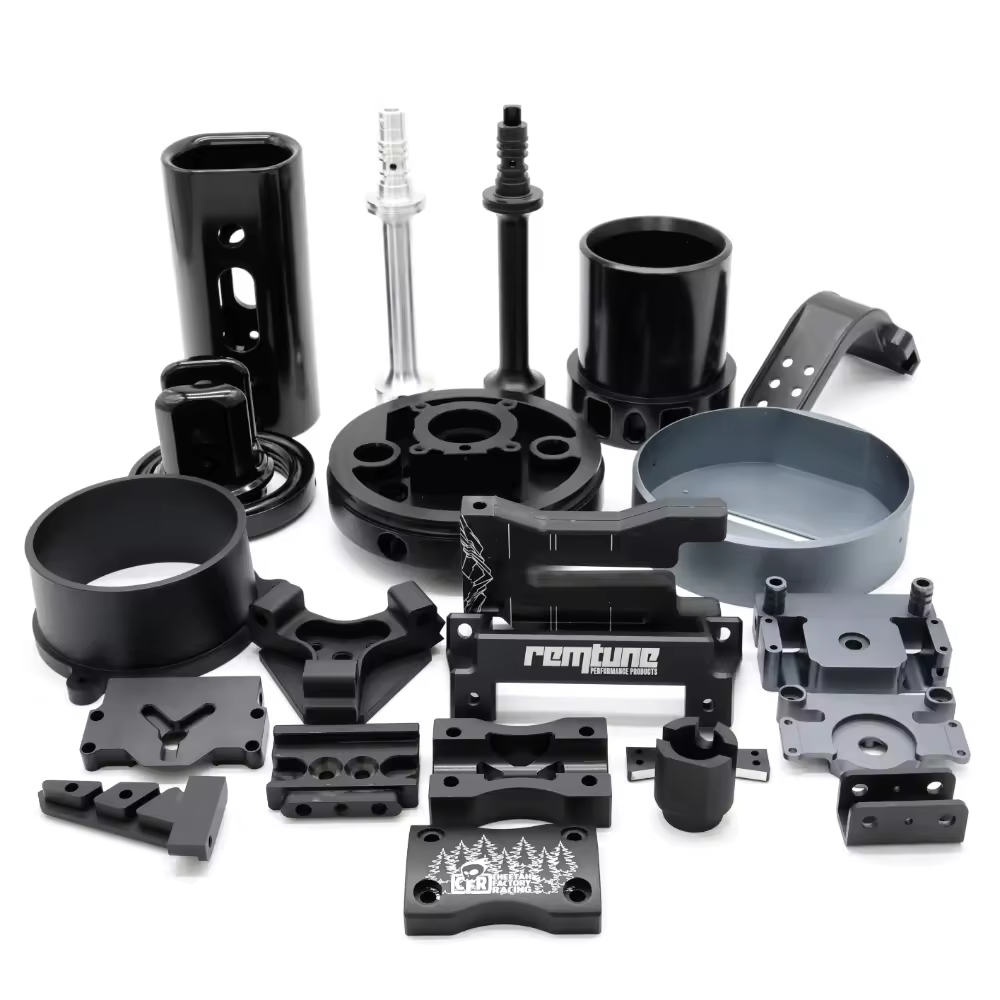
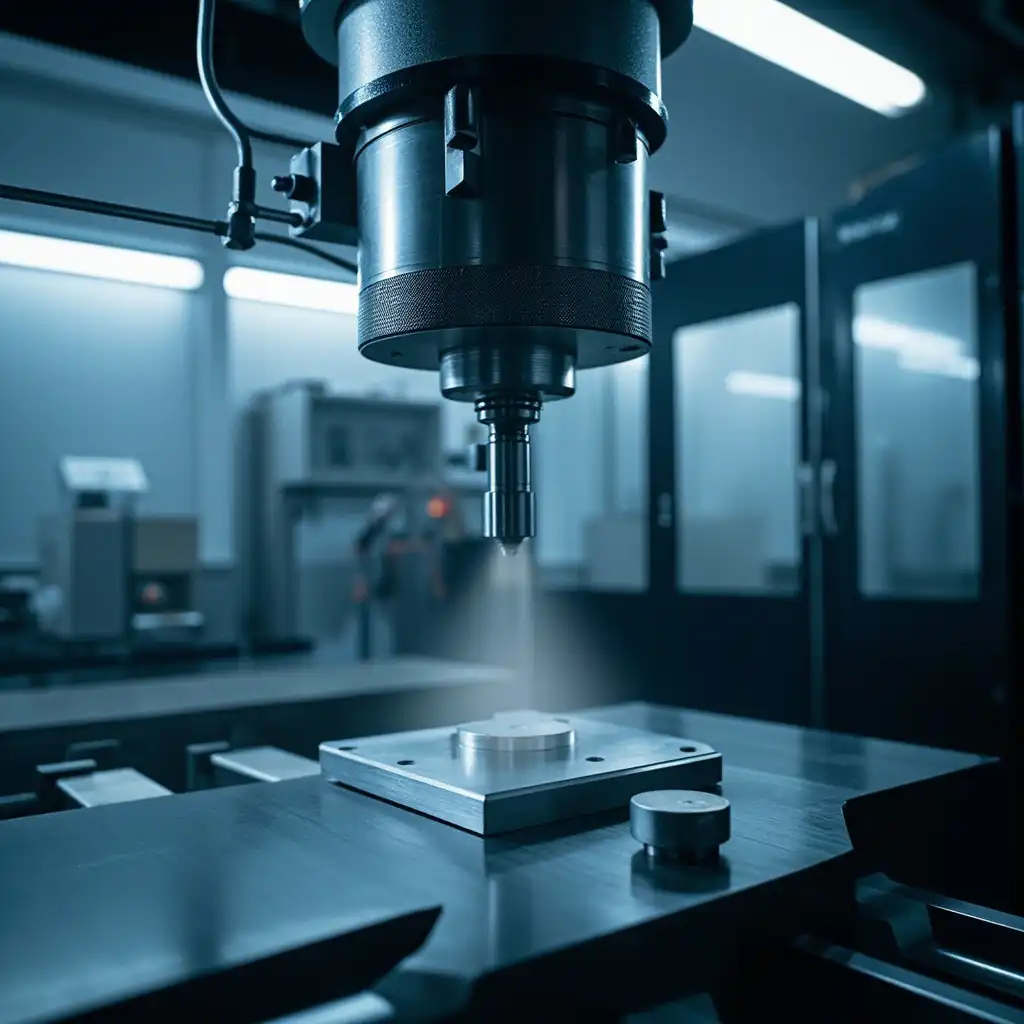
CNC turning is the ideal manufacturing process for producing precision cylindrical components from engineering plastics. From bushings and bearings to seals and shafts, CNC turning delivers exceptional accuracy and surface finish.
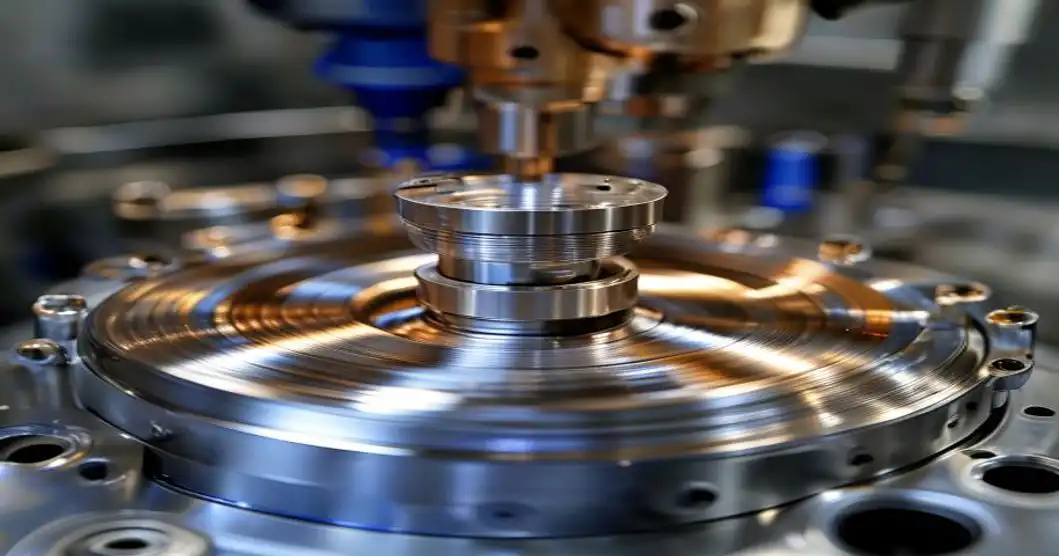
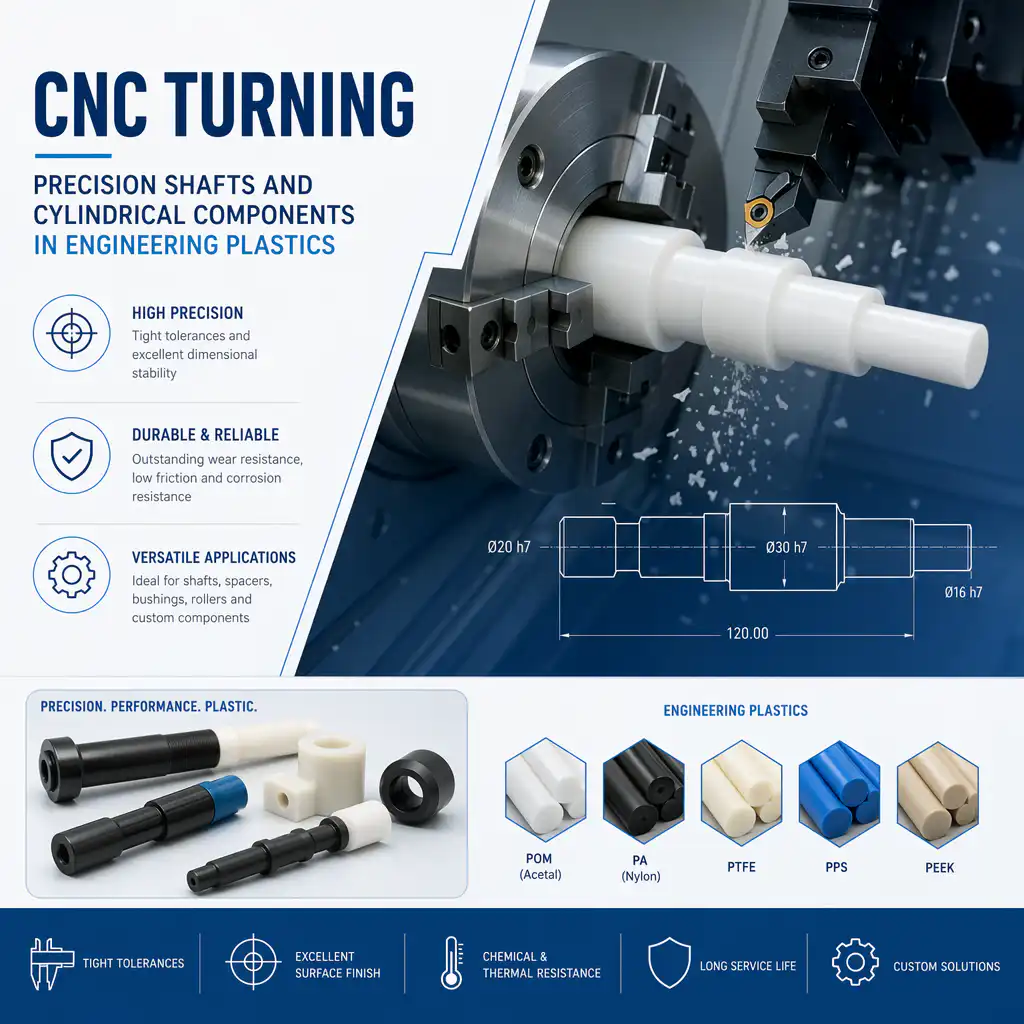
When to Choose CNC Turning
CNC turning excels when your part has rotational symmetry—round, cylindrical, or conical shapes. Common applications include:
- Bearings and bushings — nylon and POM offer self-lubricating properties
- Seals and gaskets — precision tolerances for leak prevention
- Shafts and rollers — conveyor systems, printing equipment
- Fittings and connectors — fluid handling, pneumatic systems
Material Selection for Turned Parts
Nylon vs POM comparison helps determine the best material for your application. Key considerations:
| Property | Nylon | POM |
|---|---|---|
| Friction Coefficient | 0.2-0.4 | 0.1-0.3 |
| Dimensional Stability | Moderate | Excellent |
| Moisture Absorption | Higher | Lower |
Why Choose Our CNC Turning Services
When you need precision cylindrical plastic components, our advanced CNC turning capabilities give you the competitive edge:
- 300+ CNC machines including high-precision CNC lathes with ±0.005mm tolerance control
- Large part capacity — worktable up to 3000mm × 2000mm, machining parts from 0.1mm to 3 meters
- MOQ 1 piece — single-piece customization and R&D prototyping without high mold costs
- Fast delivery — standard prototypes within 24 hours, small batches in 3–5 working days
- Mass production ready — monthly capacity up to 1 million pieces per product category
Whether you need prototype shafts for product validation or 100,000+ production-run bushings and bearings, our facilities can meet your scale and precision requirements.
Ready to discuss your project? Fill out the form below and our engineers will respond within 24 hours.
FAQ
When is CNC Turning: Precision Shafts and Cylindrical Components in Engineering Plastics a good option?
CNC Turning: Precision Shafts and Cylindrical Components in Engineering Plastics is a good option when fast iteration, complex geometry, low tooling cost, or low-volume production is more important than molded-part unit cost.
What should be checked before choosing CNC Turning: Precision Shafts and Cylindrical Components in Engineering Plastics?
Check part size, material properties, surface finish, dimensional tolerance, heat exposure, load direction, and whether post-processing is required.
How does CNC Turning: Precision Shafts and Cylindrical Components in Engineering Plastics compare with CNC machining?
3D printing can create complex shapes quickly, while CNC machining is often stronger for precise surfaces, tighter tolerances, and production-grade materials.
What affects the cost of CNC Turning: Precision Shafts and Cylindrical Components in Engineering Plastics?
Cost depends on material, build volume, print time, layer height, support removal, finishing, inspection, and the number of parts in the build.