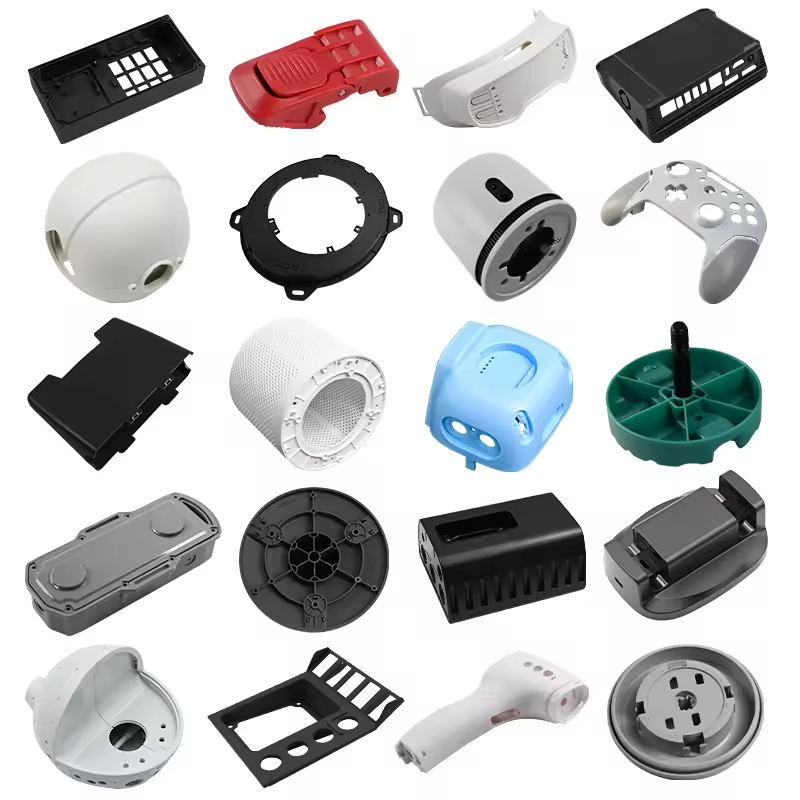
Polyamide molding usually means selecting the right nylon family before tooling starts. Buyers often compare PA6, PA66 and PA12, but the real decision depends on moisture exposure, stiffness, heat, tolerance risk and how the part will be inspected after molding.
For quick shortlisting, compare the nylon chemical compatibility chart with the main nylon chemical resistance guide before you lock the grade.
For custom molded components, the best grade is rarely the one with the most impressive dry datasheet. Nylon Plastic can review the application and recommend a grade that will hold up in actual assembly and field conditions.
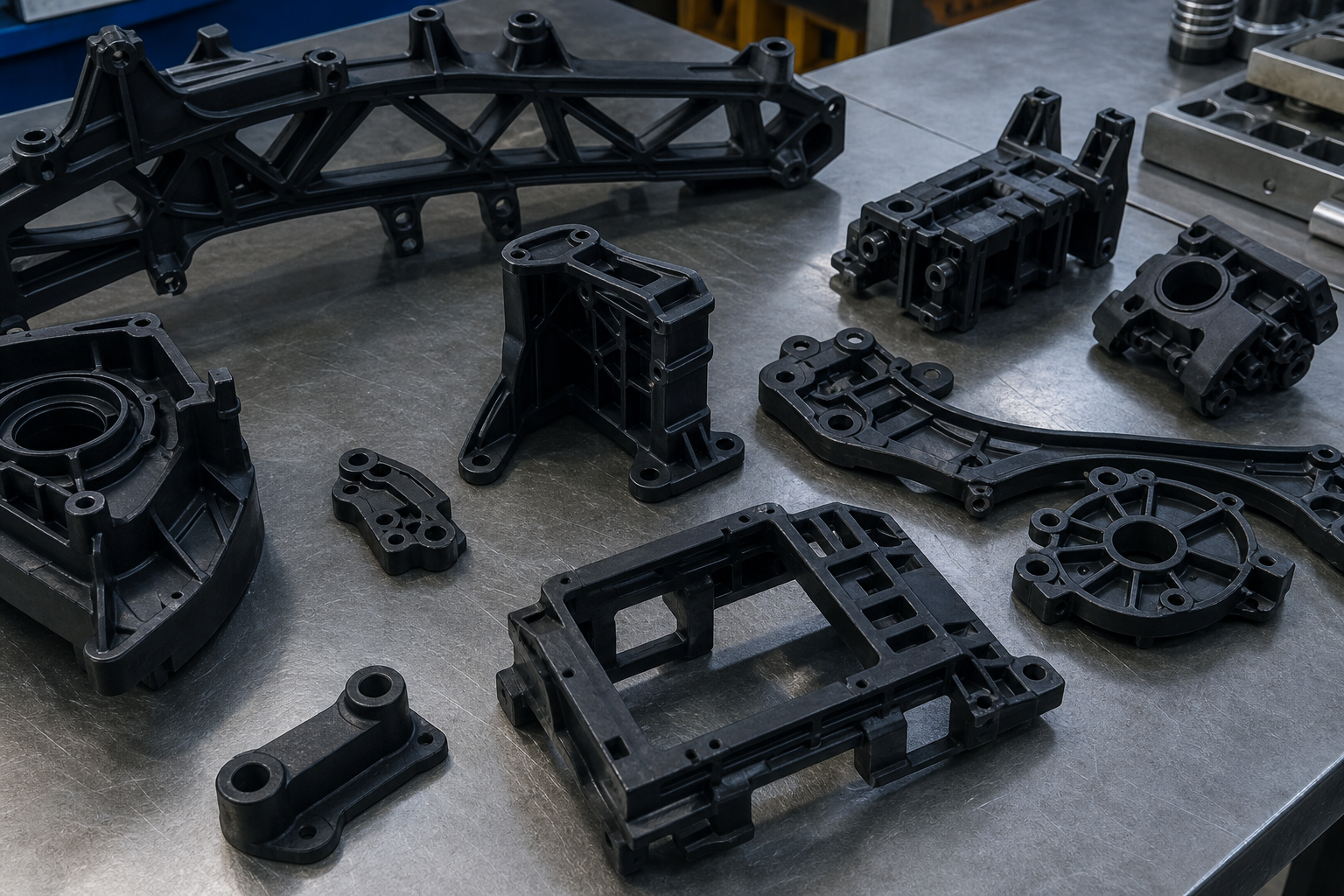
At a Glance
| Grade Family | Main Strength | Main Trade-off | Typical Use |
|---|---|---|---|
| PA6 | Good toughness and processability | More moisture sensitivity | General engineering parts and housings |
| PA66 | Higher heat and stiffness profile | Higher molding temperature and tighter process window | Structural molded parts and under-hood components |
| PA12 | Lower moisture absorption and better dimensional stability | Higher material cost | Precision parts, connectors and moisture-sensitive assemblies |
How to Choose the Right Polyamide Grade
PA6 is often the most practical starting point when cost and toughness are both important. PA66 becomes more attractive when the part sees higher service temperature or needs more stiffness. PA12 is usually chosen when dimensional stability, lower water uptake or cleaner assembly fit matters more than lowest resin cost.
Filled grades shift the decision again. Glass-filled polyamides raise stiffness and reduce creep, but they also increase warpage risk, tooling wear and fiber-direction sensitivity.
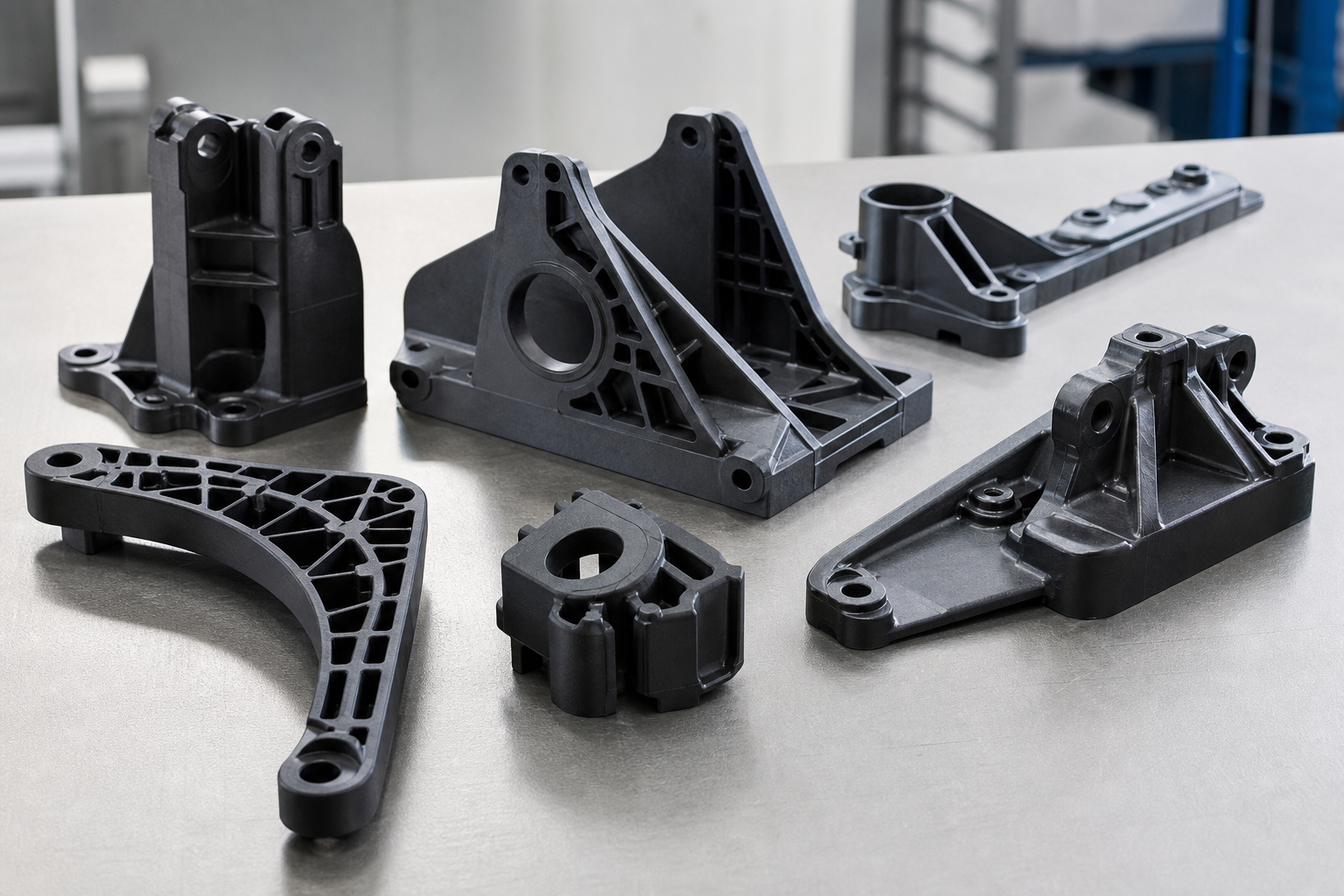
Use the nylon material selection guide for molding to compare the grade against the part’s load, temperature and moisture conditions.
Material Selection Checks Before Tooling
- Define the use state: dry, conditioned or field-exposed dimensions can differ.
- Map the real load path: strength numbers matter only if the part is loaded that way.
- Review moisture exposure: humidity can change fit, stiffness and long-term creep.
- Check molding temperature range: PA66 needs more thermal discipline than PA6.
- Decide whether filled nylon is necessary: do not add glass only because the part feels structural.
Review the nylon injection molding service scope when specifying tooling, drying, samples and dimensional approval.
Common Polyamide Molding Problems and Fixes
| Problem | Why It Happens | Practical Fix |
|---|---|---|
| Post-molding fit changes | Moisture conditioning changes nylon dimensions | Define inspection timing and use-state dimensions early |
| Warped molded part | Wall imbalance or filled-grade anisotropy | Review wall transitions, gate location and cooling layout |
| Unexpected brittleness | Wrong grade or too much glass loading | Re-check impact requirement and snap-fit behavior |
| High mold maintenance | Abrasive filled nylon wears gates and cavities | Use suitable tool steel and wear inserts for reinforced grades |
PA6 vs PA66 vs PA12 for Buyers
If the part needs a cost-effective engineering nylon, PA6 is usually the entry point. If the requirement is higher thermal stability, PA66 is the safer direction. If the application is sensitive to moisture-driven dimensional change, PA12 often makes more sense even at a higher resin cost.

Unfilled PA, GF20 and CF30 in Molded Parts
Start with unfilled PA when toughness, fatigue, wear, and surface quality lead the decision. Use GF20 when moderate stiffness and shrinkage control are needed. Use CF30 only when specific stiffness, weight, directional CTE, or a qualified electrical target justifies its cost and process risk.
Compare modified nylon material options by the exact grade and intended molding route.
Frequently Asked Questions
What does polyamide molding mean?
It means injection molding a nylon-family material such as PA6, PA66, PA11, or PA12, with an unfilled or modified formulation selected for the part.
When should a molded part use PA-GF20?
Consider GF20 when unfilled PA cannot meet deflection, creep, or shrinkage targets but higher reinforcement is unnecessary.
Why must moisture state be defined?
Nylon dimensions and mechanical behavior change with moisture. The drawing and control plan should identify the inspection and use condition.
What belongs in a polyamide molding RFQ?
Include the drawing, exact or incumbent grade, annual volume, service conditions, critical dimensions, appearance, inserts, approvals, sample plan, and quality documentation.
Request a Polyamide Molding Review
For a molded PA6, PA66 or PA12 component, send the drawing and the conditions that govern material choice. Nylon Plastic can review the grade, reinforcement, mold design, drying, sampling and dimensional approval together.
What to include and agree before quotation
Nylon Plastic has worked across material modification and finished plastic-part manufacturing since 2005. This allows buyers to connect the resin decision with grade selection, mold design, drying, sampling, and dimensional validation rather than approving a grade from a family name or one dry data-sheet value.
- Provide CAD and drawing revision, exact or incumbent grade, permitted alternatives, initial and annual quantity, destination and target timing.
- Mark load direction, temperature, humidity, chemical exposure, critical fits, appearance zones, gates, weld lines and inserts.
- Define dry or conditioned measurement, the sample approval method, required TDS and batch COA, traceability and lot-release records.
The review can compare unfilled PA, PA-GF20 and PA-CF30, or consider custom compounding when a standard grade misses the requirements. Agree resin, tooling, samples, conditioning and inspection as separate quote items before releasing the mold.