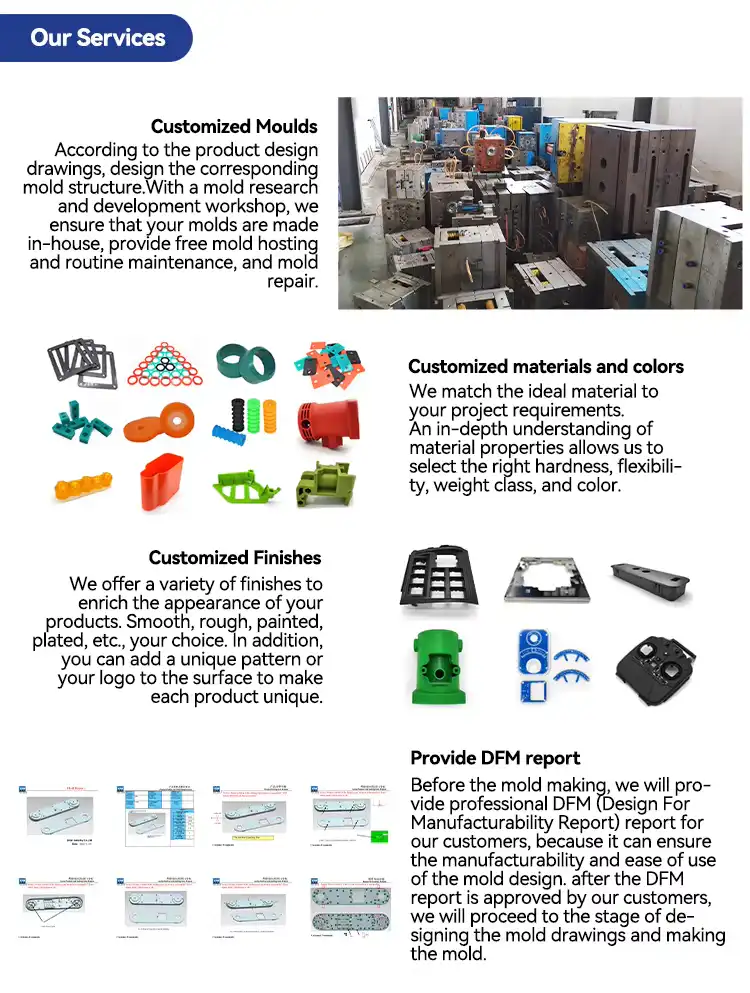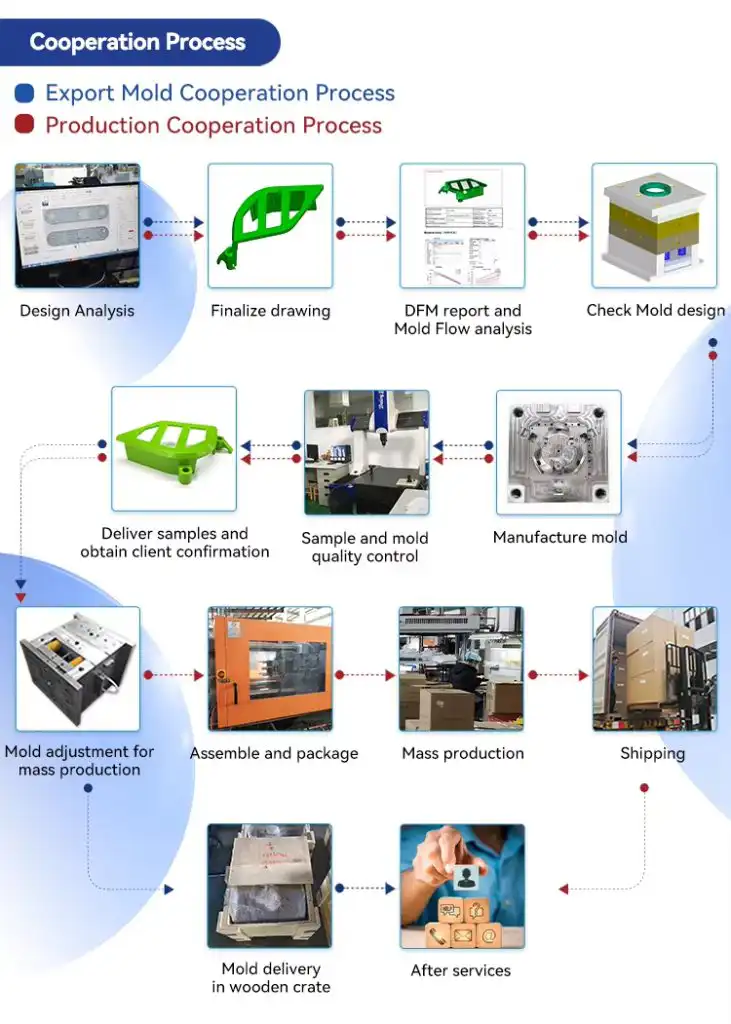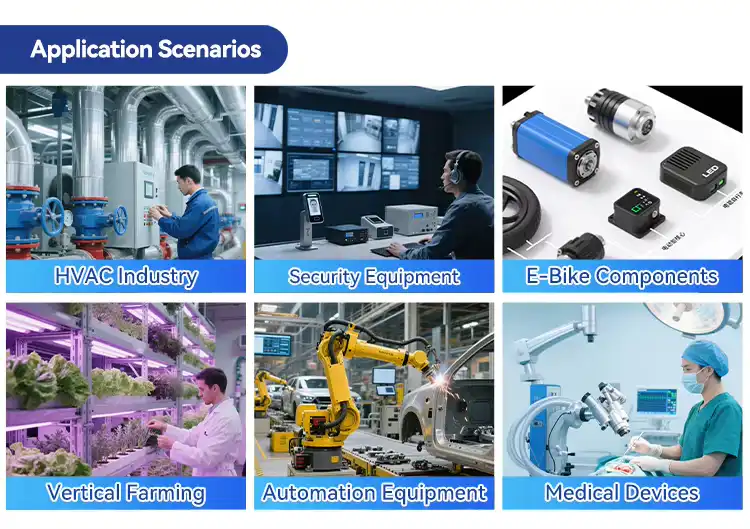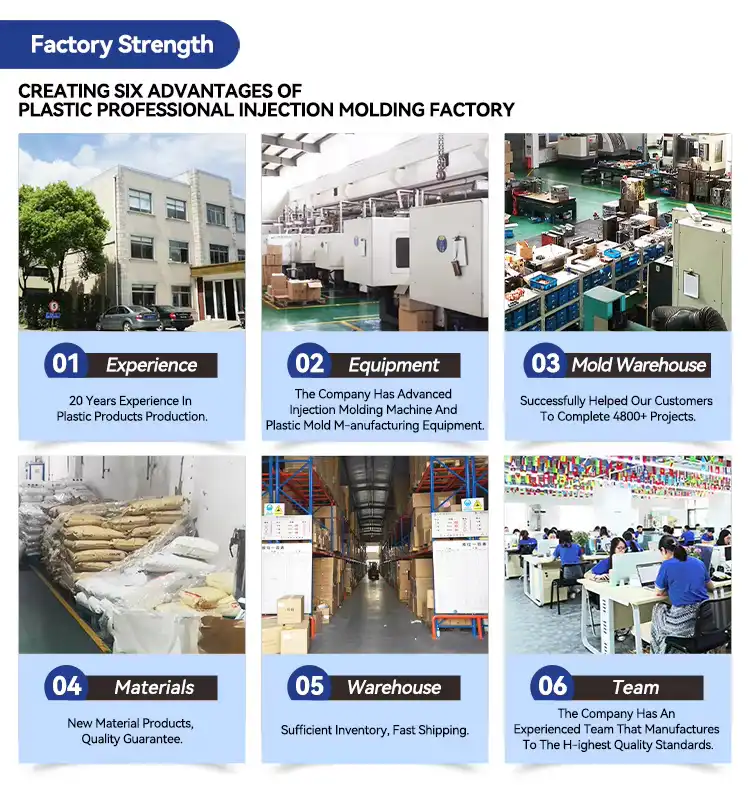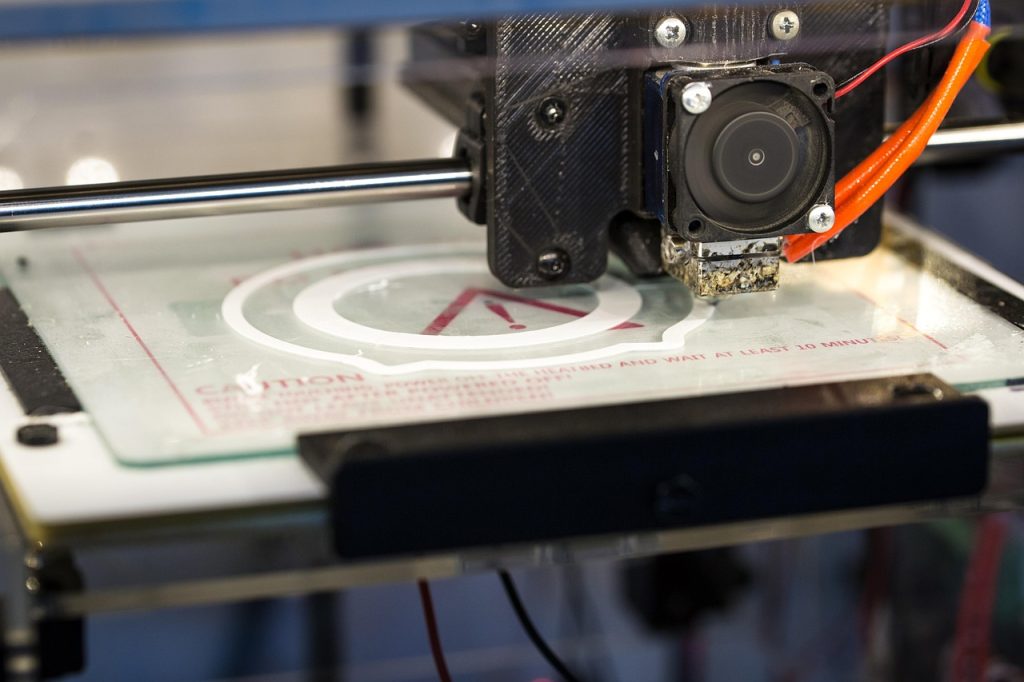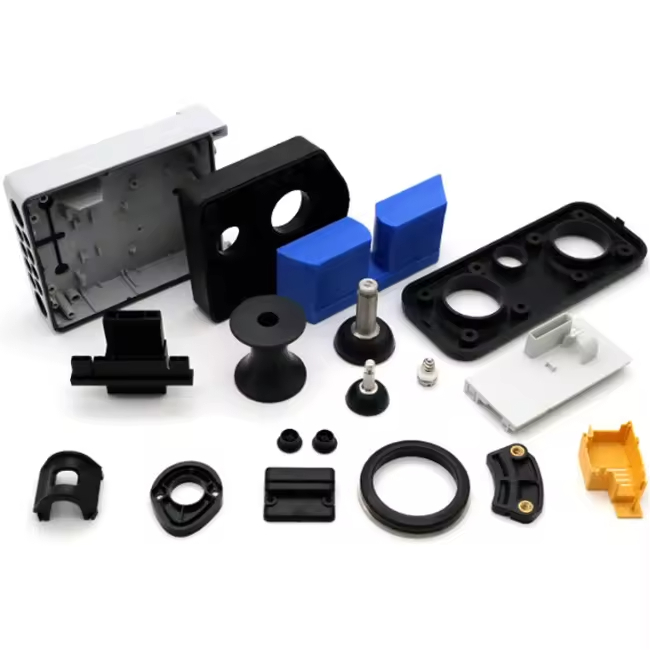
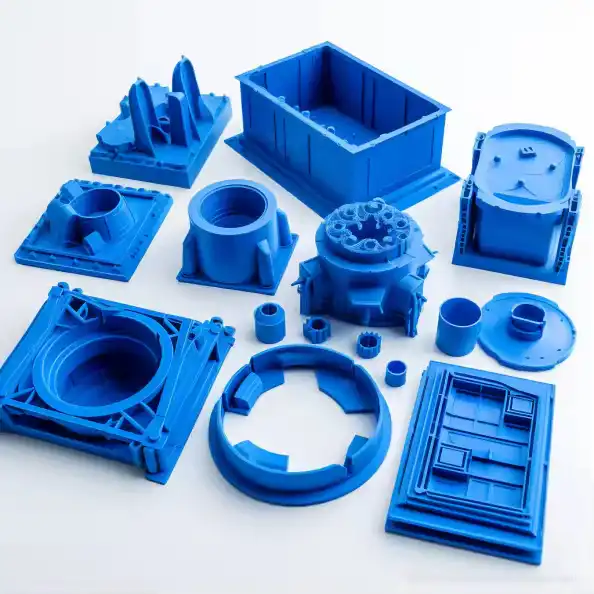
Rapid Prototype services are the engine of modern product development, transforming digital concepts into physical reality in days rather than weeks. By leveraging advanced 3D printing technologies like SLA (Stereolithography), SLS (Selective Laser Sintering), and FDM (Fused Deposition Modeling), designers and engineers can quickly iterate, test form and fit, and validate designs before committing to expensive production tooling. This guide explores the capabilities, materials, and advantages of professional rapid prototyping, and how it accelerates innovation across industries. At Nylon Plastic , we integrate comprehensive rapid prototyping services with our broader manufacturing ecosystem to deliver seamless solutions from concept to production.

The Rapid Prototype Advantage: Speed, Flexibility, and Risk Reduction
Rapid prototyping transforms the product development cycle by enabling quick iteration and early validation.
- Dramatically Reduced Development Time: Traditional prototyping methods can take weeks. With rapid prototyping, complex parts can be produced in days or even hours, allowing multiple design iterations in the time it would take to produce a single prototype conventionally.
- Early Design Validation: Physical prototypes reveal design flaws that may not be apparent in digital models. Testing form, fit, and function early in the development process reduces the risk of costly changes later.
- Cost-Effective Iteration: Unlike traditional tooling-based methods, 3D printing requires no expensive molds or dies. Each iteration can be produced at low cost, encouraging experimentation and optimization.
- Design Freedom: Rapid prototyping technologies can produce geometries impossible with traditional manufacturing—complex internal channels, organic shapes, undercuts, and intricate details—allowing designers to push creative boundaries.
- Material Versatility: From standard plastics like ABS and PLA to engineering materials like nylon and polycarbonate, rapid prototyping offers a wide range of material options to match the properties of final production parts.
- Communication and Stakeholder Buy-In: Physical prototypes are powerful communication tools. They help stakeholders visualize the final product, provide feedback, and make informed decisions earlier in the development cycle.

Rapid Prototyping Technologies: Choosing the Right Process
Different prototyping needs require different technologies. The reference supplier offers multiple options to match your requirements.
| Technology | Process Description | Key Advantages | Best For | Typical Tolerances |
|---|---|---|---|---|
| SLA (Stereolithography) | Uses a laser to cure liquid photopolymer resin layer by layer, creating high-resolution parts with smooth surfaces. | Exceptional detail, smooth surface finish, wide range of resins (standard, tough, flexible, castable). | Detailed prototypes, concept models, master patterns for casting, parts requiring fine features. | ±0.05mm |
| SLS (Selective Laser Sintering) | Uses a laser to fuse powdered nylon or other polymers into solid parts. | No support structures needed, excellent mechanical properties, durable parts, complex geometries possible. | Functional prototypes, end-use parts, complex assemblies, small production runs. | ±0.03mm |
| FDM (Fused Deposition Modeling) | Melts and extrudes thermoplastic filament (ABS, PLA, PC) through a nozzle, building parts layer by layer. | Wide material choice, functional parts, large build volumes, cost-effective for larger prototypes. | Functional prototypes, jigs and fixtures, concept models, large parts. | ±0.05mm |
| PLA Printing | A subset of FDM using PLA filament, known for ease of use and environmental friendliness. | Easy to print, biodegradable, wide color range, low warping. | Concept models, hobbyist projects, educational prototypes, initial design iterations. | ±0.05mm |

Materials for Rapid Prototyping
The choice of material directly impacts the prototype’s appearance, strength, and functionality. The reference supplier offers a comprehensive range.
| Material | Key Properties | Best For | Typical Applications |
|---|---|---|---|
| ABS (Acrylonitrile Butadiene Styrene) | Strong, tough, heat-resistant, good impact strength, can be post-processed with acetone for smooth finish. | Functional prototypes, housings, automotive components, parts requiring some heat resistance. | Functional testing, fit checks, assemblies, prototypes for injection molding simulation. |
| PLA (Polylactic Acid) | Easy to print, biodegradable, low warping, available in many colors, cost-effective. | Concept models, visual prototypes, educational projects, initial design iterations. | Concept validation, presentation models, low-stress prototypes, hobbyist applications. |
| Nylon (PA) | Strong, durable, slightly flexible, excellent layer adhesion, wear-resistant, good chemical resistance. | Functional prototypes, moving parts, living hinges, durable components. | Gears, hinges, functional testing, parts requiring toughness and flexibility. |
| PP (Polypropylene) | Lightweight, flexible, fatigue-resistant, good chemical resistance, low cost. | Living hinge prototypes, containers, automotive interior parts. | Packaging prototypes, living hinge testing, functional parts requiring flexibility. |
| PC (Polycarbonate) | High impact strength, heat resistance, good dimensional stability, optical clarity options. | High-strength prototypes, transparent parts, housings requiring durability. | Transparent prototypes, safety components, high-impact applications. |
| PMMA (Acrylic) | Excellent optical clarity, good weatherability, scratch-resistant. | Clear prototypes, light guide demonstrations, aesthetic models. | Lens prototypes, display components, aesthetic models requiring clarity. |
| HIPS (High Impact Polystyrene) | Impact-resistant, easy to post-process, often used as support material for ABS. | Large prototypes, master patterns for casting, concept models. | Large-scale prototypes, patterns for vacuum forming. |
| HDPE (High-Density Polyethylene) | Strong, durable, chemical-resistant, good UV resistance. | Outdoor prototypes, chemical containers, industrial components. | Outdoor equipment prototypes, chemical-resistant parts. |
For expert guidance on selecting the optimal material for your prototype, visit our material selection hub .

The Rapid Prototyping Process: From Concept to Physical Part
A professional Rapid Prototype service follows a systematic workflow to ensure quality and precision at every stage.
| Stage | Core Process & Technology | Quality & Performance Outcome |
|---|---|---|
| 1. Design & File Preparation | – Customer provides 3D model in standard formats (STEP, STP, IGES, STL, CAD, PDF, DWG, X-T). – Engineers review design for printability, orientation, and support structure requirements. – DFAM (Design for Additive Manufacturing) analysis optimizes geometry for the chosen technology. | A validated digital model ready for successful printing with minimal risk of build failure. |
| 2. Material & Technology Selection | – Optimal material and technology are selected based on prototype purpose (visual, functional, fit), required properties, and budget. | Clear specifications ensuring the prototype meets your testing or presentation requirements. |
| 3. Build Preparation | – Parts are oriented within the build volume to optimize quality and minimize supports. – Support structures are generated where necessary (SLA, FDM). – Build parameters are optimized for the specific material and geometry. | Optimized build strategy for dimensional accuracy, surface quality, and minimal post-processing. |
| 4. 3D Printing | – Parts are printed on professional-grade machines (SLA, SLS, FDM) with precise process controls. – Build parameters are monitored for quality assurance. | Accurate physical prototypes with properties matching the intended design. |
| 5. Post-Processing | – Support removal, cleaning, and curing (for resin). – Surface finishing options: sanding, polishing, texturing, painting, or applying protective coatings. – Color matching to Pantone, RAL, or custom colors as required. | Finished prototypes with the desired surface quality, appearance, and functionality. |
| 6. Quality Assurance & Inspection | – Dimensional verification to ensure parts meet specifications (tolerances: 0.02mm-0.05mm). – Visual inspection for surface defects and detail accuracy. | Guaranteed prototype quality, ready for testing, presentation, or further processing. |
| 7. Delivery & Feedback | – Parts are carefully packaged to prevent damage during transit. – Client evaluates prototype and provides feedback for design iterations. | Secure delivery and actionable feedback for design refinement. |

Industry Applications: Where Rapid Prototyping Excels
Rapid prototyping serves virtually every industry, accelerating innovation at every stage of product development.
| Industry | Applications | Key Benefits Realized |
|---|---|---|
| Automotive | Interior trim prototypes, dashboard components, light housings, bracket validation, concept models. | Faster design validation, reduced development time, cost-effective iterations. For production parts, see our automotive injection molding capabilities. |
| Consumer Products | Product concept models, ergonomic testing, packaging prototypes, aesthetic validation. | Rapid iteration, user feedback integration, faster time-to-market. |
| Medical & Healthcare | Anatomical models, surgical guides, device prototypes, custom instrument handles. | Patient-specific modeling, surgical planning, accelerated device development. |
| Aerospace | Lightweight bracket prototypes, ducting validation, interior component fit checks. | Weight optimization, complex geometry validation, reduced lead times. |
| Industrial Machinery | Machine component prototypes, jig and fixture validation, ergonomic testing. | Optimized designs, reduced downtime, improved worker efficiency. |
| Electronics | Enclosure prototypes, heat sink validation, component fit testing. | Proper component spacing, thermal management validation, improved industrial design. |
| Education & Research | Teaching aids, research prototypes, concept visualization, student projects. | Hands-on learning, design thinking, rapid experimentation. |

Quality Assurance: Ensuring Reliable Prototypes
The reference supplier emphasizes rigorous quality controls to ensure every prototype meets specifications.
| Quality Aspect | Our Commitment | Your Benefit |
|---|---|---|
| ISO 9001 / TS16949 / ISO 14001 / QS Certification | Multiple quality and environmental management system certifications ensure consistent processes and reliable outcomes. | Confidence in every prototype, backed by internationally recognized standards. |
| Tight Tolerances (0.02mm-0.05mm) | Precision printing achieves exceptional accuracy for critical dimensions. | Prototypes that accurately represent final production parts for meaningful testing. |
| Material Verification | Certified materials from qualified suppliers ensure consistency and performance. | Reliable material properties for functional testing. |
| Dimensional Inspection | Parts are verified against 3D model specifications. | Confidence that prototypes will fit and function as designed. |
| Visual Inspection | Every prototype undergoes thorough visual inspection for surface defects and detail accuracy. | Flawless appearance for client presentations and design reviews. |

Customization Options
The reference supplier offers extensive customization to meet specific prototyping requirements.
| Customization Type | Options Available | Minimum Order Quantity |
|---|---|---|
| Custom 3D Model Design | We can create 3D models from your sketches, photos, or concepts. Our product design team can assist. | 1 piece |
| Material Selection | Wide range of materials: ABS, PLA, nylon, PP, PC, PMMA, HIPS, HDPE, and more. | 1 piece |
| Color Customization | Pantone, RAL, or custom colors matched precisely. Our color customization services ensure accurate color matching. | 1 piece |
| Surface Finish | Textured, sandy, matte, glossy, smooth, or custom finishes as required. | 1 piece |
| Logo Marking | Laser engraving or printing of logos, part numbers, or text. | 1 piece |
| Custom Packaging | Packaging designed to protect prototypes during transit. | 1 piece |
| Multi-Language Support | English, Japanese, Spanish, French, Chinese documentation and communication. | – |
Large Format Capabilities
The reference supplier offers exceptional large-format prototyping capabilities.
| Capability | Specification | Benefit |
|---|---|---|
| Maximum Part Size | 1500mm × 1500mm × 1000mm | Enables prototyping of large components, full-scale assemblies, and oversized parts that would otherwise require segmentation. |

Integration with Broader Manufacturing Capabilities
Rapid prototyping is most powerful when integrated with other manufacturing processes. At Nylon Plastic, we combine prototyping with our full range of services.
| Integrated Service | How Rapid Prototyping Enhances It | Benefit to You |
|---|---|---|
| Bridge to Production | Prototypes validated through rapid prototyping can transition directly to injection molding or CNC machining for production. | Faster time-to-market with validated designs before committing to production tooling. |
| Master Patterns for Casting | High-detail SLA or SLS prototypes serve as master patterns for investment casting or silicone molding. | Create metal or multiple copies from a single master pattern. |
| Assembly Validation | Prototypes of multiple components can be printed and assembled to validate fit and function before production. | Reduced assembly issues, guaranteed part compatibility. |
| Jigs and Fixtures | Rapid prototyping produces custom assembly jigs, fixtures, and workholding tools on demand. | Reduced downtime, optimized manufacturing workflows. |
| Presentation Models | High-quality finished prototypes with custom colors and surface finishes for client presentations, trade shows, and investor meetings. | Professional presentation quality that communicates design intent effectively. |

FAQ: Rapid Prototype Service
Q1: What file formats do you accept for rapid prototyping?
A: We accept all standard 3D file formats, including STEP (.stp), STP, IGES (.igs), X-T, STL (.stl), CAD, PDF, and DWG files. For best results, STEP or IGES formats are preferred as they preserve exact geometric data. If you only have a concept or sketch, our product design team can create the 3D model for you.
Q2: What is the difference between SLA, SLS, and FDM for prototyping?
A: SLA uses resin cured by laser for the highest detail and smoothest surfaces, ideal for visual prototypes and master patterns. SLS uses nylon powder fused by laser, producing durable functional parts without support structures, ideal for functional testing. FDM extrudes thermoplastic filament, offering the widest material choice and large build volumes, ideal for larger prototypes and functional parts.
Q3: How large of a prototype can you produce?
A: Our maximum part size is 1500mm × 1500mm × 1000mm (approximately 59″ × 59″ × 39″), enabling prototyping of large components, full-scale assemblies, and oversized parts.
Q4: What tolerances can you achieve?
A: Our standard prototyping tolerances range from 0.02mm to 0.05mm (20-50 microns), depending on the technology and geometry. This level of precision ensures prototypes accurately represent final production parts for meaningful testing.
Q5: What surface finishes are available?
A: We offer a comprehensive range of surface finishes including textured, sandy, matte, glossy, smooth, and custom finishes. Post-processing options include sanding, polishing, painting, and coating to achieve the desired appearance.
Q6: Can you match specific colors for prototypes?
A: Yes. We offer precise color matching to Pantone, RAL, or custom color specifications. Our color customization services ensure your prototypes accurately represent the intended final product colors.
Q7: What is the typical turnaround time for a prototype?
A: Turnaround time depends on part size, complexity, and quantity. Simple prototypes can be produced in 24-48 hours, while more complex parts typically require 3-5 business days. Rush services may be available for urgent requirements.
Q8: Do you offer design assistance or DFM feedback?
A: Yes. Our engineering team provides Design for Additive Manufacturing (DFAM) analysis as part of our service. We review your design and suggest modifications that can improve printability, reduce cost, or enhance quality while maintaining functional requirements.
Q9: Can prototypes be used for functional testing?
A: Absolutely. With engineering-grade materials like ABS, nylon, and polycarbonate, prototypes can be used for functional testing, including fit checks, mechanical testing, and performance validation. Material selection should match the testing requirements.
Q10: What industries do you serve for rapid prototyping?
A: Our industry expertise spans automotive, consumer products, medical, aerospace, industrial machinery, electronics, and education. We tailor our prototyping approach to the specific requirements of each sector.

Conclusion: Accelerate Your Innovation with Professional Rapid Prototyping
Rapid Prototype services transform the product development process, enabling faster iteration, earlier validation, and more confident decision-making. Whether you need a simple concept model, a highly detailed visual prototype, or a fully functional part for testing, advanced 3D printing technologies deliver the speed, precision, and material versatility you need to bring your ideas to life.
Ready to accelerate your next project? Contact our engineering team today to discuss your prototyping requirements. From file preparation and material selection to printing, finishing, and delivery, we provide comprehensive rapid prototyping solutions integrated with our broader product design , CNC machining , and injection molding capabilities.
Request a Quote | Contact Our Engineering Team