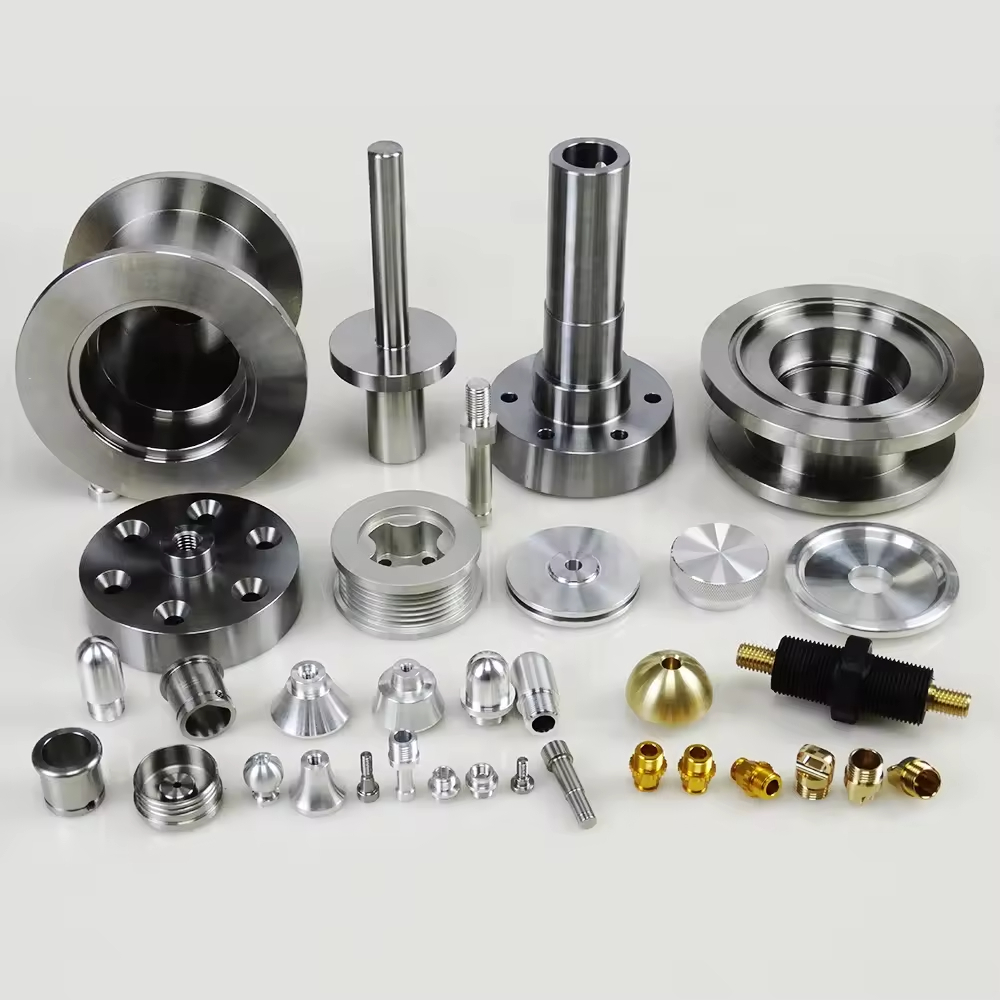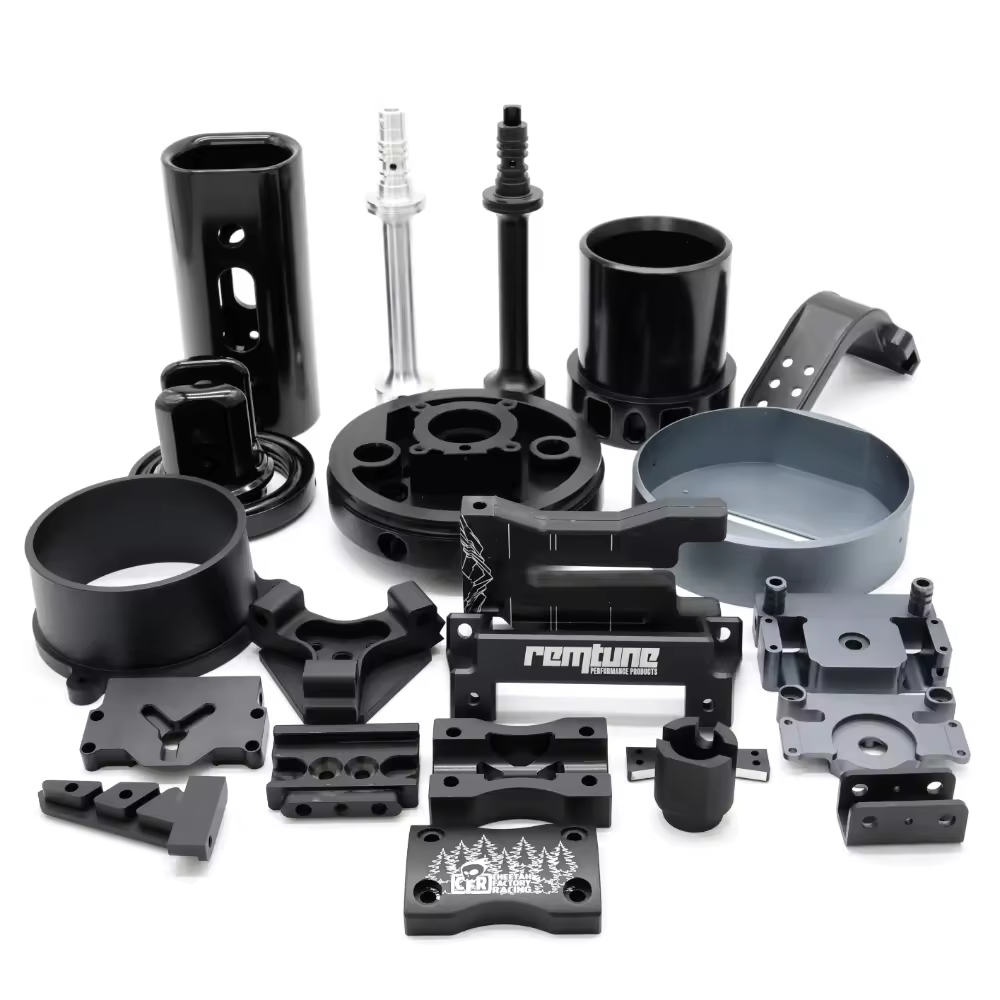
5-Axis is a practical engineering topic when you need to compare options, check limits, and choose a process with less risk.
5-Axis Machining helps manufacturers reduce setups and handle complex plastic geometry with better consistency.
5-axis machining represents the pinnacle of CNC manufacturing capability, enabling the production of complex plastic components that would be impossible or prohibitively expensive with traditional 3-axis methods.
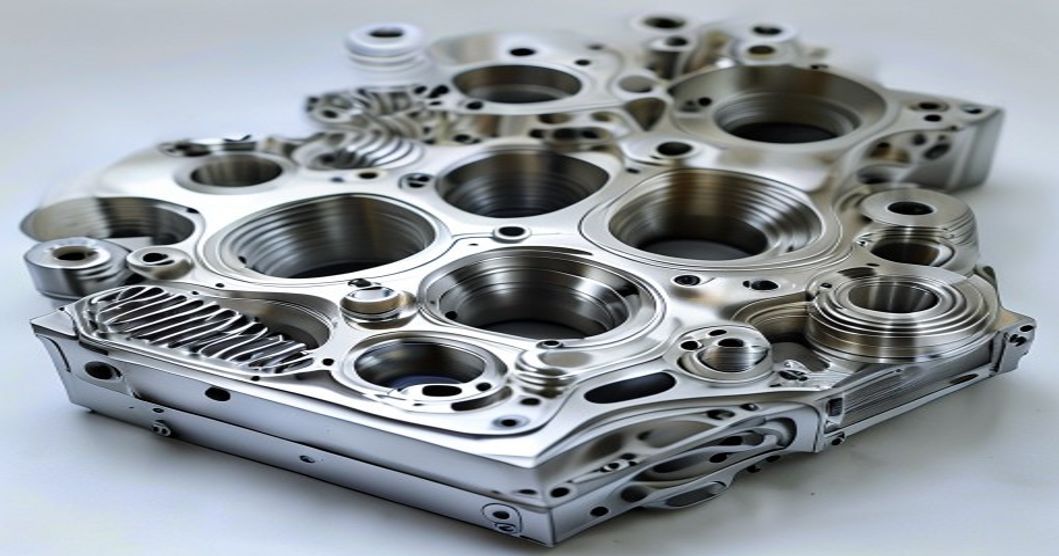
What is 5-Axis Machining?
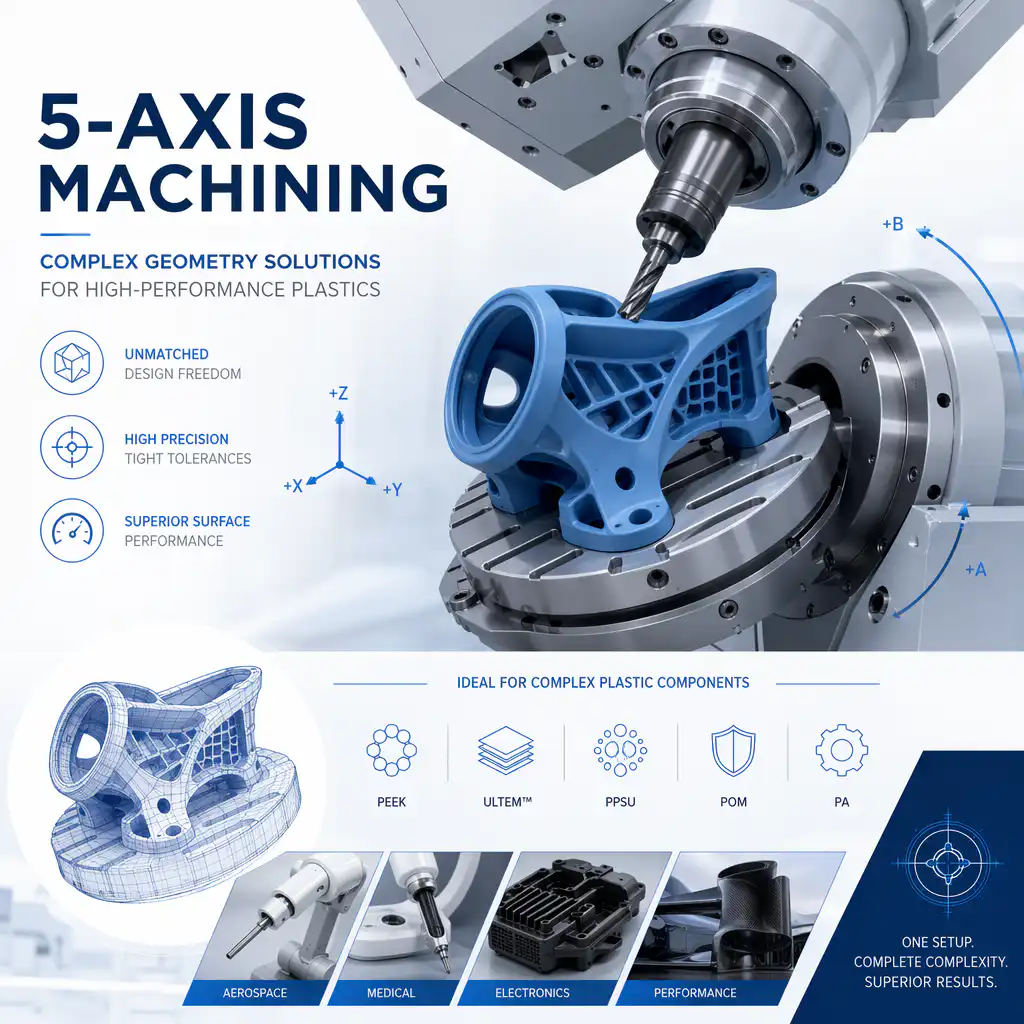
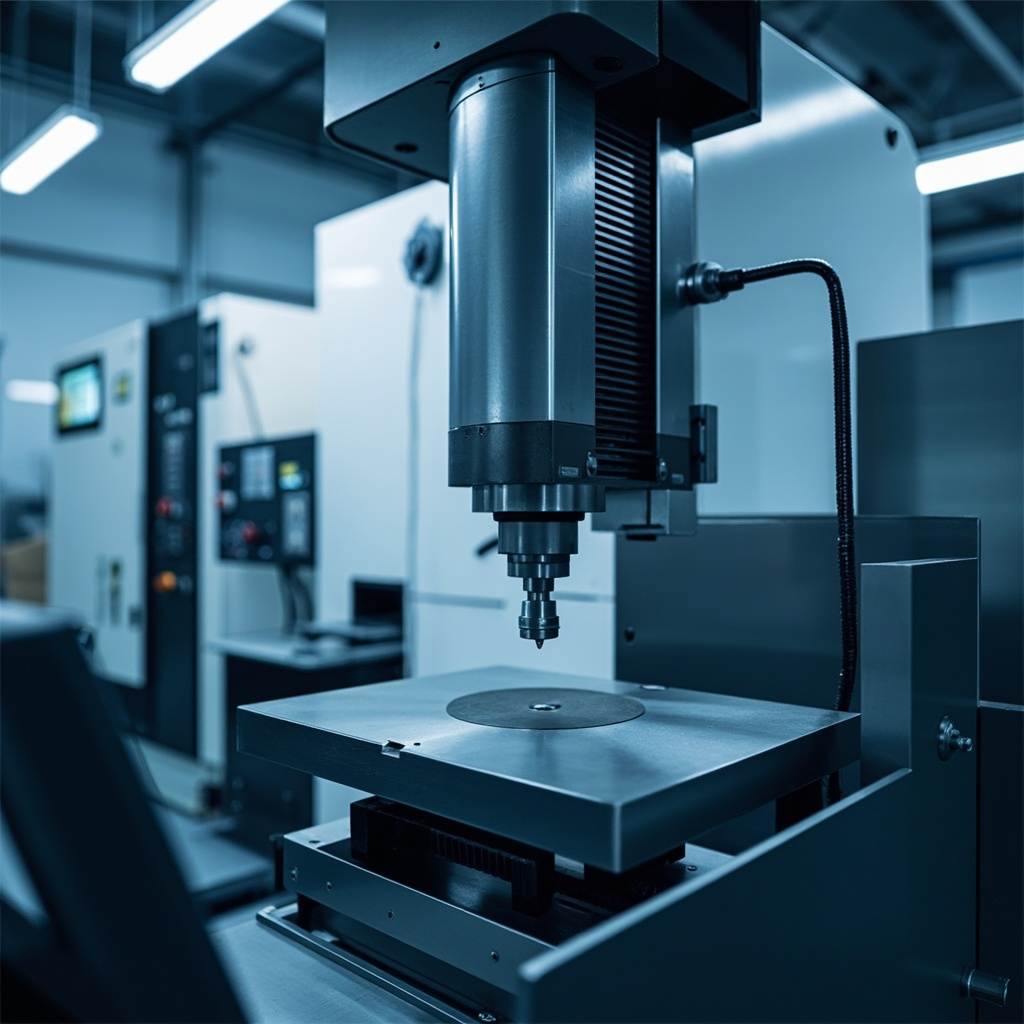
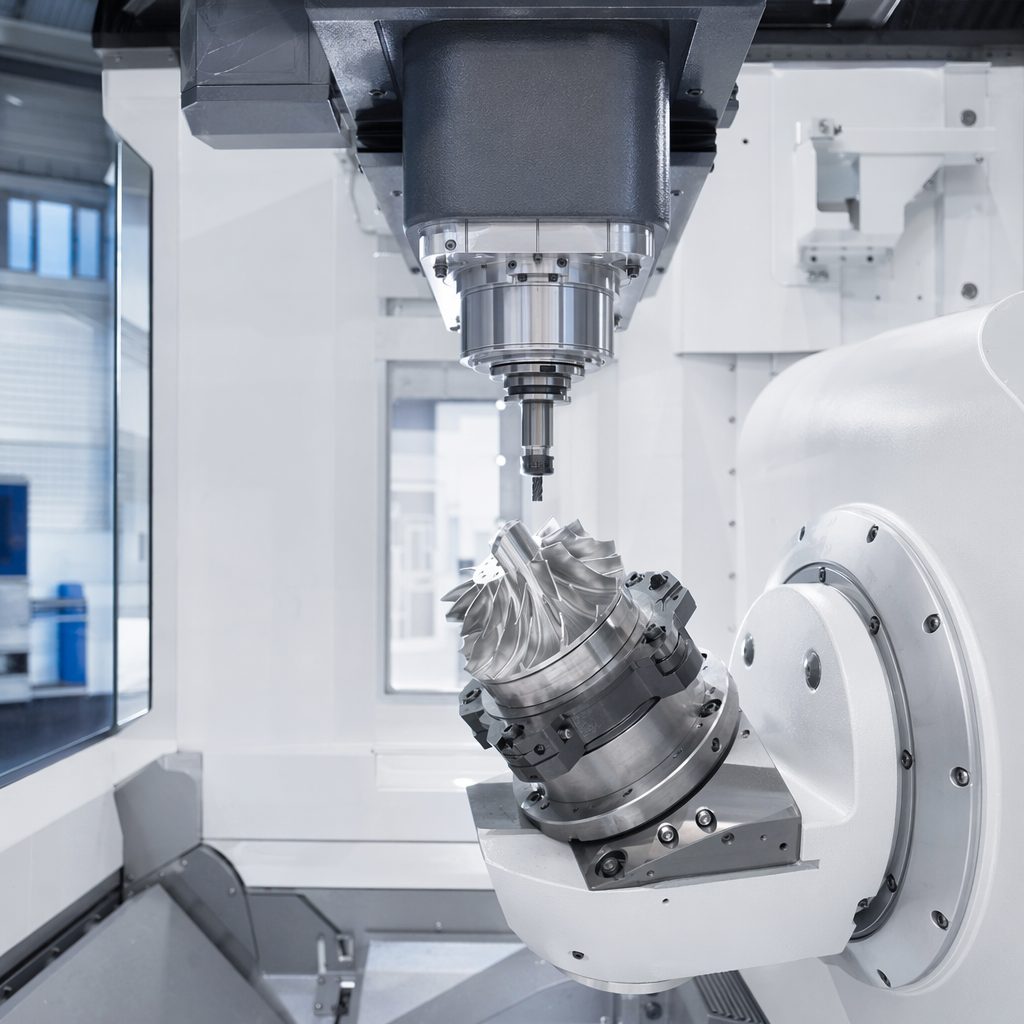
Unlike 3-axis machines that move along X, Y, and Z axes, 5-axis machines add two rotational axes (typically A and B or A and C). This allows the cutting tool to approach the workpiece from virtually any angle, enabling:
- Undercut features — machine areas inaccessible to 3-axis tools
- Complex curves — turbine blades, impellers, organic shapes
- Multi-sided parts — complete machining in a single setup
- Improved accuracy — no re-fixturing between operations
Applications for 5-Axis Machined Plastics
High-performance engineering plastics machined on 5-axis equipment serve demanding applications:
- Aerospace — ducting, brackets, interior components
- Medical — surgical instrument handles, implant trials, diagnostic equipment
- Automotive — fluid system components, sensor housings
- Robotics — custom end effectors, cable management systems
Material Considerations
PEEK and carbon fiber reinforced nylon are popular choices for 5-axis machined components due to their:
- High strength-to-weight ratio
- Excellent thermal stability
- Chemical resistance
- Ability to replace metal components
Why Choose Our 5-Axis Machining Services
5-axis machining delivers complex geometries that 3-axis machines simply cannot achieve. Our advanced 5-axis centers offer maximum precision and efficiency:
- True 5-axis simultaneous machining — reduces setup operations and achieves complex contoured surfaces in a single clamping
- ±0.005mm tolerance — precision control across all axes for aerospace and medical-grade parts
- Large worktable capacity — up to 3000mm × 2000mm for oversized components
- Single-piece to mass production — MOQ 1 piece with no mold costs
- Fast turnaround — prototypes within 24 hours, small batches in 3–5 working days
5-axis machining significantly reduces lead times for complex plastic components by eliminating multiple setups. Our engineers optimize tool paths to minimize cycle time while maintaining precision.
Have a complex part that needs 5-axis machining? Upload your design files and get a quote today.
FAQ
When is 5-Axis Machining: Complex Geometry Solutions for High-Performance Plastics a good option?
5-Axis Machining: Complex Geometry Solutions for High-Performance Plastics is a good option when fast iteration, complex geometry, low tooling cost, or low-volume production is more important than molded-part unit cost.
What should be checked before choosing 5-Axis Machining: Complex Geometry Solutions for High-Performance Plastics?
Check part size, material properties, surface finish, dimensional tolerance, heat exposure, load direction, and whether post-processing is required.
How does 5-Axis Machining: Complex Geometry Solutions for High-Performance Plastics compare with CNC machining?
3D printing can create complex shapes quickly, while CNC machining is often stronger for precise surfaces, tighter tolerances, and production-grade materials.
What affects the cost of 5-Axis Machining: Complex Geometry Solutions for High-Performance Plastics?
Cost depends on material, build volume, print time, layer height, support removal, finishing, inspection, and the number of parts in the build.