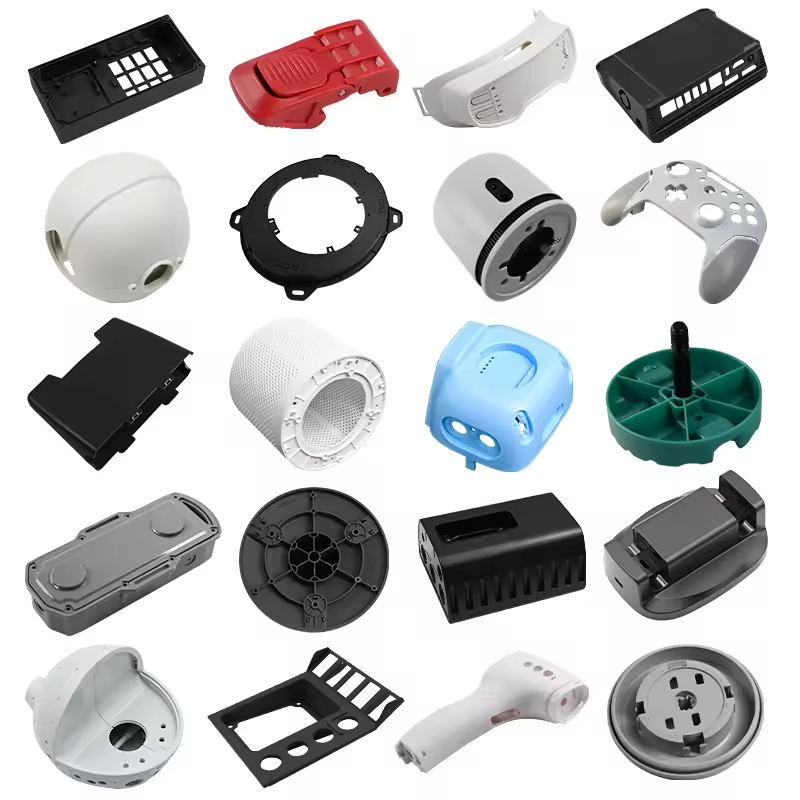
When manufacturing precision components, choosing between injection molding and die casting depends on material requirements, production volume, and part complexity. Both processes offer unique advantages for different applications.
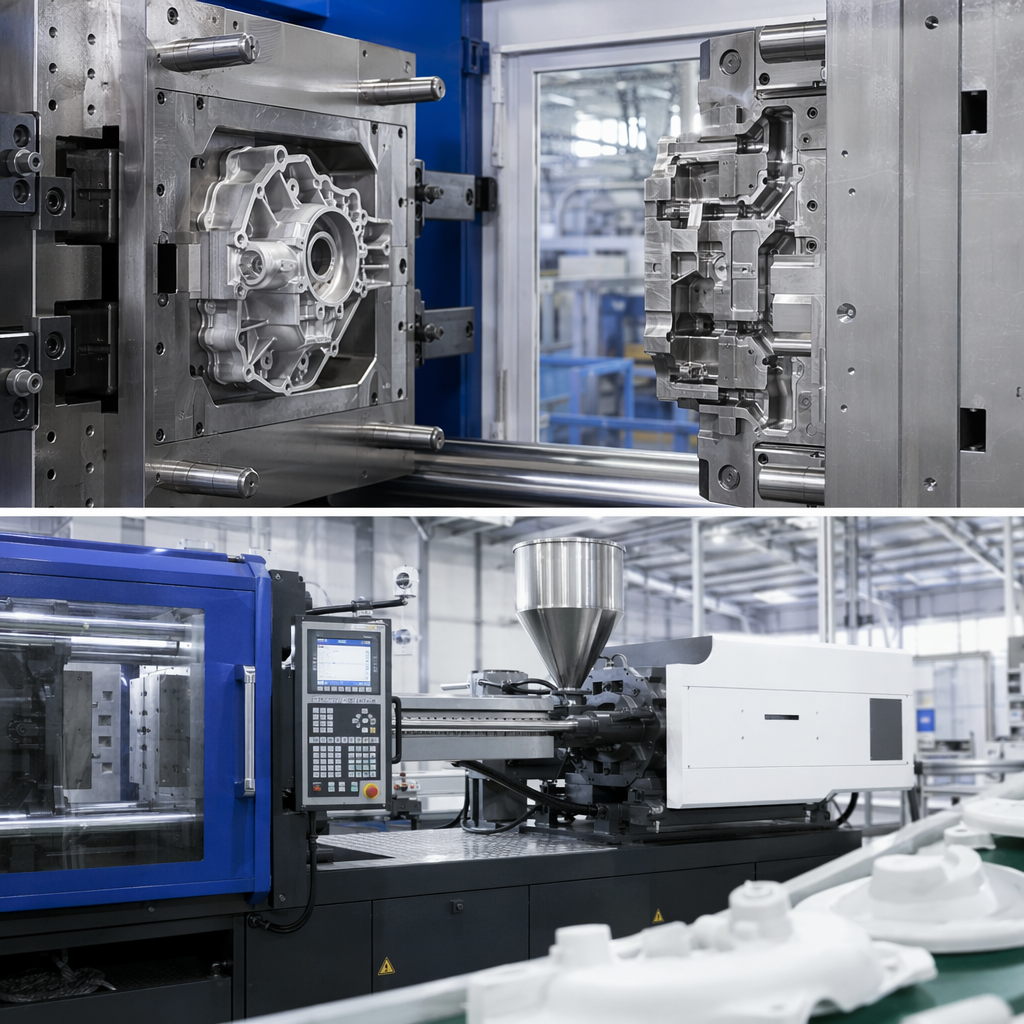
Process Overview
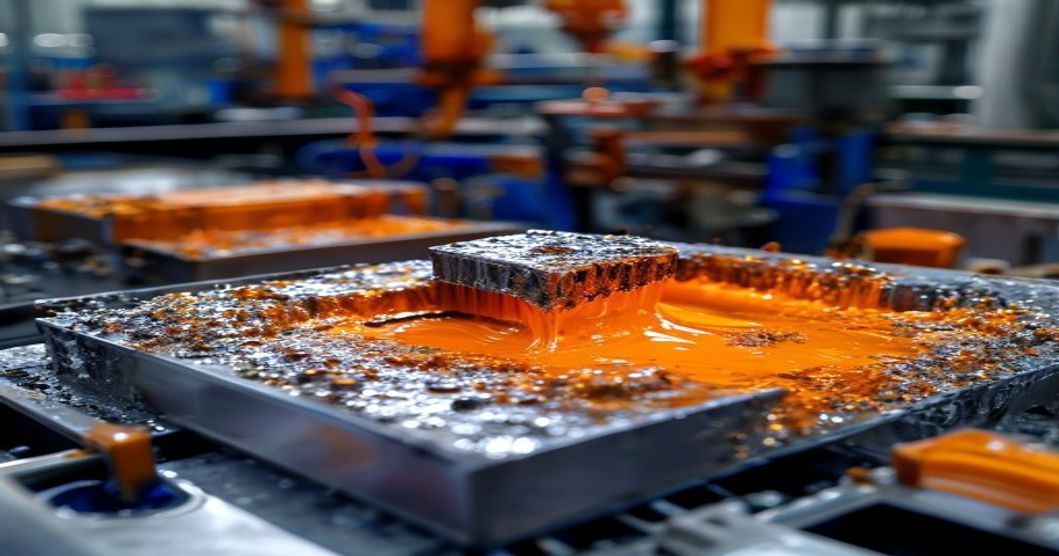
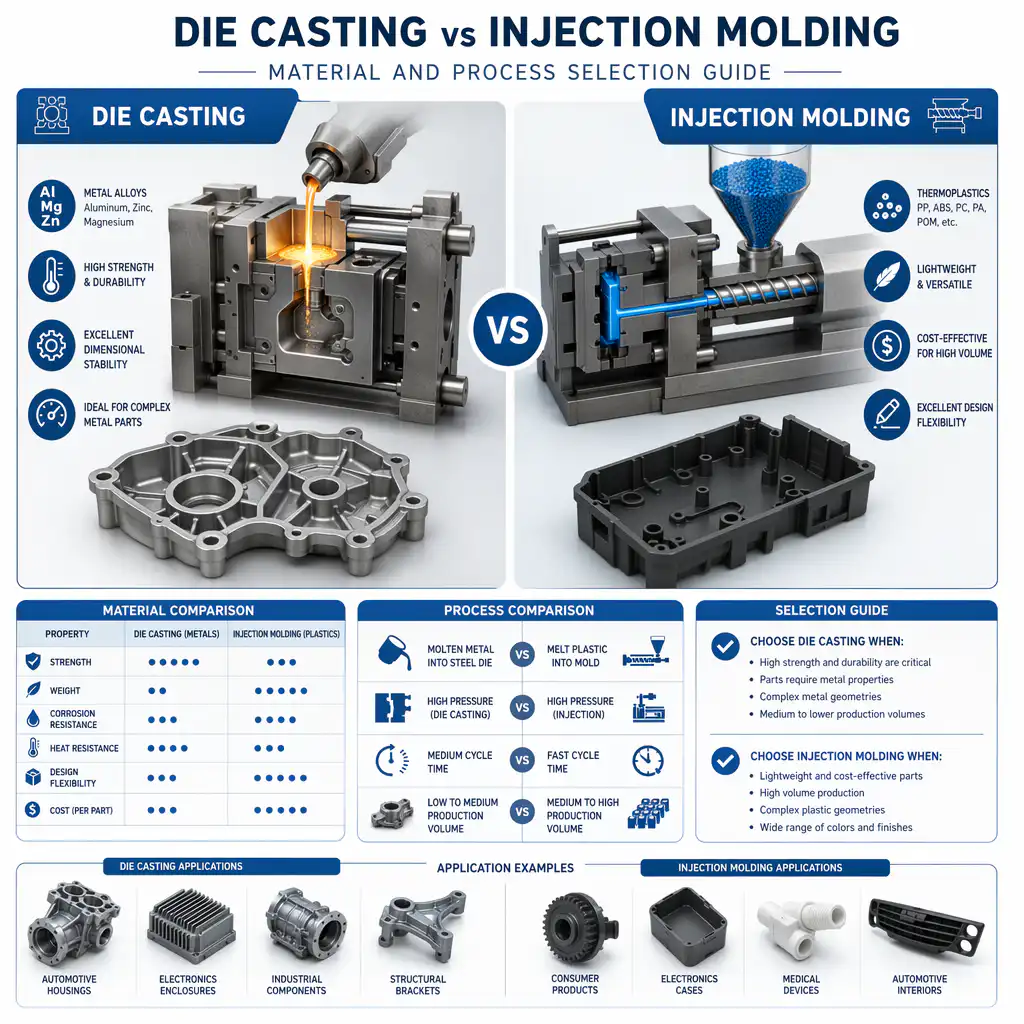
Die casting injects molten metal (aluminum, zinc, magnesium) into steel molds under high pressure. Injection molding does the same with thermoplastics like nylon, POM, or PEEK.
Key Differences
| Factor | Die Casting | Injection Molding |
|---|---|---|
| Material | Metal (Al, Zn, Mg) | Engineering Plastics |
| Weight | Heavier | Lighter (40-70% reduction) |
| Tooling Cost | Higher ($30k-$150k) | Lower ($10k-$50k) |
| Cycle Time | 15-60 seconds | 10-45 seconds |
When to Choose Injection Molded Plastics
Nylon injection molding is preferred when:
- Weight reduction is critical (automotive, aerospace)
- Electrical insulation is required
- Chemical resistance to specific environments
- Lower tooling investment for mid-range volumes
- Design requires complex features (undercuts, threads)
Material Advantages
Engineering plastics offer advantages over die cast metals:
- Corrosion resistance — no rust or oxidation
- Design freedom — snap-fits, living hinges, integrated fasteners
- Vibration damping — quieter operation
- Lower secondary operations — no machining or surface treatment needed
Why Choose Our Injection Molding Services
Injection molding delivers consistent, high-volume plastic parts at low per-unit cost. Our facilities combine advanced molding equipment with in-house tooling capabilities:
- 80+ mold machines — high-speed CNC machining centers, EDM, wire-cutting, vacuum casting
- Large mold capacity — worktable up to 2500mm × 1500mm for large automotive and appliance molds
- ±0.01mm mold precision — precision control from mold design to mass production
- MOQ 1 set — prototype tooling and R&D samples without high mold costs
- Fast tooling — standard molds in 3–5 working days; first samples within 7 days
- Mass production — monthly output up to 500,000 pieces per product category
Our in-house mold making eliminates the communication gap between molder and toolroom, reducing revision cycles and ensuring your mold is optimized for your specific material and part design.
Planning a new product? Share your part drawings and annual volume targets for a comprehensive production cost analysis.
FAQ
When does Die Casting vs Injection Molding: Material and Process Selection Guide make sense?
Die Casting vs Injection Molding: Material and Process Selection Guide makes sense when the part volume, material choice, geometry, and repeatability needs justify mold design and tooling investment.
What design factors matter most for Die Casting vs Injection Molding: Material and Process Selection Guide?
Wall thickness, ribs, bosses, draft angle, gate location, shrinkage, parting line, and ejection all affect molded part quality.
What information is needed before mold production?
The supplier should confirm the 3D model, material, expected annual volume, appearance requirements, tolerance needs, and any assembly or functional testing requirements.
What is the biggest risk in Die Casting vs Injection Molding: Material and Process Selection Guide?
The biggest risk is approving tooling before material behavior, shrinkage, flow, and part function are fully checked against the real application.